
The Battle of Varna — History & Facts
On 10 November 1444, the fate of Christian Europe hung in the balance as the young King Władysław III of Poland led a last, desperate charge against the Ottoman forces at Varna. Jan Matejko’s The Battle of Varna captures this moment of catastrophe, a turning point that ended the Crusader hopes of halting Ottoman expansion. The battle was not only a military disaster but also a personal tragedy: Władysław, just twenty years old, fell on the field, his body never recovered.
In the 19th century, as Poland struggled for its own independence, Matejko’s choice to paint this subject resonated deeply with his contemporaries, who saw in Varna both a warning and a call to courage. Matejko freezes the chaos at its most dramatic: Władysław, clad in gleaming armor, raises his sword in a futile gesture as Ottoman horsemen close in. The king’s standard lies trampled beneath hooves, while the papal legate, Cardinal Cesarini, clutches a crucifix in terror beside him. Every detail is charged with meaning—the broken lance at the king’s feet, the desperate faces of his knights, the encroaching darkness at the canvas’s edge.
Unlike the cool detachment of Eugène Delacroix’s battle scenes, Matejko’s work thrums with urgency and loss, the figures pressed close, the brushwork dense and agitated. Here, heroism and doom are inseparable, the king’s youthful idealism overwhelmed by the tide of history. The exact circumstances of The Battle of Varna’s commission remain unclear, but it was painted in 1879, during a period when Jan Matejko was at the height of his powers and deeply engaged with Poland’s historical legacy. The painting has long been housed in the collections of the National Museum in Warsaw, where it stands as a testament to Matejko’s vision of art as national memory.
Over the years, it has become a touchstone for discussions of Polish identity and sacrifice, its somber grandeur undiminished by time. While the medium is not definitively recorded, the work’s scale and execution suggest Matejko’s favored oil on canvas. Today, it continues to draw viewers into the drama of a vanished world, its lessons as urgent as ever.
More Artworks by Jan Matejko
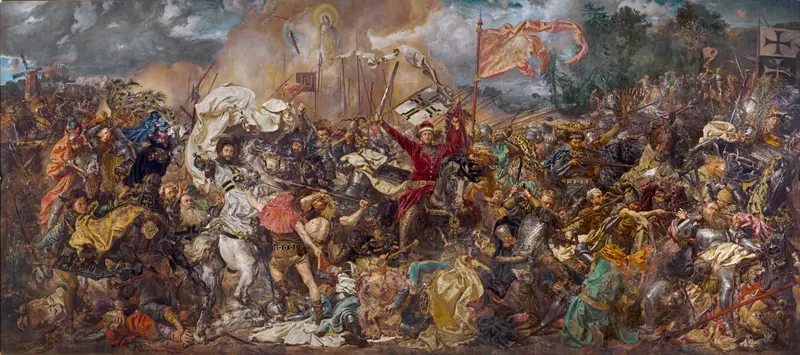
Battle of Grunwald
Jan Matejko

Stańczyk
Jan Matejko

Battle of Raclawice
Jan Matejko
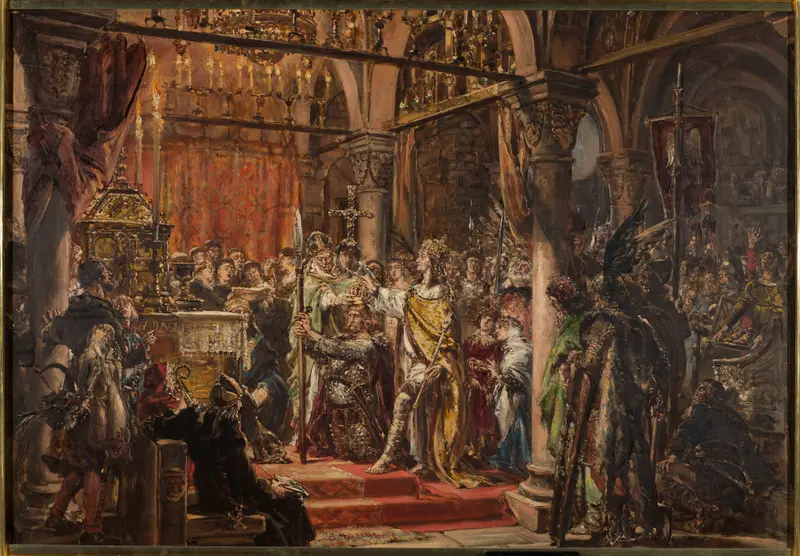
Coronation of the First King, 1001 AD, from the series “History of Civilization in Poland”
Jan Matejko
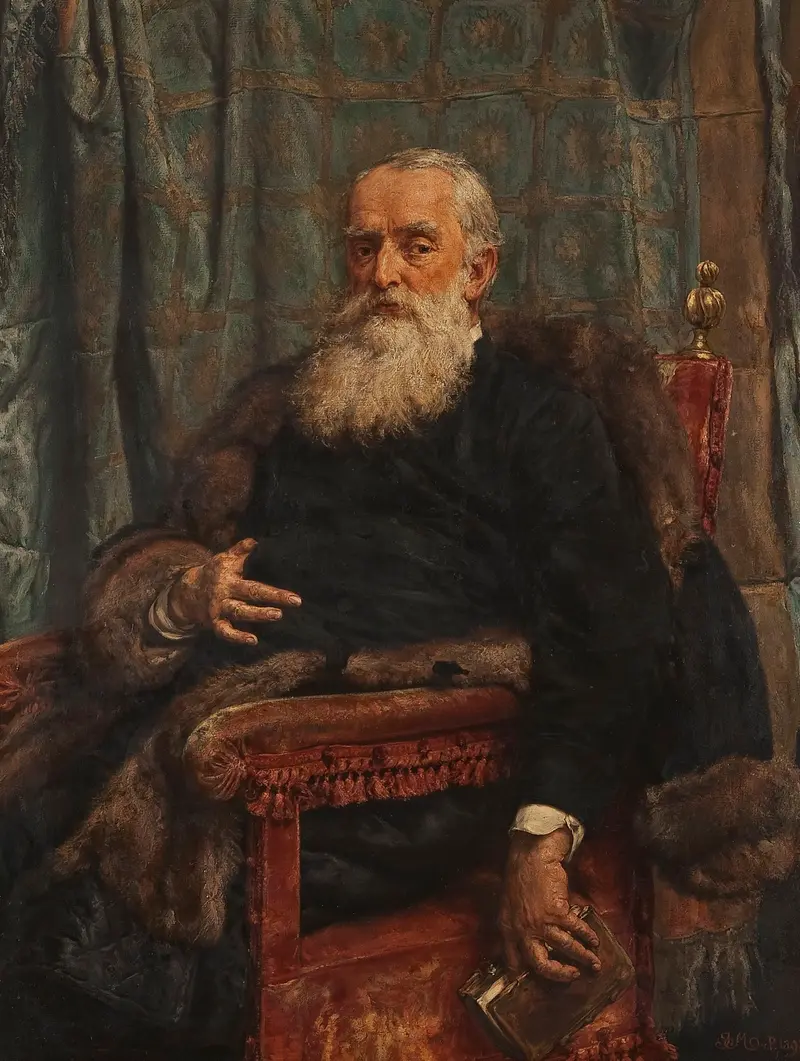
Portrait of Henryk Krajewski
Jan Matejko
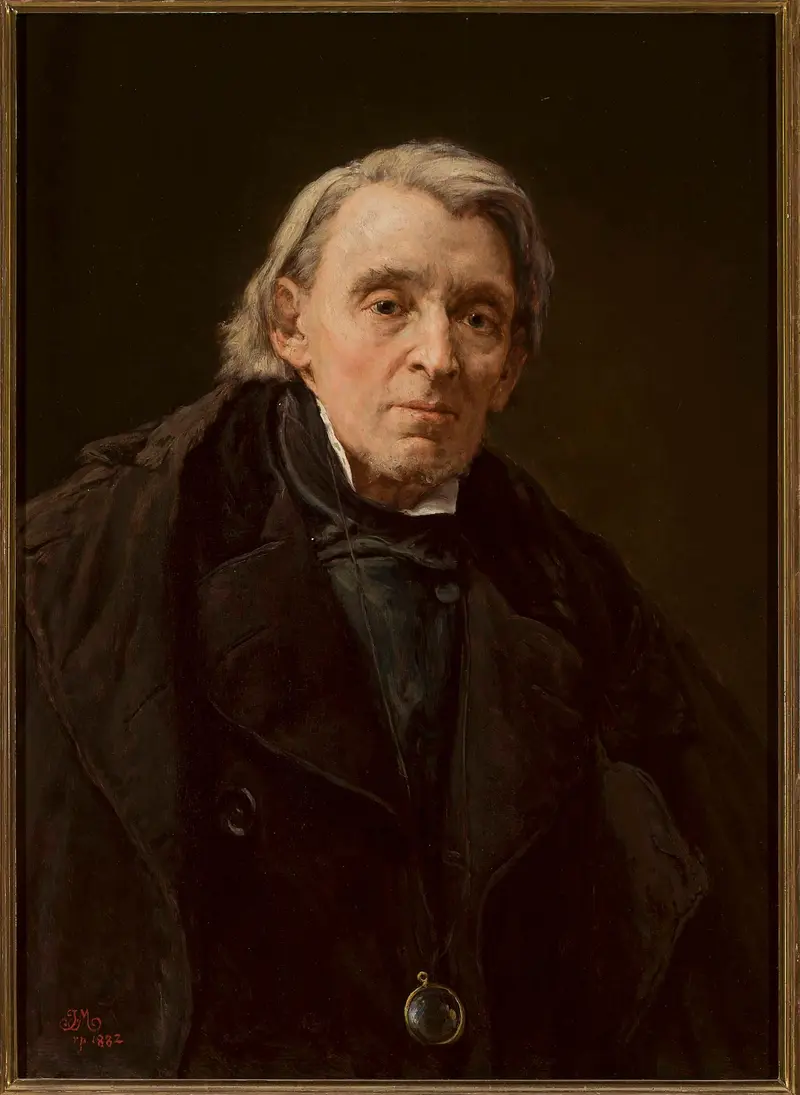
Portrait of Karol Podlewski
Jan Matejko
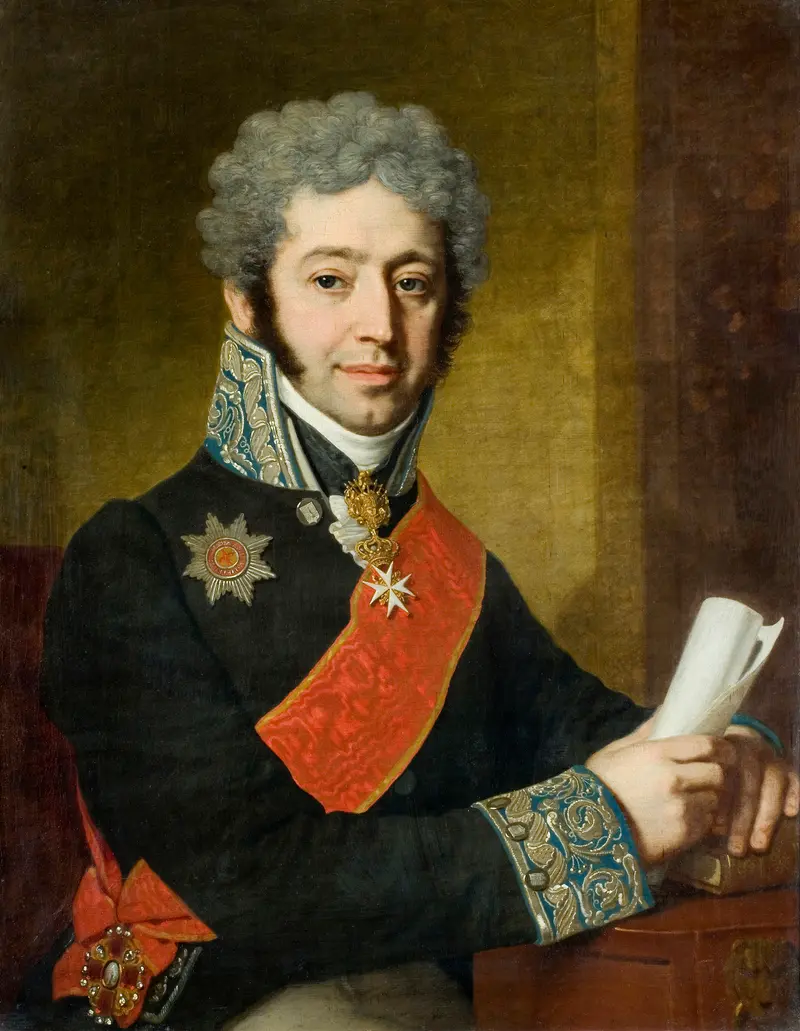
Portrait of Potocki and Poninski
Jan Matejko
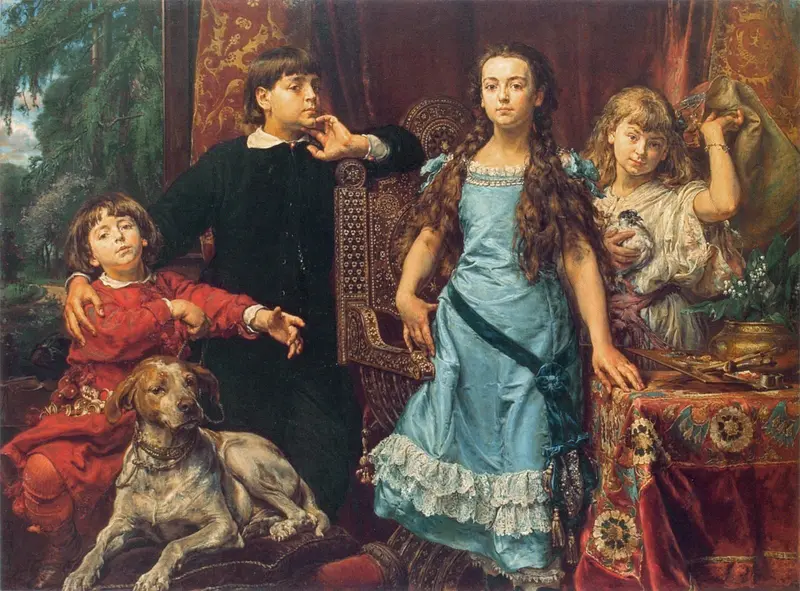
Portrait of the artist's four children
Jan Matejko
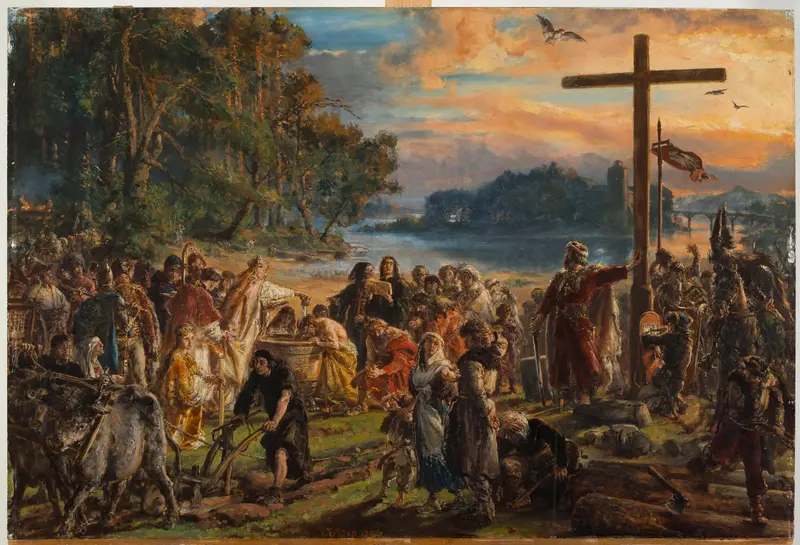
Introduction of Christianity in Poland
Jan Matejko
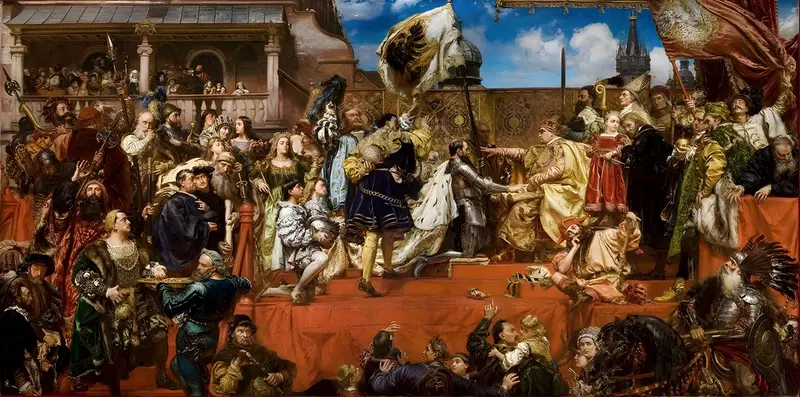
Prussian Homage
Jan Matejko





