
The Beach of Les Grands Sables at Le Pouldu — History & Facts
Here, decay unfolds beautifully, a quiet reminder of nature's relentless advance and retreat, wrapped in the embrace of a coastal landscape. Focus first on the soft hues of sand and sea. The gentle wave of cerulean strokes intertwines with golden sand, leading your gaze toward the horizon. Notice how the brushwork captures both motion and stillness, each stroke a testament to the artist’s intimate connection with the land.
The vibrant colors of the vegetation breathe life into the scene, contrasting with the somber undertones of impending decay, as if the landscape itself is in a constant state of becoming and unbecoming. In the distance, you might glimpse the muted forms of figures dotting the beach; they stand as symbols of transient existence against the vastness of the ocean. The interplay between the lively colors of the foreground and the more muted tones of the background evokes an emotional tension, perhaps reflecting the inevitable erosion of beauty and time. This juxtaposition speaks to the cyclic nature of life, where everything vibrant eventually surrenders to the slow embrace of decay. In 1890, while residing in the coastal village of Le Pouldu, Sérusier was deeply influenced by the Symbolist movement, embracing bold colors and emotional depth.
This period marked a significant transition in his work, as he moved away from Impressionism towards a more expressive style. The world around him was shifting, and as he painted The Beach of Les Grands Sables, he captured not just a moment in time, but also the undercurrents of change that permeated both his life and the broader art world.
More Artworks by Paul Sérusier
Browse all →
Bretonnes, Réunion Dans Le Bois Sacré
Paul Sérusier
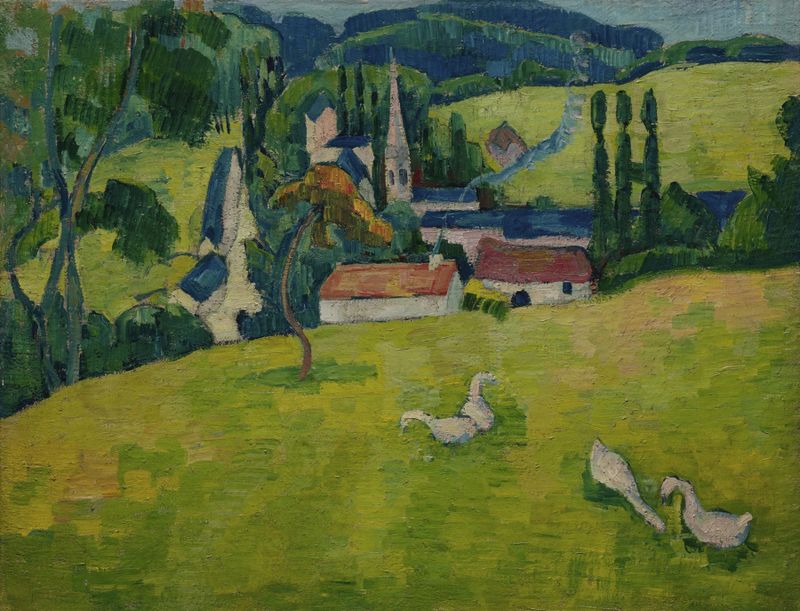
Pont-Aven, Le Pouldu
Paul Sérusier

Farmhouse at Le Pouldu
Paul Sérusier
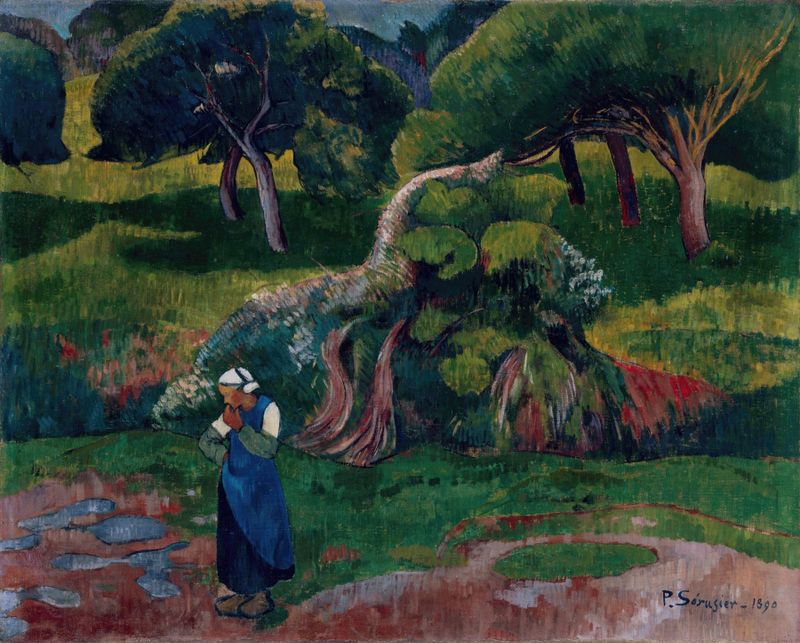
Landscape at Le Pouldu
Paul Sérusier
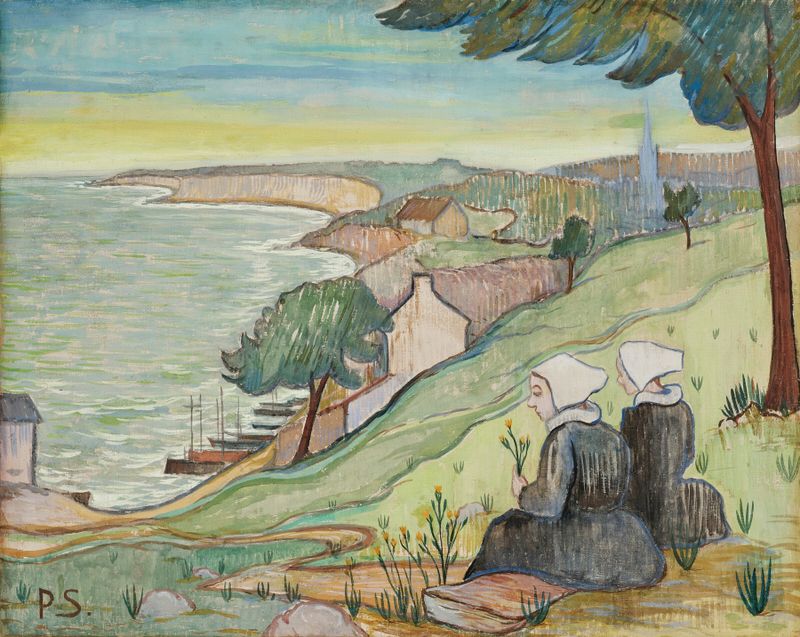
Bretonnes au Pouldu
Paul Sérusier
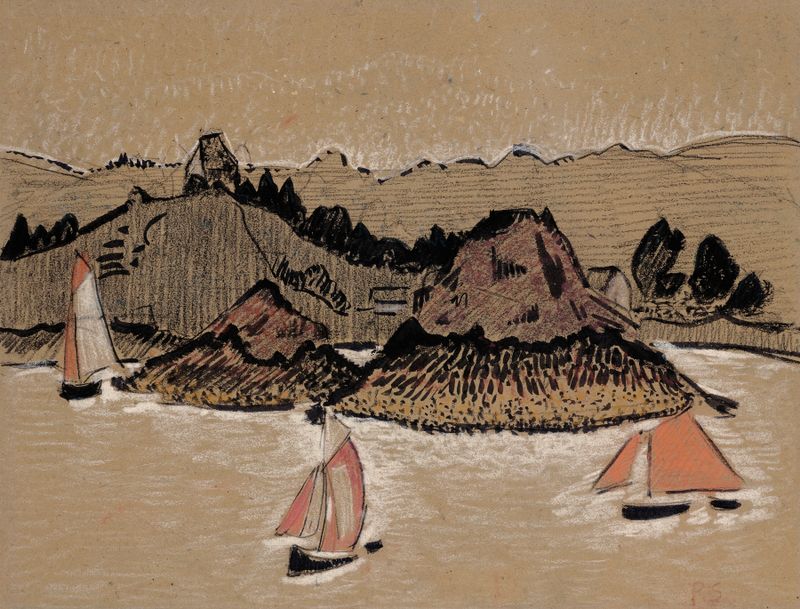
Trois bateaux sur le Trieux
Paul Sérusier
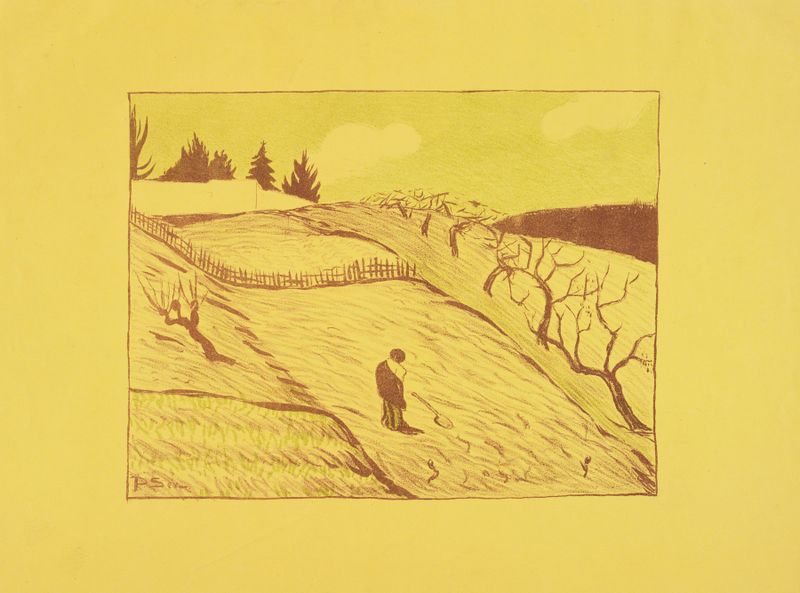
La fin du jour (The End of the Day)
Paul Sérusier
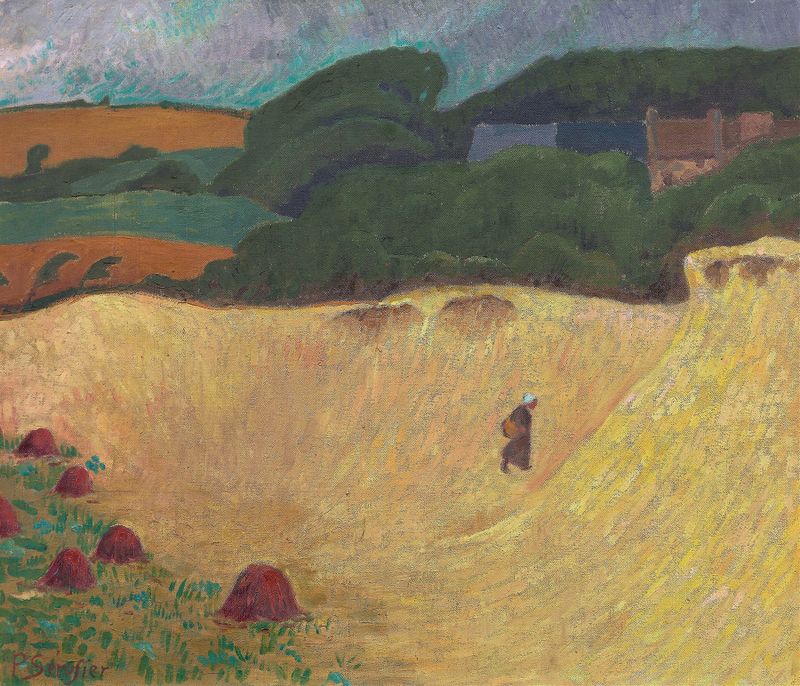
The Beach of Les Grands Sables at Le Pouldu
Paul Sérusier

The Harvest of Buckwheat
Paul Sérusier
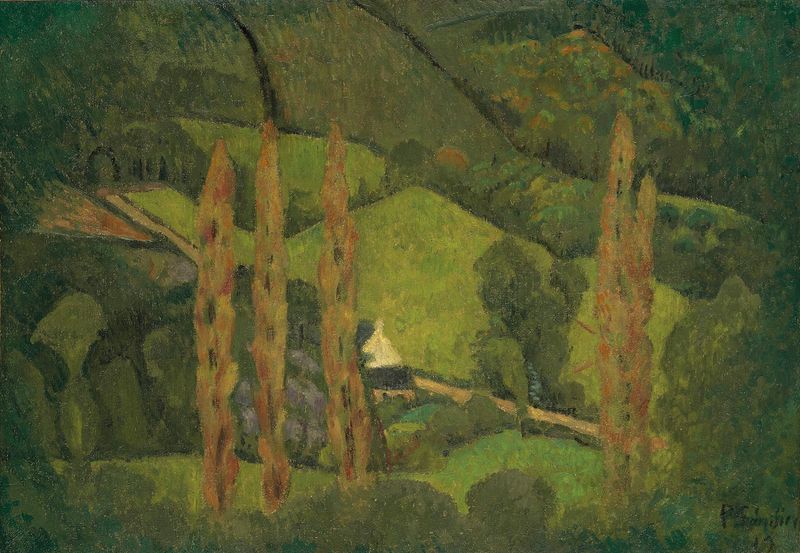
Paysage vert, Vallée de Châteauneuf
Paul Sérusier





