
The Beguine Bridge in Bruges — History & Facts
Who listens when art speaks of silence? In a world where noise reigns, the delicate whispers of a single moment can capture the essence of fragility. Focus on the bridge that arches gracefully across the canvas, its structure both solid and ephemeral. The muted palette of soft blues and grays creates an atmosphere of calm, inviting the viewer to explore the intricate details of the stonework. Notice how the light softly dapples the water below, mirroring the sky’s gentle hues, as if the scene itself is breathing in unison with nature.
Each brushstroke seems to convey a story, an invitation to linger, to feel the passage of time. Yet beneath this serene façade lies a palpable tension. The quietude of the bridge contrasts with the flowing water, symbolizing the relentless march of life. The trees lining the banks stand sentinel, their shadows hinting at the hidden narratives of those who have traversed this path.
Here, the bridge stands not only as a means of connection but also as a reminder of the delicate balance between stability and transience, reflecting our own fragile existence. In 1901, while creating this piece, the artist found himself amidst a rapidly changing art world, embracing Impressionism and exploring new techniques in printmaking. Living in France and drawing inspiration from his travels, he sought to capture the intimate beauty of everyday scenes, conveying both their physical presence and the deeper emotions they evoke. The work reflects a moment of clarity in Lepère's career, as he endeavored to convey the essence of life through the quiet allure of architecture and nature.
More Artworks by Auguste Louis Lepère
Browse all →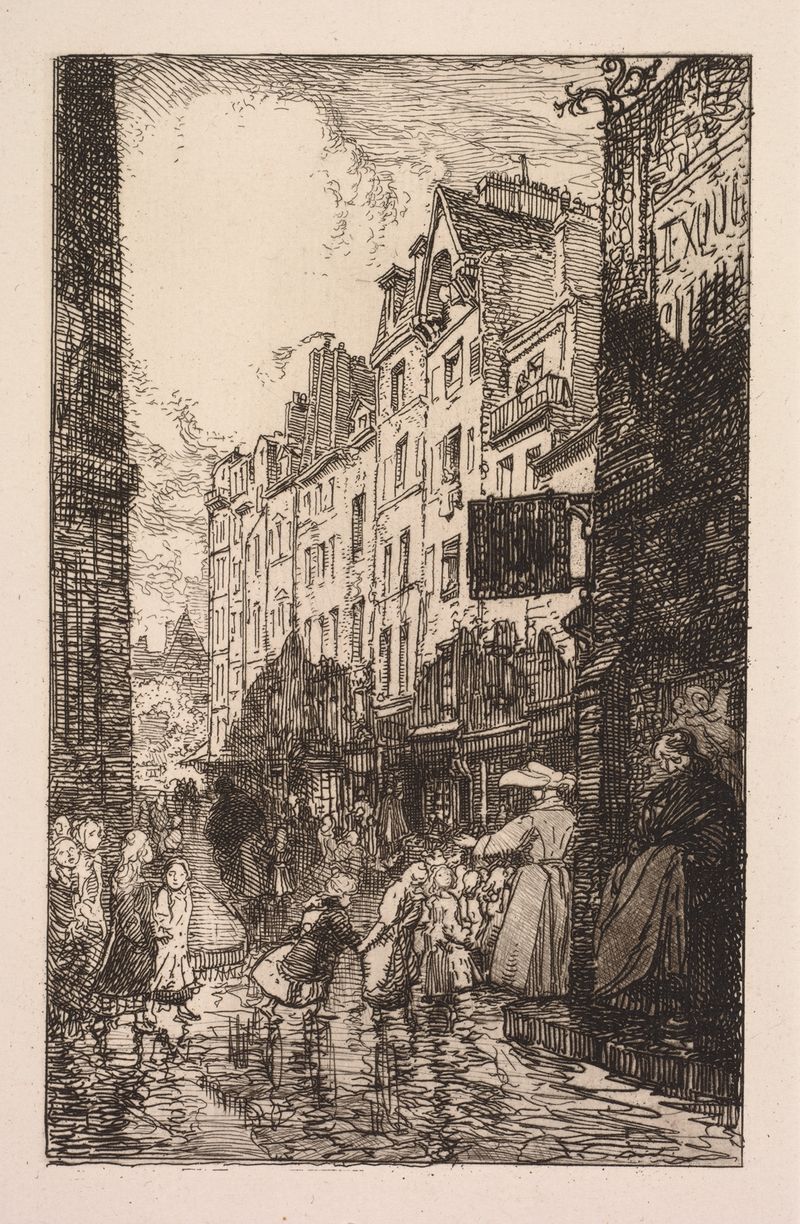
La Rue des Prêtres Saint-Séverin
Auguste Louis Lepère
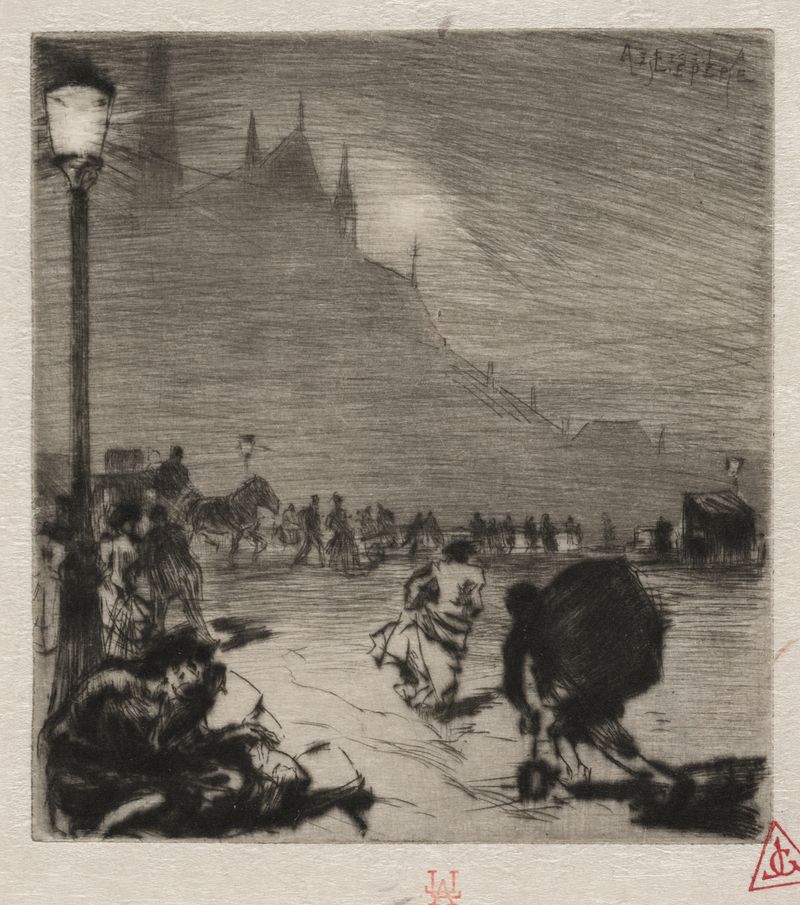
Au Coin du Pont-aux-Doubles
Auguste Louis Lepère
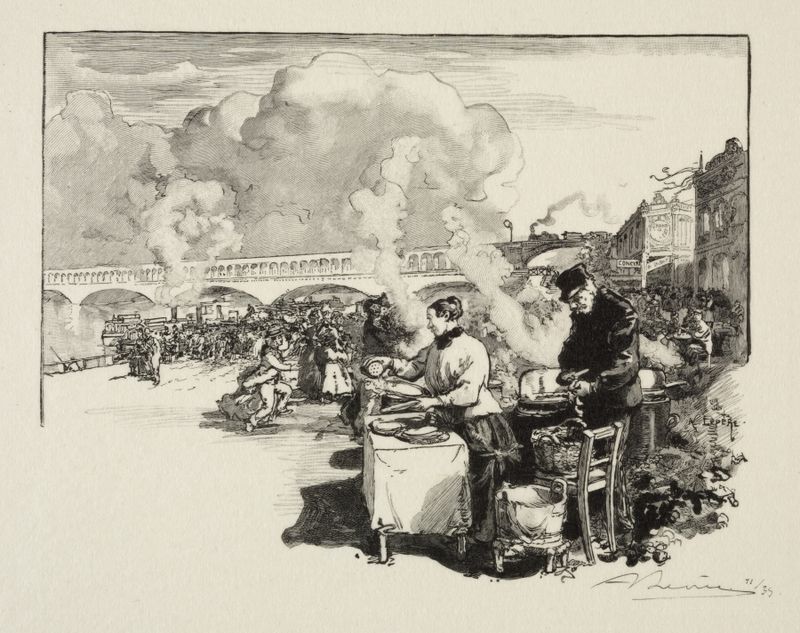
Debarcadère des bateaux-omnibus
Auguste Louis Lepère

La Seine, au quai de la Rapée
Auguste Louis Lepère
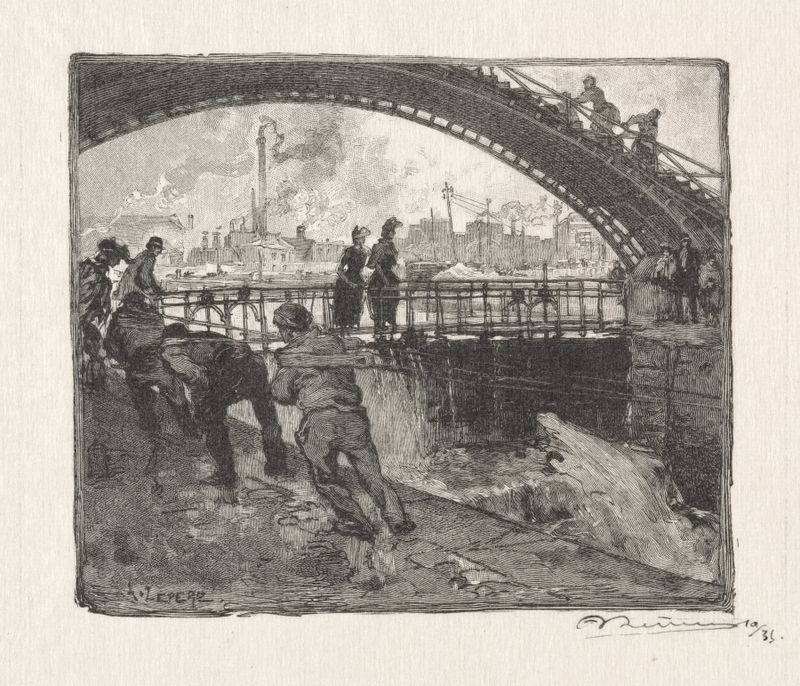
L’Ecluse du Canal St. Martin
Auguste Louis Lepère

Le Boulevard Montmartre, le Soir
Auguste Louis Lepère

Une Chasse au Mont Gérard
Auguste Louis Lepère
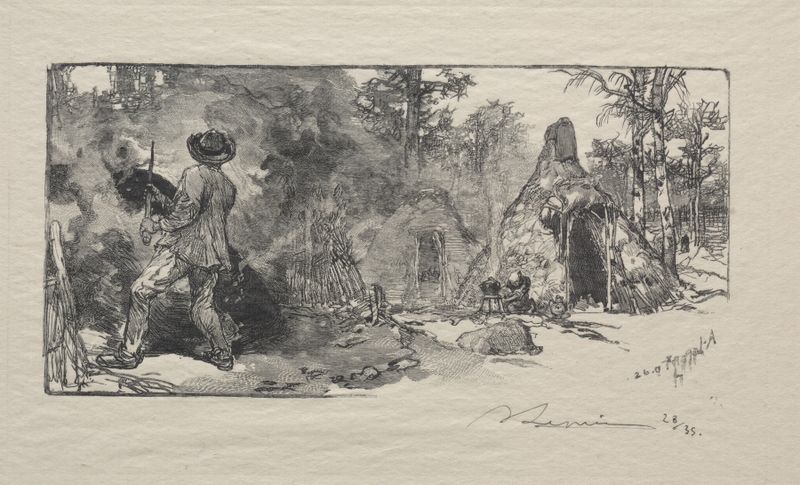
Les Charbonniere
Auguste Louis Lepère
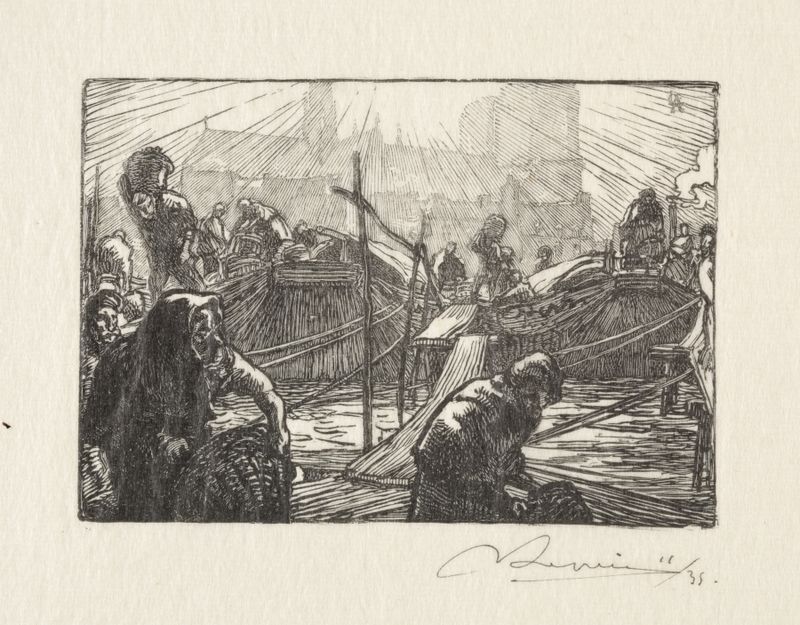
Notre Dame vue du Marché aux pommes
Auguste Louis Lepère

Le Palais des Arts Liberaux, Intèrieur
Auguste Louis Lepère
More Architecture Art
Browse all →
The statue of Liberty
Frédéric Auguste Bartholdi

View of Houses in Delft, Known as ‘The Little Street’
Johannes Vermeer

View of Houses in Delft, Known as ‘The Little Street’
Johannes Vermeer

The Cathedral in Rouen. The portal, Grey Weather
Claude Monet

The yellow house
Vincent van Gogh

The Church in Auvers-sur-Oise, View from the Chevet
Vincent van Gogh