
The Béguinage Bridge in Bruges (La Pont du Beguinage à Bruges) — History & Facts
When did color learn to lie? In The Béguinage Bridge in Bruges, a quiet yearning breathes through the soft hues, whispering secrets of time and memory. The artist invites us to ponder the intersection of light and longing, where the ordinary world transforms into something ethereal, suggesting that beauty holds deeper meanings than mere appearance. Look to the foreground, where the bridge elegantly arches over the gentle waters, its reflection dissolving into ripples that dance across the surface. The palette is a delicate balance of muted blues and earthy browns, infused with touches of warmth that illuminate the scene.
Notice how the dappled light filters through the trees, casting soft shadows that invite the viewer to linger and contemplate, as if time has slowed around this moment. Emotional tensions emerge when we consider the juxtaposition of the sturdy bridge against the ephemeral reflections in the water, symbolizing the delicate balance between permanence and transience. The serene setting evokes a sense of nostalgia, while the gentle curves of the bridge suggest a passage not just for travelers but for the heart, bridging connections between the past and present. The subtle interplay of light and shadow adds layers of meaning, reflecting the complexities of human experience. Auguste Louis Lepère painted this scene in 1901, during a period of artistic exploration in which Impressionism was evolving into various modern styles.
Living in Paris, Lepère was deeply inspired by his travels, including his time in Bruges, where he sought to capture the essence of place and emotion. This work reflects his mastery of printmaking and his desire to convey the beauty of everyday life, while also hinting at the profound yearnings that lie beneath the surface of our surroundings.
More Artworks by Auguste Louis Lepère
Browse all →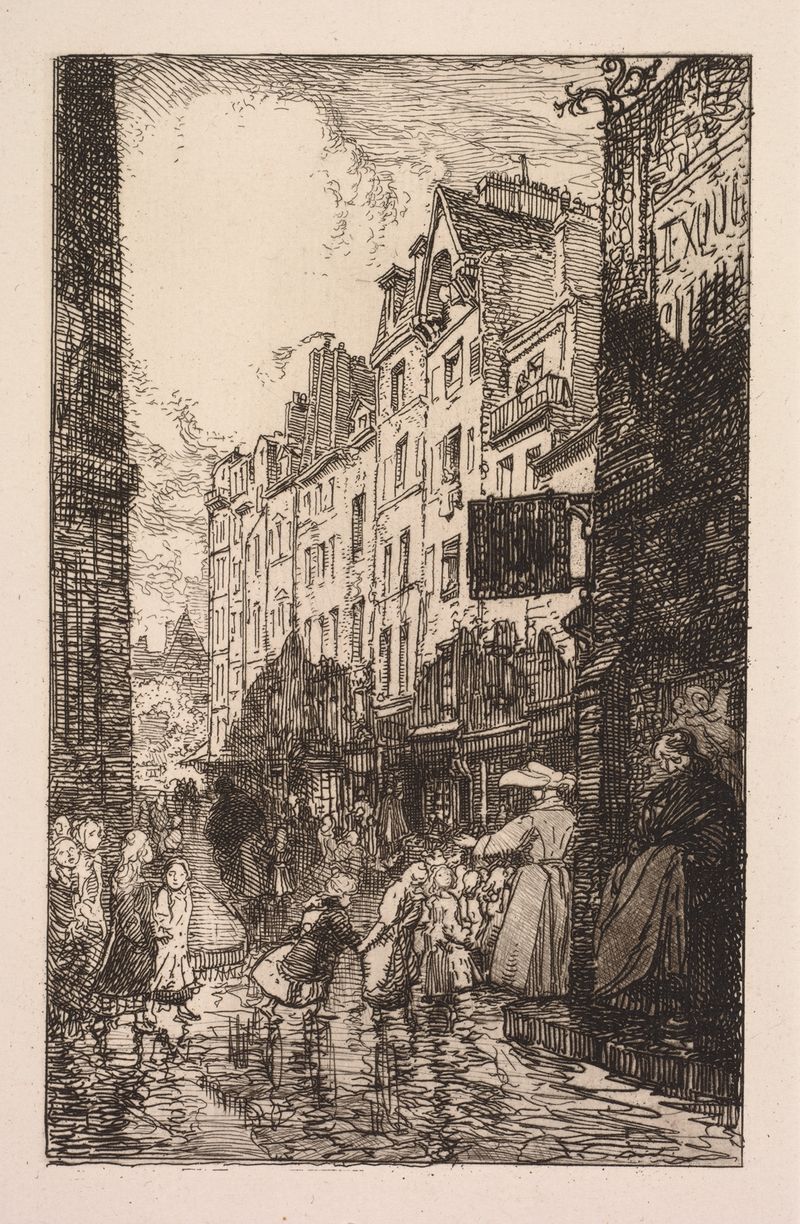
La Rue des Prêtres Saint-Séverin
Auguste Louis Lepère
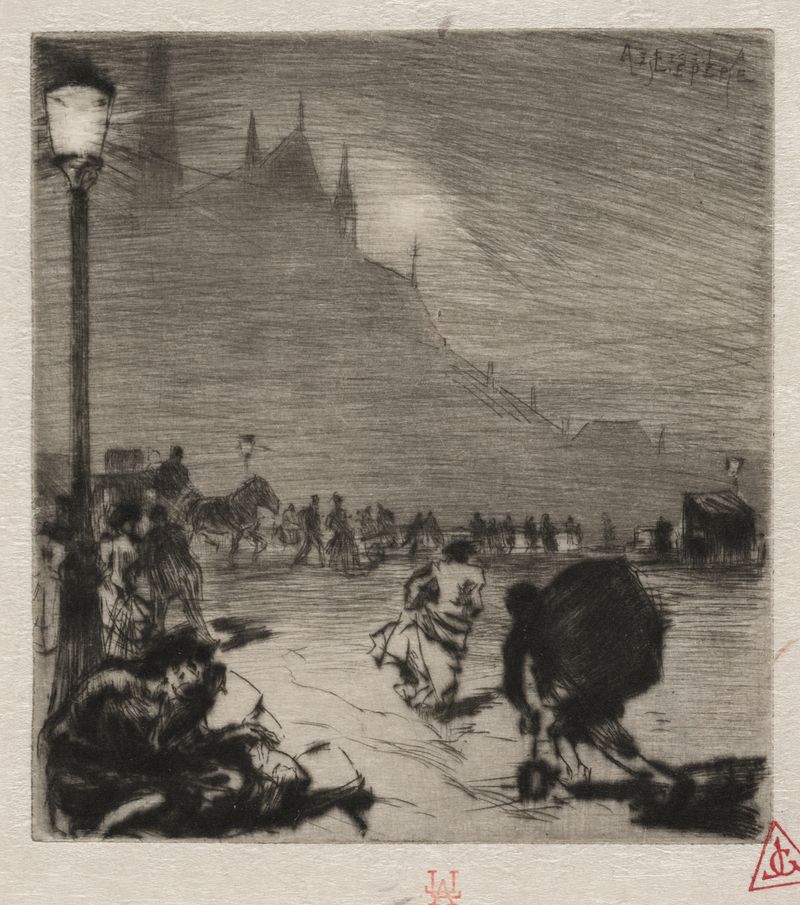
Au Coin du Pont-aux-Doubles
Auguste Louis Lepère
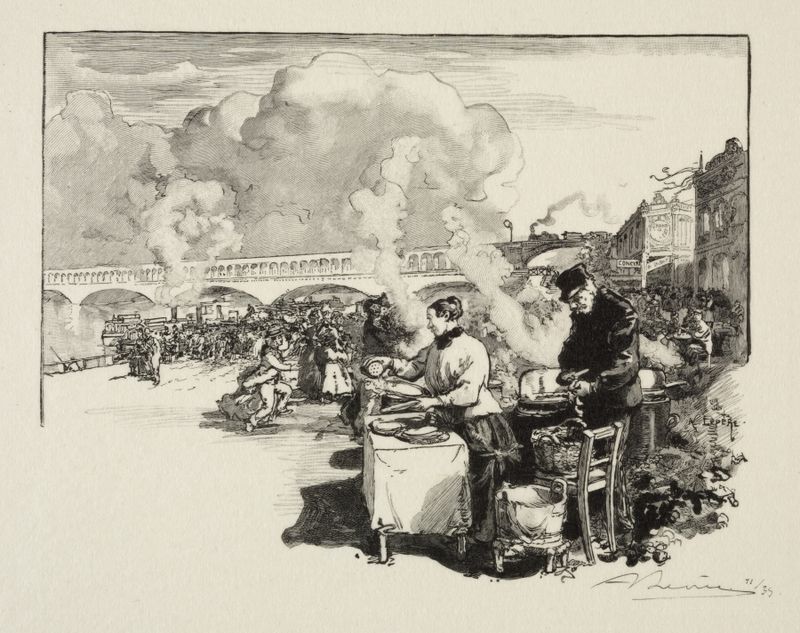
Debarcadère des bateaux-omnibus
Auguste Louis Lepère

La Seine, au quai de la Rapée
Auguste Louis Lepère
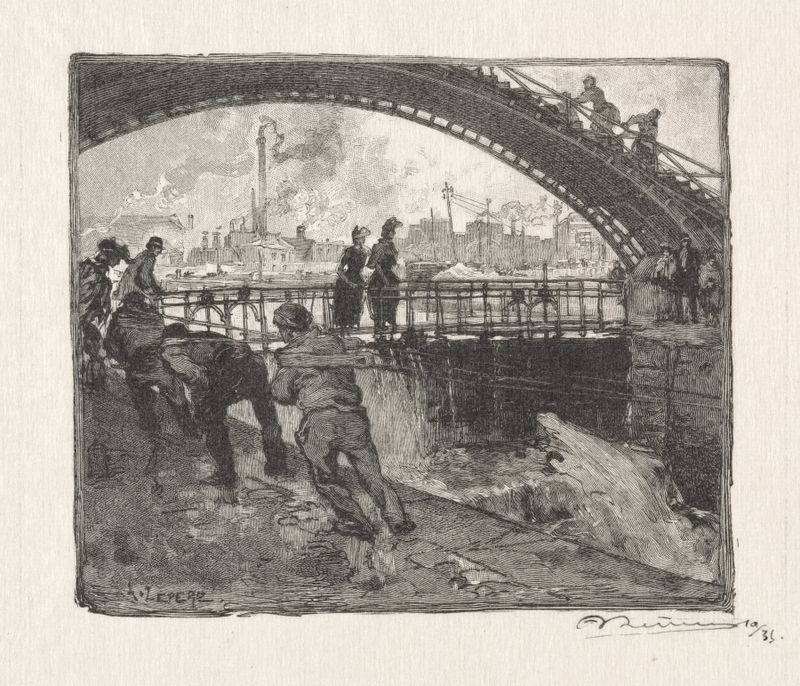
L’Ecluse du Canal St. Martin
Auguste Louis Lepère

Le Boulevard Montmartre, le Soir
Auguste Louis Lepère

Une Chasse au Mont Gérard
Auguste Louis Lepère
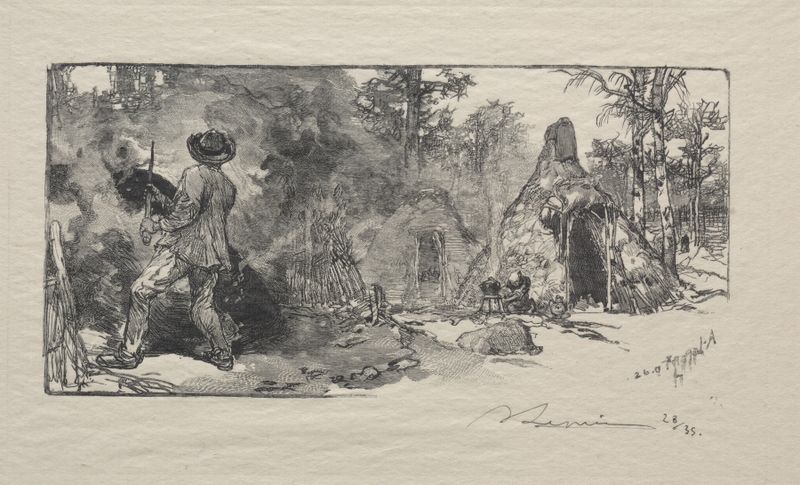
Les Charbonniere
Auguste Louis Lepère
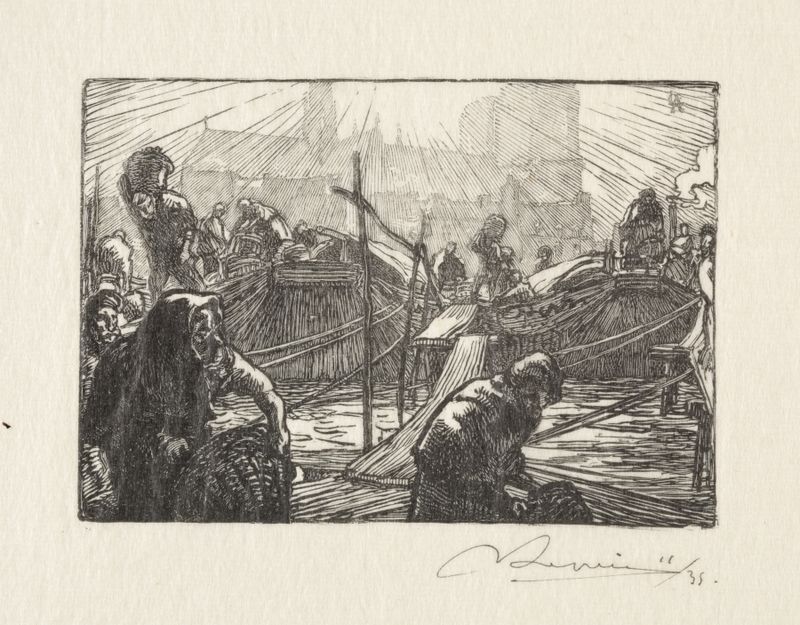
Notre Dame vue du Marché aux pommes
Auguste Louis Lepère

Le Palais des Arts Liberaux, Intèrieur
Auguste Louis Lepère





