
The Blast — History & Facts
What if beauty was never meant to be finished? In that unending pursuit, we find ourselves immersed in the solitude of creation, a poignant reminder of the quiet ache that often accompanies artistry. Look closely at the haunting figure seated in the foreground, partially obscured by the soft, ethereal haze of the landscape. The muted greens and browns of the background evoke a sense of natural calm, contrasted sharply by the figure’s stillness, which seems to resonate with an unspoken longing. Notice how the gentle brushstrokes weave a delicate tapestry of light and shadow, inviting the viewer to linger on the edges of both the subject and the surrounding nature, where every stroke breathes life into the scene. Delve deeper into the expression captured on the figure’s face—there’s an intricate interplay of melancholy and contemplation that stirs the soul.
Corot’s decision to keep the surroundings somewhat undefined serves as a metaphor for isolation, suggesting that beauty is often intertwined with loneliness. The enclosing landscape, while tranquil, feels almost suffocating, cradling the figure in a world that is at once nurturing yet profoundly solitary. This work emerged during a pivotal period for the artist, likely painted around the mid-19th century when Corot was deeply engaged with the transition from the classical into the more modern realms of Impressionism. Living in the midst of a flourishing artistic movement in France, he was exploring the nuances of light and atmosphere, effectively bridging the gap between traditional landscape painting and the emerging avant-garde.
In this space, he created a intimate dialogue between the individual and their environment, emphasizing the solitude that can exist even in moments of breathtaking beauty.
More Artworks by Jean-Baptiste-Camille Corot
Browse all →
View of Genoa
Jean-Baptiste-Camille Corot
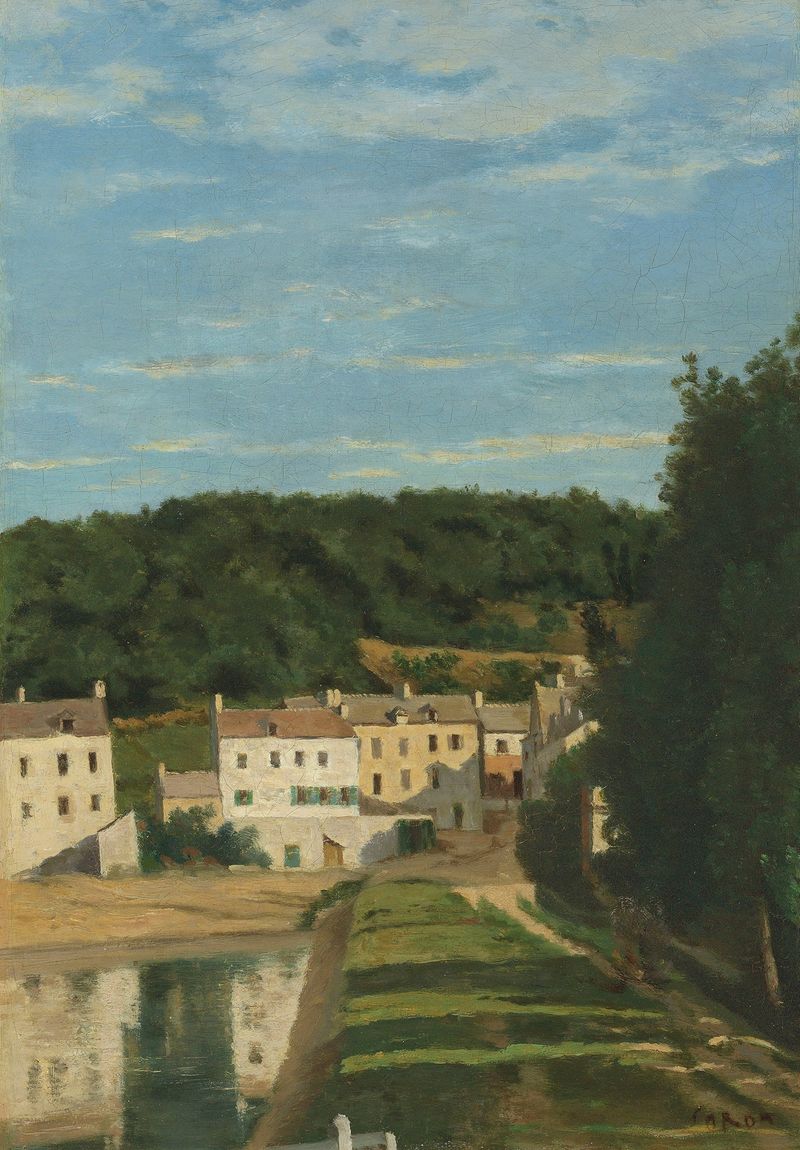
Les Maisons Cabassud À Ville D’avray
Jean-Baptiste-Camille Corot

La solitude. Souvenir de Vigen (Limousin)
Jean-Baptiste-Camille Corot
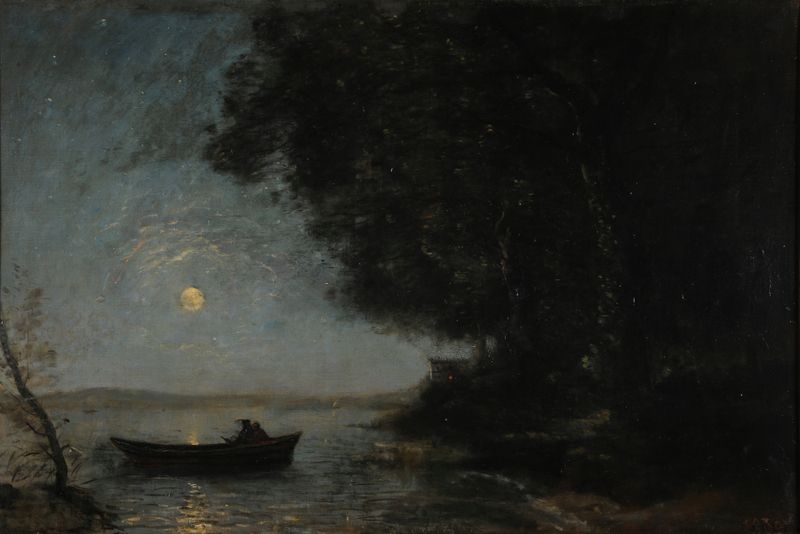
Le lac ; effet de nuit
Jean-Baptiste-Camille Corot
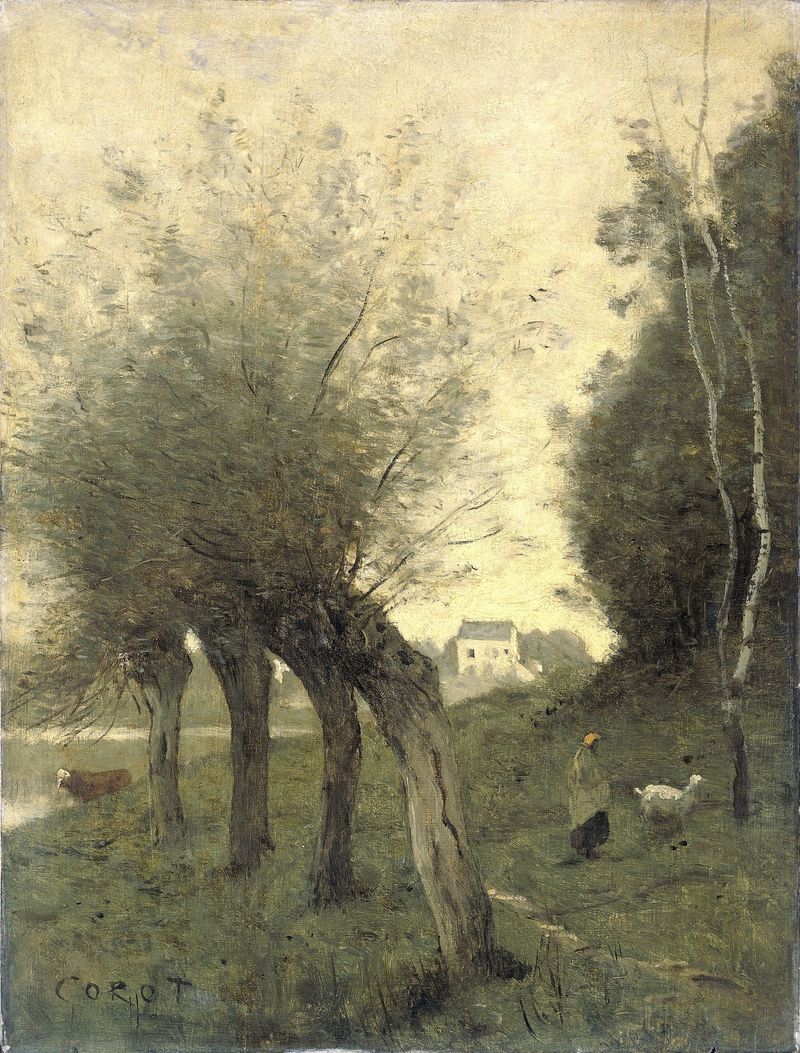
Landscape with Pollard Willows
Jean-Baptiste-Camille Corot
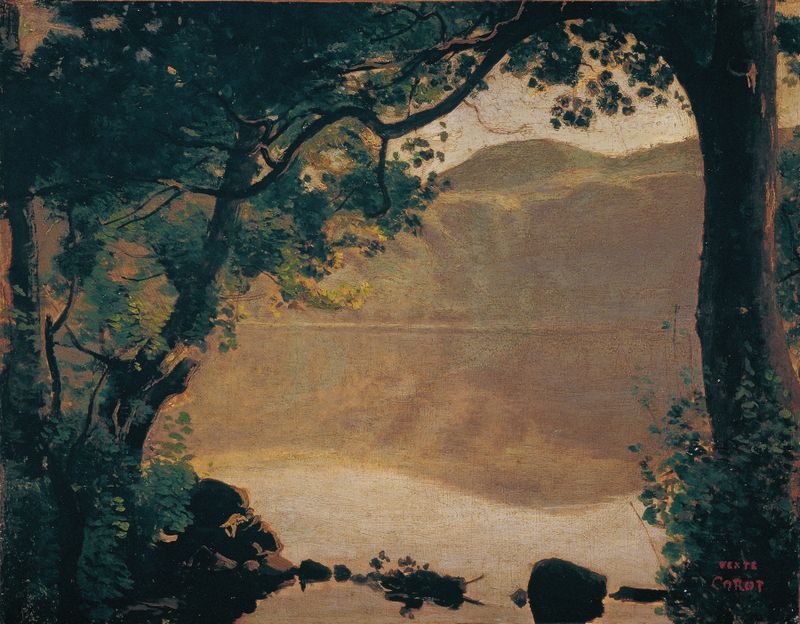
Der Nemisee
Jean-Baptiste-Camille Corot
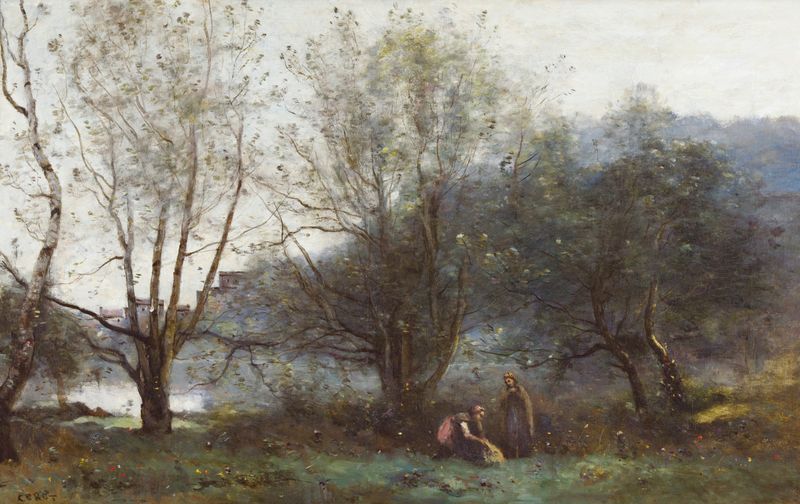
Les Étangs De Ville D’avray
Jean-Baptiste-Camille Corot
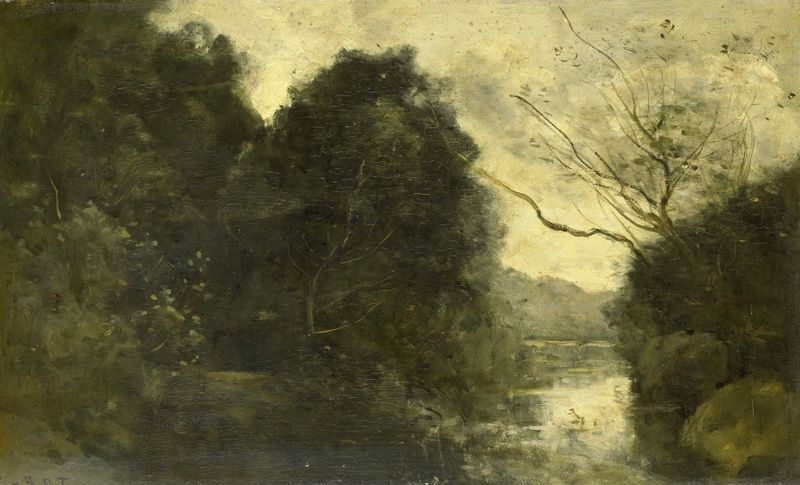
Pond in the Woods
Jean-Baptiste-Camille Corot
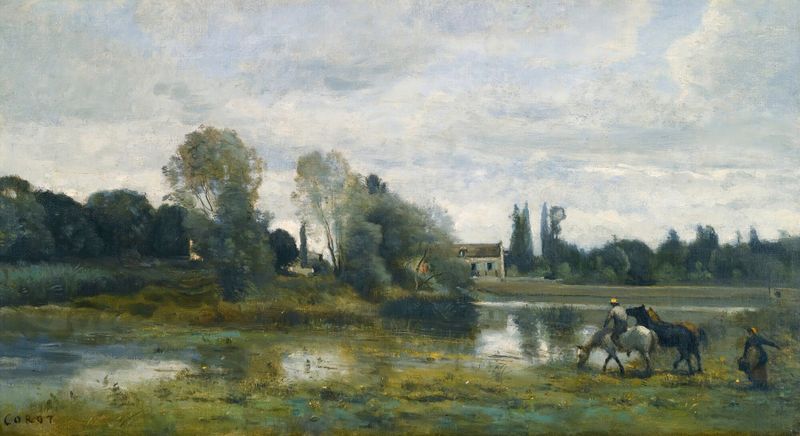
Ville D’avray; L’abreuvoir Des Chevaux
Jean-Baptiste-Camille Corot
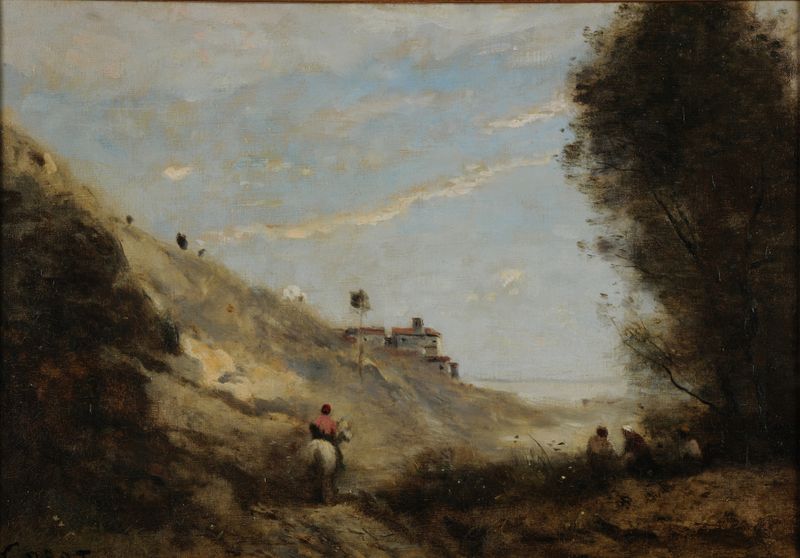
Le vallon au cavalier
Jean-Baptiste-Camille Corot





