
The Bridge — History & Facts
What if beauty was never meant to be finished? In the shadows of an unfinished world, loneliness emerges, echoing across a tranquil yet desolate landscape. Focus first on the elegant arch of the bridge, its graceful lines leading the eye into a realm where structure meets nature. Surrounding it, the muted tones of green and gray suggest a quiet melancholy, while patches of sunlight dare to illuminate the water’s surface, creating a stark contrast with the somber sky above. Notice how the bridge, though sturdy in form, seems to harbor a sense of isolation, as if inviting no one to cross its span.
This deliberate juxtaposition of man-made beauty against the untamed backdrop evokes a deep sense of longing. Delve deeper into the details—a solitary figure stands at the edge of the water, a mere silhouette against the vastness of the scene. This figure embodies the emotional tension of solitude, a reminder of human presence amidst nature's indifference. The painting's soft brushwork and muted palette enhance the feeling of loneliness, where beauty seems ephemeral, forever incomplete, as if the bridge is yearning for footsteps that never come, stretching into the distance without destination. During the period when this work was created, Burney was exploring themes of nature and human interaction with the environment.
Art in his time was undergoing a transition, as Romanticism began to influence perceptions of beauty, valuing emotion over classical ideals. As he painted, he likely grappled with these evolving ideas, translating his reflections on solitude and the unfinished nature of existence into this poignant landscape.
More Artworks by Edward Francis Burney
Browse all →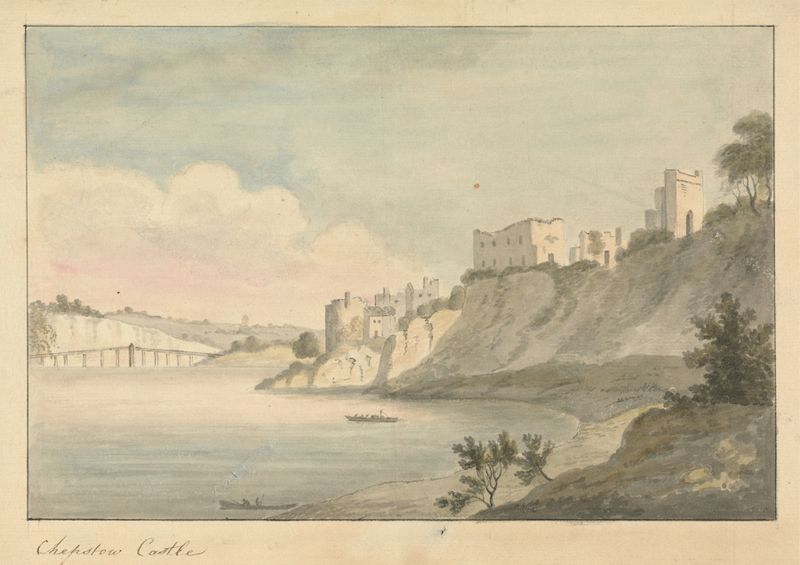
Chepstow Castle
Edward Francis Burney
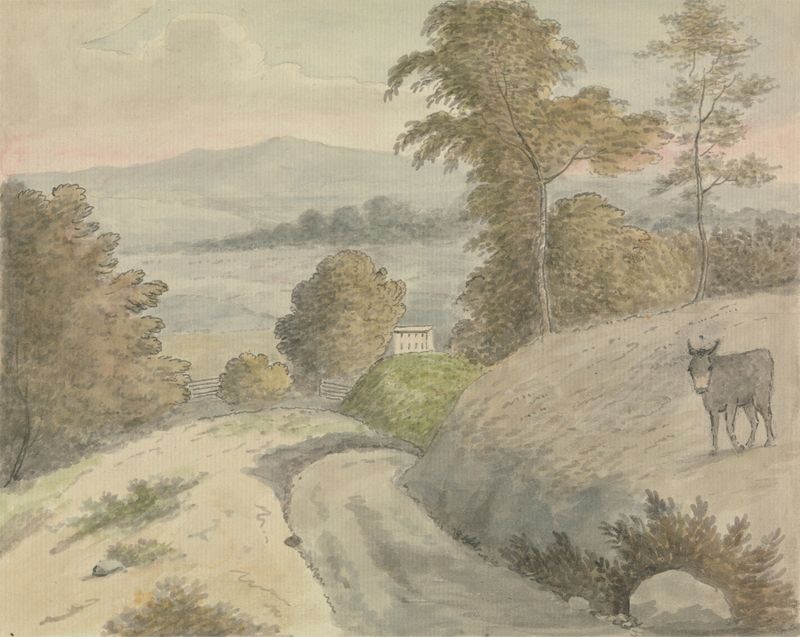
View in Surrey
Edward Francis Burney
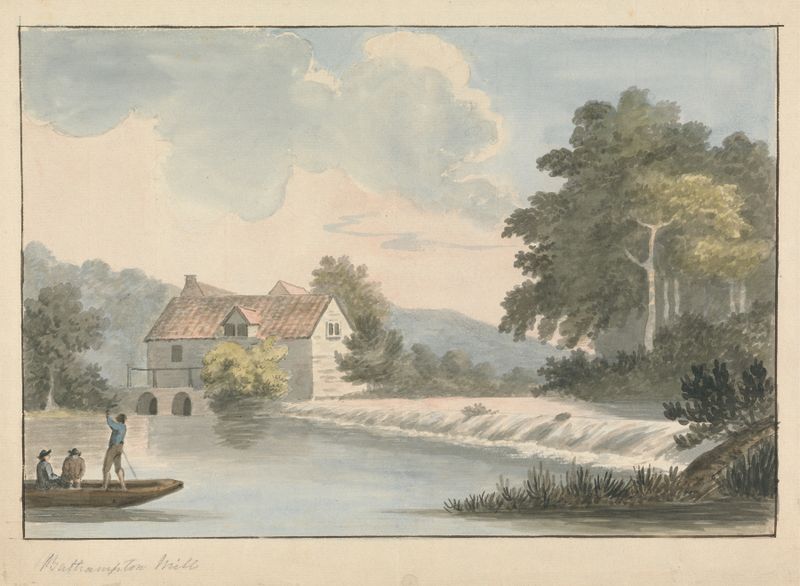
Bathampton Mill
Edward Francis Burney
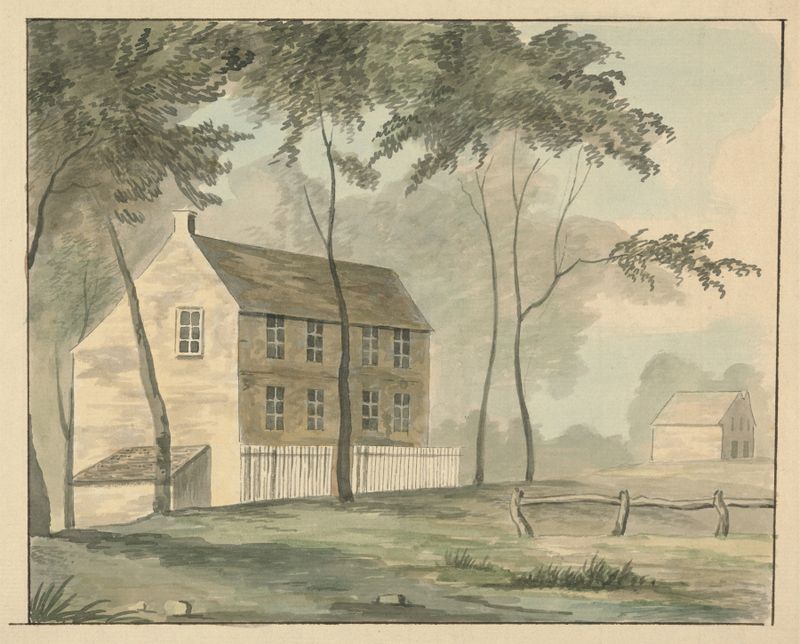
Country House.
Edward Francis Burney
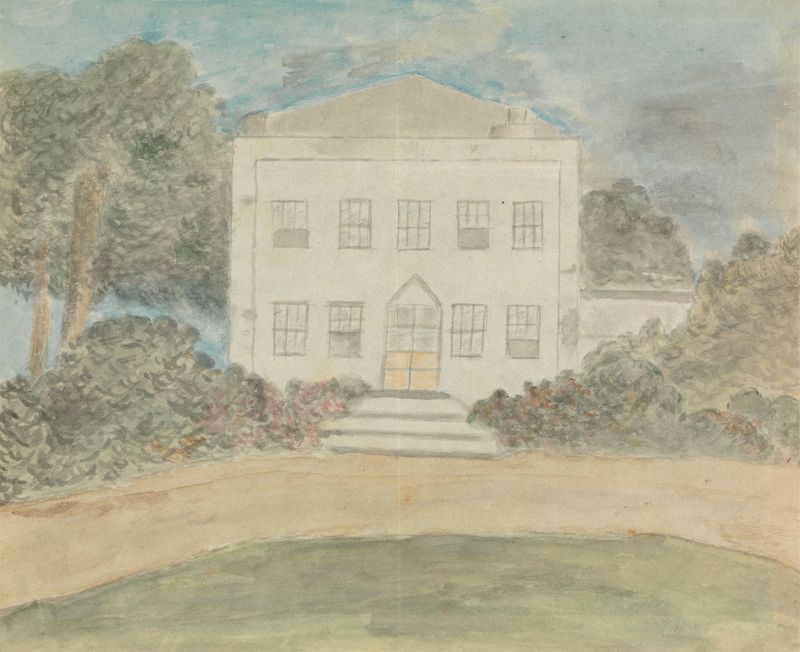
Country House
Edward Francis Burney
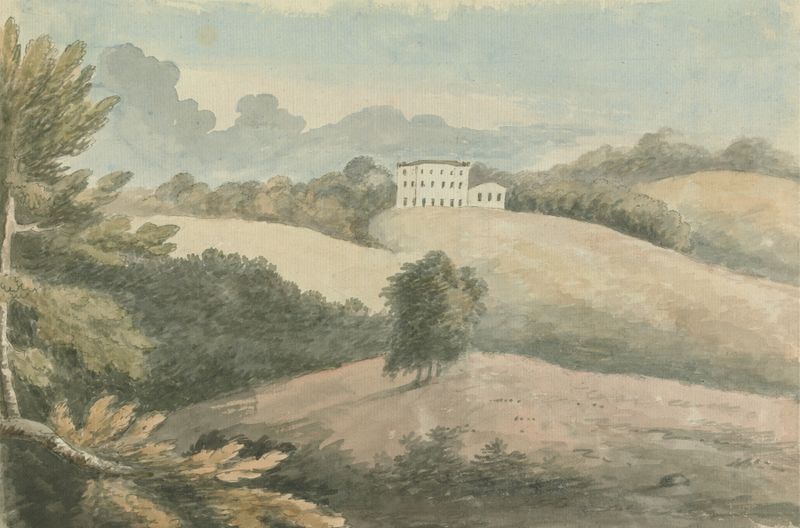
Mowbray Park
Edward Francis Burney
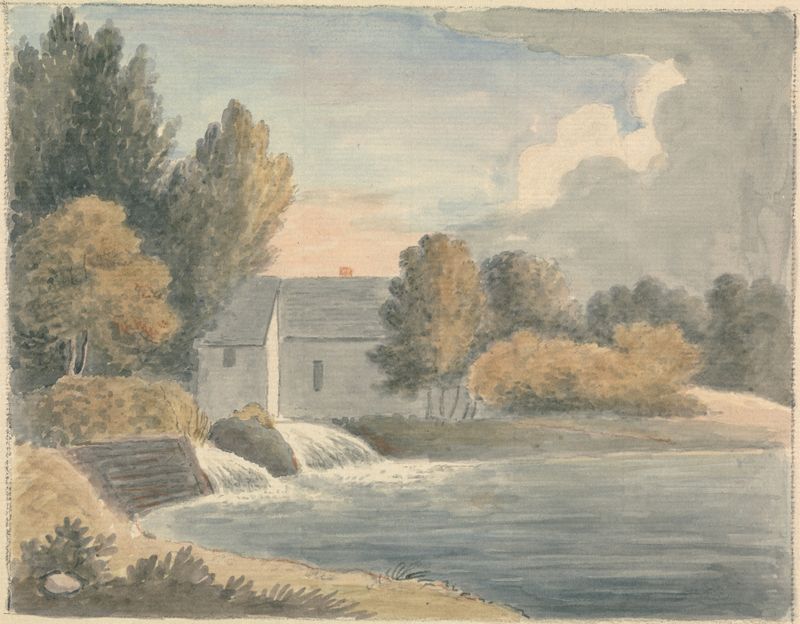
Bathampton Mill.
Edward Francis Burney
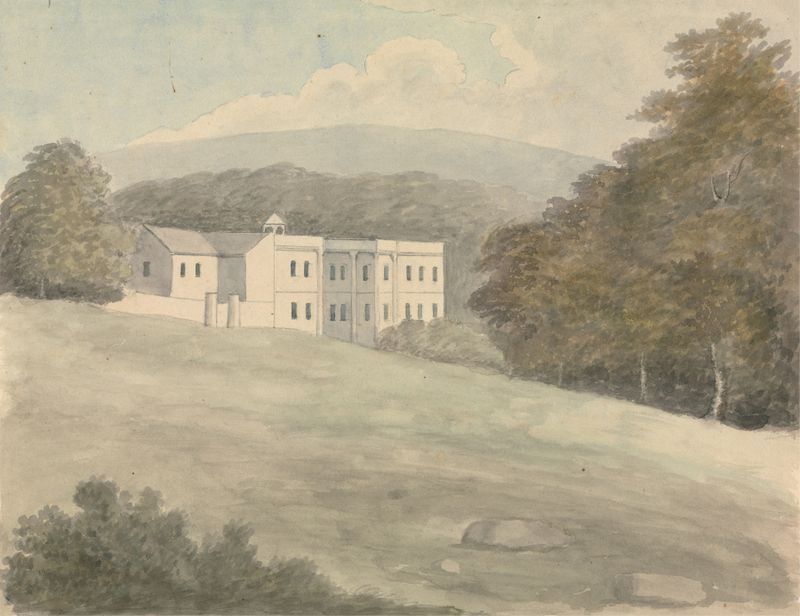
Norbury Park
Edward Francis Burney
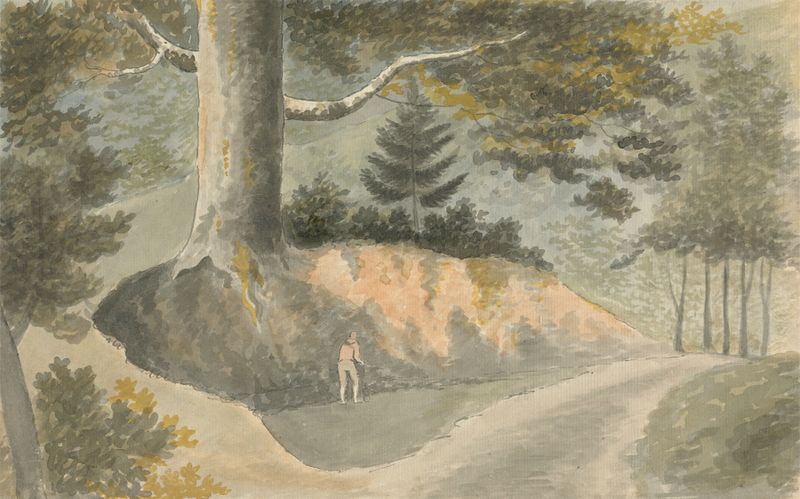
Road in the Forest
Edward Francis Burney
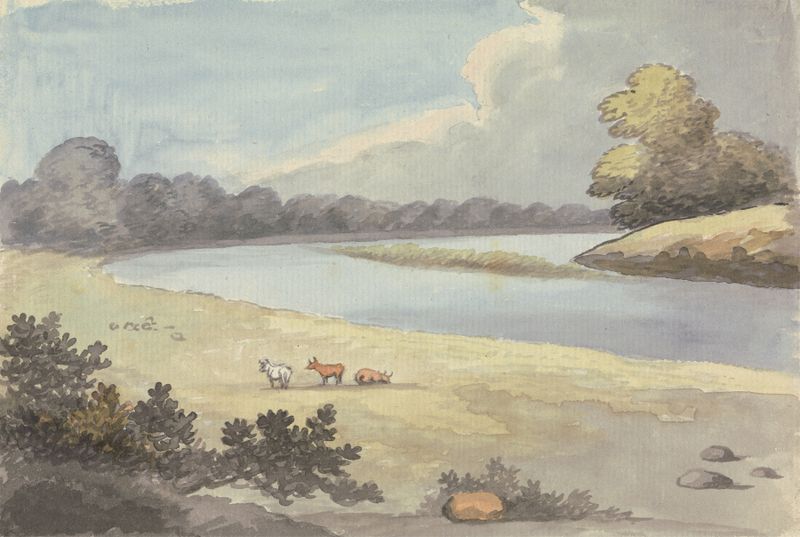
Richmond
Edward Francis Burney





