Discover insights about this artwork
The Bridge at Argenteuil — History & Facts
In The Bridge at Argenteuil, Claude Monet captures a serene landscape filled with vibrant colors. The painting features a bridge arching gracefully over a shimmering river. Surrounding the bridge are lush green trees and a bright blue sky, creating a lively atmosphere.
The brushstrokes are loose and expressive, typical of the Impressionism style. The painting is executed in oil on canvas, showcasing Monet's signature technique of layering colors. The use of light is particularly striking, as it reflects off the water and illuminates the scene. Viewers can observe the dynamic brushwork that gives the painting a sense of movement.
The overall composition draws the eye towards the bridge, inviting exploration of the surrounding landscape. Claude Monet painted The Bridge at Argenteuil around 1874, during a period when he was deeply engaged with the scenery of Argenteuil, a suburb of Paris. This work is significant as it exemplifies Monet's fascination with light and color, which are central themes in his oeuvre. Interestingly, this painting was created during a time when Monet was experimenting with plein air painting, capturing the essence of the moment.
Today, it is housed in the Musee d'Orsay, a fitting location for such a celebrated work.
More Artworks by Claude Monet
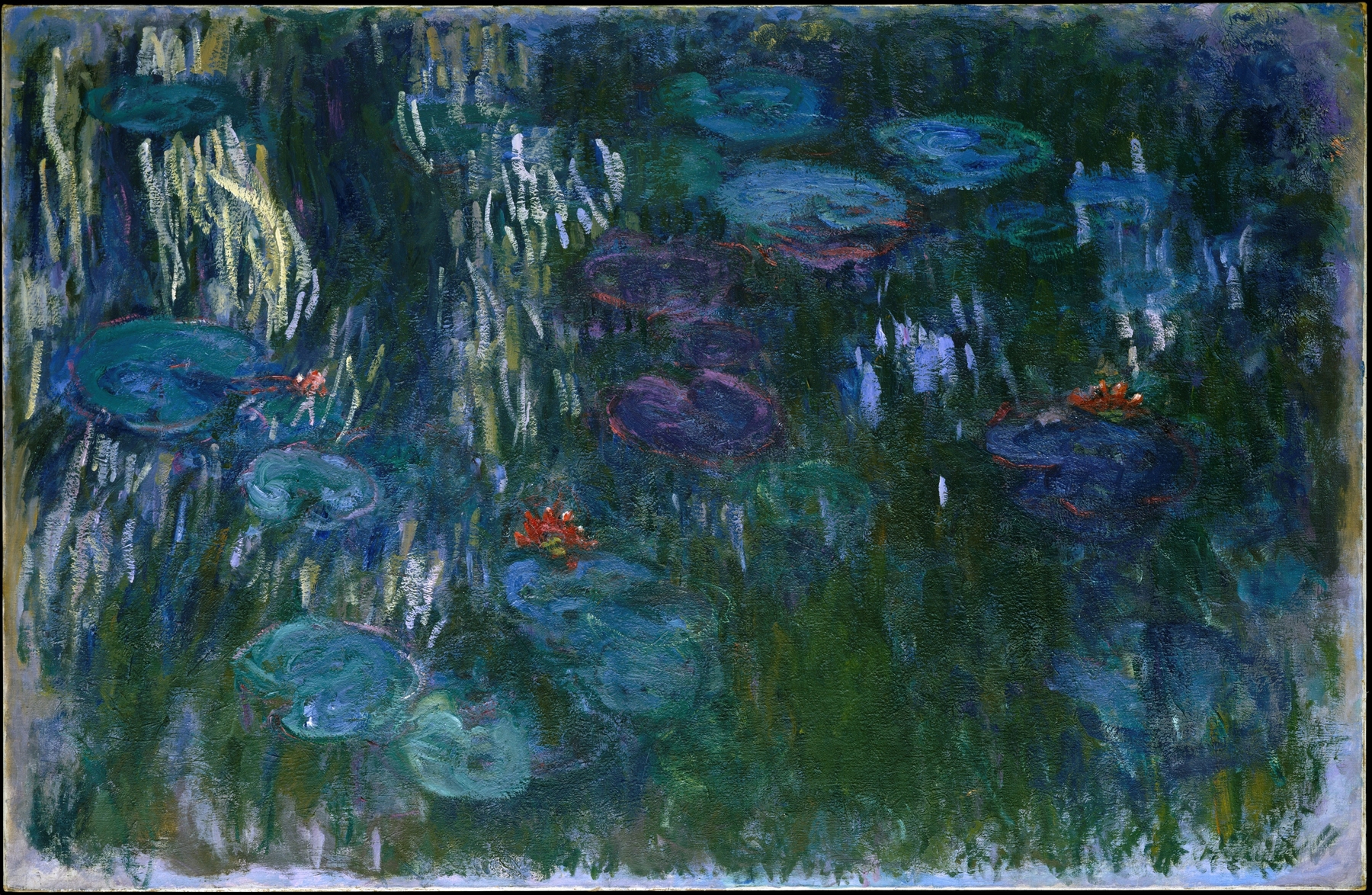
Water Lilies
Claude Monet
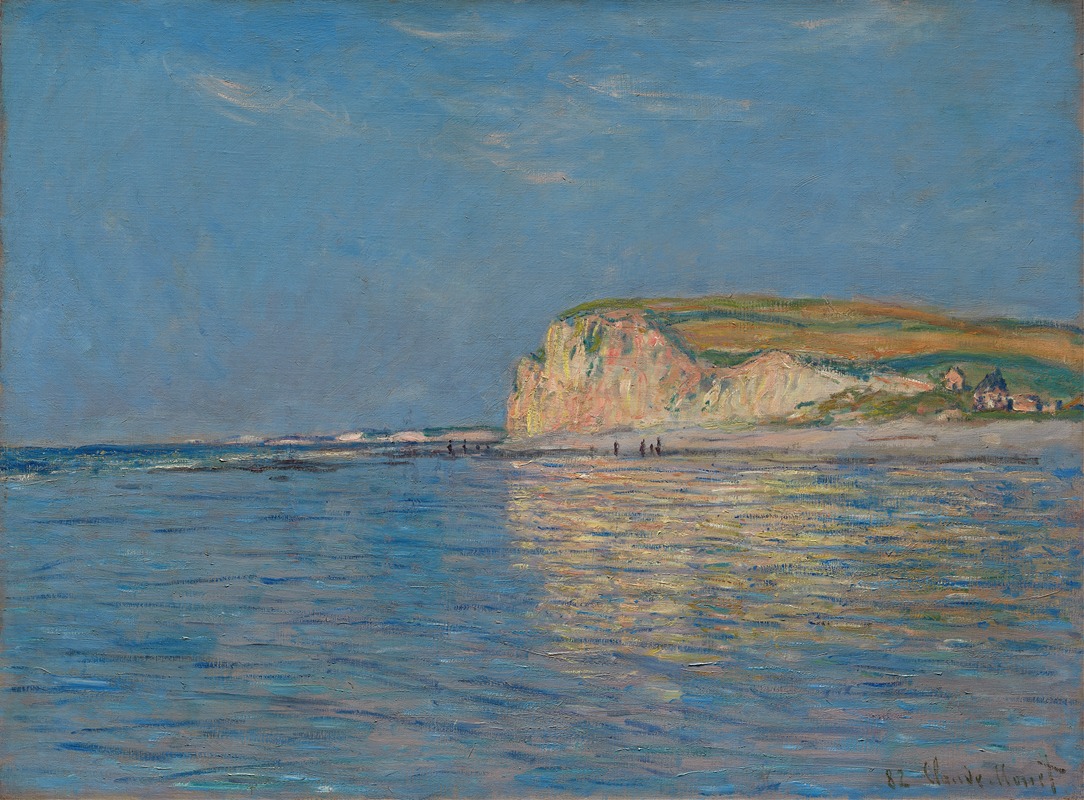
Low Tide at Pourville, near Dieppe
Claude Monet
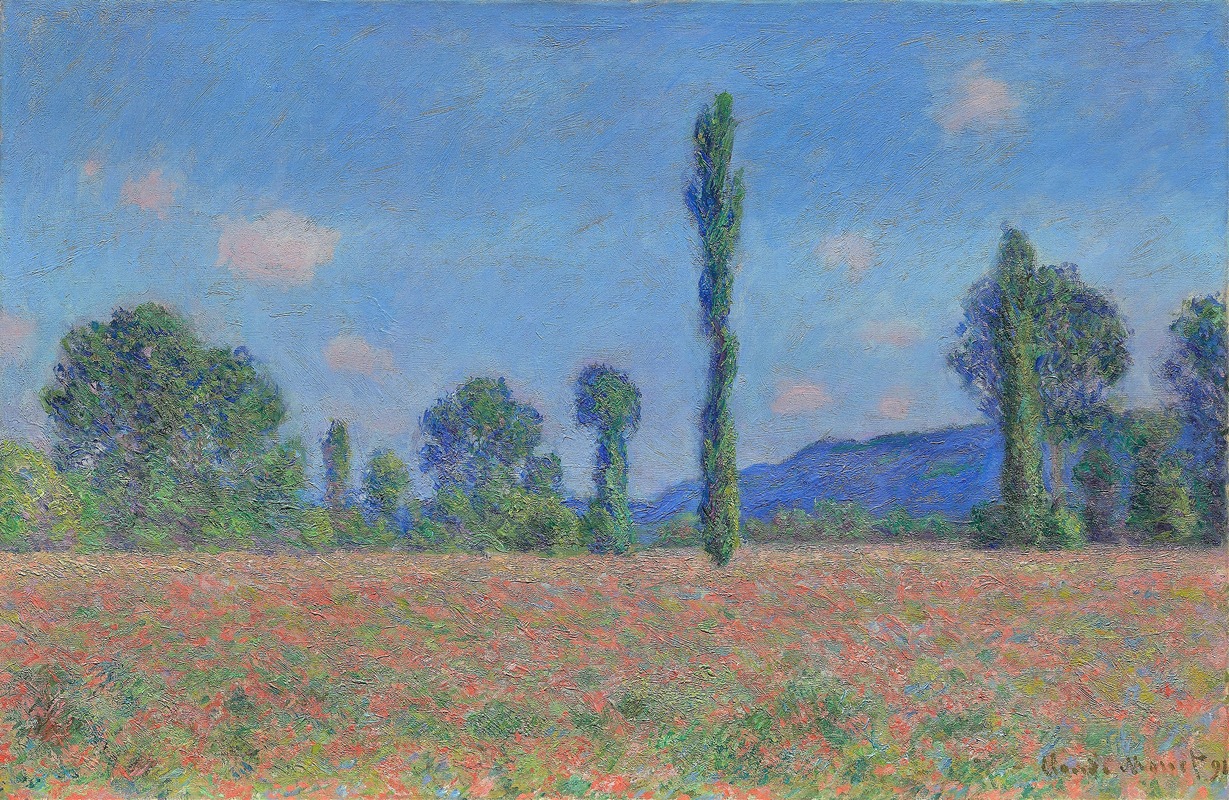
Poppy Field (Giverny)
Claude Monet
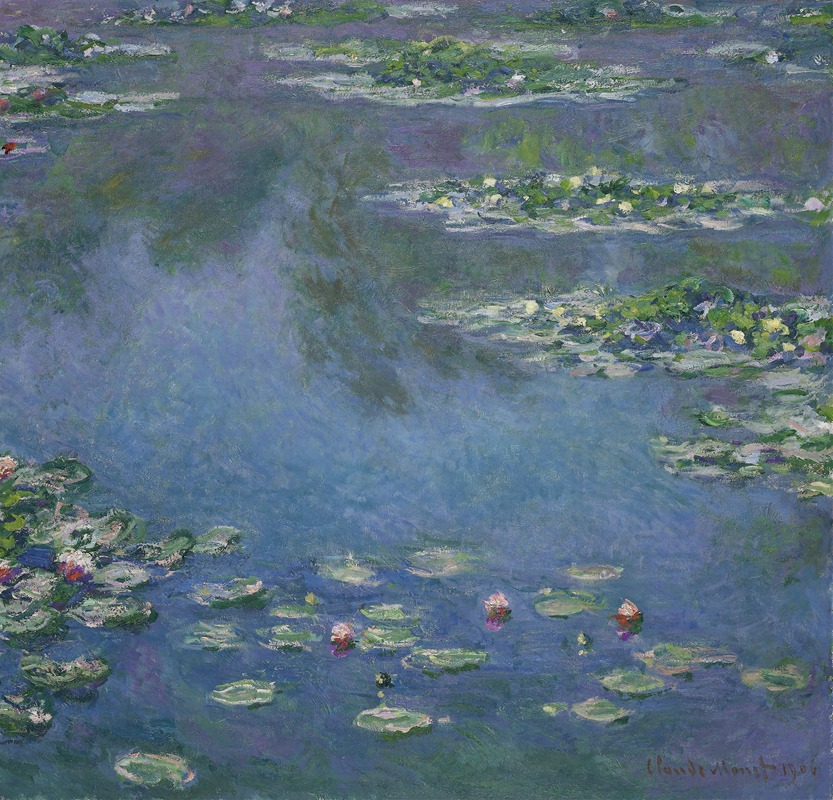
Water Lilies
Claude Monet

Nymphéas
Claude Monet
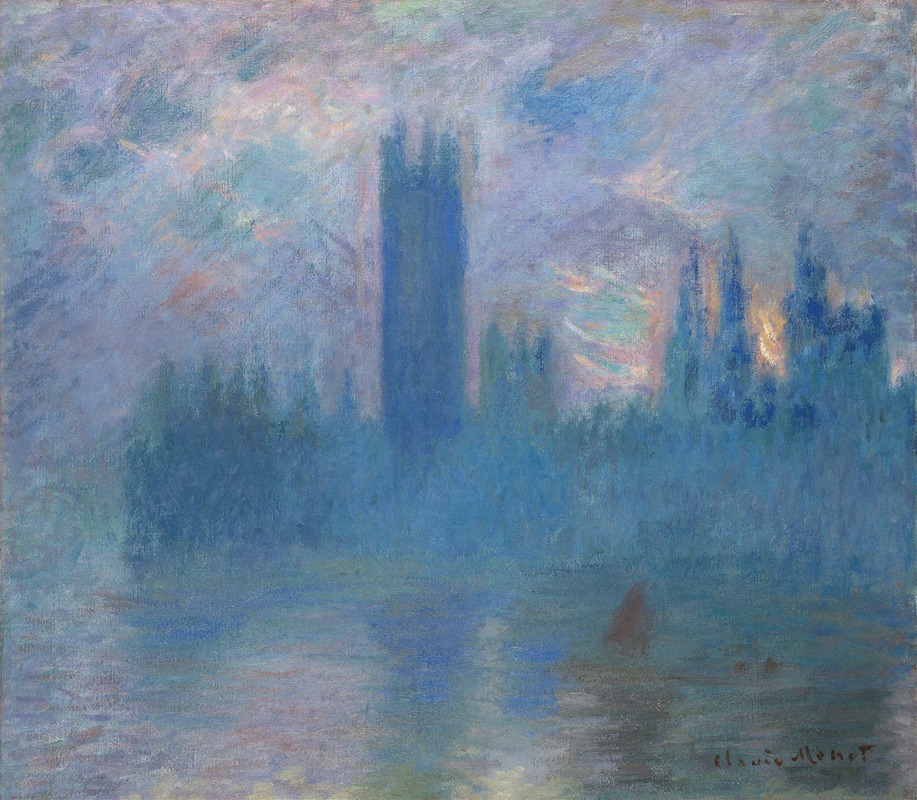
Houses of Parliament, London
Claude Monet
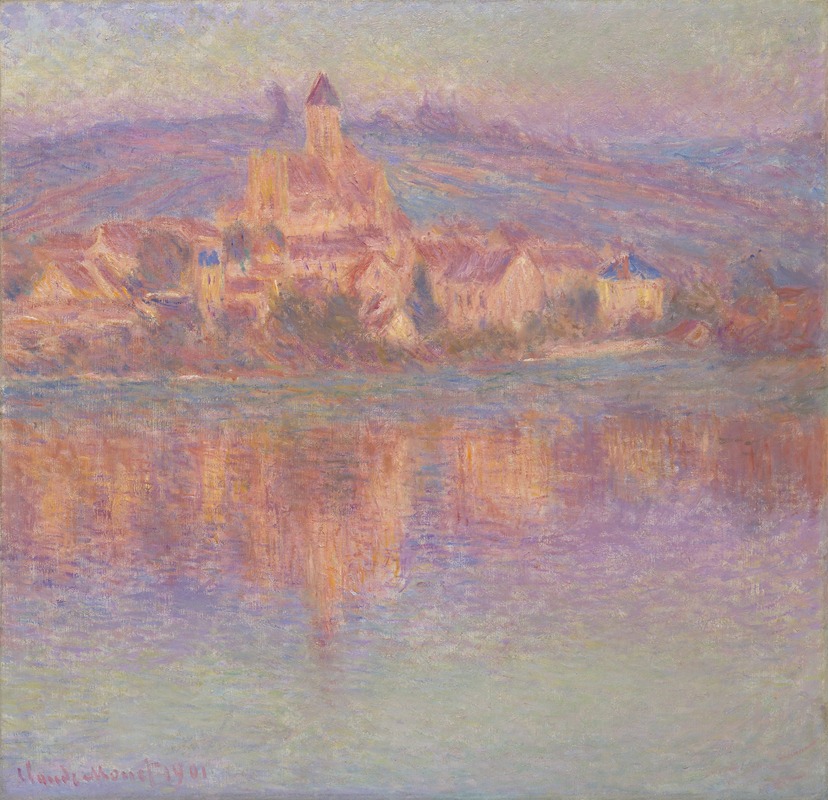
Vétheuil
Claude Monet
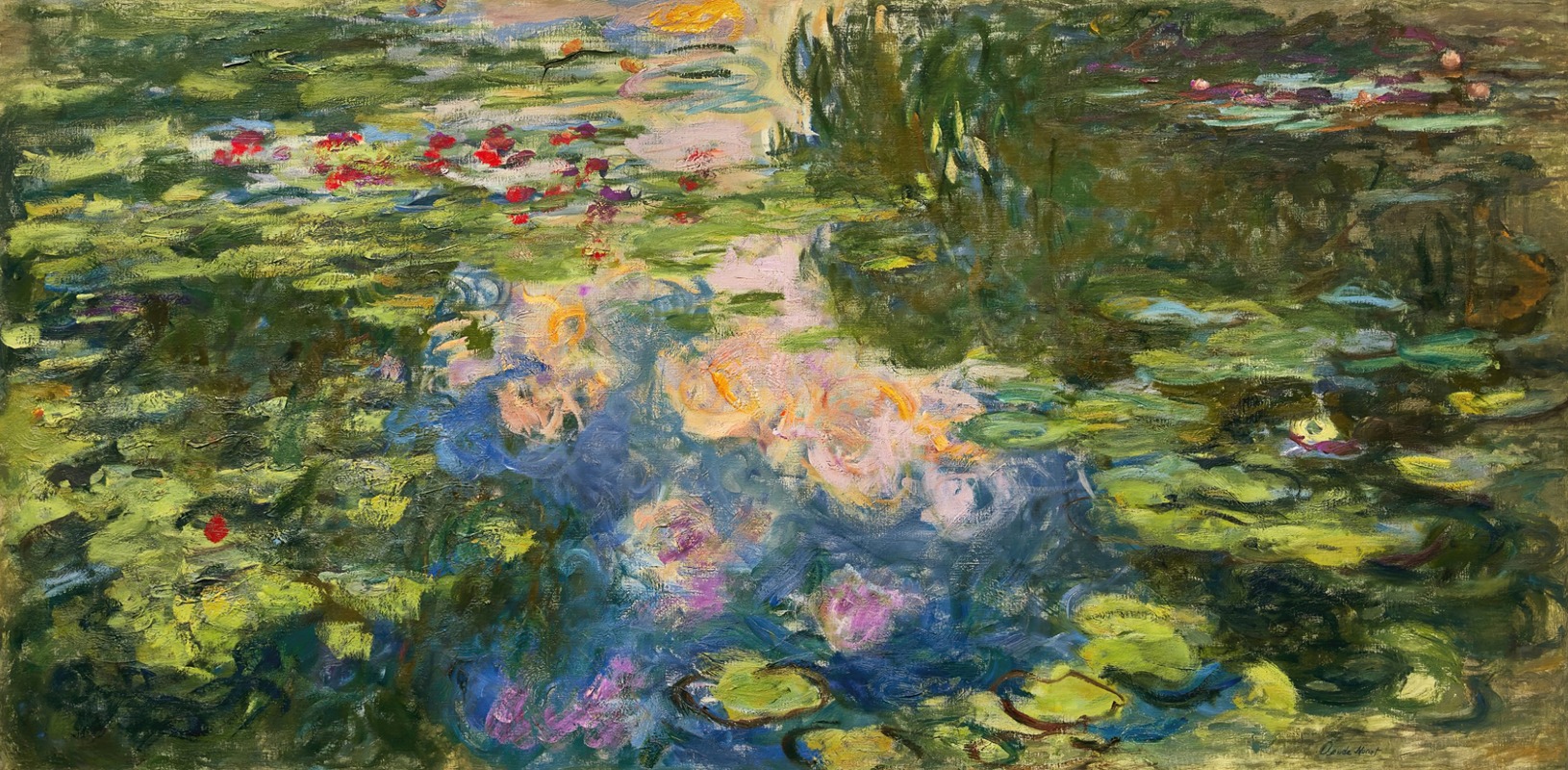
Le Bassin aux nymphéas
Claude Monet
Waterloo Bridge
Claude Monet

Printemps à Giverny, effet d’après-midi
Claude Monet