
The bridge at Mirepoix — History & Facts
Who listens when art speaks of silence? In The bridge at Mirepoix, the quietude unfolds a reflection on mortality, captured through the interplay of light and shadow. Look to the left at the crumbling stone of the bridge, where time seems to pause, its surface marked by the gentle caress of sunlight. The hues of ochre and muted greens evoke a sense of nostalgia, drawing the eye towards the quiet water below, mirroring the somber sky. The composition creates a balanced harmony, with the bridge serving as a silent sentinel over the passage of life, inviting the viewer to dwell in the stillness of the scene. As you explore further, notice the subtle tension between the natural elements and the man-made structure.
The bridge, both inviting and neglected, represents the fragility of human achievement against the relentless march of nature. In the background, the trees seem to whisper secrets of those who’ve come and gone, reinforcing the theme of transience. This juxtaposition evokes a contemplative mood, urging the viewer to recognize the beauty hidden within impermanence. Pierre Vignal created this work in 1925 while living in France, a period marked by post-World War I reflections and a burgeoning artistic exploration of identity and existence.
As artists grappled with themes of renewal and loss, Vignal employed soft colors and serene landscapes to evoke a sense of solace amidst the chaos of the modern world. His connection with nature and the built environment reflects a profound response to the experiences of his time.
More Artworks by Pierre Vignal
Browse all →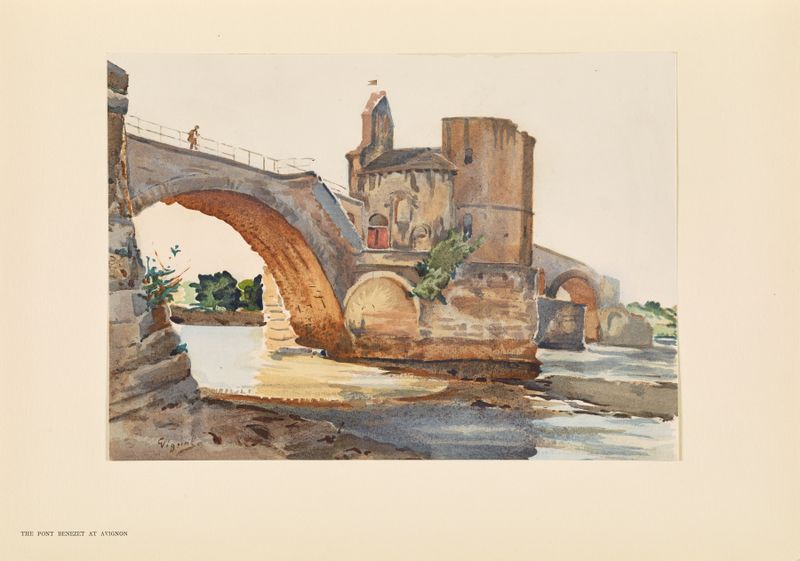
The Pont Saint-Bénézet, Avignon
Pierre Vignal
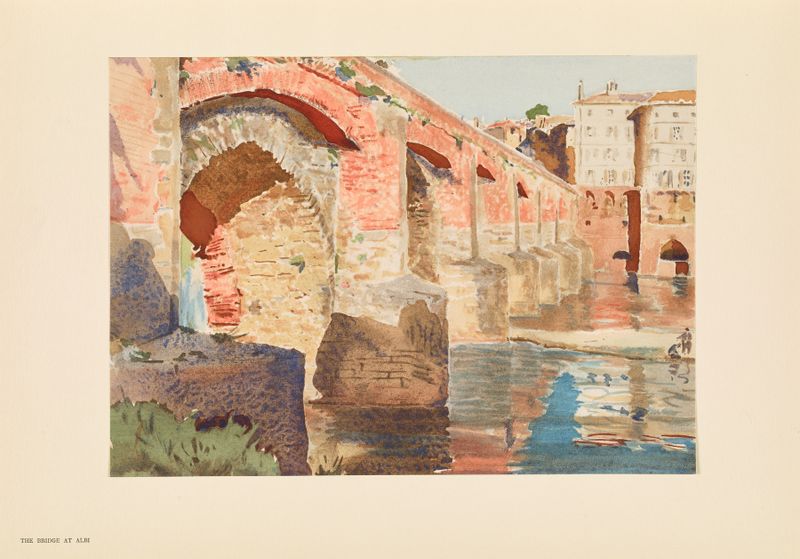
The bridge at Albi
Pierre Vignal

The bridge at Céret
Pierre Vignal
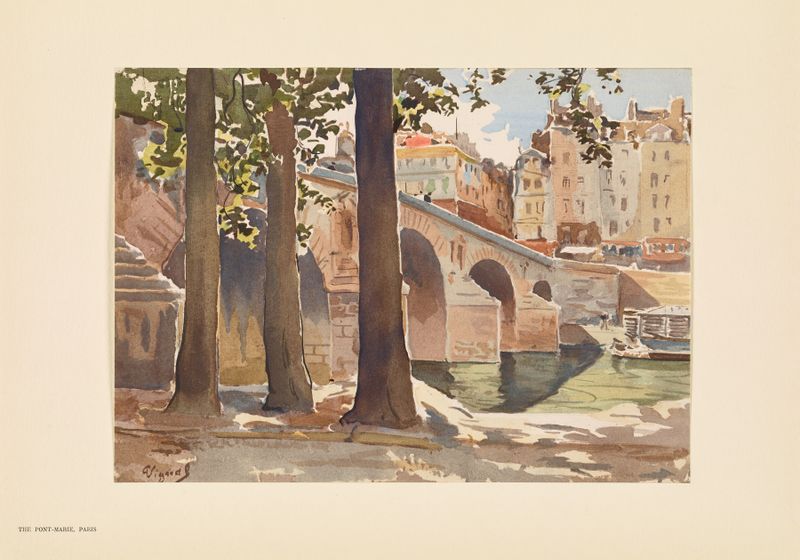
The Pont-Marie, Paris
Pierre Vignal
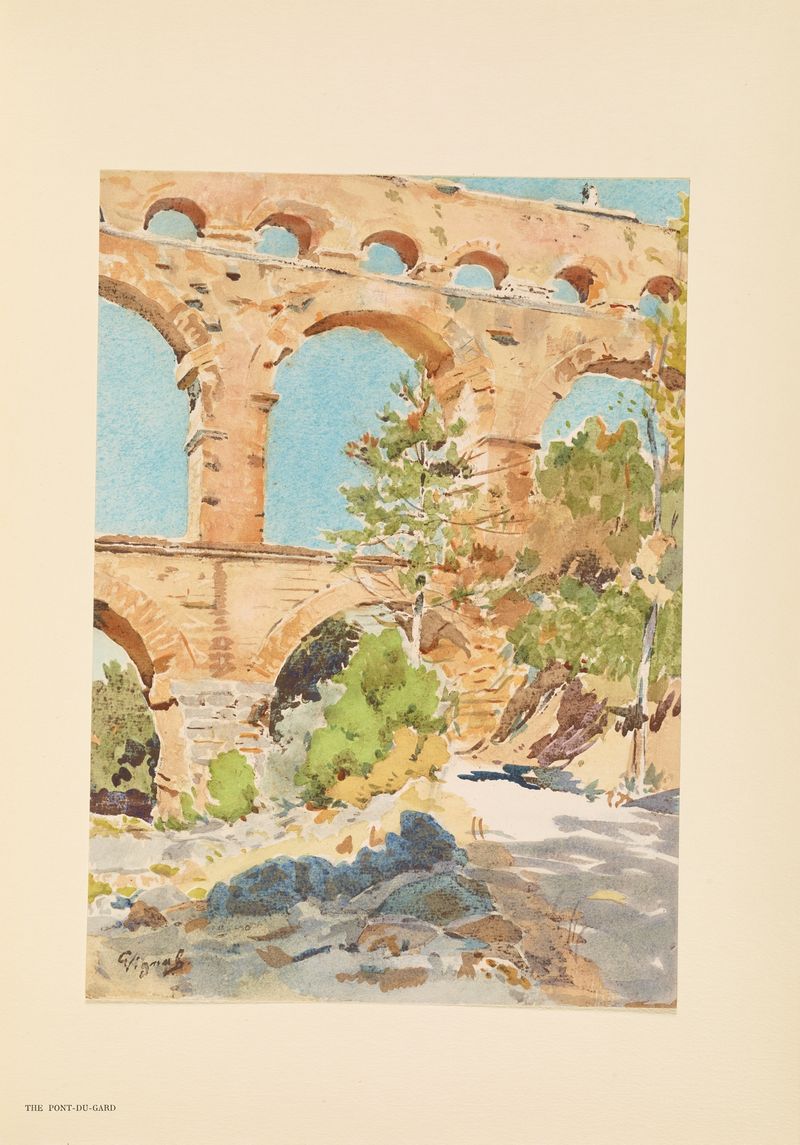
The Pont du Gard
Pierre Vignal
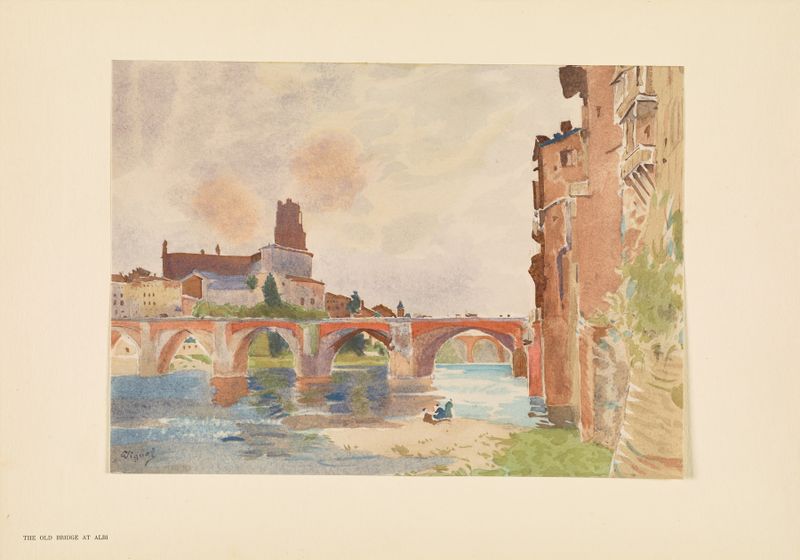
The old bridge at Albi
Pierre Vignal
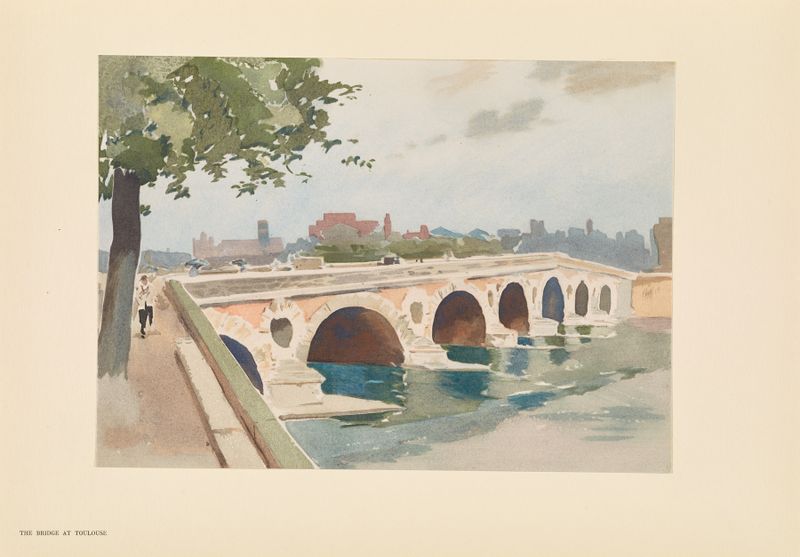
The bridge at Toulouse
Pierre Vignal

The bridge at Lavaur
Pierre Vignal
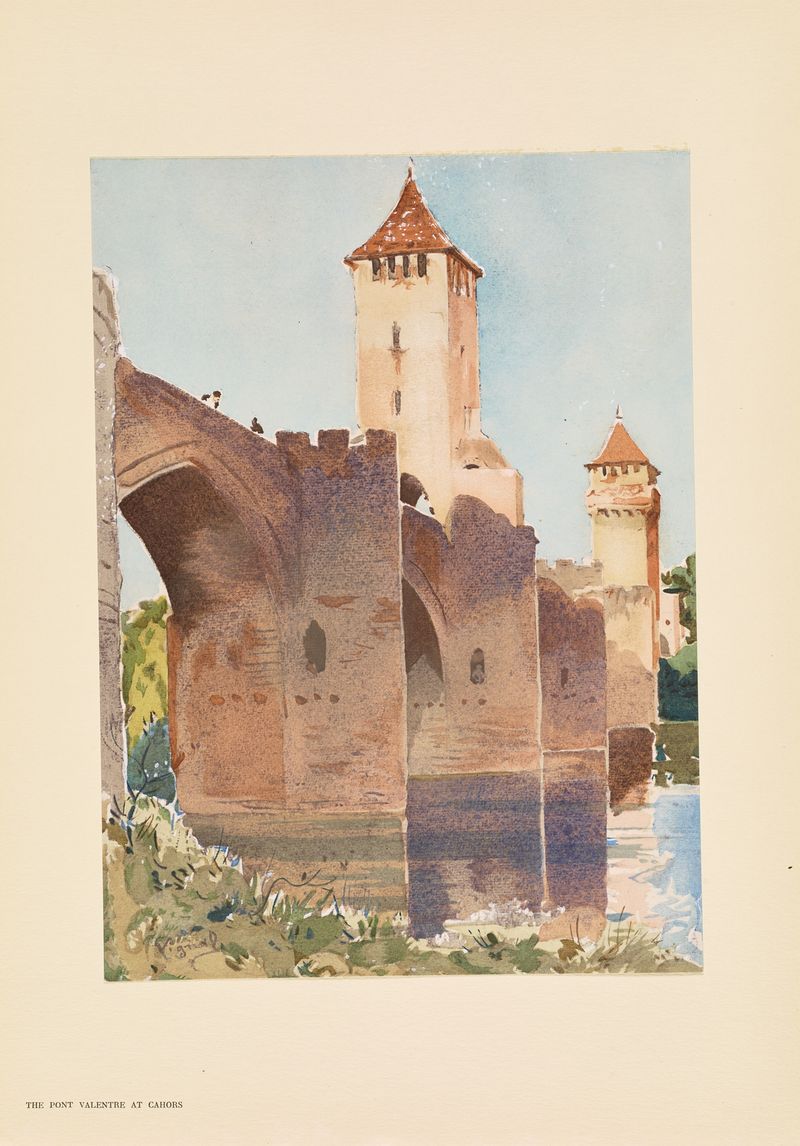
The Pont Valentré, Cahors
Pierre Vignal
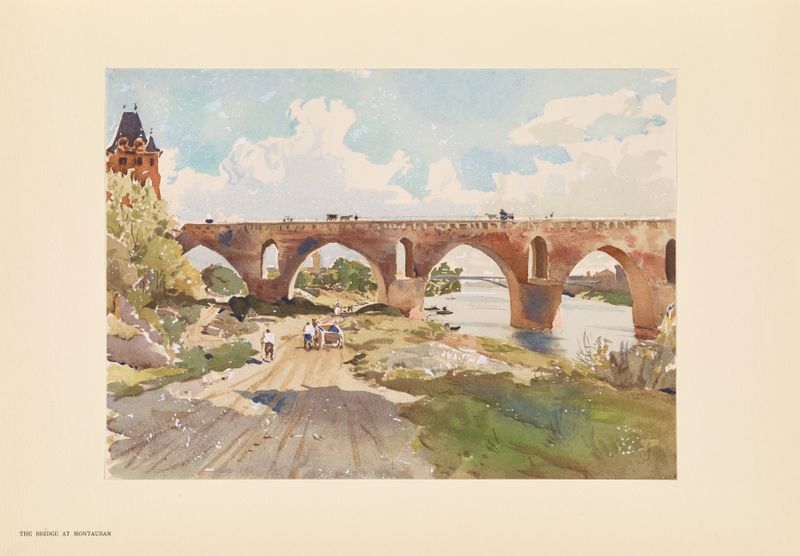
The bridge at Montauban
Pierre Vignal





