
The bridge at Saint-Chamas — History & Facts
In The bridge at Saint-Chamas, the delicate interplay of light and shadow reveals a profound truth about beauty's duality. Look to the left, where the sun casts a warm glow upon the weathered stones of the bridge, drawing your gaze to the tranquil waters below. The gentle curvilinear lines of the bridge contrast with the sharp angles of the surrounding architecture, creating a harmonious balance that invites serenity. Vignal’s use of soft pastels and vibrant hues imbues the scene with life, while the hazy sky blurs the line between reality and a dream, beckoning viewers to lose themselves in this idyllic moment. Yet, within this picturesque landscape lies an undercurrent of tension.
The bridge, seemingly a symbol of connection, also suggests isolation as it spans a divide, a reminder of the barriers that exist in both nature and society. The lush foliage framing the scene emphasizes the fleeting nature of beauty, as if whispering that what is enchanting can also be ephemeral. This juxtaposition invites contemplation on how beauty often conceals deeper emotional truths beneath its surface. Pierre Vignal painted The bridge at Saint-Chamas in 1925 during a time of artistic revival marked by the influence of Impressionism.
Living in France, he was surrounded by a burgeoning art scene focused on capturing light and atmosphere. At this time, artists like Vignal were exploring new ways to portray landscapes, merging realism with an emotional depth that resonated with the societal changes unfolding across Europe.
More Artworks by Pierre Vignal
Browse all →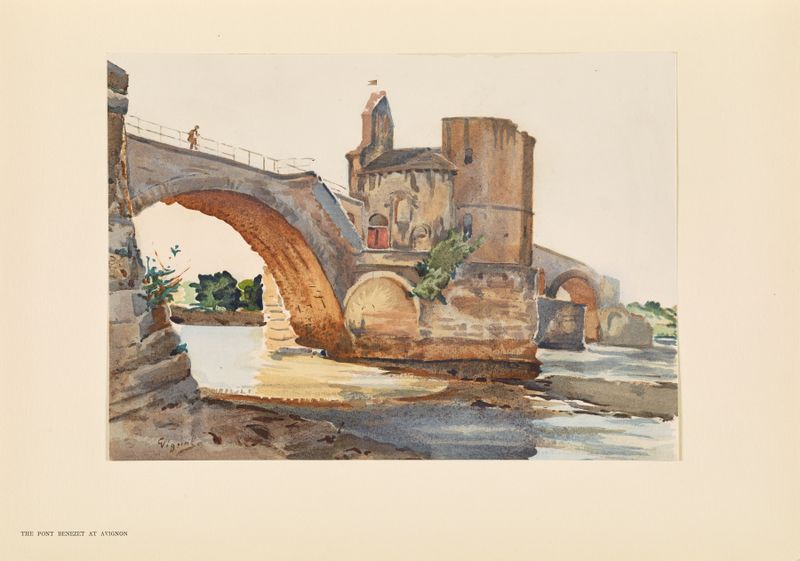
The Pont Saint-Bénézet, Avignon
Pierre Vignal
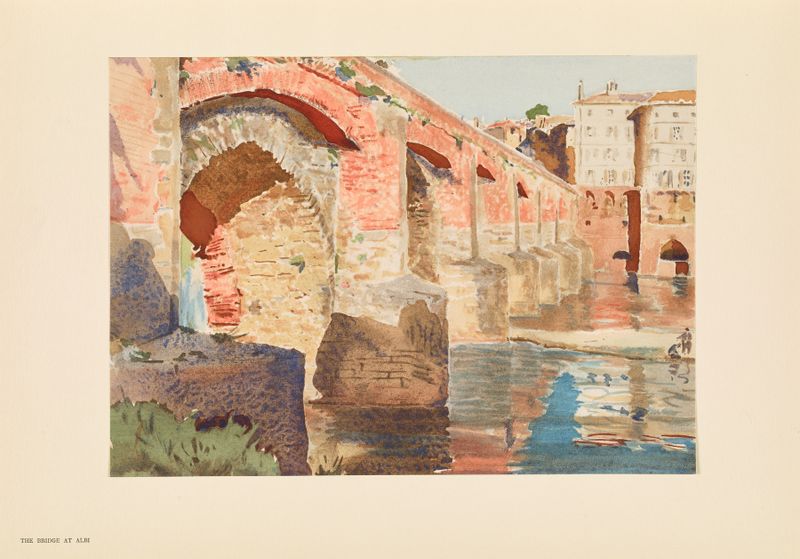
The bridge at Albi
Pierre Vignal

The bridge at Céret
Pierre Vignal
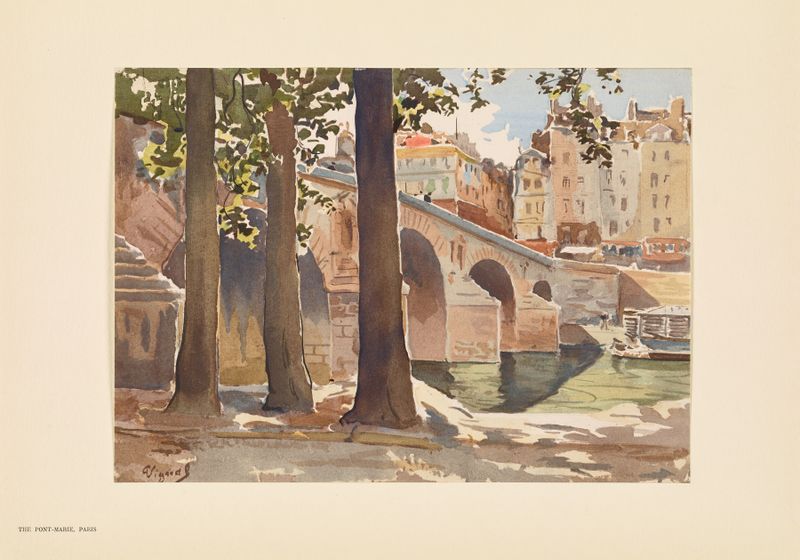
The Pont-Marie, Paris
Pierre Vignal
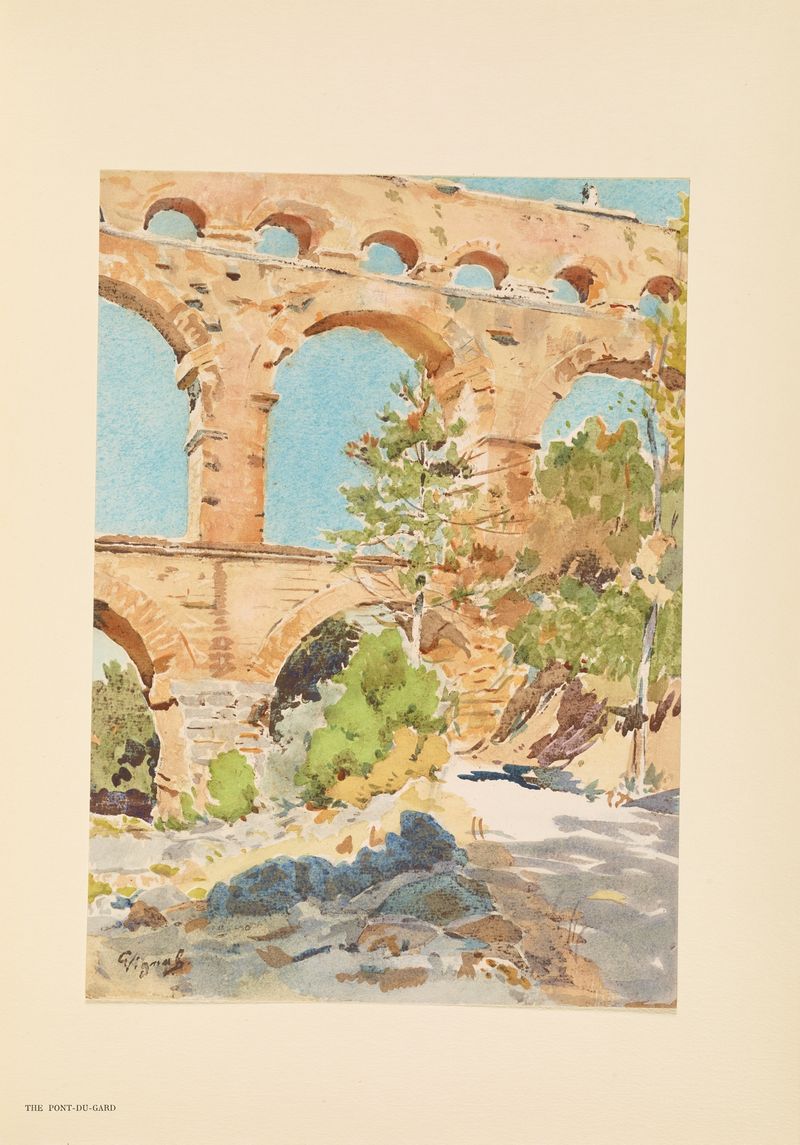
The Pont du Gard
Pierre Vignal
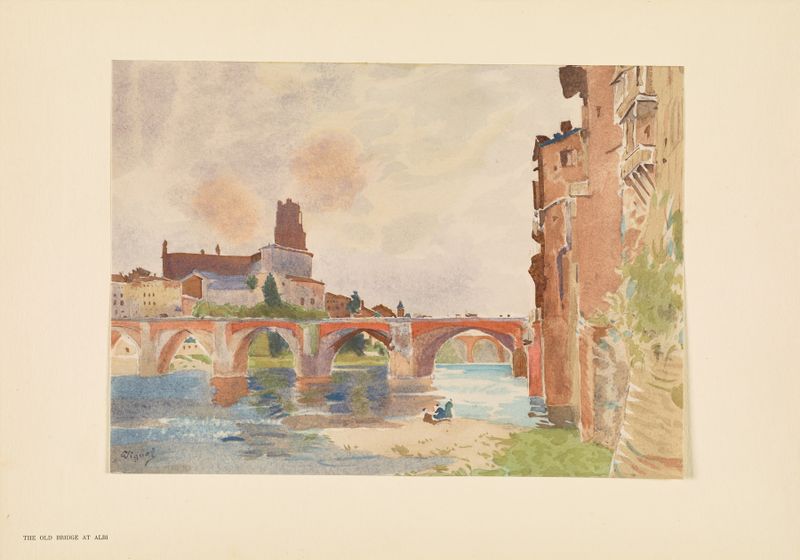
The old bridge at Albi
Pierre Vignal
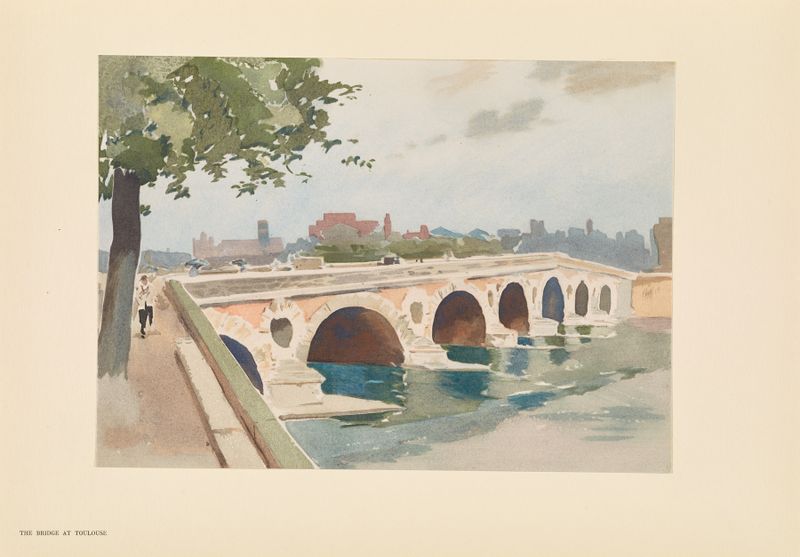
The bridge at Toulouse
Pierre Vignal

The bridge at Lavaur
Pierre Vignal
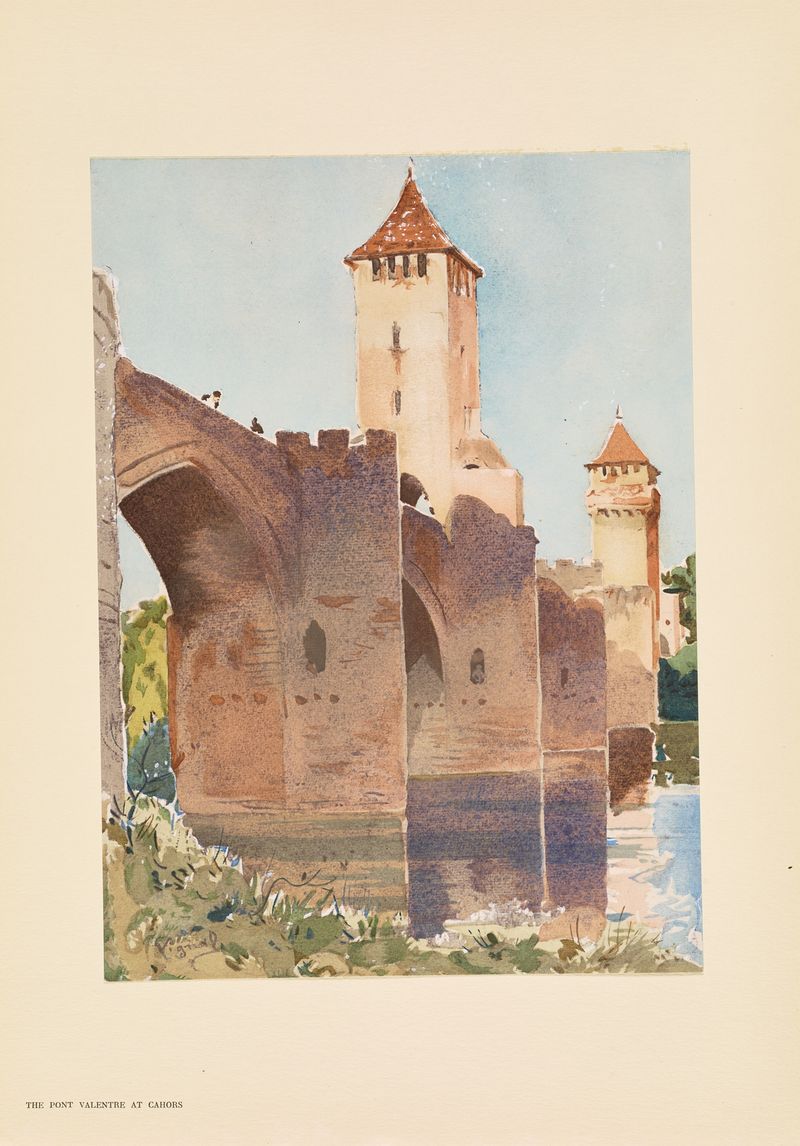
The Pont Valentré, Cahors
Pierre Vignal
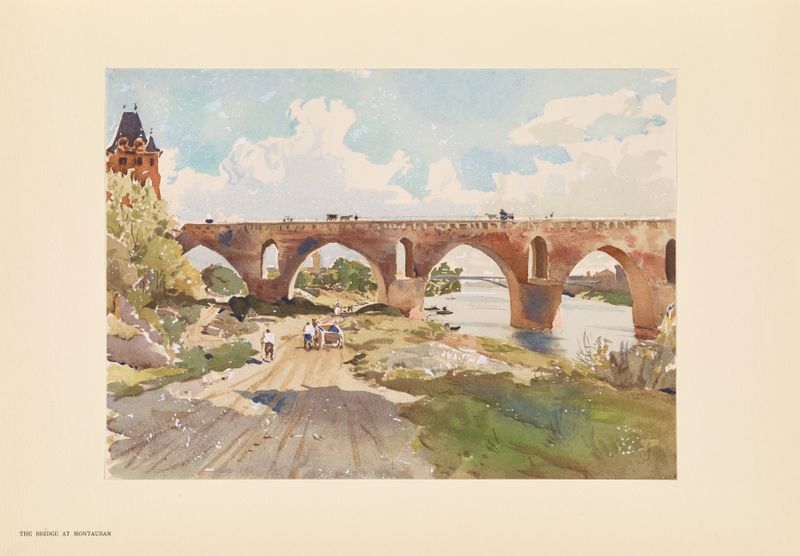
The bridge at Montauban
Pierre Vignal





