
The bridge at Sospel — History & Facts
When did color learn to lie? In The Bridge at Sospel, hues intertwine with time, blurring the boundaries between reality and perception, inviting us to question the essence of what we see. Look to the left, where vibrant greens of the landscape bleed into warm, earthy tones of the bridge, creating a dialogue between nature and craftsmanship. Notice how the sunlight dances across the surface of the water, casting shimmering reflections that draw your eye toward the horizon. The composition balances the sturdy arch of the bridge against the soft, undulating hills in the background, fostering a sense of unity amidst contrast. Delve deeper, and you’ll find a narrative woven into the interplay of light and shadow.
The bridge stands as a metaphor for connection, not only of land to land but of past to present. The vivid colors evoke a nostalgia, suggesting a moment suspended in time, while the undisturbed water hints at a quiet contemplation of change and permanence. Each brushstroke carries an emotional weight, capturing the tension of growth and decay inherent in every landscape. In 1925, Pierre Vignal painted this work during a period marked by a growing interest in Impressionism and color theory, influenced by the shifting dynamics of post-war Europe.
Living in France, he engaged with the vibrant art scene, experimenting with color and light to create works that resonate with personal and universal themes. This painting reflects his commitment to evoking emotion through landscape, while capturing the essence of a world in transition.
More Artworks by Pierre Vignal
Browse all →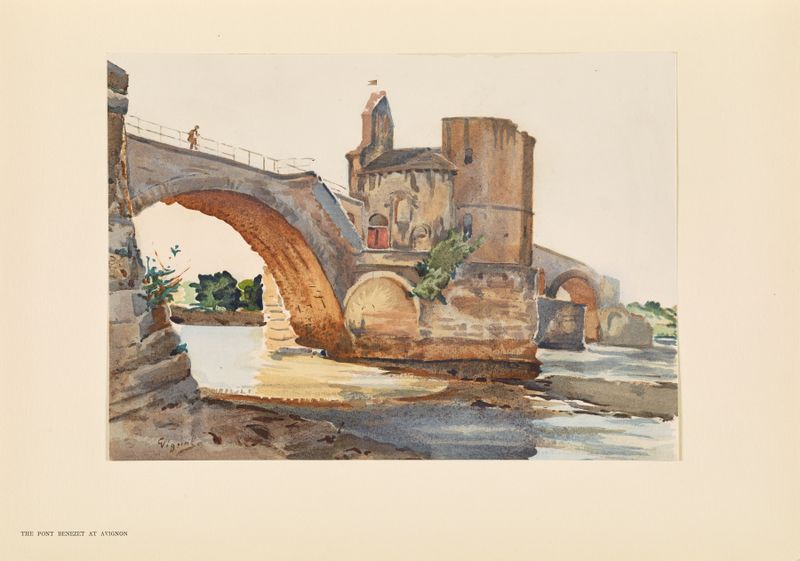
The Pont Saint-Bénézet, Avignon
Pierre Vignal
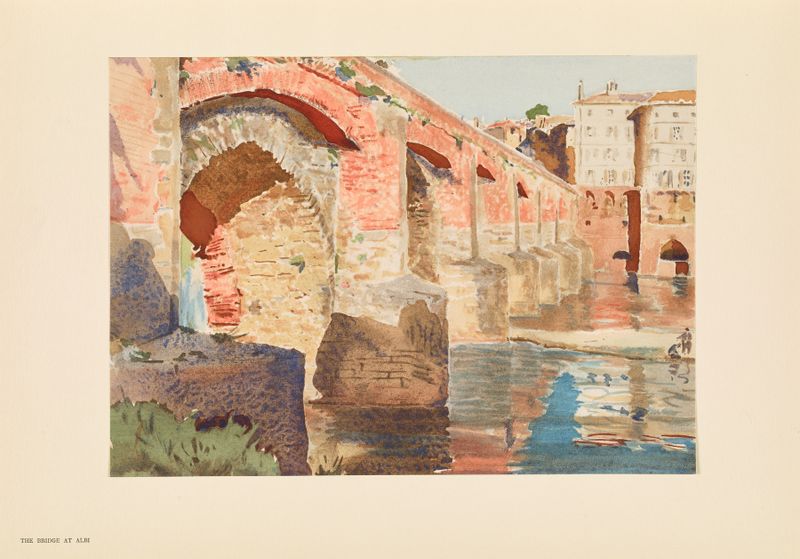
The bridge at Albi
Pierre Vignal

The bridge at Céret
Pierre Vignal
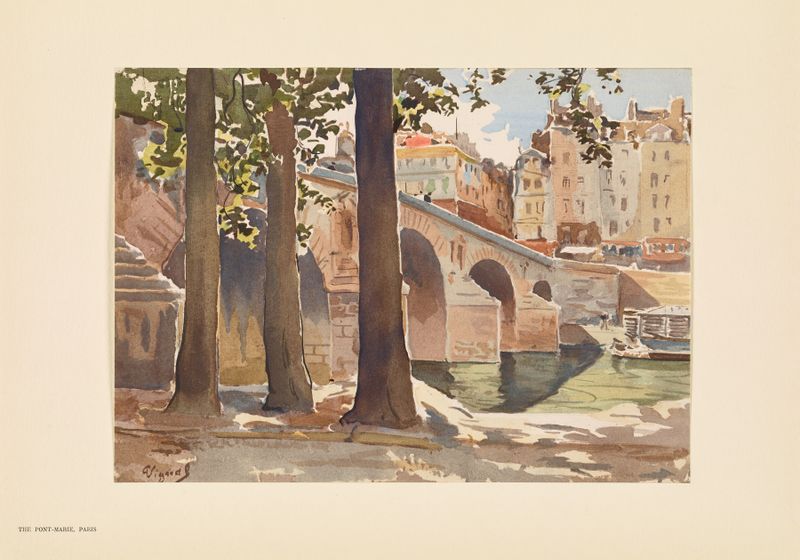
The Pont-Marie, Paris
Pierre Vignal
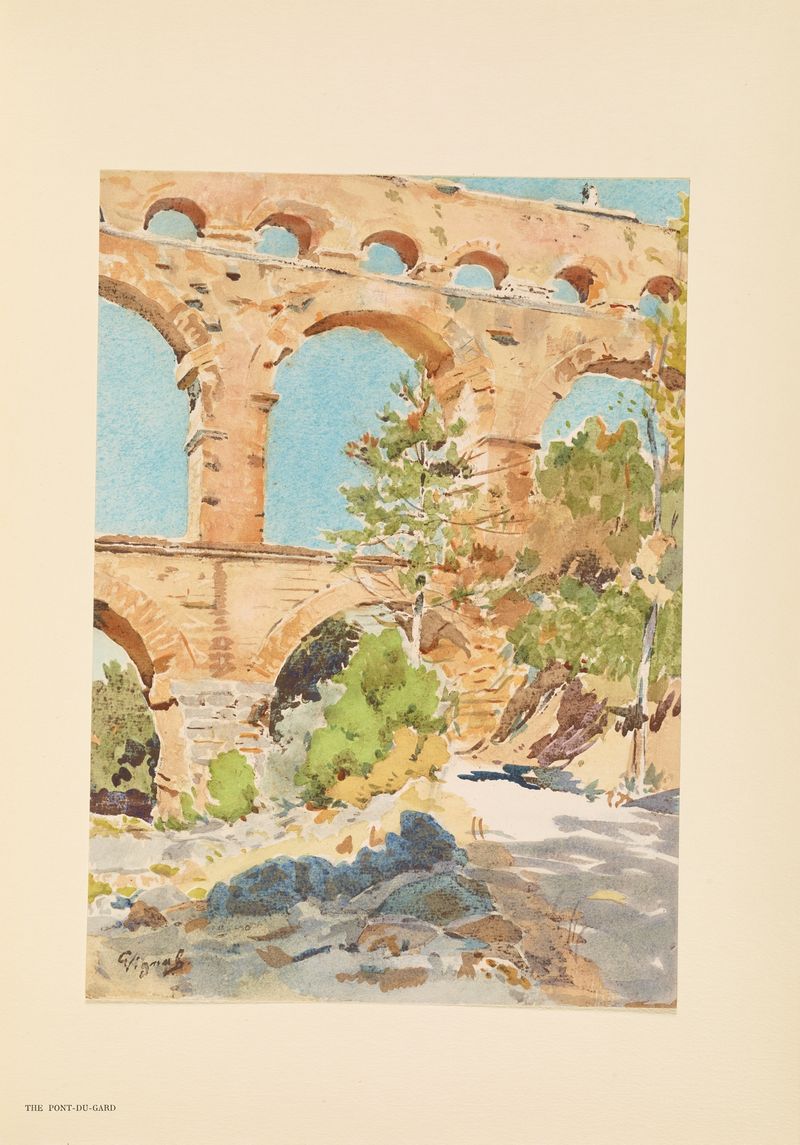
The Pont du Gard
Pierre Vignal
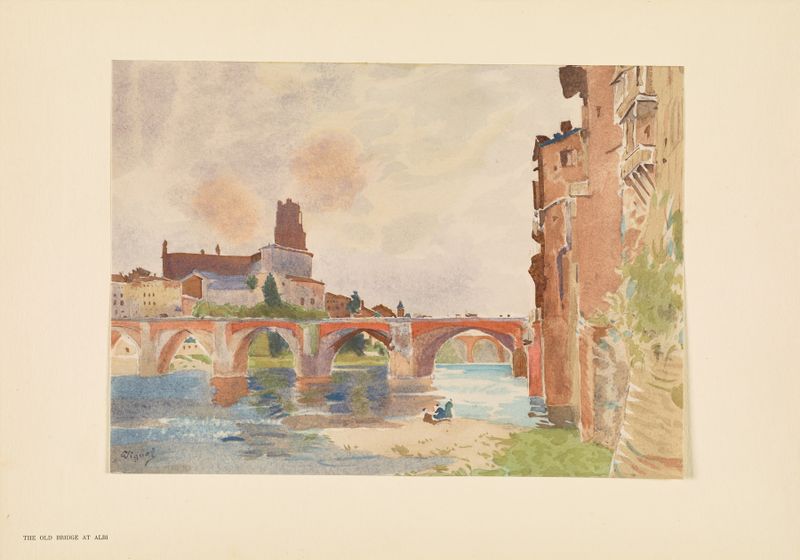
The old bridge at Albi
Pierre Vignal
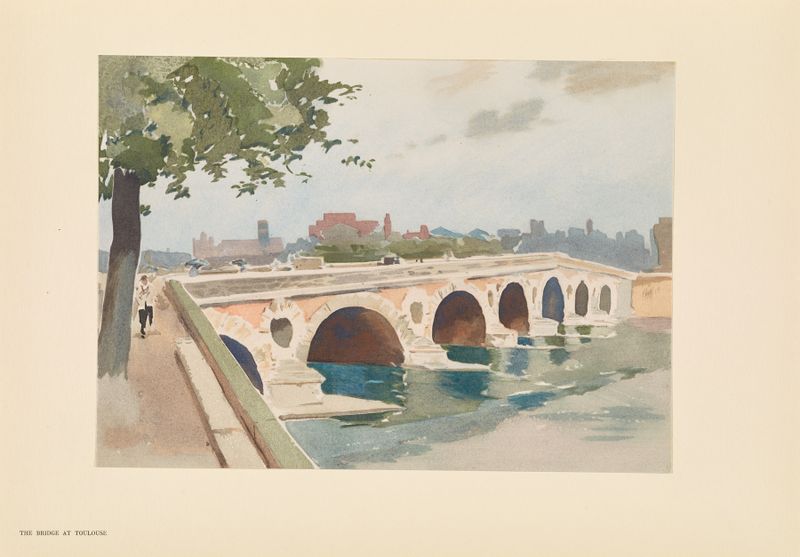
The bridge at Toulouse
Pierre Vignal

The bridge at Lavaur
Pierre Vignal
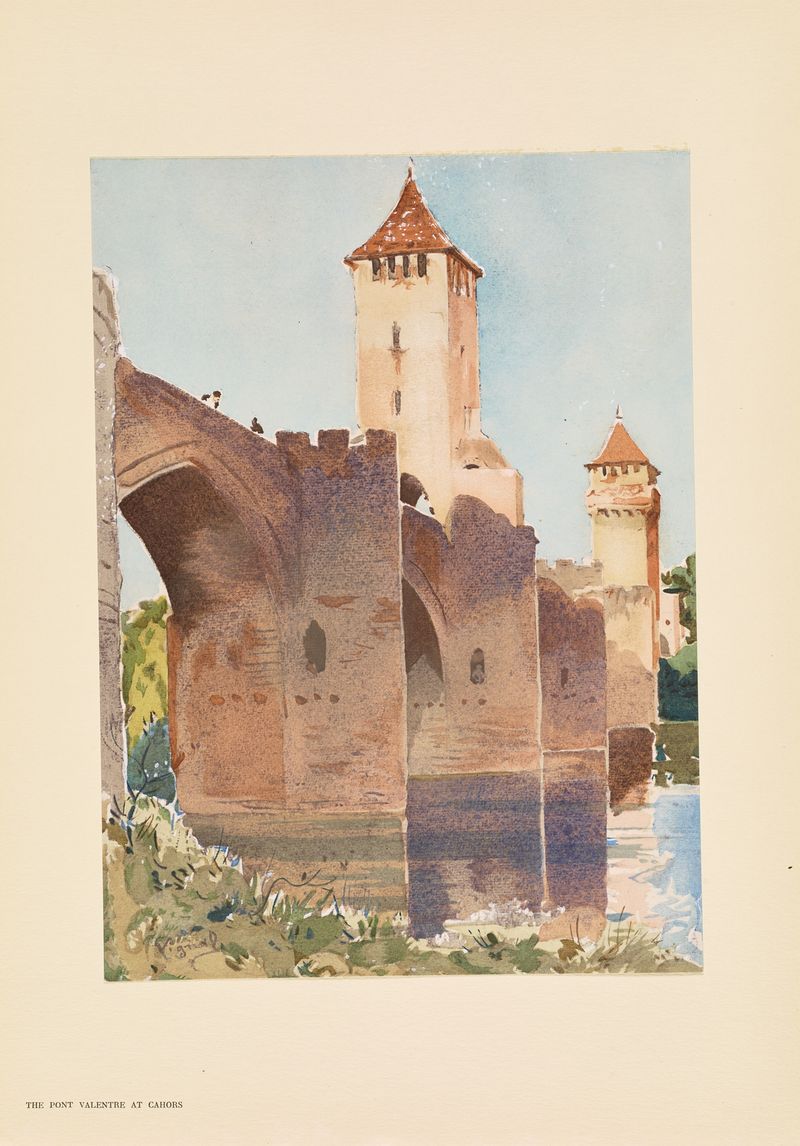
The Pont Valentré, Cahors
Pierre Vignal
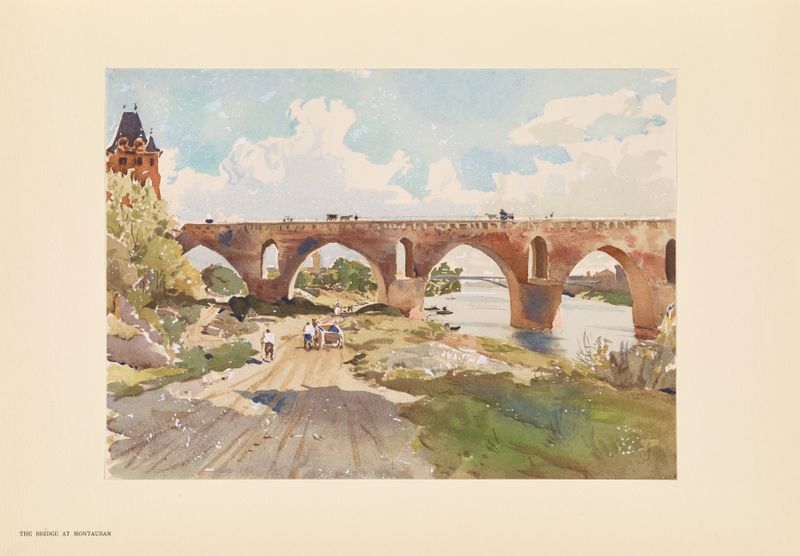
The bridge at Montauban
Pierre Vignal





