
The Bridge in the Wood at Ostend — History & Facts
In the delicate interplay of light and shadow, the essence of illusion unfolds, inviting the viewer to step into a realm where reality and imagination entwine. Look closely at the canvas’s foreground, where a bridge emerges from the vibrant underbrush. The vivid greens and earthy browns pulse with life, rendering the wood an inviting passageway into the depths of the scene. The bridge, painted with intricate detail, seems to sway gently under the weight of its ethereal surroundings, while the abstract shapes of trees and foliage almost blend into dreamlike figures, creating an underlying tension between the tangible and the intangible. Delve deeper into the emotional tapestry woven within this artwork.
The juxtaposition of the solid bridge against the fluidity of nature suggests a fleeting moment—a choice between the familiar and the unknown. The mysterious light filtering through the trees evokes a sense of nostalgia, as if whispering secrets of past wanderings. This moment captures the transient beauty of existence, where paths diverge and the boundaries of the real blur into the surreal. James Ensor painted this piece in 1889 while living in Ostend, a coastal town in Belgium.
During this period, he was exploring innovative approaches to color and form, moving away from traditional representations toward a more expressive style. The art world was embracing the avant-garde, and Ensor, influenced by his experiences and surroundings, sought to reflect the complexities of human emotion and perception through his work, positioning him firmly at the forefront of modern art.
More Artworks by James Ensor
Browse all →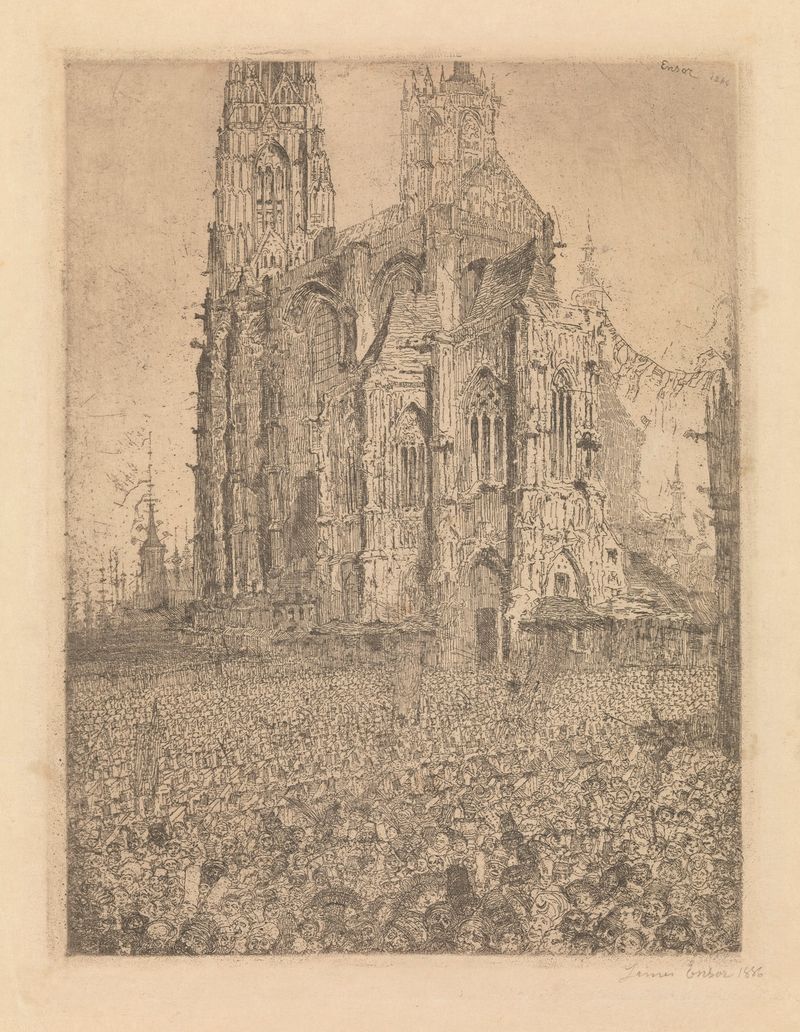
The Cathedral
James Ensor
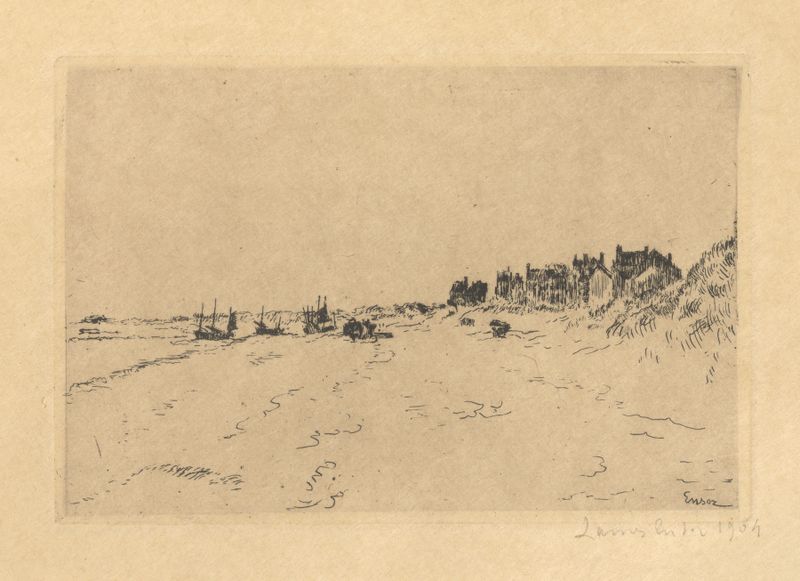
Het strand van De Panne
James Ensor
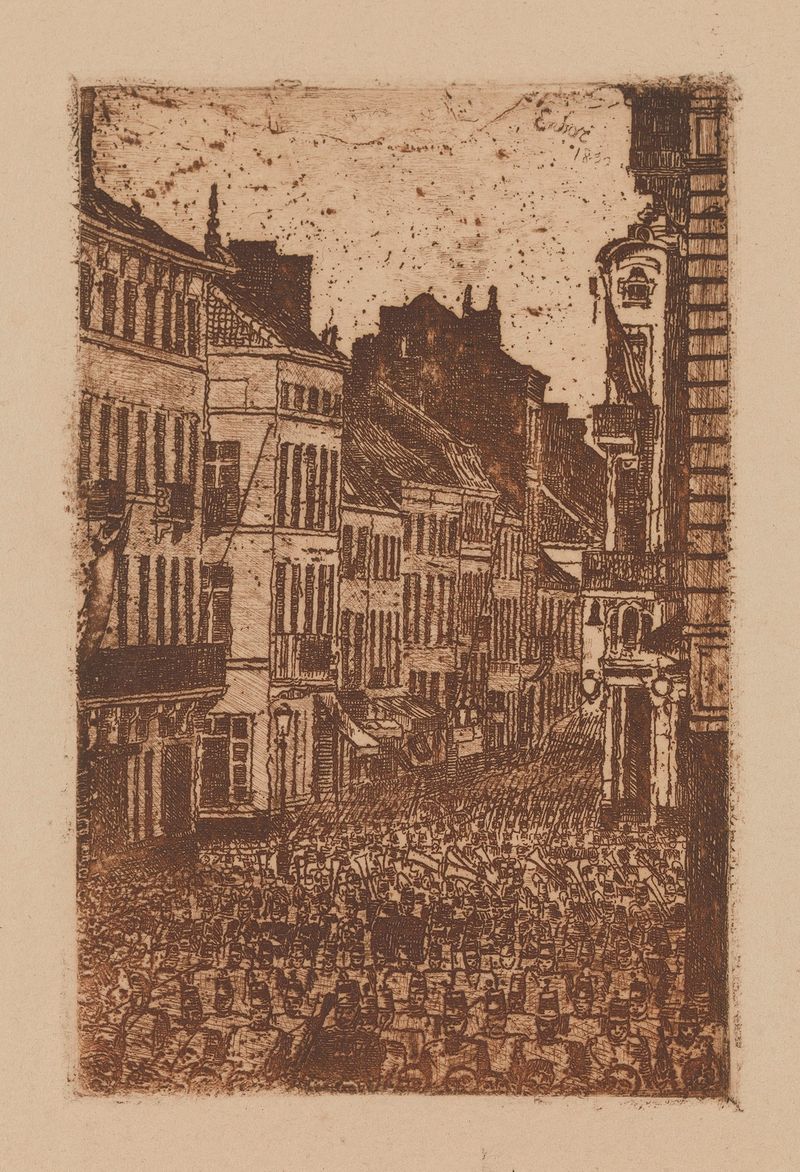
The Music in the rue de Flandre, Ostend
James Ensor
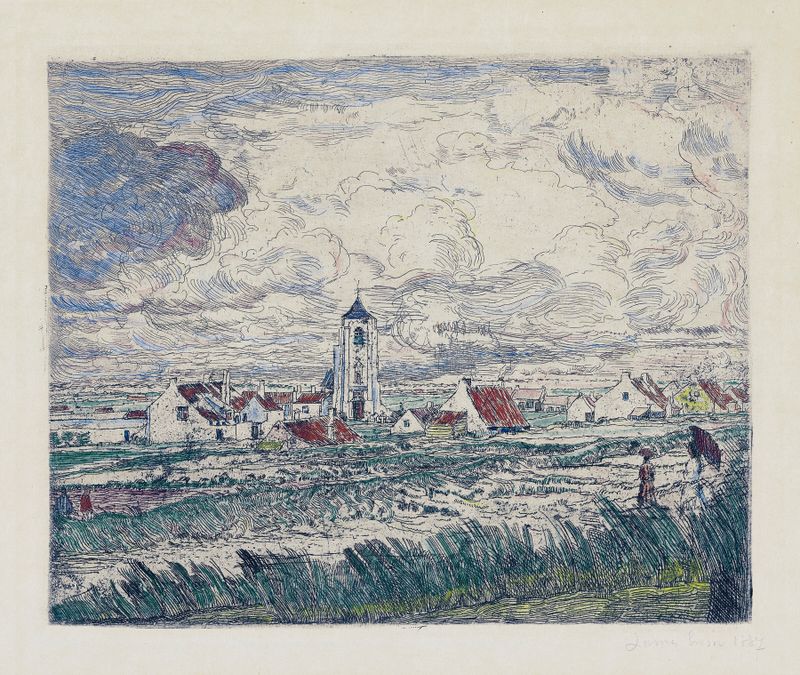
Grande vue de Mariakerke
James Ensor
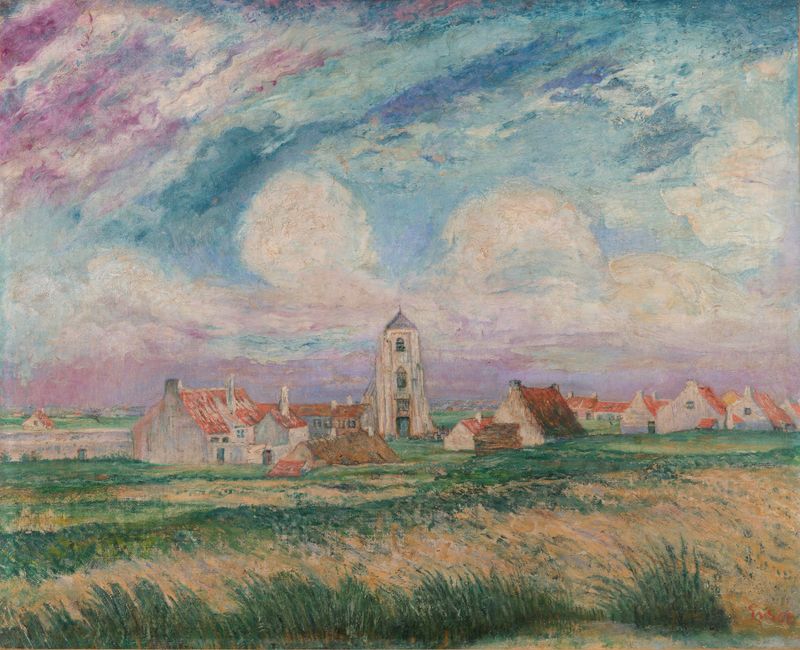
View of Mariakerke
James Ensor
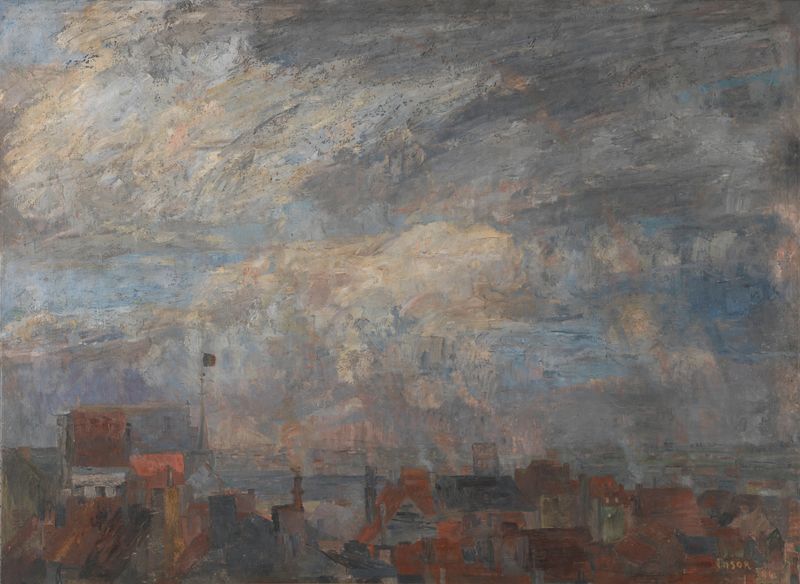
The Rooftops of Ostend
James Ensor
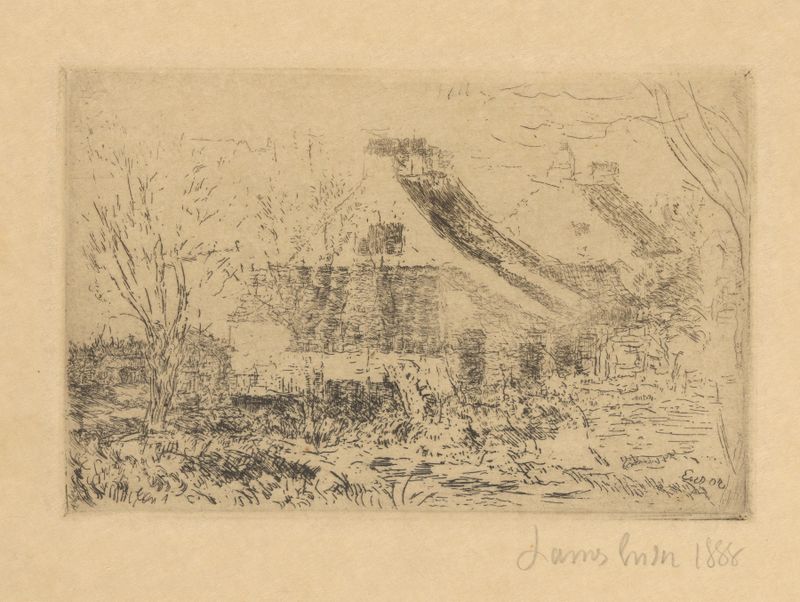
Huisjes in Mariakerke
James Ensor
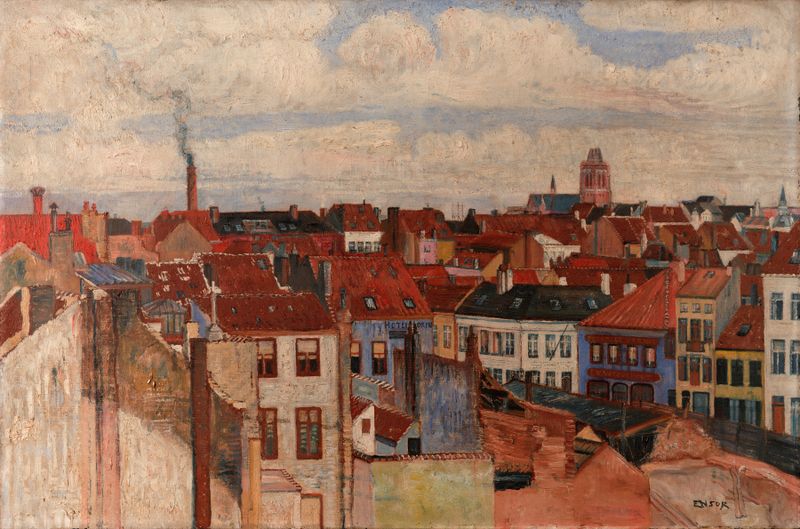
The rooftops of Ostend
James Ensor
The Music in the rue de Flandre, Ostend
James Ensor
Verovering van een vreemde stad
James Ensor





