
The Bronx — History & Facts
Can paint confess what words never could? In The Bronx, the layers of color and form communicate the weight of legacy, capturing the essence of a place steeped in history and identity. Look closely at the vibrant hues swirling within the canvas; the earth tones dominate, anchoring the tumultuous energy of urban life. Notice how the artist employs bold strokes to create a dynamic rhythm, inviting your gaze to dance across the composition. Pay attention to the juxtaposition of light and shadow, where the sun seems to reach out in an attempt to illuminate the soul of the city, while darker shades whisper of struggles and stories yet untold. The painting reveals a rich tapestry of contrasts: the merging of bustling life with moments of solitude, and the vibrancy of cultural heritage shadowed by the harsh realities faced by its inhabitants.
Each brushstroke seems to echo the voices of those who walked these streets, weaving a narrative of resilience amid chaos. There is a palpable tension between hope and despair, as if the city itself breathes, a living organism shaped by the legacies of its past. Created during an era when Abraham Manievich sought to portray urban landscapes with emotional depth, The Bronx reflects the artist’s dedication to capturing the spirit of his environment. Although the exact date of the piece remains unknown, it resonates with the early 20th-century movements that explored the intersection of modernity and tradition, mirroring the evolving identity of an American city in transition.
More Artworks by Abraham Manievich
Browse all →
Summer landscape
Abraham Manievich

Early Spring
Abraham Manievich

City Scene
Abraham Manievich
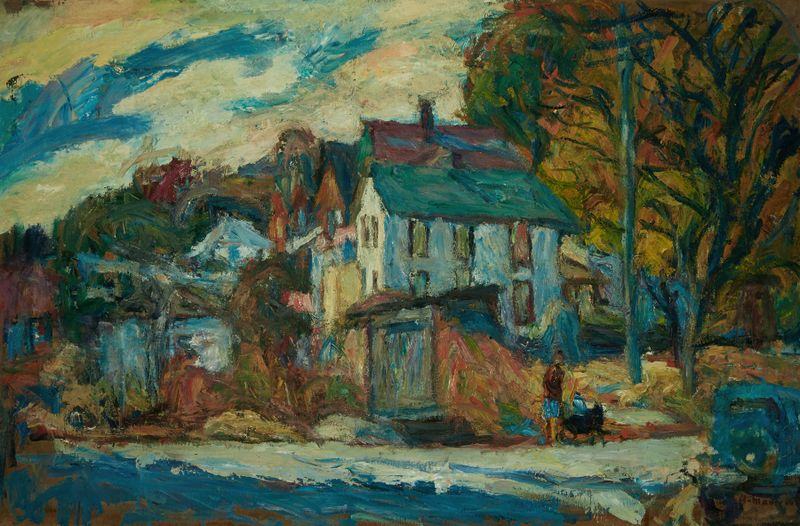
Autumn. White Plains
Abraham Manievich
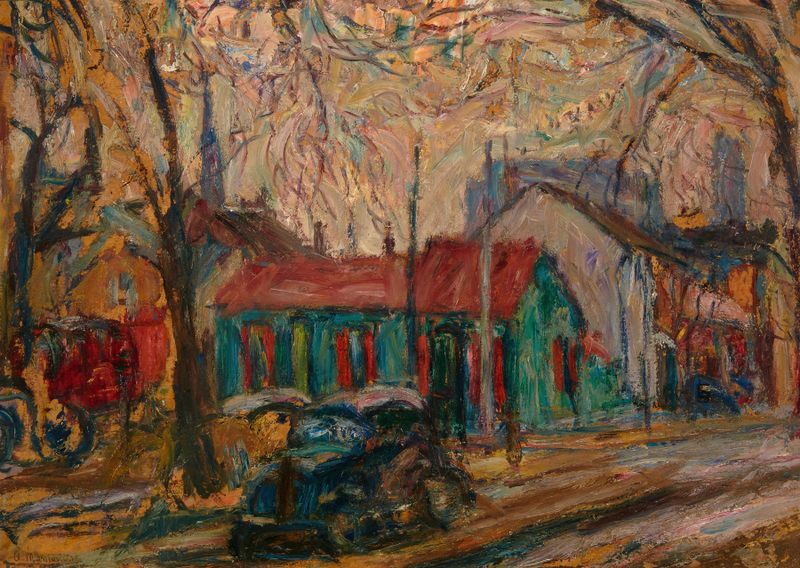
Quiet street
Abraham Manievich

Winter Scene With Church
Abraham Manievich
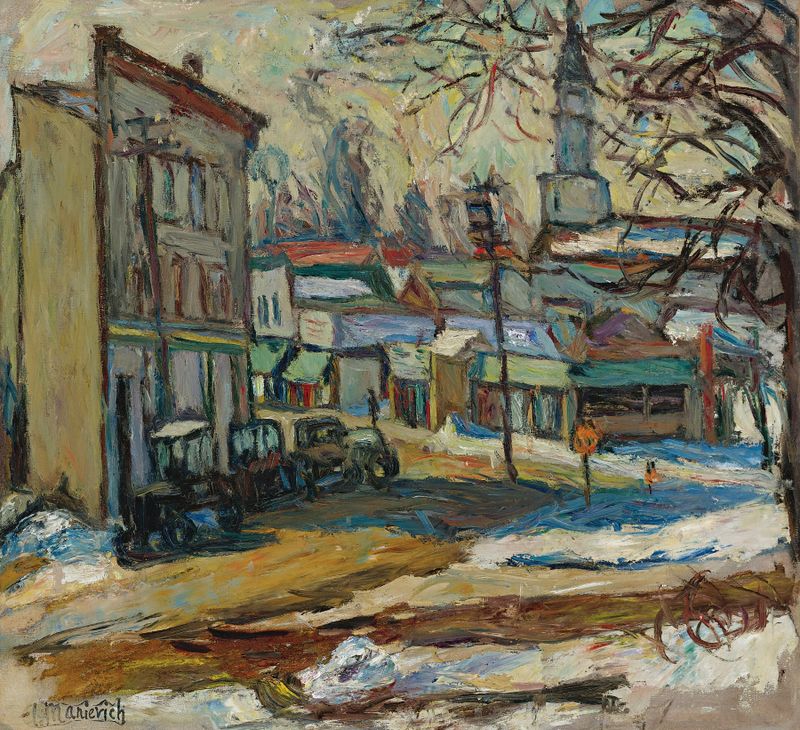
Bridgeport
Abraham Manievich

Street in the Bronx
Abraham Manievich
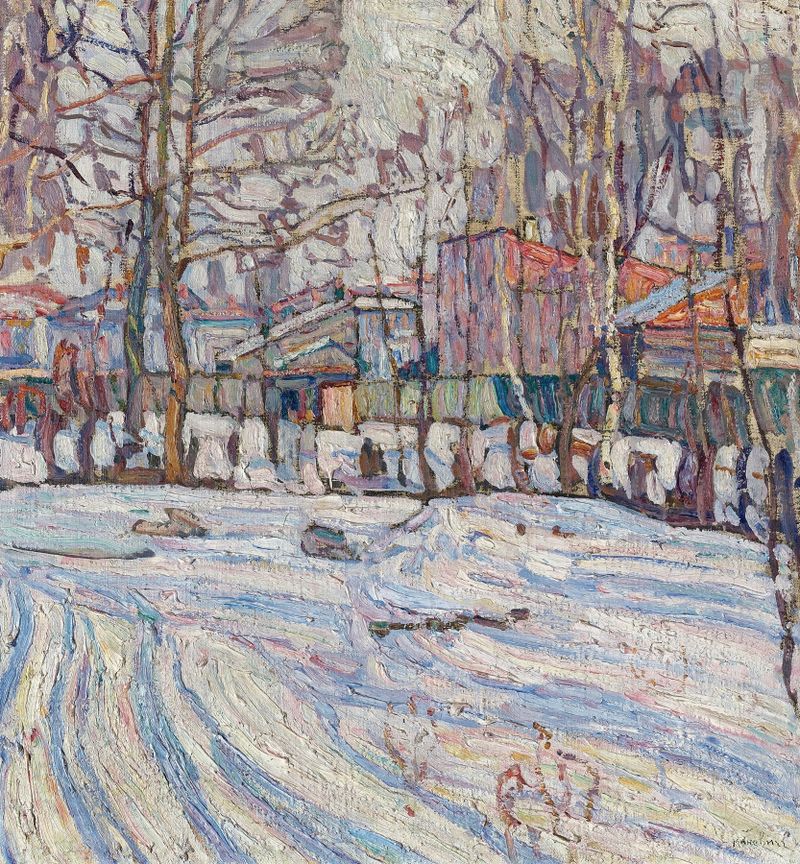
Winter
Abraham Manievich

Birch Trees
Abraham Manievich





