
Summer landscape — History & Facts
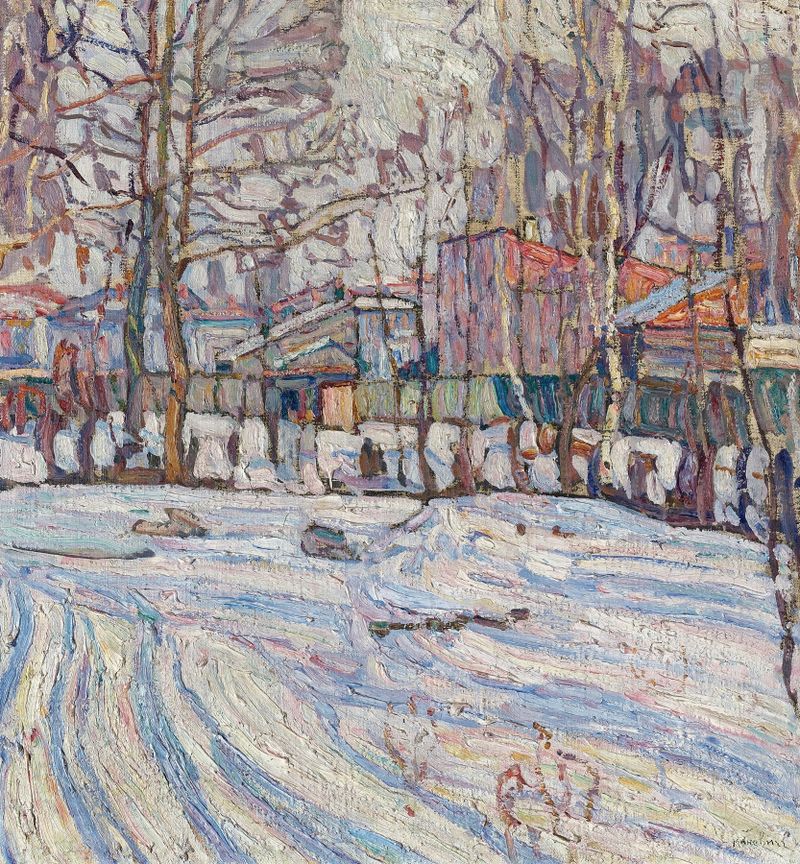
The essence of nature’s tumultuous beauty is captured in vibrant hues and swirling forms. In Summer landscape, the artist transforms the raw, often violent forces of the natural world into something serene and harmonious. Look closely at the center, where vivid strokes of green and gold dance together, suggesting the warmth of sunlight spilling over lush fields. Notice how the sky melds into shades of azure and white, creating a dynamic interplay between earth and air.
The brushwork is expressive, almost frenetic, yet it coalesces into a breathtaking panorama, inviting viewers to immerse themselves in its rhythmic energy. Each color choice is deliberate, creating a visual symphony that pulses with life. The tension between chaos and tranquility is palpable here. Observe the dark undertones that weave through the lighter shades; they hint at the underlying violence of nature, a reminder of storms that once raged.
Yet, amidst this turbulence, there is a sense of peace — the calm after a storm, or the resilience of nature itself in the face of upheaval. This interplay evokes deep emotional responses, reflecting both the beauty and ferocity inherent in the world around us. In 1925, Manievich painted this work during a period of remarkable change in both his life and the art world. He was establishing himself in Paris, grappling with his identity as an artist amid the rise of modernism.
The post-revolutionary era in Russia had ushered in new ideas and techniques that influenced his creative expression, allowing him to explore the delicate balance between chaos and order in his landscapes.
More Artworks by Abraham Manievich
Browse all →
Early Spring
Abraham Manievich

City Scene
Abraham Manievich
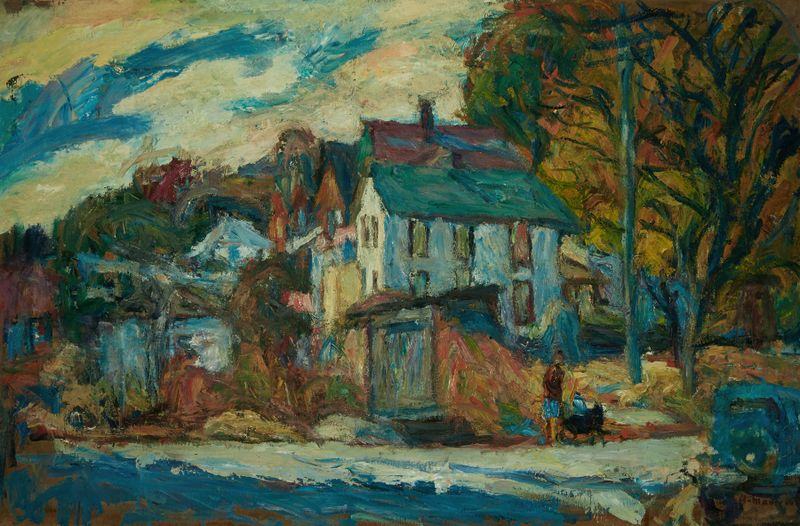
Autumn. White Plains
Abraham Manievich
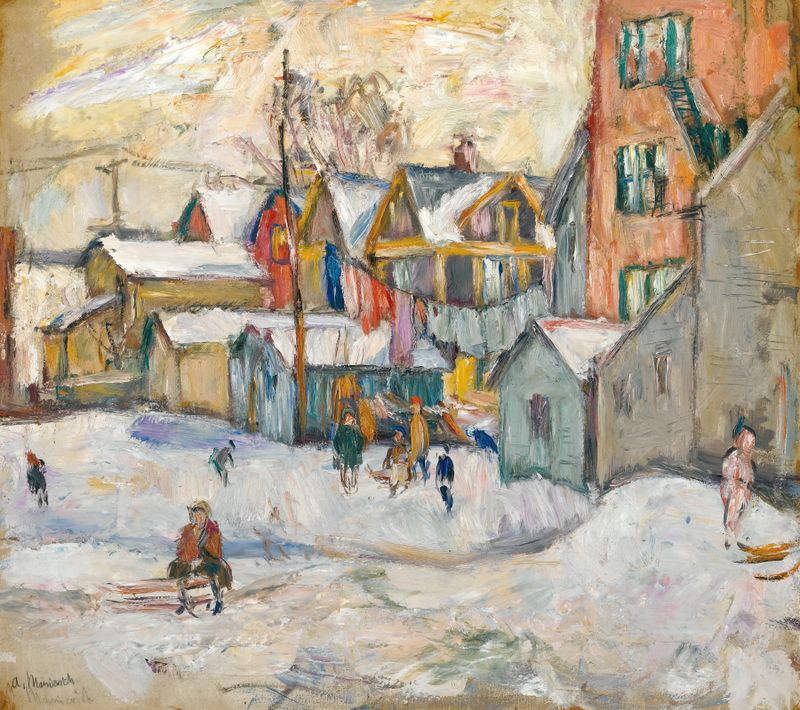
The Bronx
Abraham Manievich
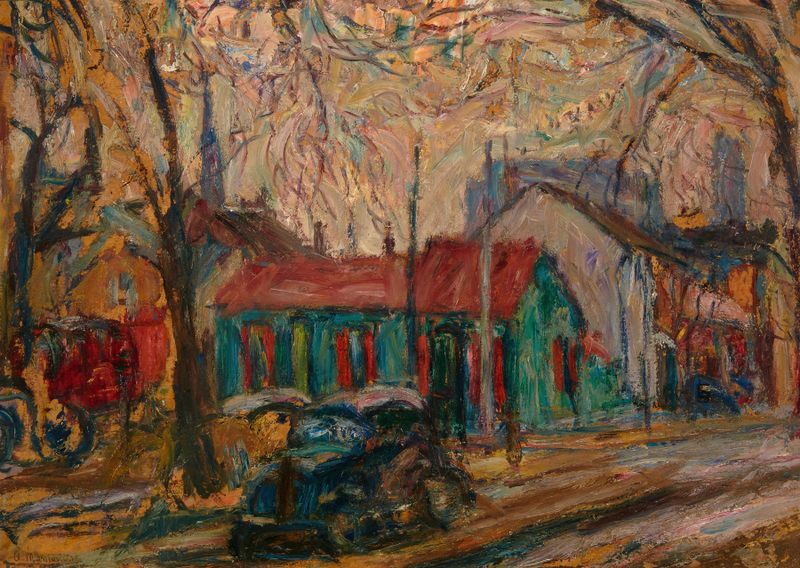
Quiet street
Abraham Manievich

Winter Scene With Church
Abraham Manievich
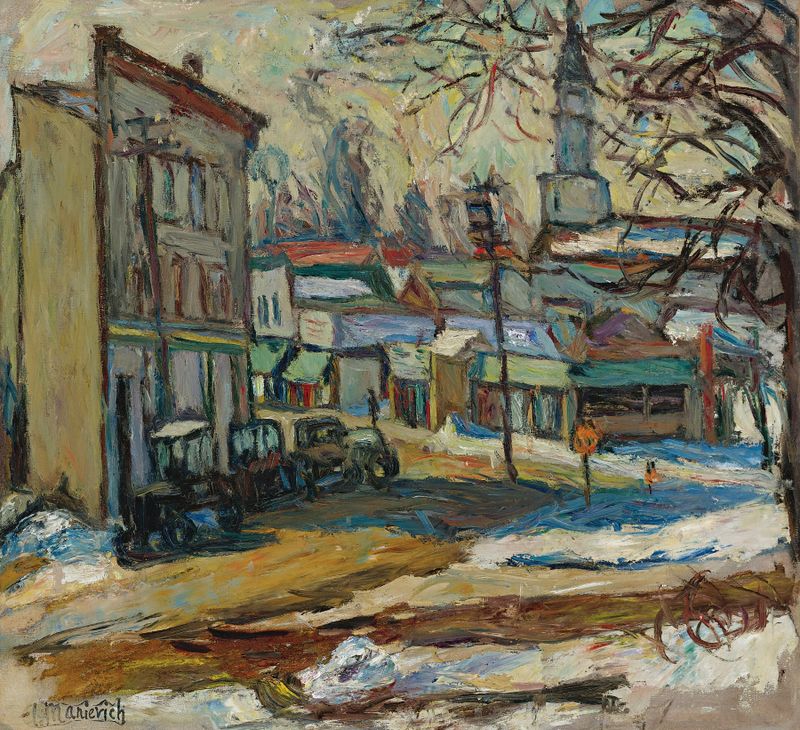
Bridgeport
Abraham Manievich

Street in the Bronx
Abraham Manievich
Winter
Abraham Manievich

Birch Trees
Abraham Manievich





