
The Brook of Les Puits-Noir — History & Facts
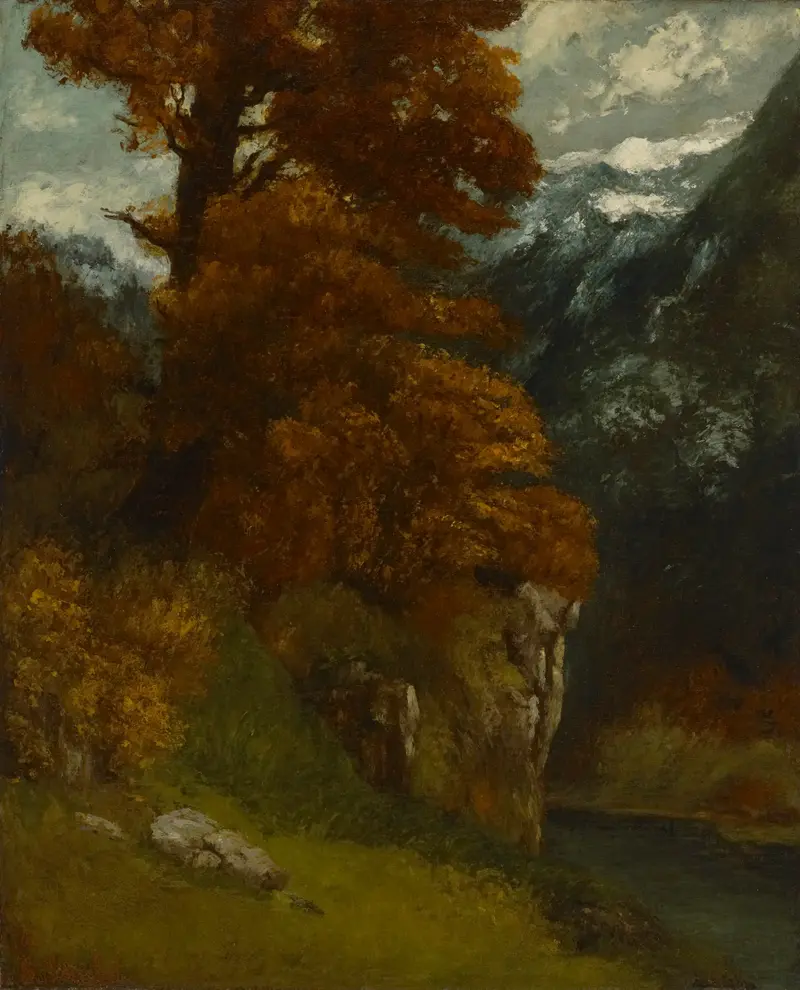
In The Brook of Les Puits-Noir, Gustave Courbet presents a tranquil scene of nature. The painting features a gentle stream surrounded by lush greenery and trees. The colors are rich and vibrant, with varying shades of green and hints of blue in the water.
The overall composition evokes a sense of peace and harmony with the natural world. Courbet's technique in this painting showcases his commitment to realism. The brushwork is detailed yet fluid, capturing the movement of water and the texture of foliage. The use of light and shadow adds depth, enhancing the three-dimensional quality of the landscape.
Viewers can appreciate the meticulous attention to detail in the depiction of the natural elements. Gustave Courbet was a leading figure in the Realism movement, emphasizing the importance of depicting everyday life and nature. This painting, created in the 1860s, reflects his dedication to portraying the beauty of the natural world. An interesting fact about this work is that it was inspired by Courbet's own experiences in the French countryside, showcasing his deep connection to nature.
More Artworks by Gustave Courbet
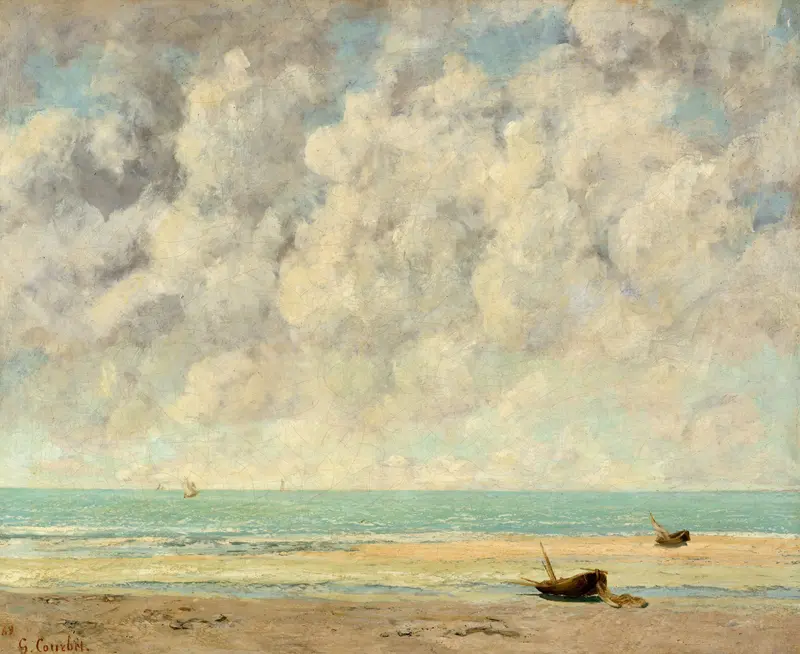
The Calm Sea
Gustave Courbet

A Burial at Ornans
Gustave Courbet
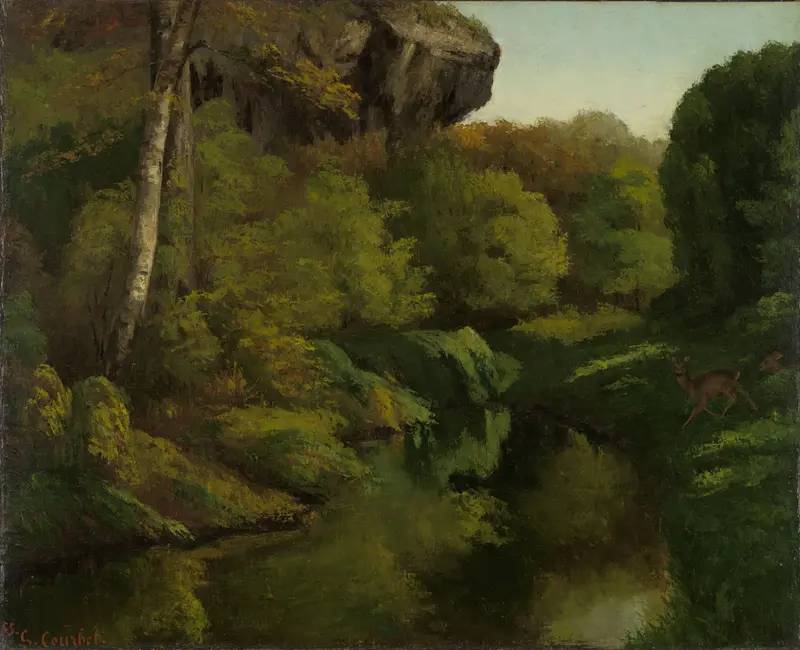
View in the Forest of Fontainebleau
Gustave Courbet
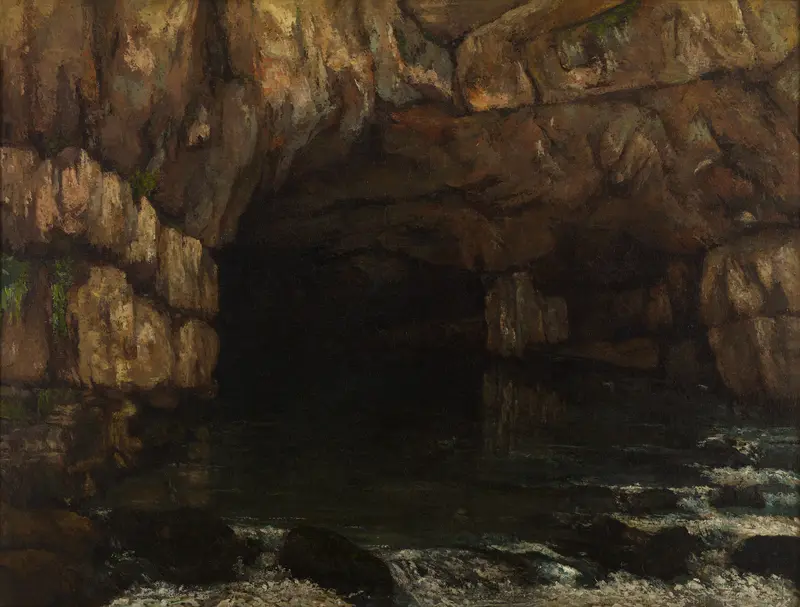
La source de la Loue (The Source of the Loue)
Gustave Courbet
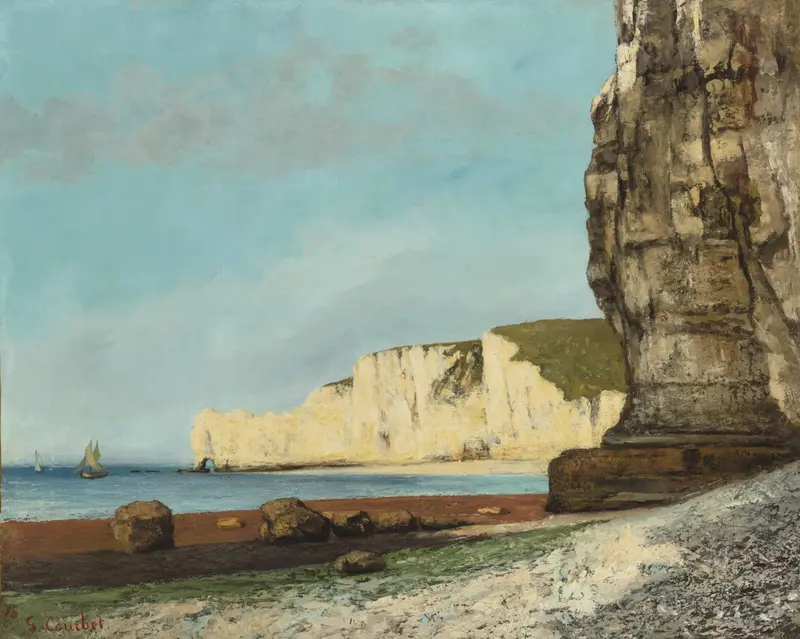
Étretat; Les Falaises
Gustave Courbet
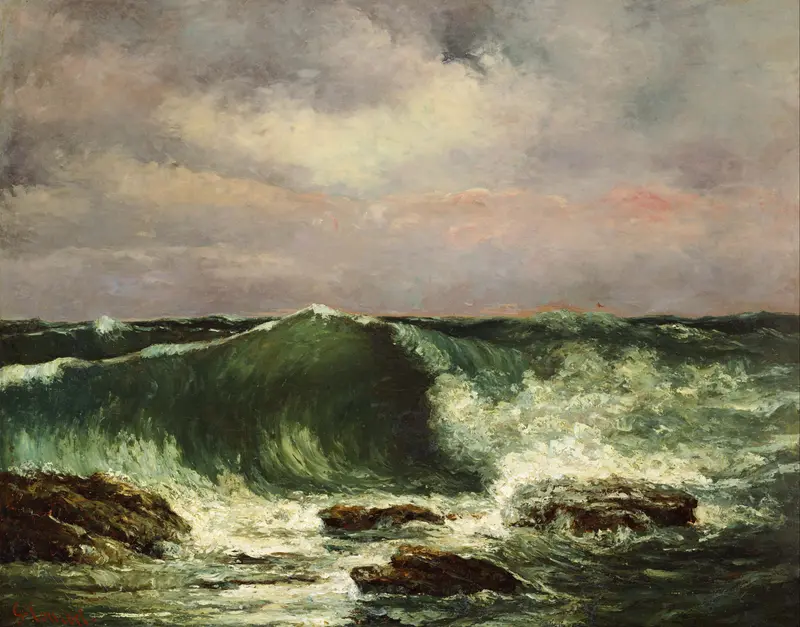
Waves
Gustave Courbet
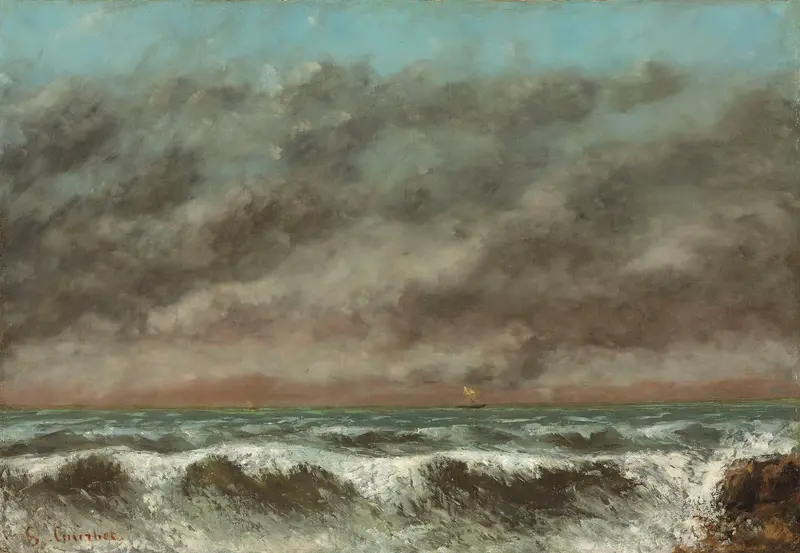
Marine
Gustave Courbet
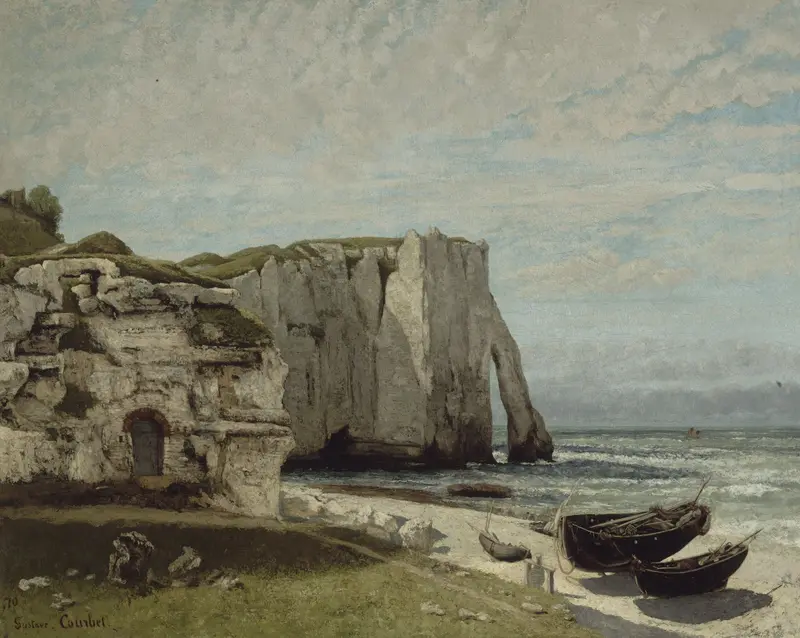
The Etretat Cliffs after the Storm
Gustave Courbet
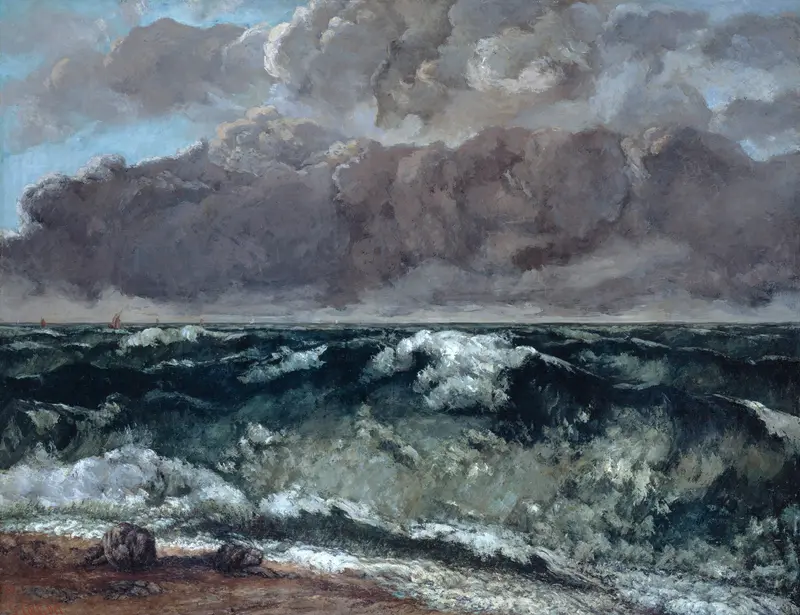
The Wave
Gustave Courbet
The Glen at Ornans (Bords du Doubs; Effet d’Automne)
Gustave Courbet
More Landscape Art

Starry Night
Vincent van Gogh

View of Delft
Johannes Vermeer

Water Lilies
Claude Monet

The Grand Canal, Venice, looking north-west from the Ca' Corner to the Ca' Contarini degli Scrigni, with the campanile of Santa Maria della Carità
Canaletto

Windsor Castle
Canaletto

The Grand Canal looking North-East from the Palazzo Dolfin-Manin to the Rialto Bridge
Canaletto