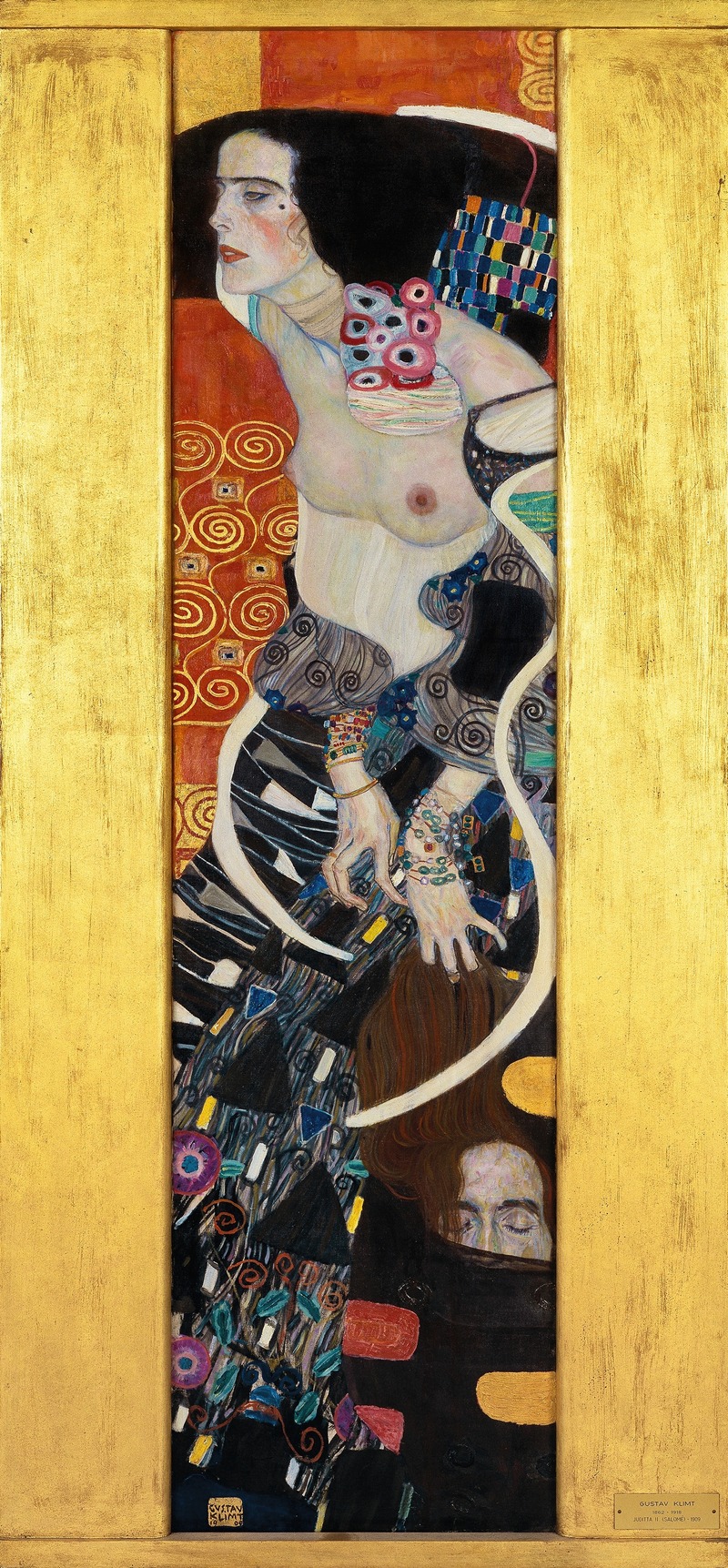
Discover insights about this artwork
Origin of the World — History & Facts
In Origin of the World, Gustave Courbet presents a direct and striking depiction of female anatomy. The painting features a close-up view of a woman's torso, with an emphasis on the natural forms and textures of the body. The colors are rich and earthy, dominated by warm skin tones and soft shadows.
The background is dark, which enhances the focus on the figure and creates a sense of intimacy. This painting measures approximately 46.5 x 55 cm and is created using oil on canvas. Courbet's technique showcases his skill in realism, with detailed brushwork that captures the nuances of light and shadow on the skin. The composition is bold and unapologetic, challenging the viewer's perceptions of art and the female form.
The work is notable for its frankness and has sparked discussions about sexuality and representation in art. Gustave Courbet was a leading figure in the Realism movement, which sought to depict everyday life without idealization. Origin of the World, painted in 1866, is one of his most controversial works, often discussed for its explicit content. Interestingly, this painting was hidden from the public eye for many years and only became widely known in the 20th century.
Courbet's work continues to influence contemporary discussions about the representation of the body in art.
More Artworks by Gustave Courbet
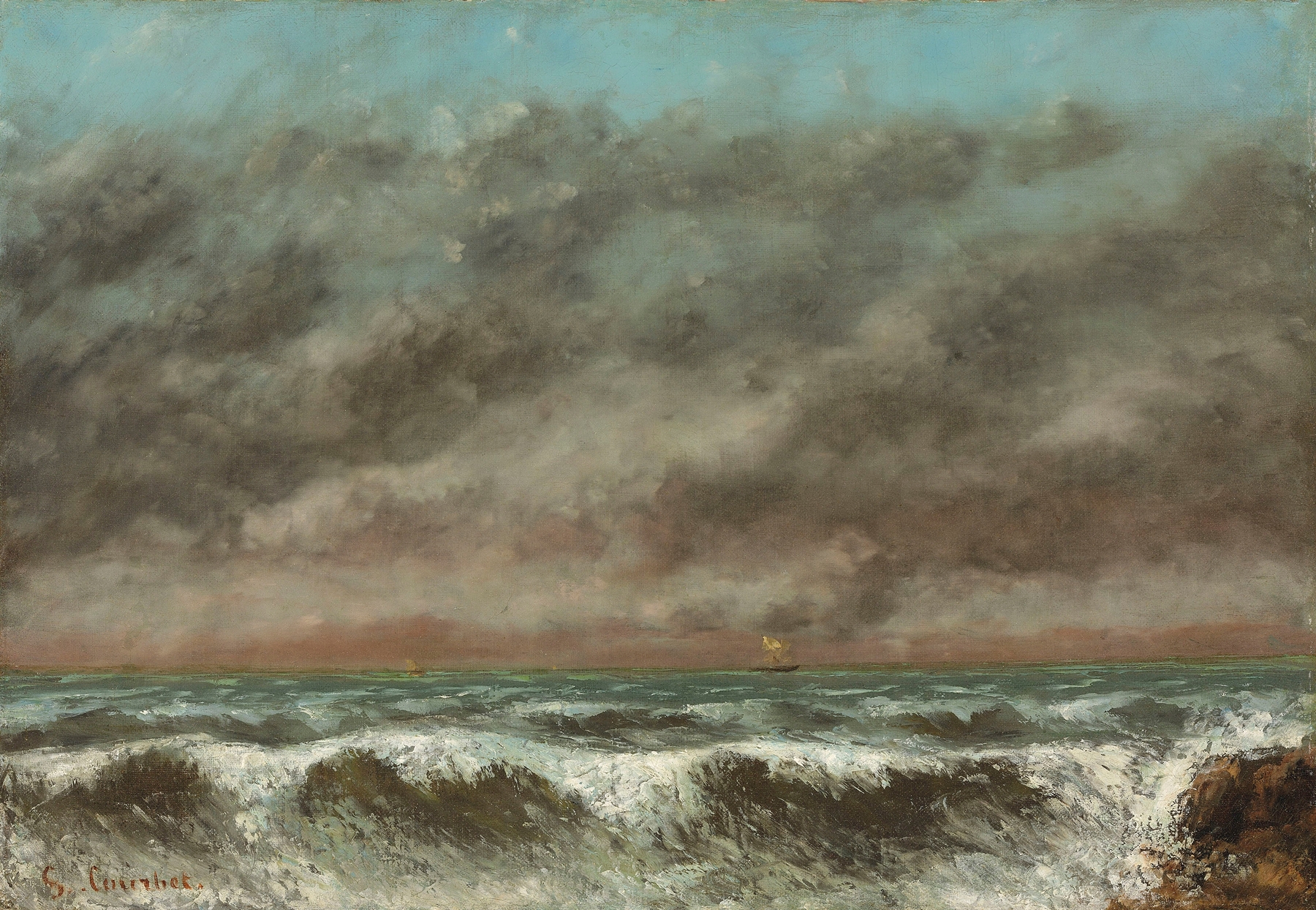
Marine
Gustave Courbet
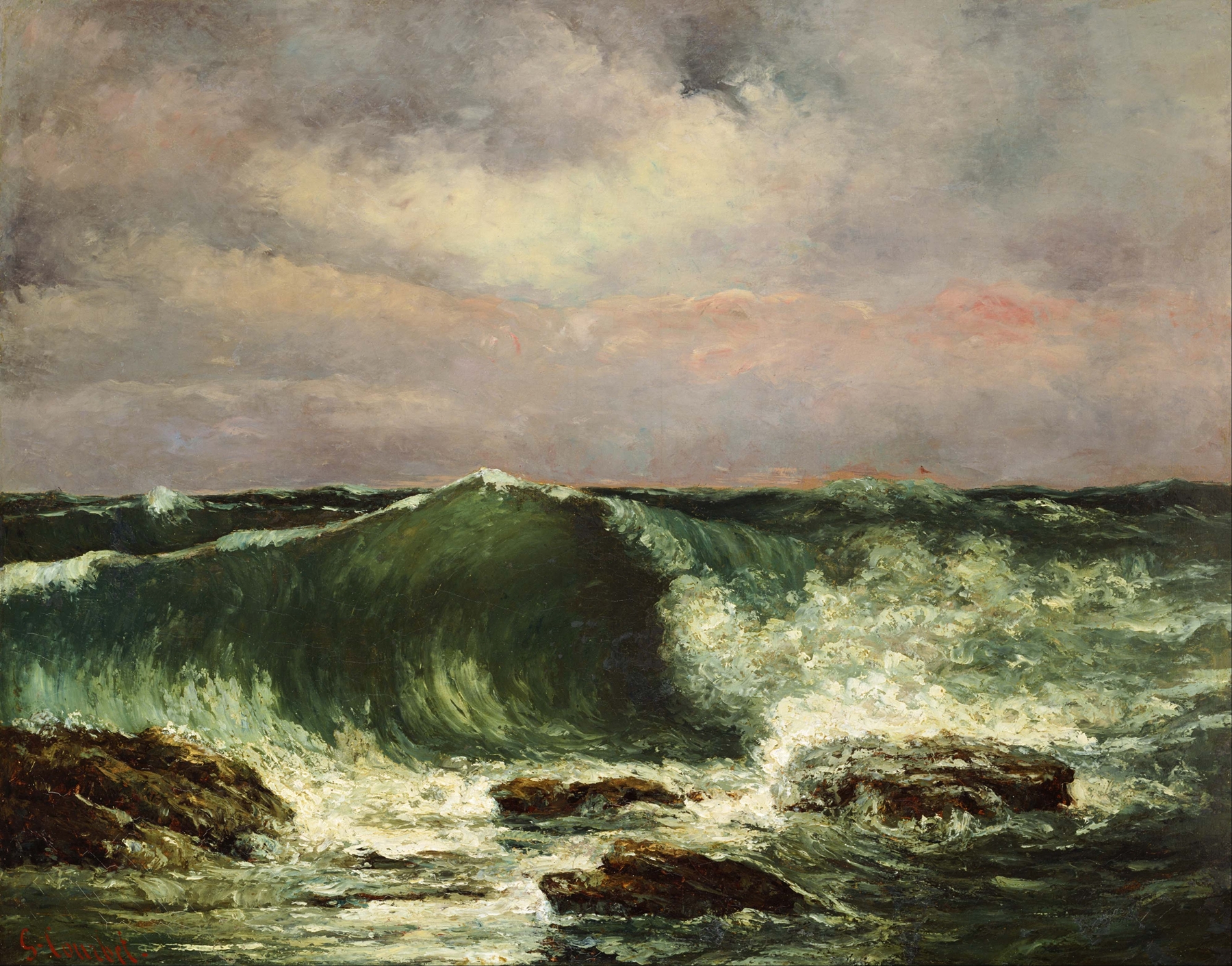
Waves
Gustave Courbet
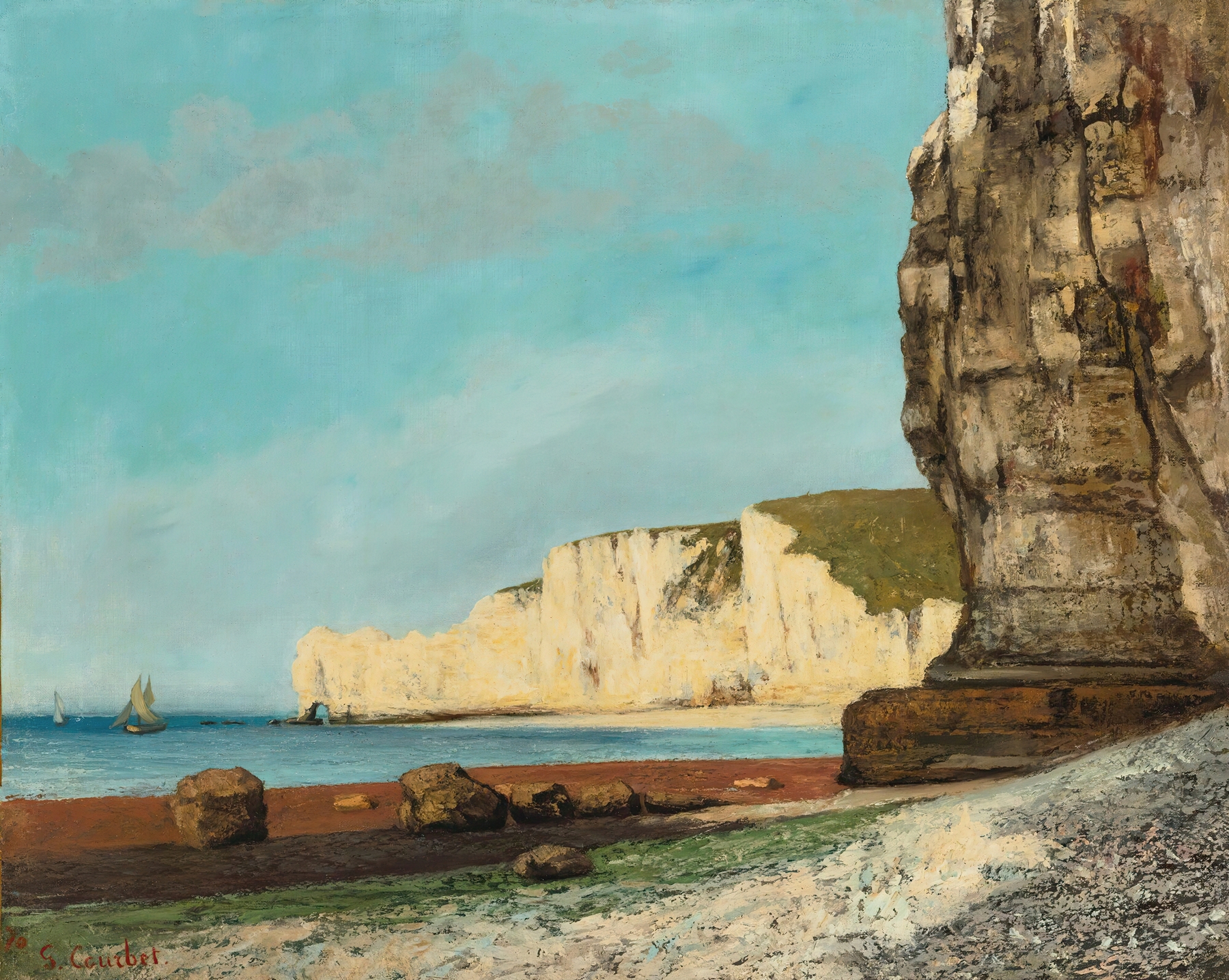
Étretat; Les Falaises
Gustave Courbet
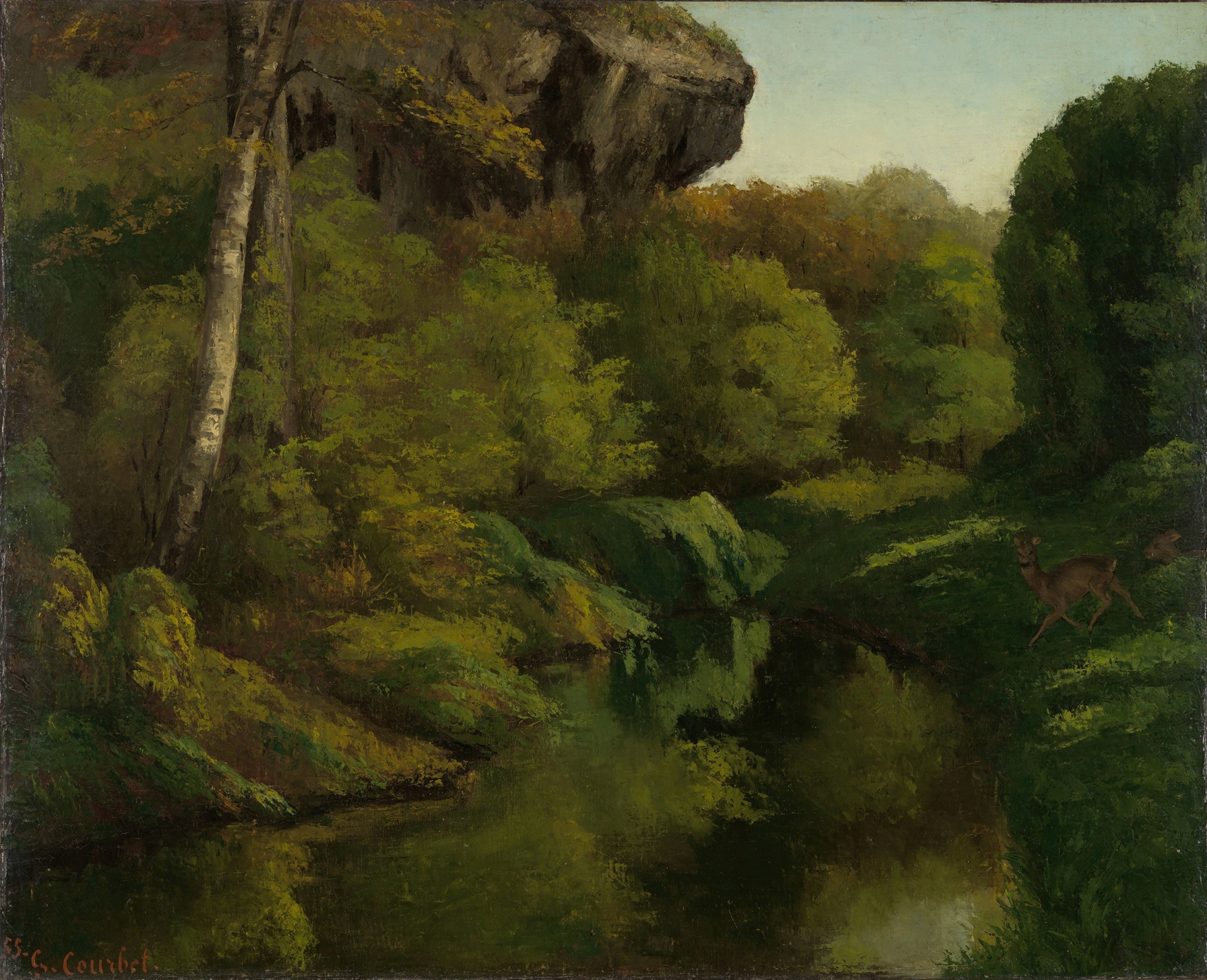
View in the Forest of Fontainebleau
Gustave Courbet
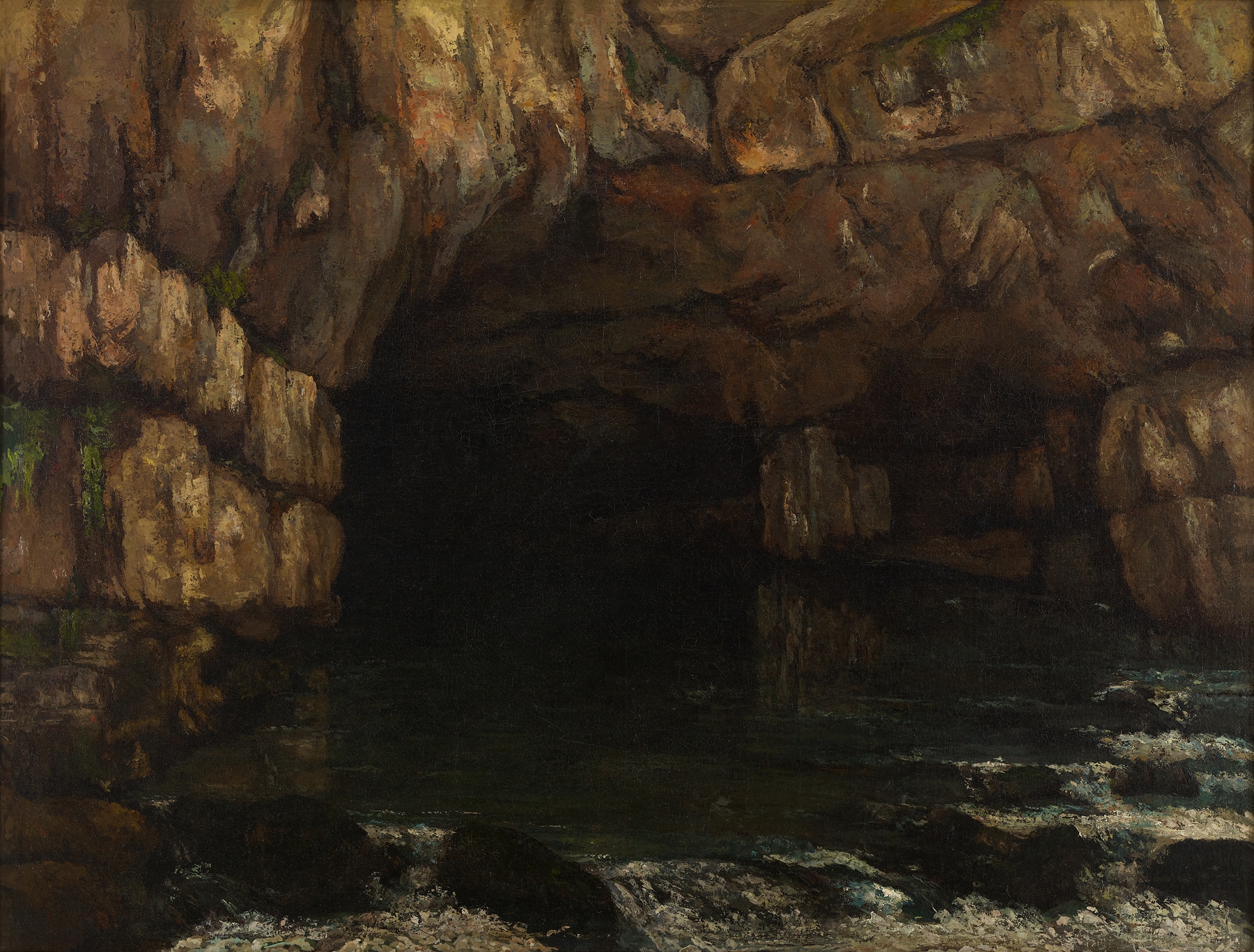
La source de la Loue (The Source of the Loue)
Gustave Courbet
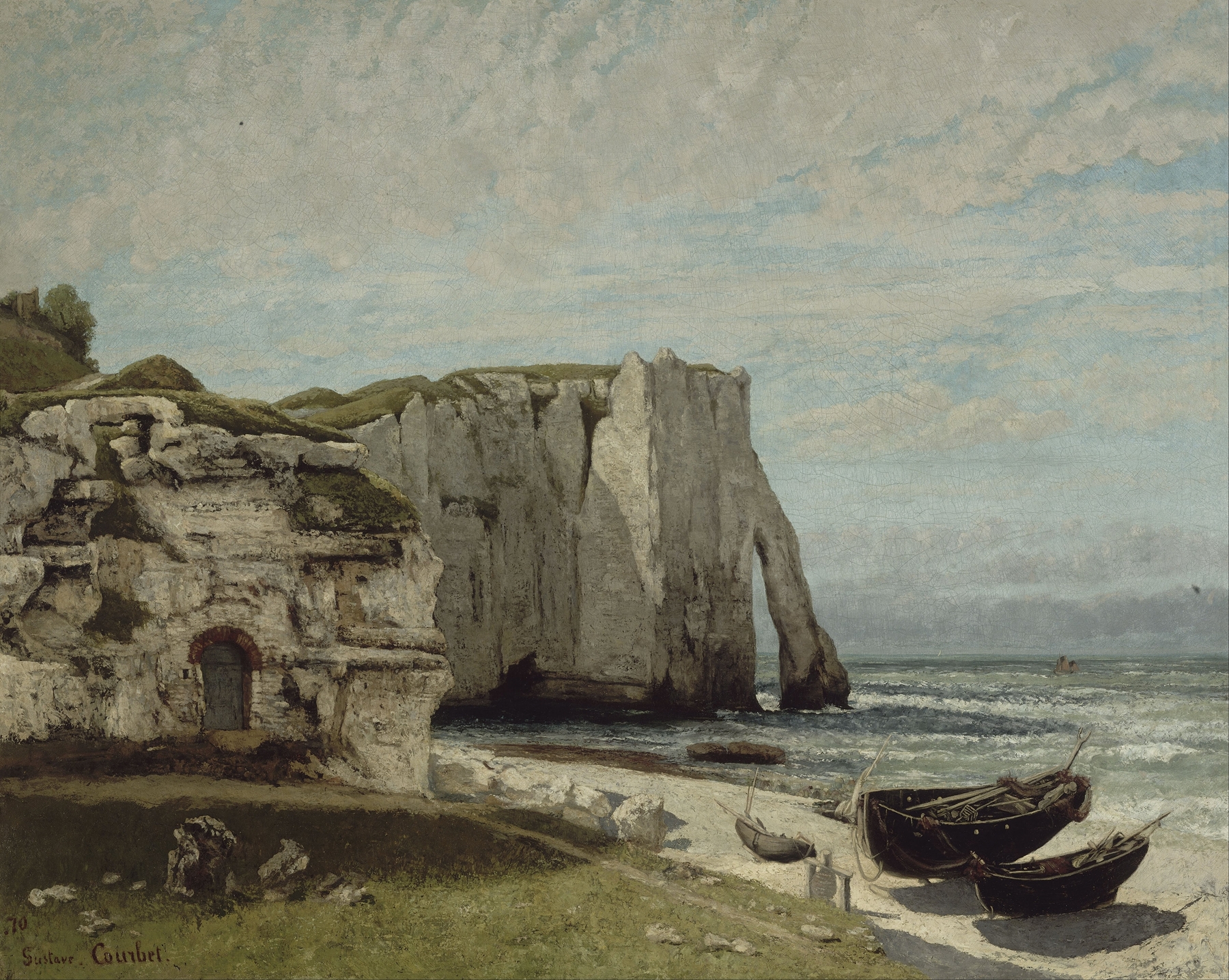
The Etretat Cliffs after the Storm
Gustave Courbet
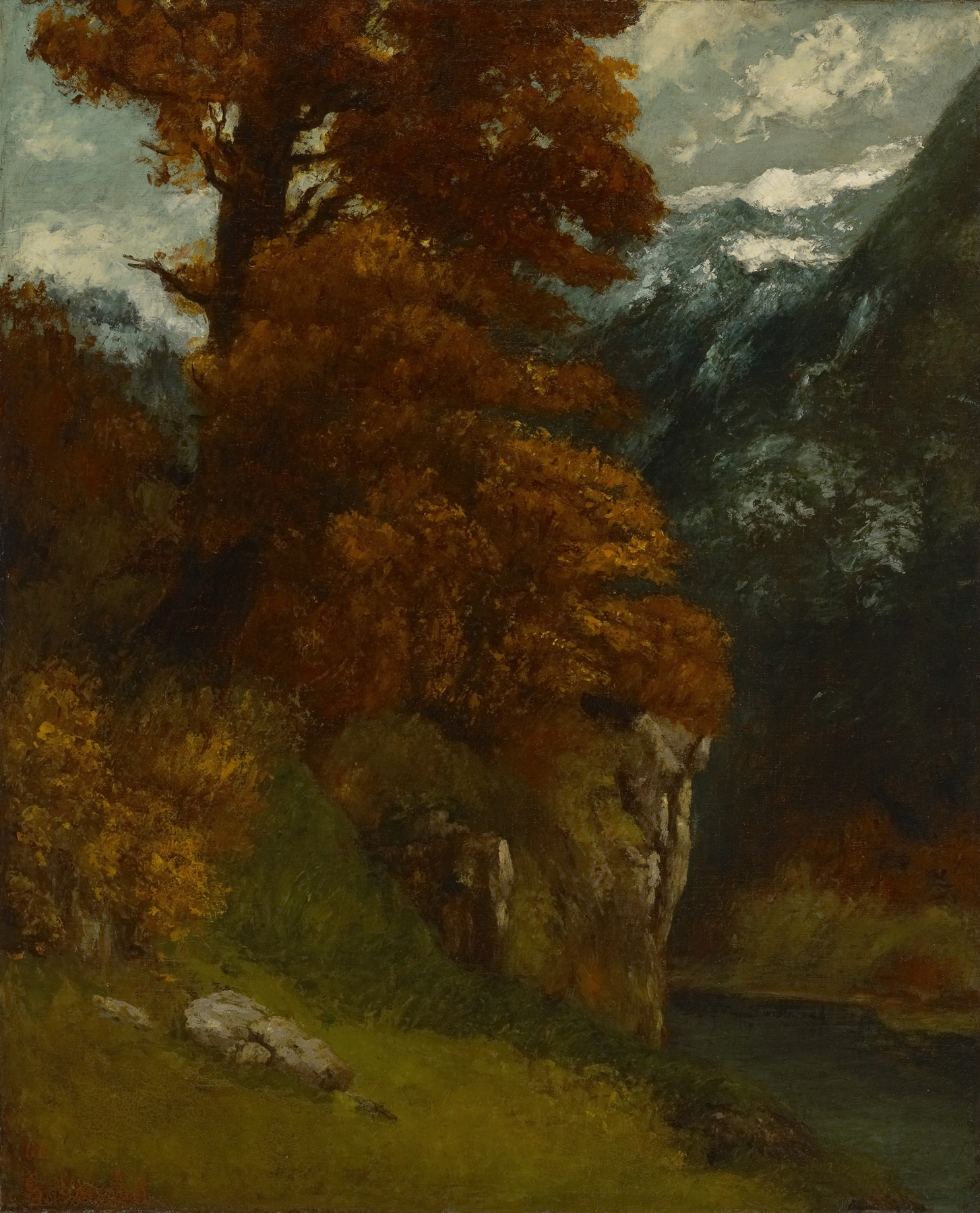
The Glen at Ornans (Bords du Doubs; Effet d’Automne)
Gustave Courbet
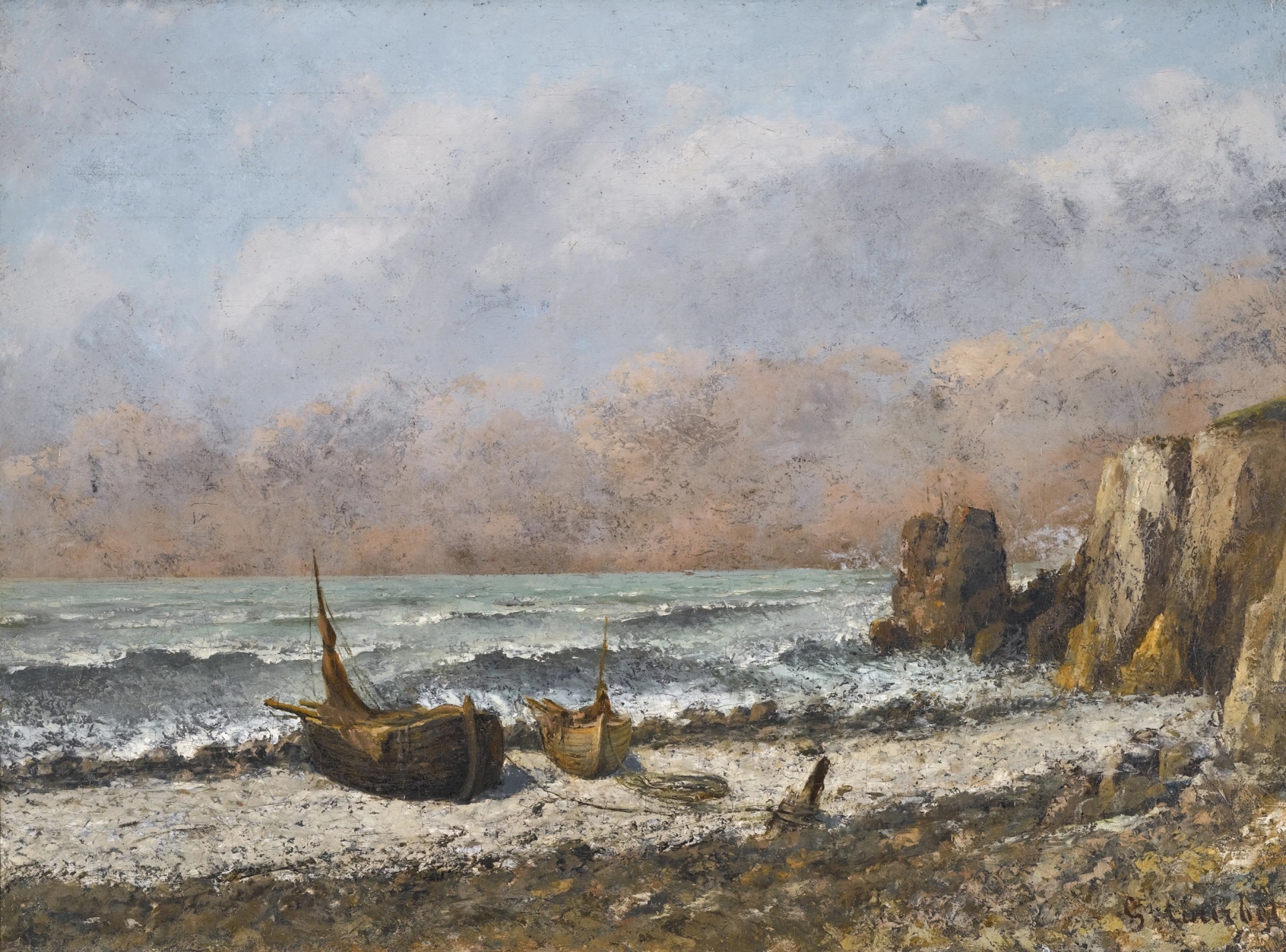
Deux bateaux sur la plage
Gustave Courbet
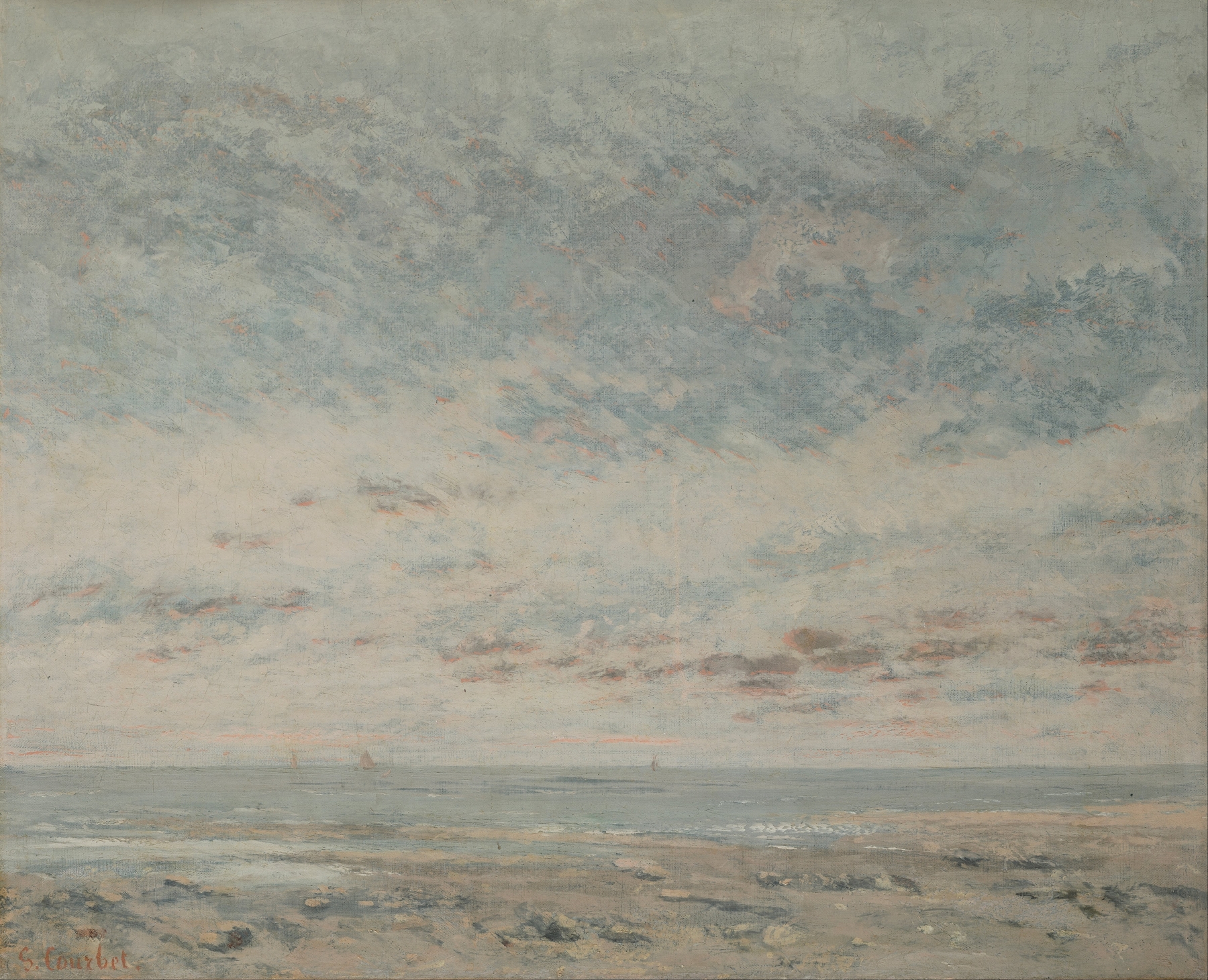
Low Tide at Trouville
Gustave Courbet
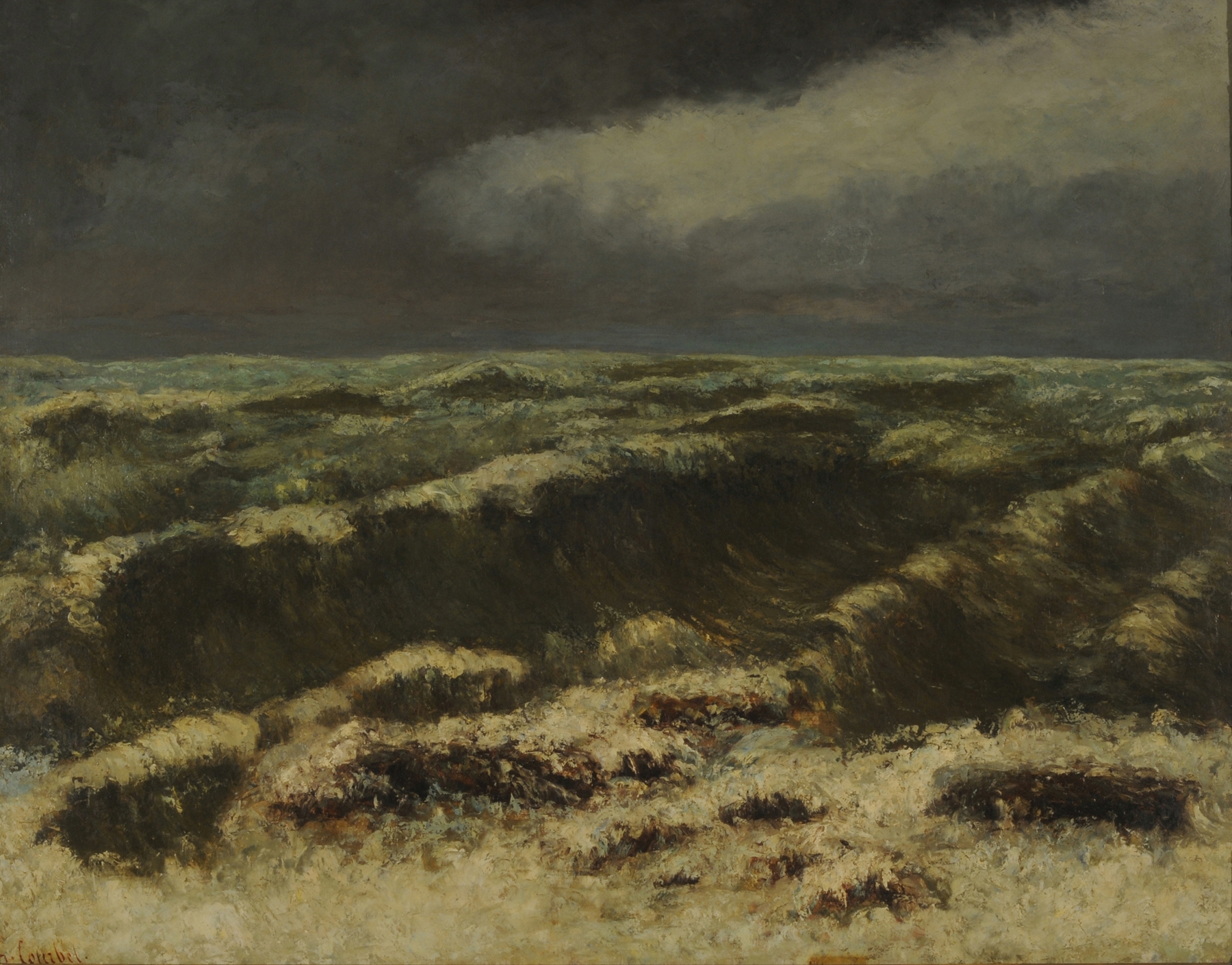
Mer Orageuse
Gustave Courbet