The Burg in Bruges — History & Facts
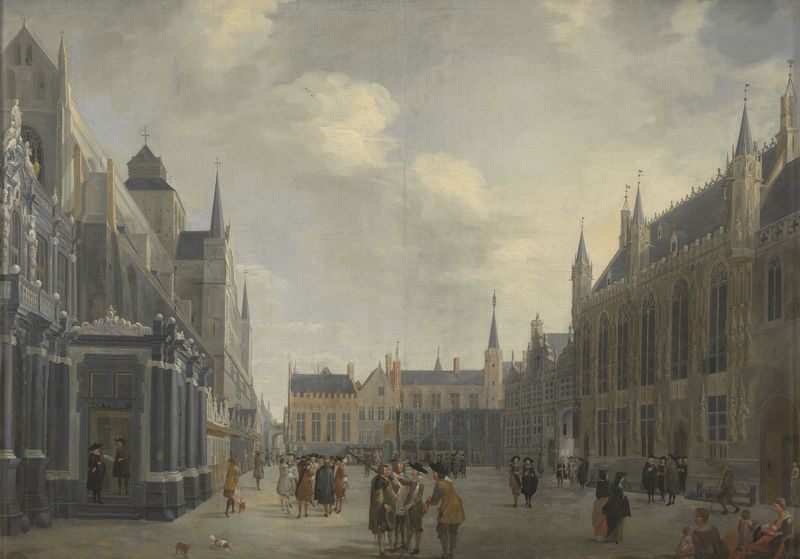
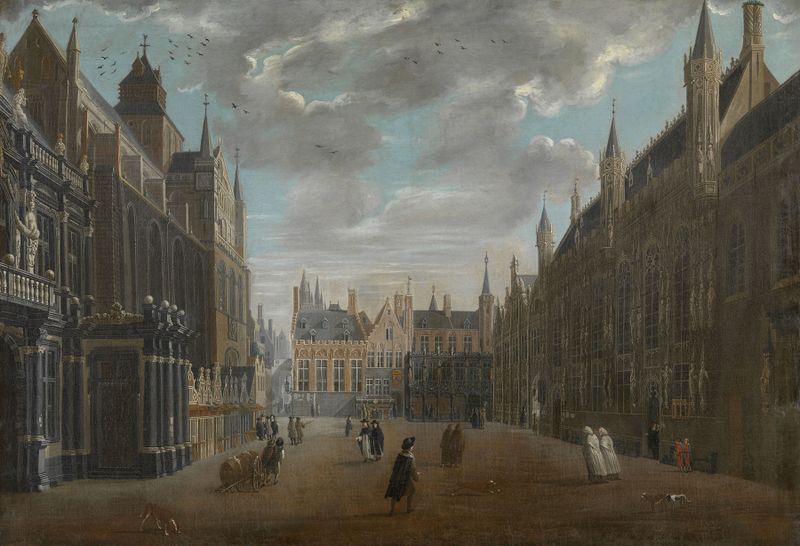
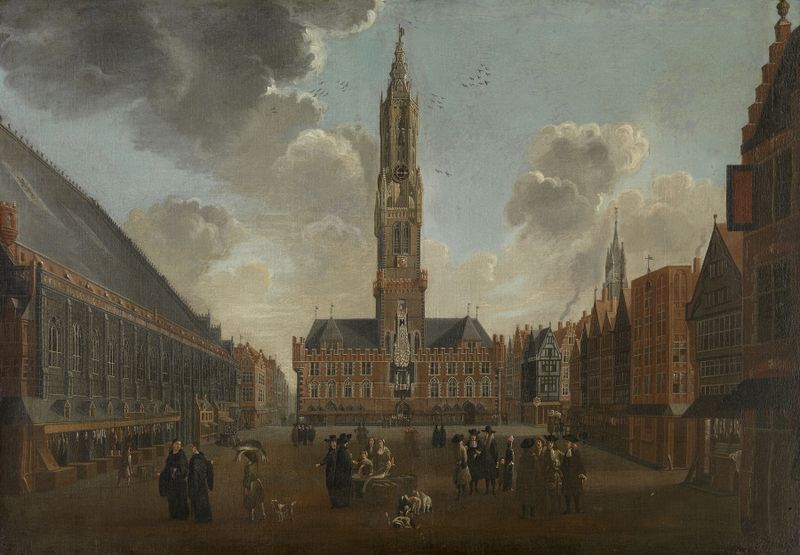
Where does light end, and longing begin? In the delicate strokes of this mid-17th-century painting, one can almost feel the weight of time suspended in the air, a quiet yet palpable tension that invites deeper reflection. Look to the horizon, where the soft glow of the setting sun kisses the rooftops of Bruges. The warm hues of gold and amber contrast against the cool blues of the encroaching evening sky, creating a dialogue between day and night. Observe the meticulous detailing of the architecture, where van Meunincxhove's expert brushwork captures both the solidity of the structures and the ephemeral quality of twilight.
The stillness of the water mirrors this delicate balance, offering a serene counterpoint to the bustling life that once thrived in the city's heart. Hidden within this tranquil landscape are whispers of nostalgia, of a time when the waterways sang with the laughter of traders and townsfolk. The juxtaposition of light and shadow evokes a sense of longing, a yearning for moments that have slipped through the fingers of history. The scattered clouds, painted with a deft hand, seem to echo the fleeting nature of existence, reminding us that every sunset carries the promise of another dawn yet also the melancholy of what has been left behind. In 1672, this artist created his work amidst a burgeoning interest in landscape painting, echoing the Baroque sensibilities of his time.
Living in Bruges, a city rich with cultural exchange, he was influenced by both the artistic developments in Flanders and the larger European movement toward realism. This piece reflects not only his personal mastery but also a broader narrative of an era grappling with its own past and the passage of time.