
The calamity of the night of July 1st — History & Facts
Beneath the weight of despair, hope silently navigates the chaos of human experience. In a world where calamity unfolds, how do we discern the flicker of light amidst the shadows? Start by focusing on the central figure, a lone man, who commands attention with his outstretched arms. His silhouette stands stark against the tumultuous backdrop of dark, swirling clouds, hinting at the storm of emotions within.
Notice how the artist employs deep blues and blacks to convey the tumult of the night, while subtle touches of white illuminate the edges, suggesting an impending dawn — a visual promise of renewal in the midst of turmoil. Delve deeper into the contrasting elements at play: the chaotic movement of the clouds mirrors the fear and uncertainty of the moment, while the figure’s posture evokes both vulnerability and resilience. It’s as if Queen captures the very essence of human existence — grappling with tragedy, yet yearning for solace. The tension between despair and hope is palpable, a reminder that even in our darkest hours, we strive for meaning. In 1856, when this piece emerged from Queen's studio, the artist grappled with personal loss while immersing himself in a rapidly changing artistic landscape.
The mid-19th century was marked by Romanticism, a movement that sought to evoke deep emotional responses. Queen’s work reflects not just his internal struggles, but also the collective anxiety of a society facing change, tragedy, and the ever-looming promise of hope.
More Artworks by James Fuller Queen
Browse all →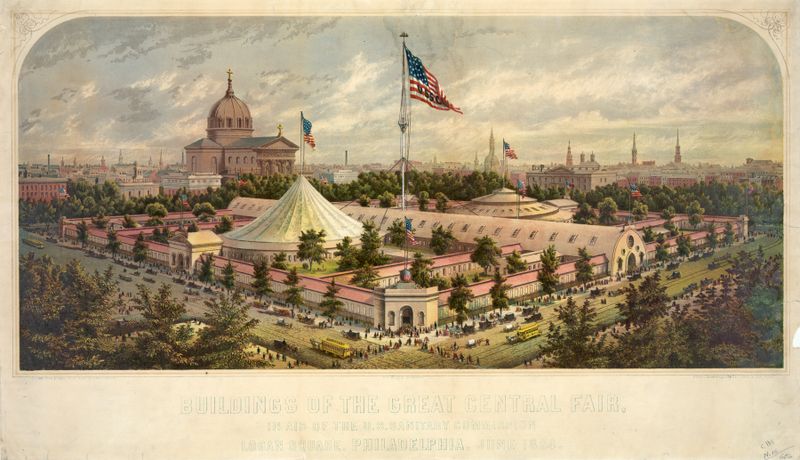
Buildings of the Great Central Fair, in aid of the U.S. Sanitary Commission, Logan Square, Philadelphia, June 1864
James Fuller Queen
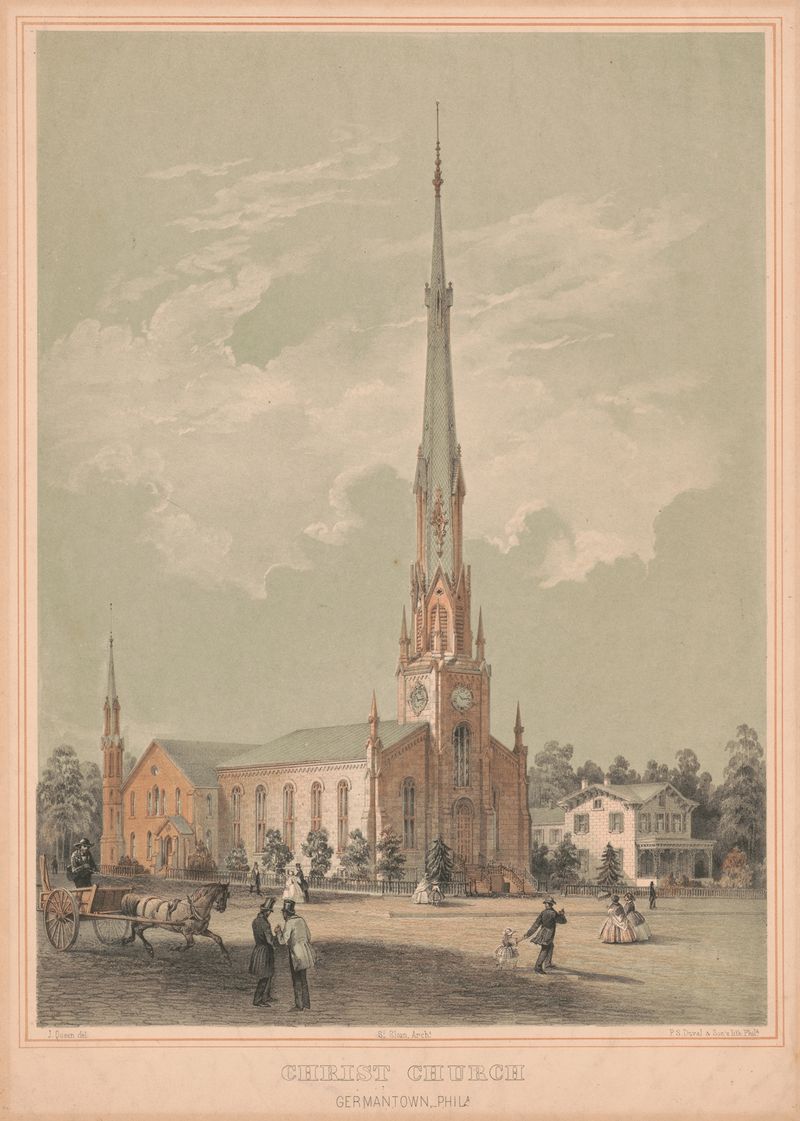
Christ Church, Germantown, Phila.
James Fuller Queen
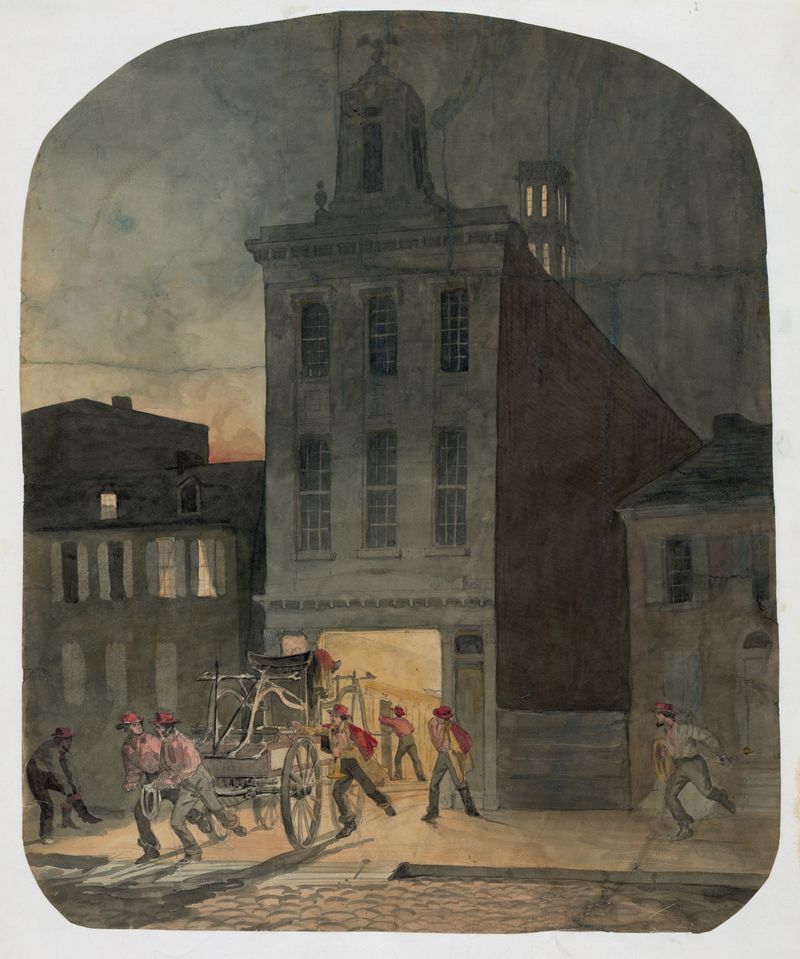
Firehouse scene in Philadelphia showing firemen from the Weccacoe Engine Company
James Fuller Queen
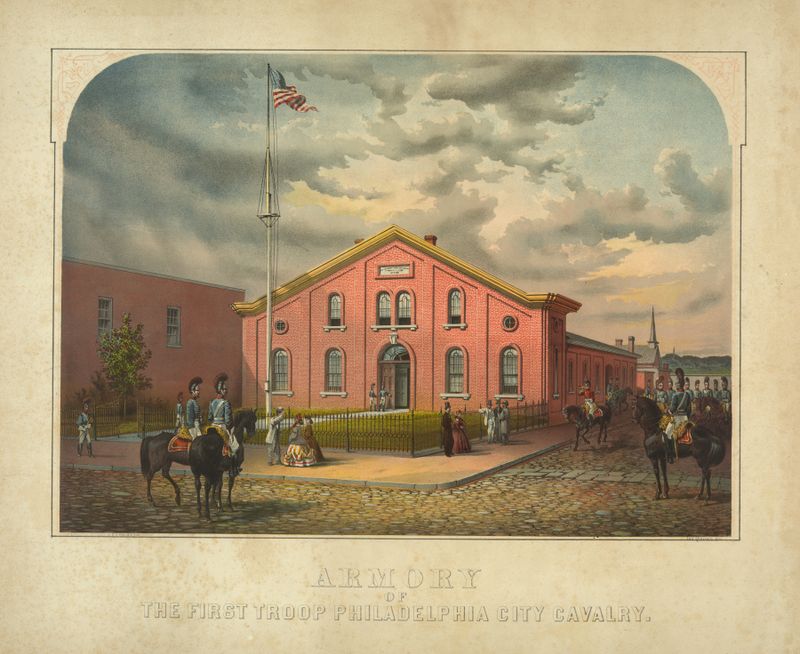
Armory of the First Troop Philadelphia City Cavalry
James Fuller Queen
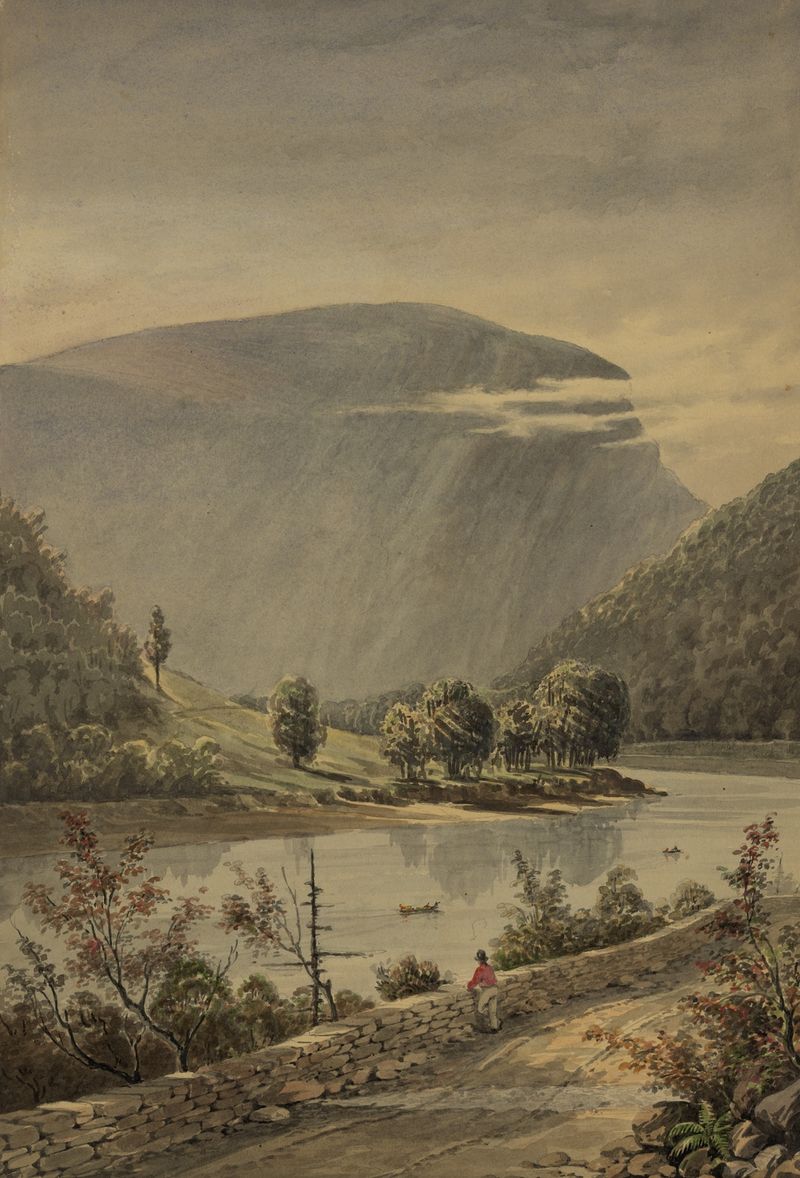
Delaware Water Gap
James Fuller Queen
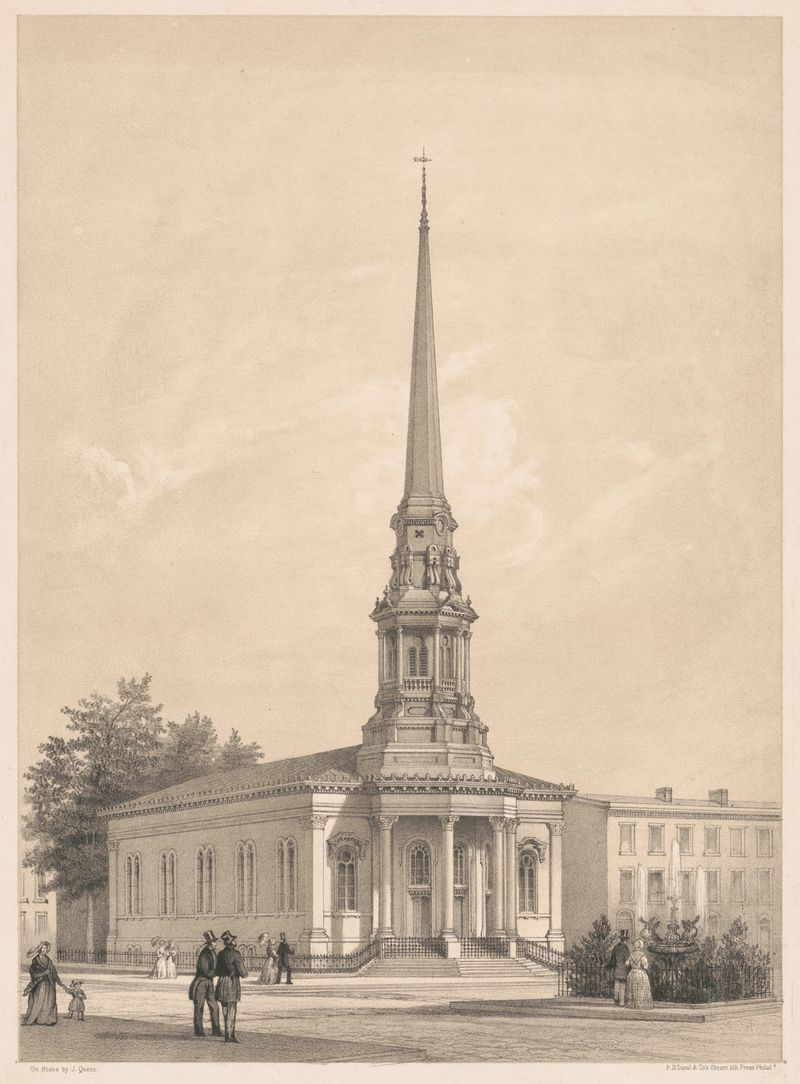
The Fourth Baptist Church, N.W. corner of Fifth & Buttonwood Streets, Philadelphia
James Fuller Queen
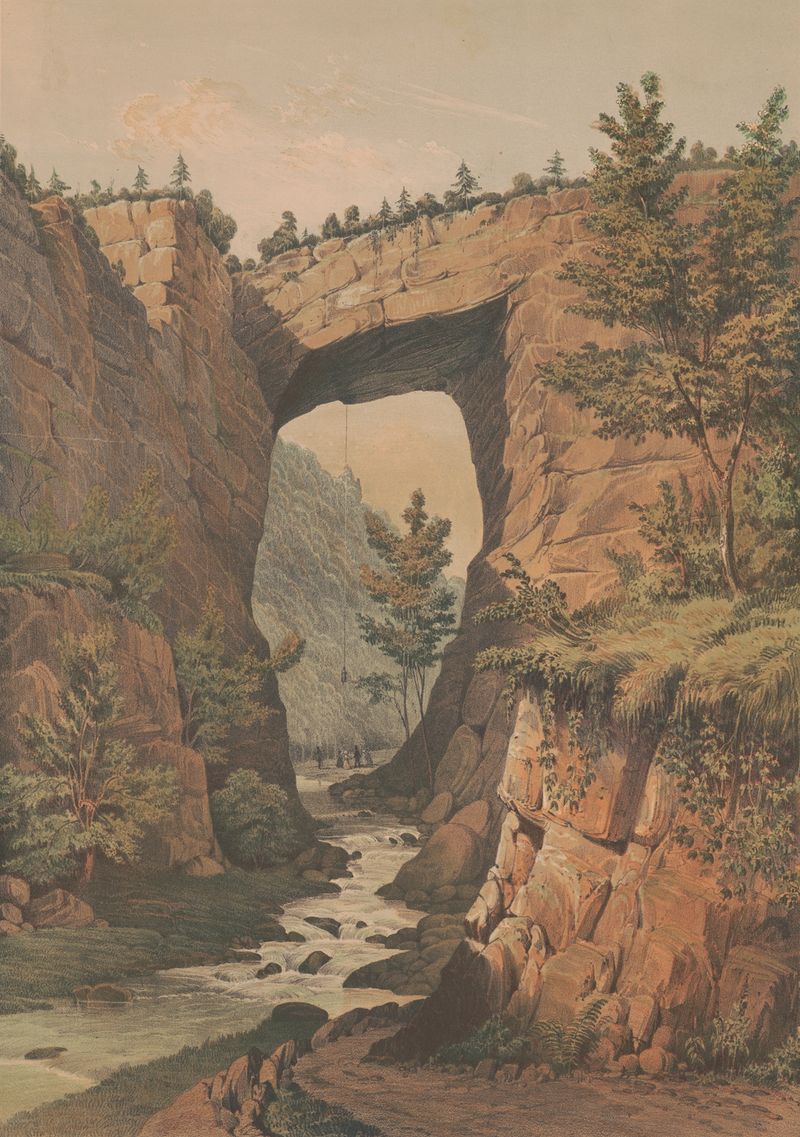
The natural bridge, Rockbridge County, Va. from a sketch by Maj. Ths. H. Williamson
James Fuller Queen
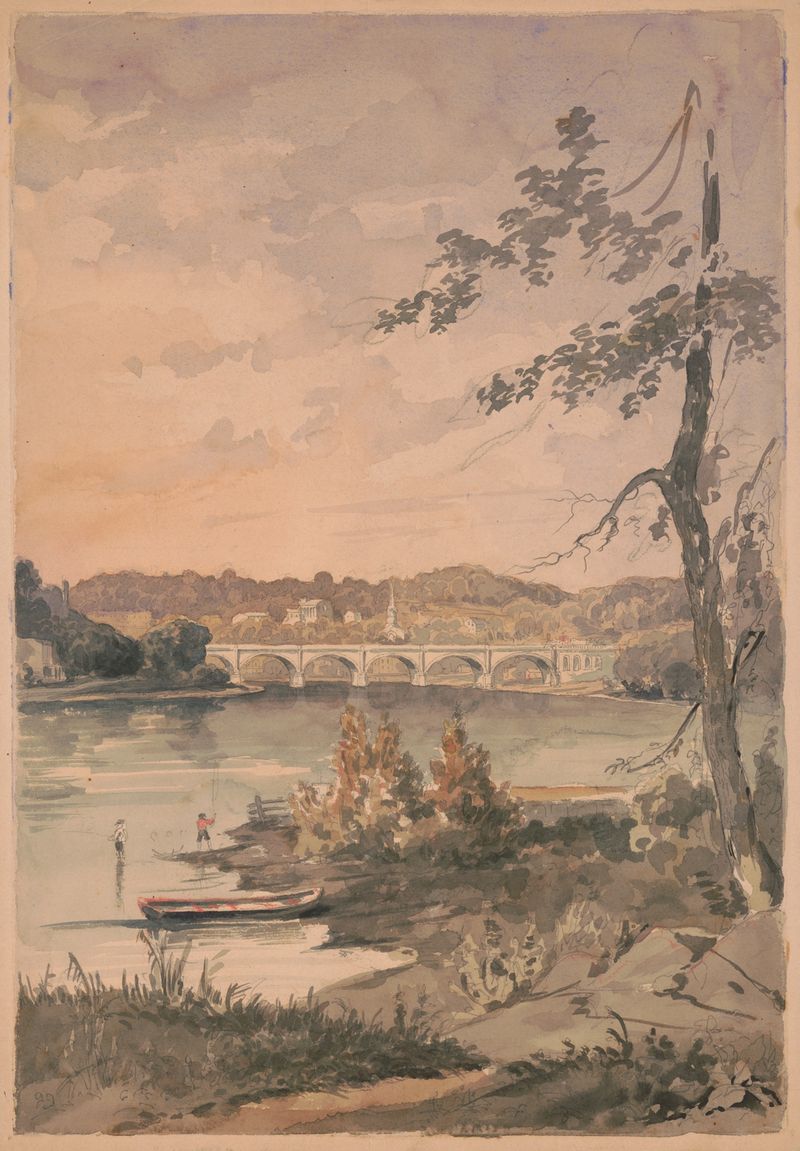
Boys fishing on the banks of the Schuylkill River in Philadelphia
James Fuller Queen

Schuylkill Arsenal at sunset, from across the Schuylkill River, looking west
James Fuller Queen

Explosion of the Alfred Thomas at Easton Pa. March 6th 1860
James Fuller Queen
More Historical Art
Browse all →
The Night Watch Militia Company of District II under the Command of Captain Frans Banninck Cocq
Rembrandt van Rijn

Lincoln Memorial
Henry Bacon

The Third of May 1808
Francisco de Goya

Isaac and Rebecca, Known as ‘The Jewish Bride’
Rembrandt van Rijn

The Charge of the Mamelukes (1814)
Francisco de Goya

De vier ruiters van de apocalyps
Albrecht Dürer