
The Cannon at Derwentwater — History & Facts
The fleeting nature of existence is captured within a landscape that whispers secrets of fragility and resilience. Look to the horizon where the distant peaks rise, their delicate contours bathed in a warm, golden light. The foreground beckons with a gentle interplay of rich hues, while the tranquil waters of Derwentwater reflect both the serenity and turbulence of the scene. Notice how the scattered clouds above seem to cradle the landscape, their soft edges contrasting with the sharp details of the cannon, an emblem of human invention set against nature's grandeur. At first glance, the majestic cannon might suggest a sense of strength, yet its placement reveals vulnerability.
Encircled by the lush, verdant surroundings, it stands as a reminder of the transitory nature of power and conflict. The juxtaposition of the hard metal against the soft beauty of the land speaks to the complexities of human ambition versus the gentle sway of the natural world, prompting a reflection on the cost of progress. Created in 1837, this work emerged during a period of significant change for Thomas Fearnley, who was deeply influenced by the Romantic movement's celebration of nature. Living in Norway, he sought to bridge the gap between Romanticism and the emerging realism in European art.
His experiences during travels in England, including the picturesque landscapes of the Lake District, shaped this piece, marking a moment where he blended personal vision with the collective longing for connection and harmony with nature.
More Artworks by Thomas Fearnley
Browse all →
Norwegian Landscape, Marumfoss
Thomas Fearnley

View of the Oslofjord
Thomas Fearnley

Gudvangen
Thomas Fearnley

Stormy Landscape with a Rider
Thomas Fearnley
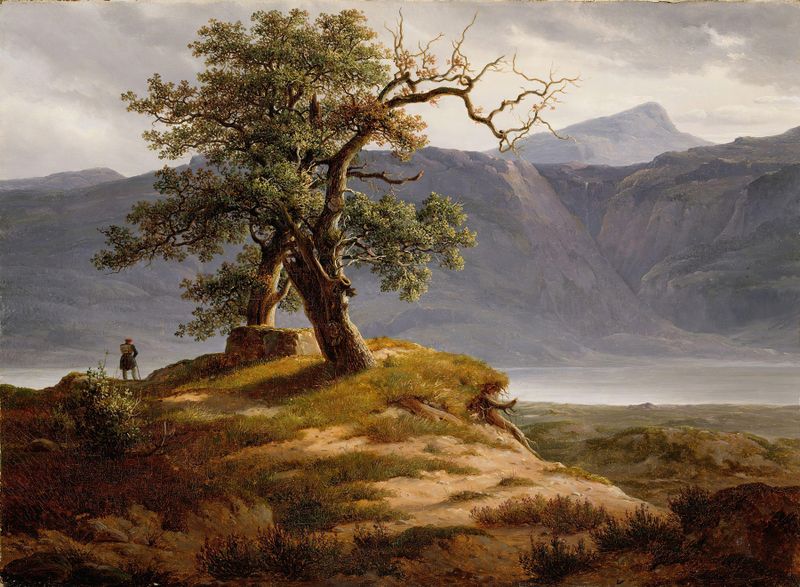
Landscape with a Wanderer
Thomas Fearnley
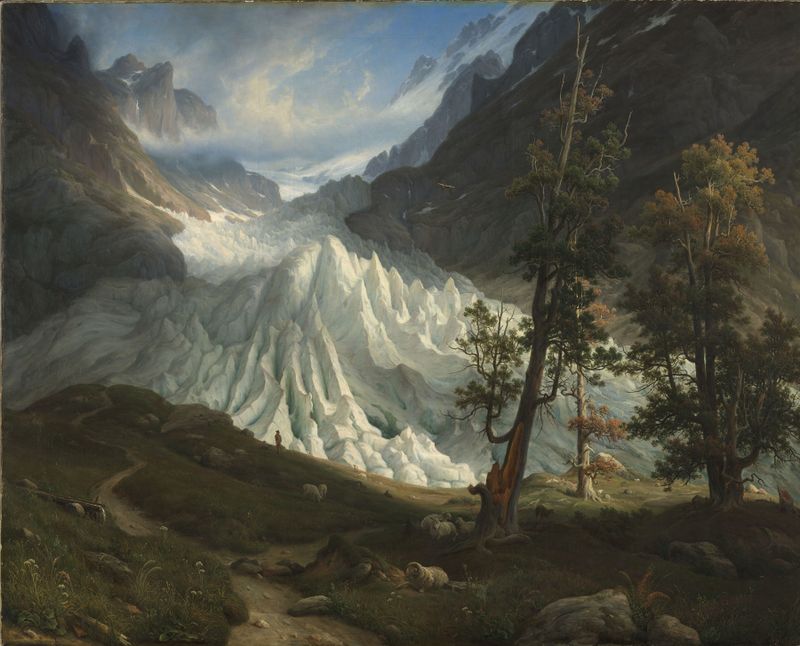
The Grindelwaldgletscher
Thomas Fearnley

Clouds over the Fjord
Thomas Fearnley
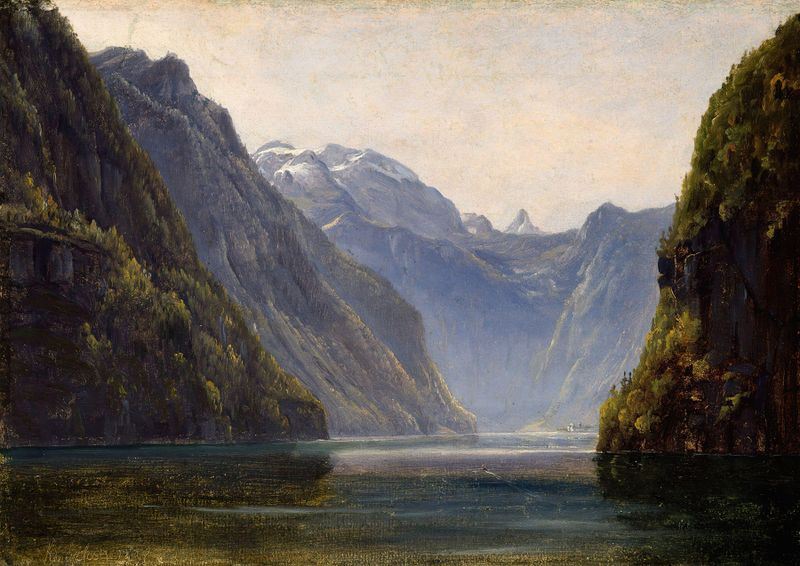
From Königssee
Thomas Fearnley

The Bridge of Hauge outside Arendal
Thomas Fearnley

King Vilhelm II’s ceremonial Processsion in Amsterdam in 1840
Thomas Fearnley





