
The Cañon Of The Belle Fourche, Wyoming — History & Facts
What if silence could speak through light? In The Cañon Of The Belle Fourche, Wyoming, the vastness of the landscape captures a moment of rebirth, where nature unfolds its beauty in serene splendor. Look to the left at the delicate brushstrokes that form the rugged cliff faces, their earthy tones contrasting against the brilliant sky. Focus on the soft interplay of light as it dances across the canyon floor, illuminating hidden crevices and whispering secrets of the earth beneath. The composition draws the eye along the winding river, inviting a sense of movement and exploration, while layers of color convey both depth and a fragile tranquility. Within this captivating scene lies the tension between the majestic and the intimate.
The towering cliffs signify strength and permanence, yet the gentle flow of the river hints at the passage of time and the cycles of renewal. Notice how the interplay of light and shadow creates a dialogue between the solid rock and the ephemeral qualities of water, revealing the delicate balance of life within the wilderness. In 1892, Moran painted this work during a period of artistic exploration and expansion in American landscapes. At that time, he was deeply inspired by the natural world and the need for preservation, a reflection of the burgeoning conservation movement.
In capturing this majestic canyon, he sought to express the grandeur of the American West while emphasizing the importance of its protection for future generations.
More Artworks by Thomas Moran
Browse all →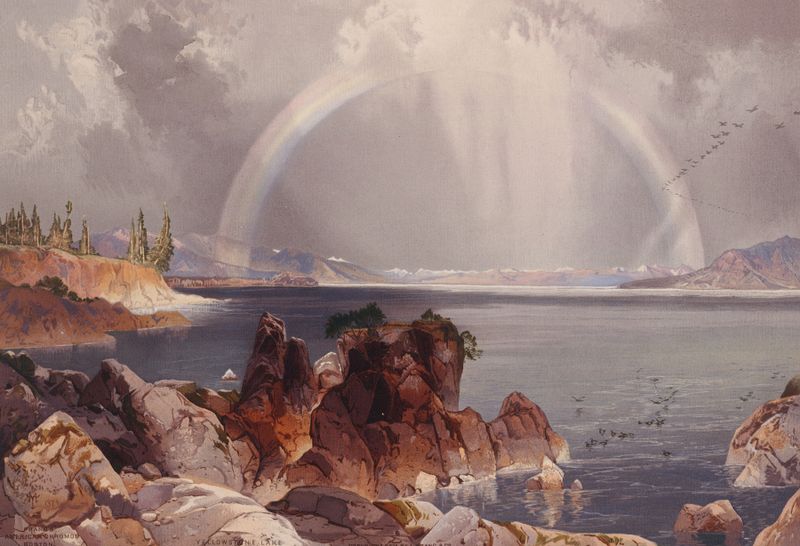
Yellowstone Lake
Thomas Moran

Grand Canyon of the Colorado River
Thomas Moran

Grand Canyon, Colorado River
Thomas Moran

The Towers of Tower Falls, Yellowstone
Thomas Moran
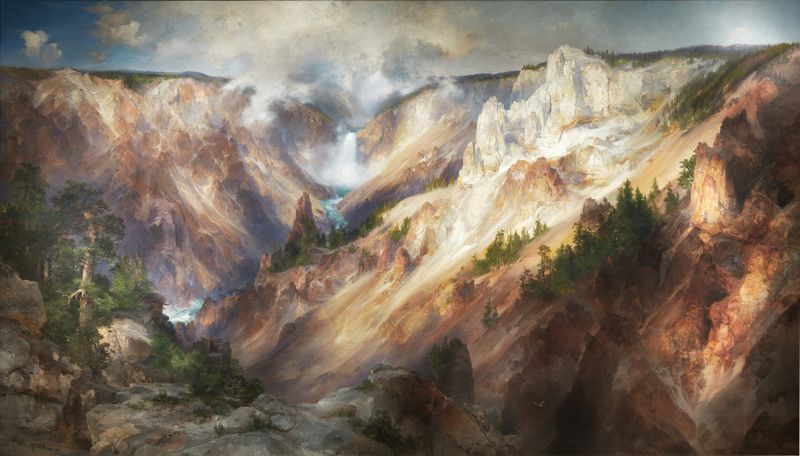
The Grand Canyon Of The Yellowstone
Thomas Moran

Mountain of the Holy Cross
Thomas Moran

Cliffs Of The Upper Colorado River, Wyoming Territory
Thomas Moran
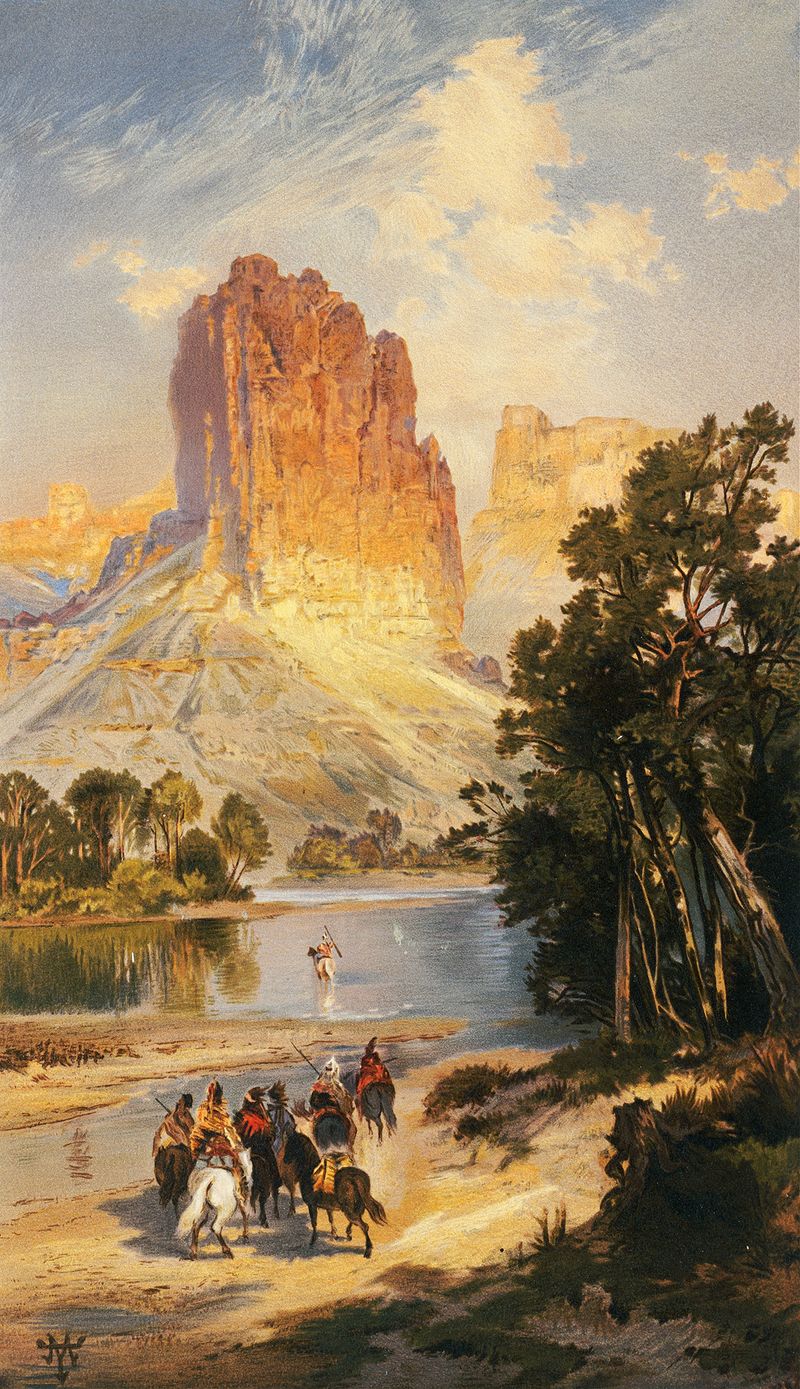
Cliffs of the Upper Colorado River, Wyoming Territory
Thomas Moran

Mammoth Hot Springs, Yellowstone
Thomas Moran
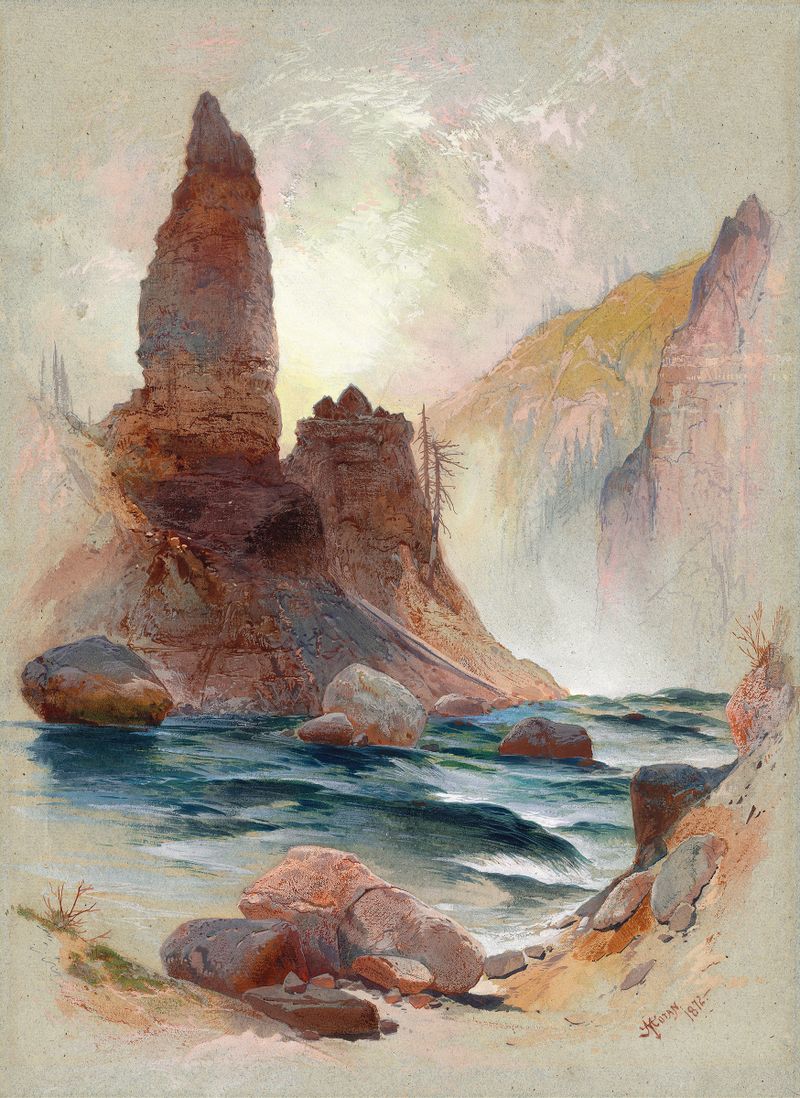
Tower at Tower Falls, Yellowstone
Thomas Moran





