
The Carousal (Scene from Faust?) — History & Facts
In a world clothed in vibrant revelry, the weight of grief often lurks beneath the surface, unbidden and heavy. The spectacle of laughter and joy masks the aching hearts, a poignant reminder that sorrow and celebration are often intertwined. Look to the center of the canvas, where the carousel spins in dizzying delight, its painted horses arching their necks as if caught in mid-gallop. Notice the vivid colors—the deep reds and golds—that contrast starkly with the somber expressions of the onlookers.
The brushwork is dynamic, capturing movement and energy while simultaneously invoking a sense of stillness in those who gaze upon the scene. The interplay of light and shadow plays a critical role; it dances across the faces, revealing fleeting moments of joy, yet hinting at deeper, unexpressed emotions. Beneath the jubilant exterior lies an undercurrent of melancholy. The faces surrounding the carousel tell their own stories—some filled with wistfulness, others with longing.
A child reaches for the horses, embodying innocence and hope, while an adult nearby clutches their coat tighter, as if seeking comfort from the memories that swirl in the air. This duality is a powerful reminder that love and loss often coexist, weaving a complex tapestry of human experience. Created during a period of shifting artistic movements in France, this work emerged around 1860–70, a time marked by the rise of Impressionism and changing societal norms. The artist, part of a vibrant French school, sought to capture not just the beauty of the moment but also the unspoken stories that lie beneath.
In the context of a society grappling with rapid change, this piece resonates with a profound sense of longing and the bittersweet nature of memory.
More Artworks by French School
Browse all →
Architectural Landscape with Belisarius Receiving Alms
French School
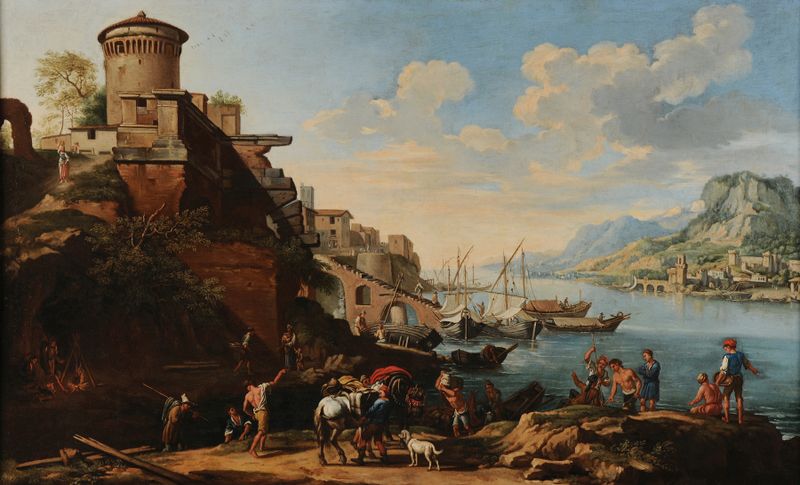
Paysage
French School

The Ponte Salario with Laundresses
French School

Still Life with Eggs and a Leg of Mutton
French School

The Carousal (Scene from Faust?)
French School

The Cave Of Neptune At Tivoli
French School

Portrait of a Lady
French School

A river landscape with figures by ruins
French School
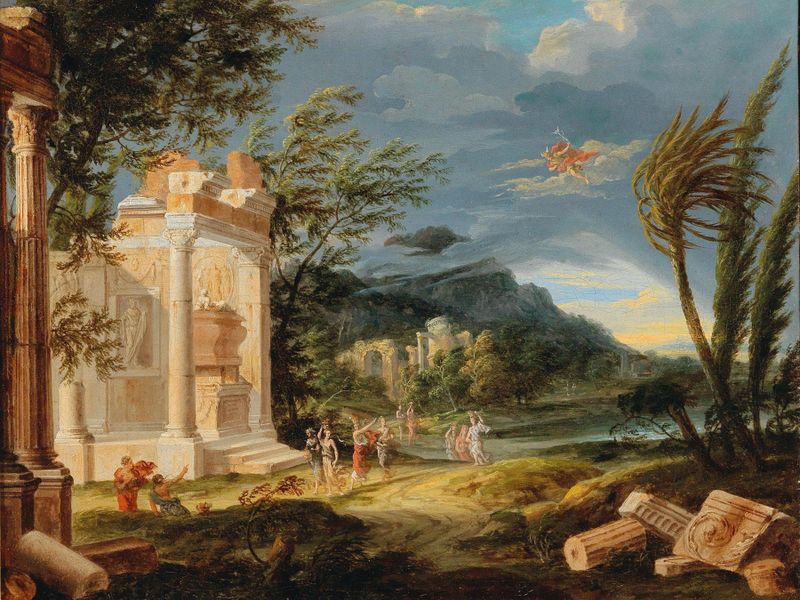
Stormy Landscape with figures and Hermes
French School

Portrait of an Artist
French School





