
The Cathedral, Bruges — History & Facts
What if beauty was never meant to be finished? In a world where hope dwells amidst the fleeting nature of existence, we find ourselves in the presence of a resplendent vision. Focus on the intricate spires that reach towards the heavens, nearly piercing the soft blues of the sky. The sunlight dances off the cathedral's stone façade, illuminating its textured detail and creating a harmonious interplay of light and shadow. As your eyes travel downward, notice the lively reflections in the canal below — a mirror of history and craftsmanship that beckons the viewer to linger. Within this composition lies a tension between the monumental and the ephemeral.
The grand structure stands in stark contrast to the tranquil water, suggesting a dialogue between permanence and the passing of time. In the foreground, a solitary figure navigates the scene, embodying the human spirit that seeks connection amidst the grandeur. This juxtaposition evokes a sense of hope and resilience, inviting contemplation on the nature of faith and artistry. In 1835, the artist captured The Cathedral, Bruges during a period of artistic exploration and revival in England, where detailed realism was gaining prominence.
Living in a time when travel was becoming more accessible, Boys was inspired by the beauty of the medieval architecture he encountered in Belgium. His work reflected the Romantic ideals of the era, celebrating not just the aesthetic but the emotional resonance of place and history.
More Artworks by Thomas Shotter Boys
Browse all →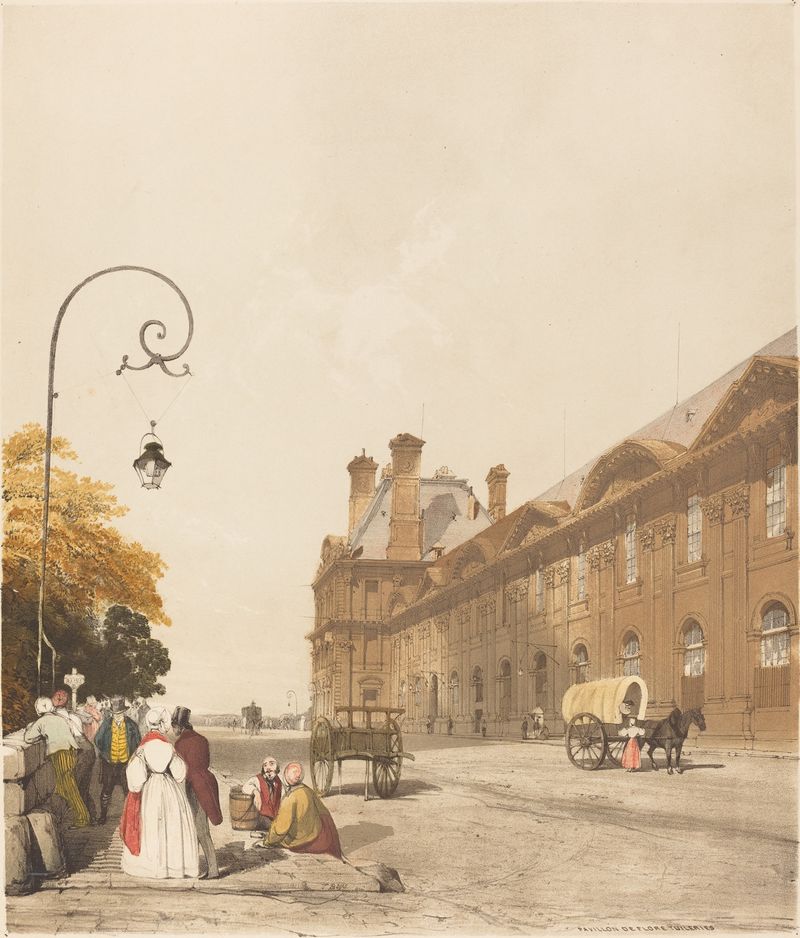
Pavillon de Flore, Tuileries
Thomas Shotter Boys
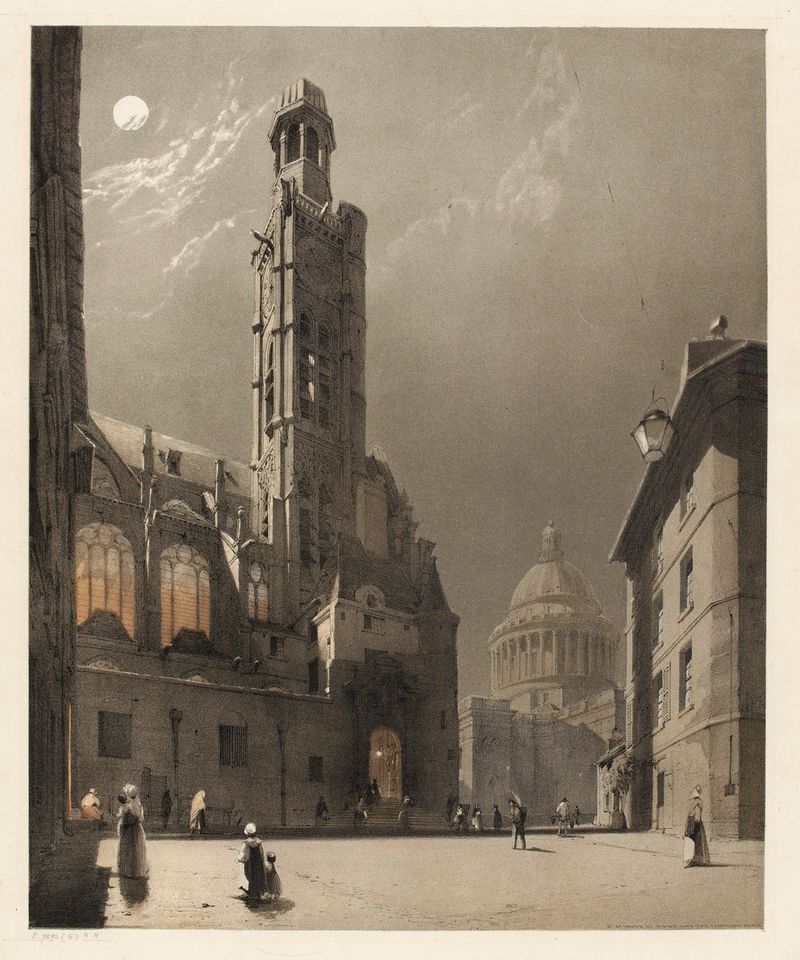
St Etienne du Mont and the Panthéon, Paris
Thomas Shotter Boys
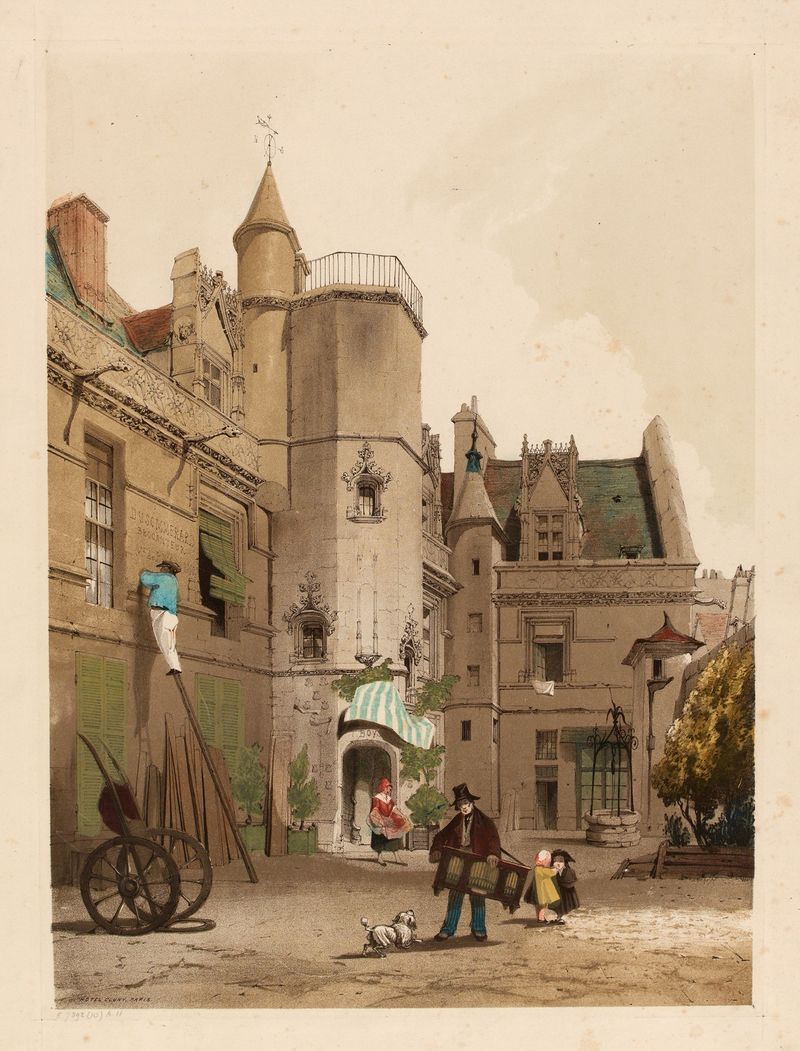
Hôtel Cluny, Paris.
Thomas Shotter Boys
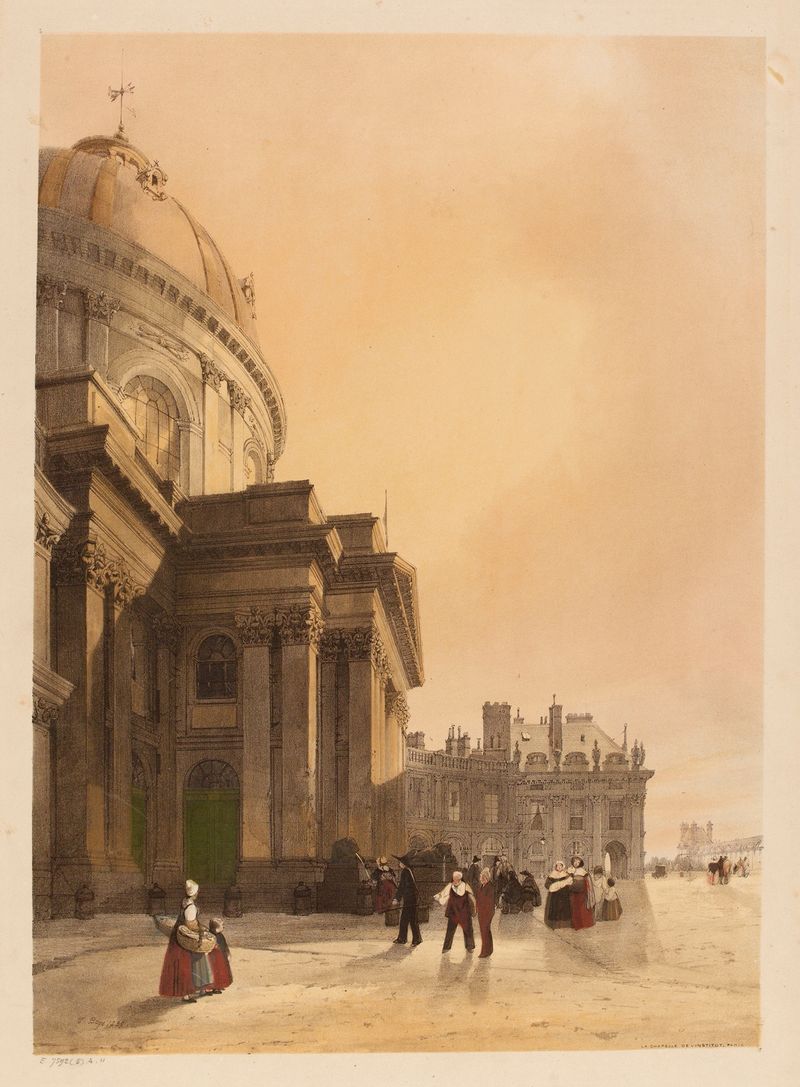
La chapelle de l’Institut, Paris
Thomas Shotter Boys
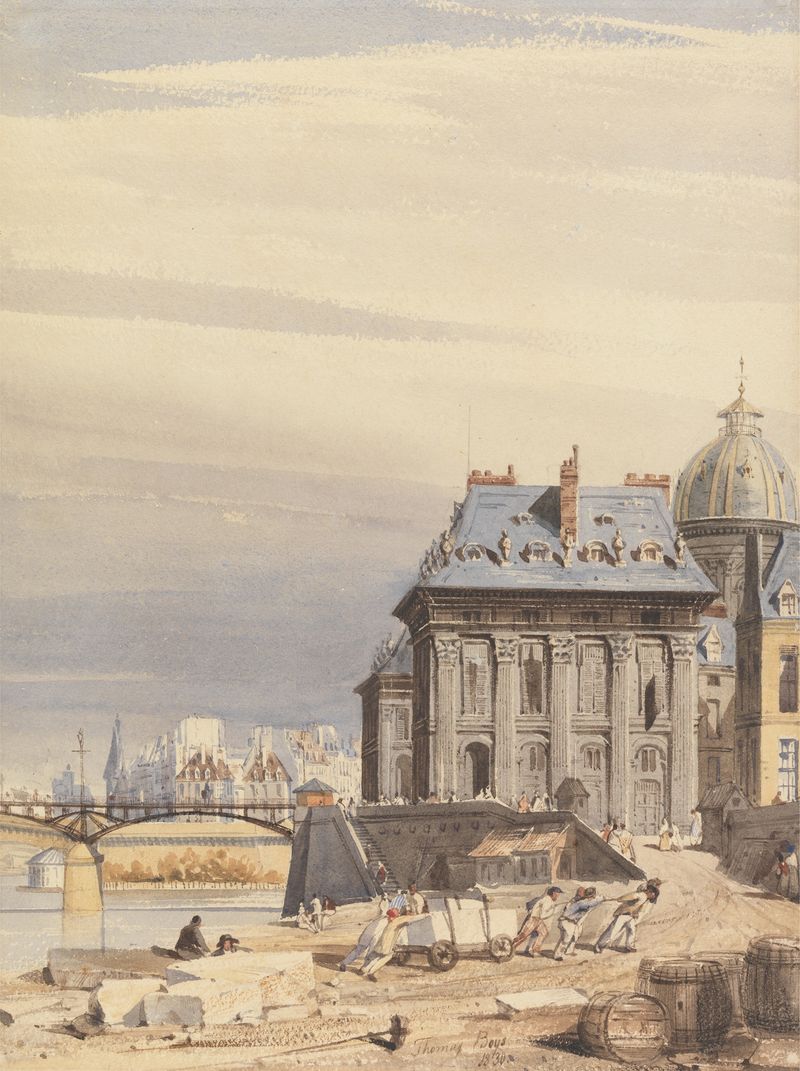
L’Institut de France, Paris
Thomas Shotter Boys
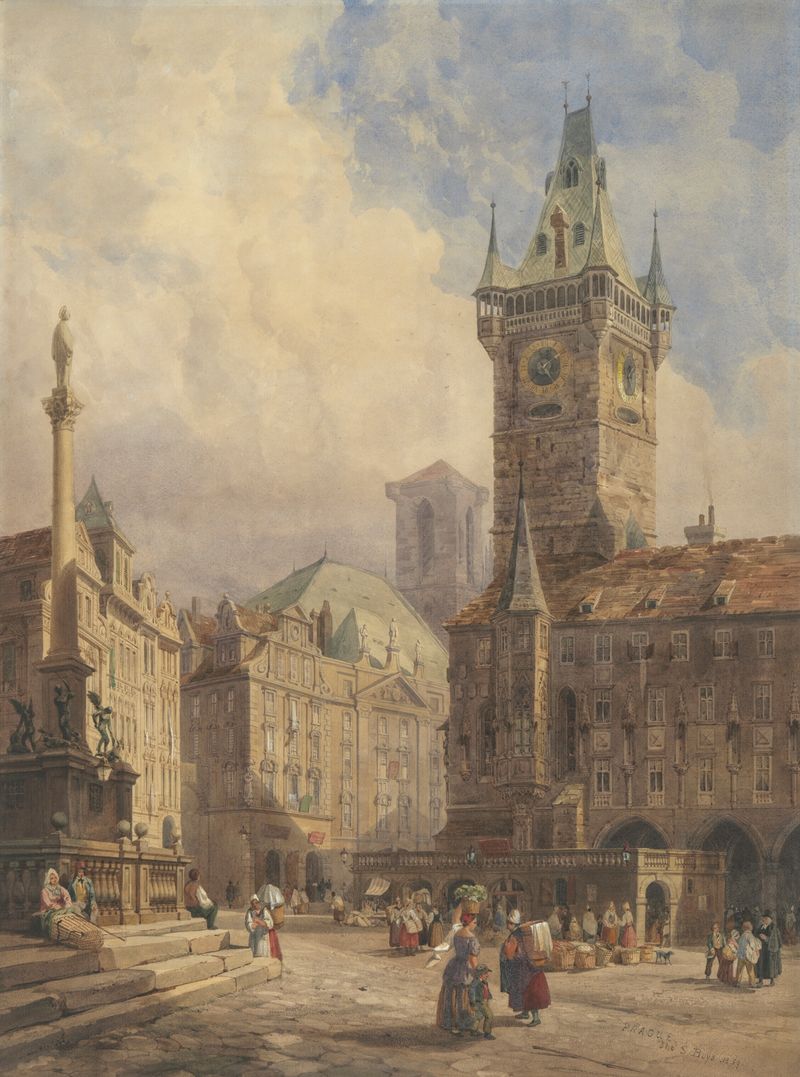
Rathaus from Old Town Square, Prague
Thomas Shotter Boys
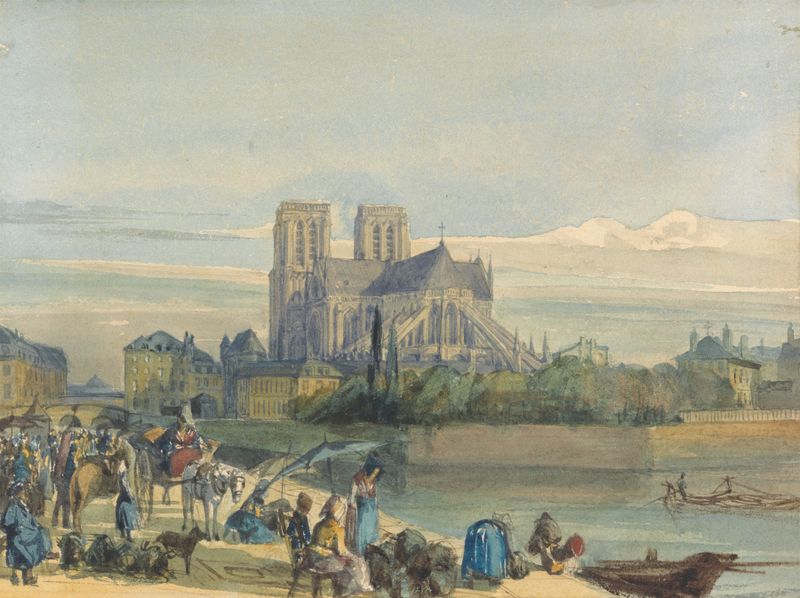
Notre Dame, Paris
Thomas Shotter Boys
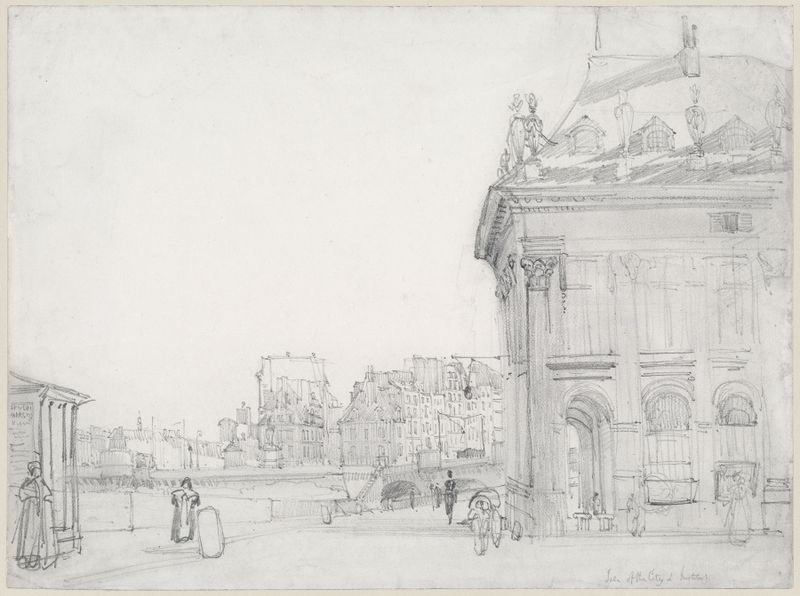
Ile de la Cité from the Institut, Paris
Thomas Shotter Boys
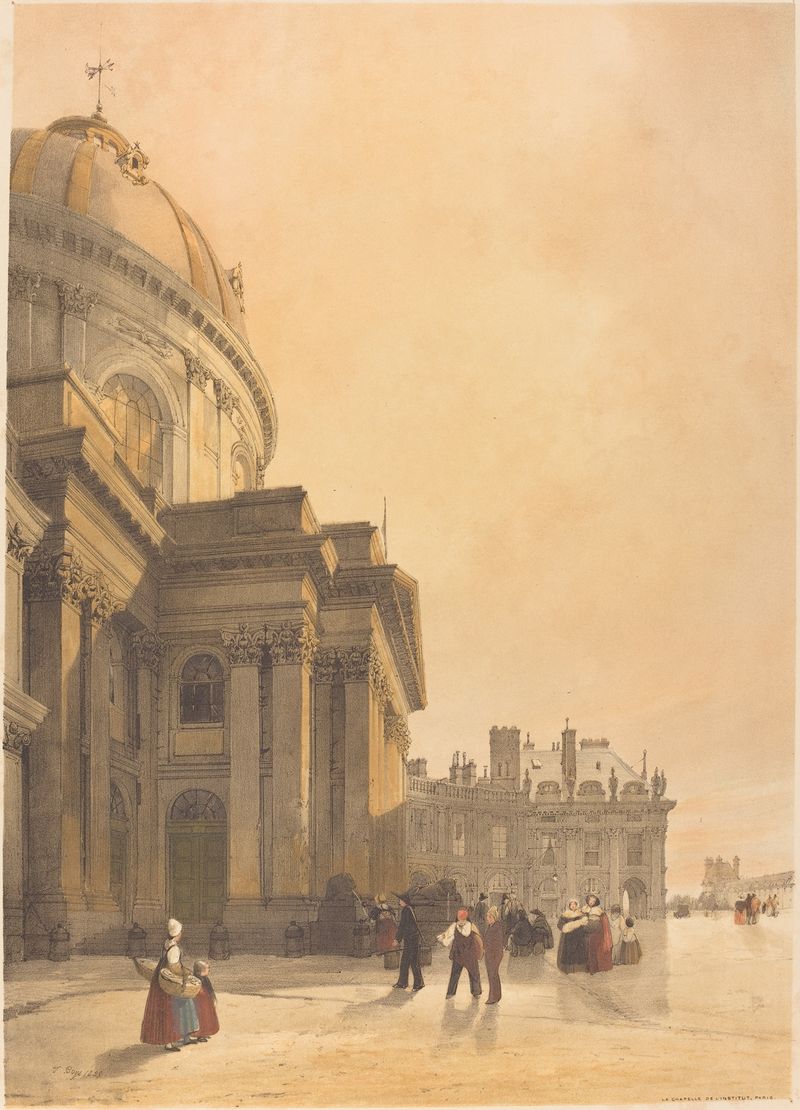
La Chapelle de l’Institut, Paris
Thomas Shotter Boys
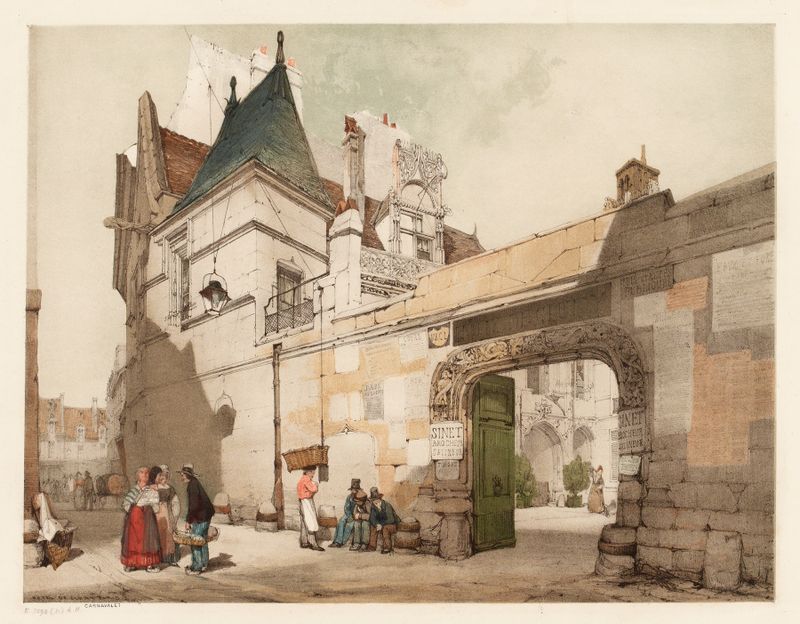
Hôtel de Cluny, Paris
Thomas Shotter Boys
More Architecture Art
Browse all →
The statue of Liberty
Frédéric Auguste Bartholdi

View of Houses in Delft, Known as ‘The Little Street’
Johannes Vermeer

View of Houses in Delft, Known as ‘The Little Street’
Johannes Vermeer

The Cathedral in Rouen. The portal, Grey Weather
Claude Monet

The yellow house
Vincent van Gogh

The Church in Auvers-sur-Oise, View from the Chevet
Vincent van Gogh