The Cattle Herd — History & Facts
This notion resonates deeply within the pastoral scenes of the Dutch Golden Age, where idyllic landscapes often conceal the shadows of mortality beneath their vibrant hues. Focus first on the foreground of The Cattle Herd, where a placid herd of cows lazily grazes, their coats glistening in the warm sunlight. Notice how Berchem captures the interplay of light and shadow, creating a luminous effect that brings life to each animal. The gentle curves of the hills roll into the distance, framed by a sky that hints at both serenity and impending change, while the lush greenery luxuriates with life, inviting viewers to linger. Beneath the surface beauty lies a poignant contrast between the tranquility of the pastoral setting and the inevitable cycle of life and death.
The cows, symbols of fertility and sustenance, remind us of the fragility of existence. The distant figures, tending to their charges, evoke a sense of human stewardship that hints at the burdens of responsibility and time. The vibrant colors may intoxicate the eye, yet they serve as a reminder that beauty in nature is eternally tethered to the decay that follows. In 1656, during a period of economic prosperity and artistic flourishing in the Netherlands, Berchem created this work while residing in Haarlem.
His life was interwoven with the dramatic transformations of his time, as the market for pastoral scenes surged in popularity, reflecting societal values surrounding nature and agriculture. Amidst this backdrop, the artist sought to immortalize a moment that is as fleeting and ephemeral as life itself, encapsulating the bittersweet essence of existence.
More Artworks by Nicolaes Pietersz Berchem
Browse all →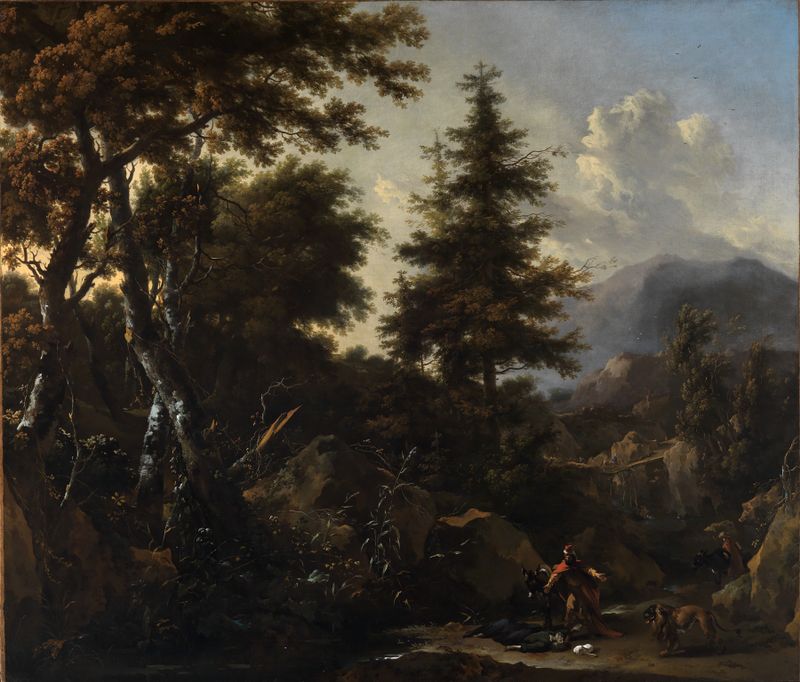
Schlucht im Bergwald mit alttestamentlicher Staffage
Nicolaes Pietersz Berchem
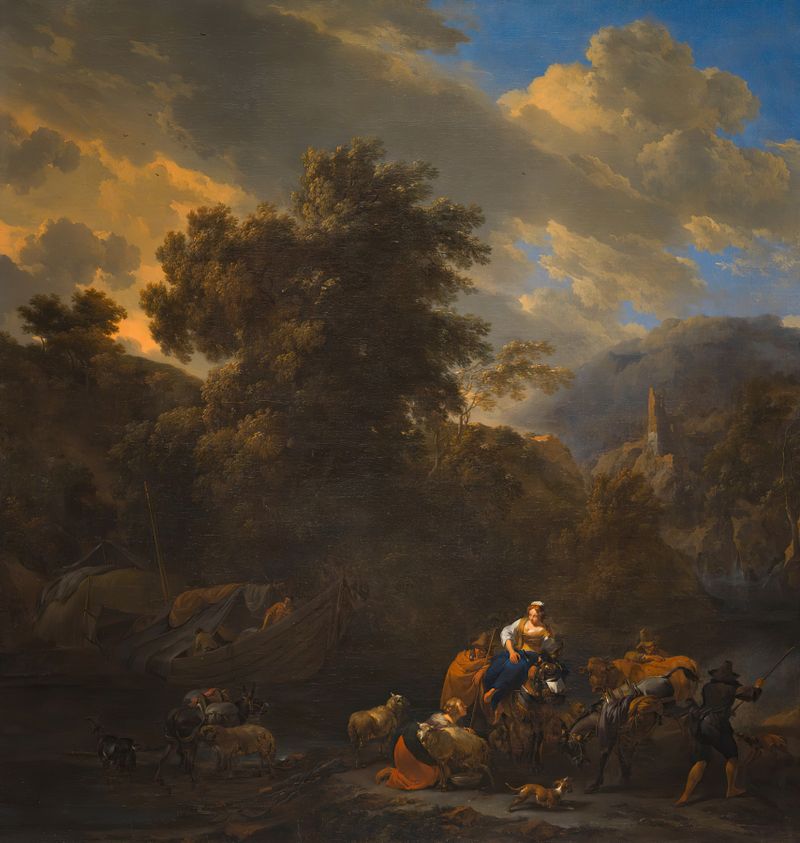
Italianate Landscape with Figures and Pack Animals on the Banks of a River
Nicolaes Pietersz Berchem
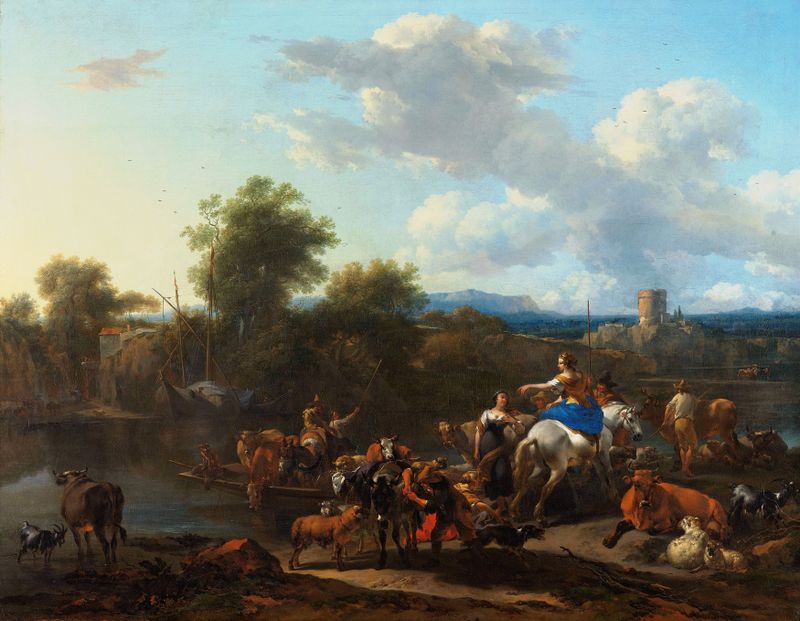
The Cattle Ferry
Nicolaes Pietersz Berchem
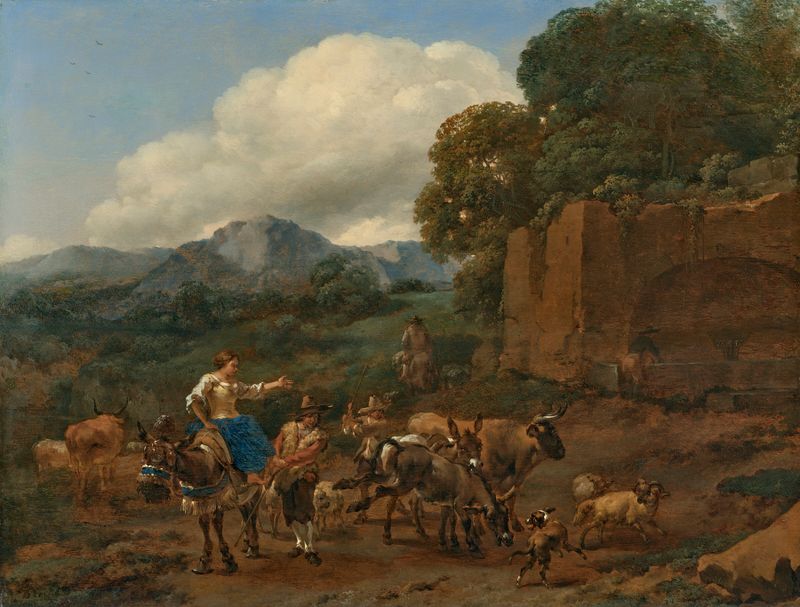
An Italianate landscape with a shepherdess on a mule and a shepherd, herding cattle, sheep, donkeys and dogs on a mountain track next to ruins
Nicolaes Pietersz Berchem
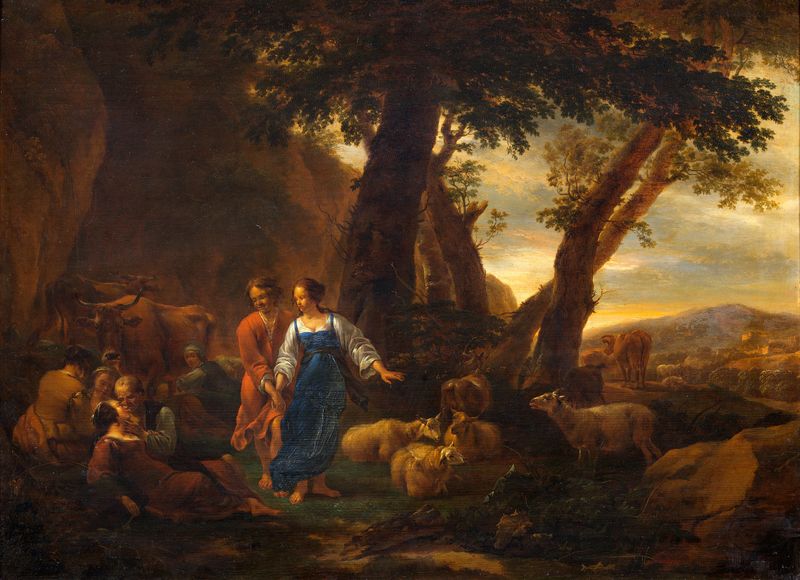
Landscape with Peasants and Cattle
Nicolaes Pietersz Berchem
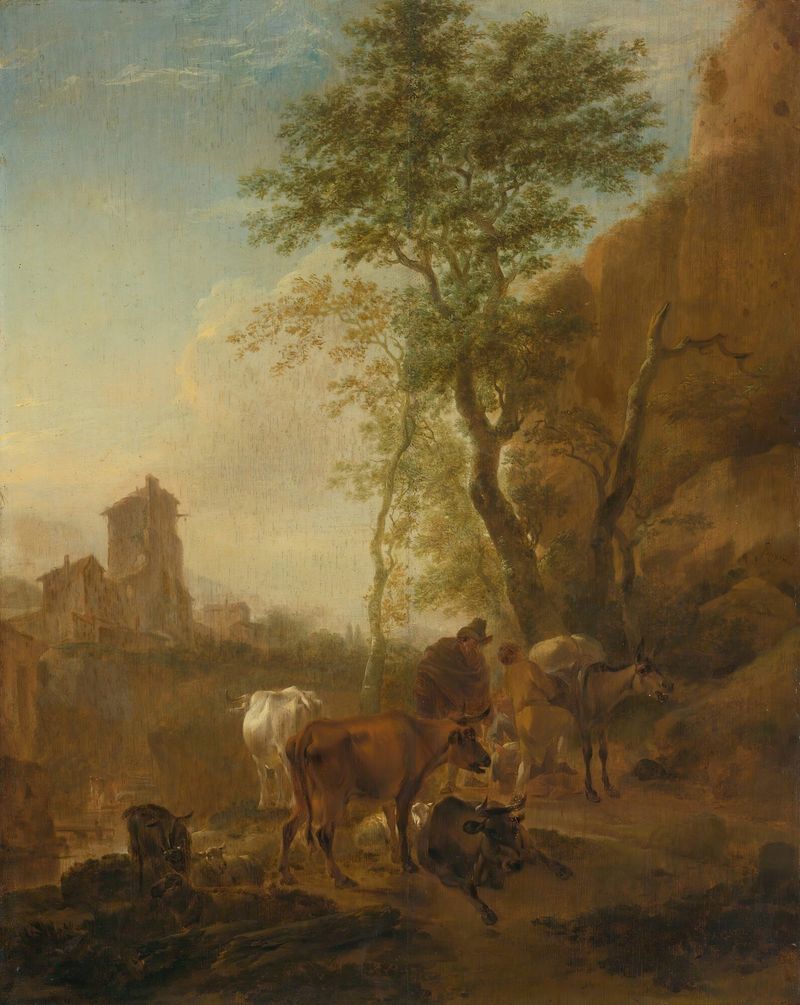
Italianate Landscape With Cows
Nicolaes Pietersz Berchem
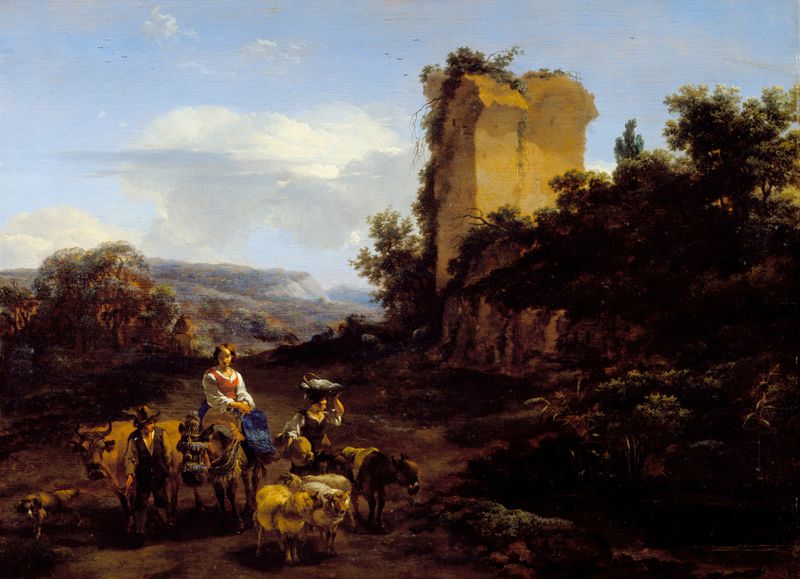
Landscape with Ruins and Travelers
Nicolaes Pietersz Berchem
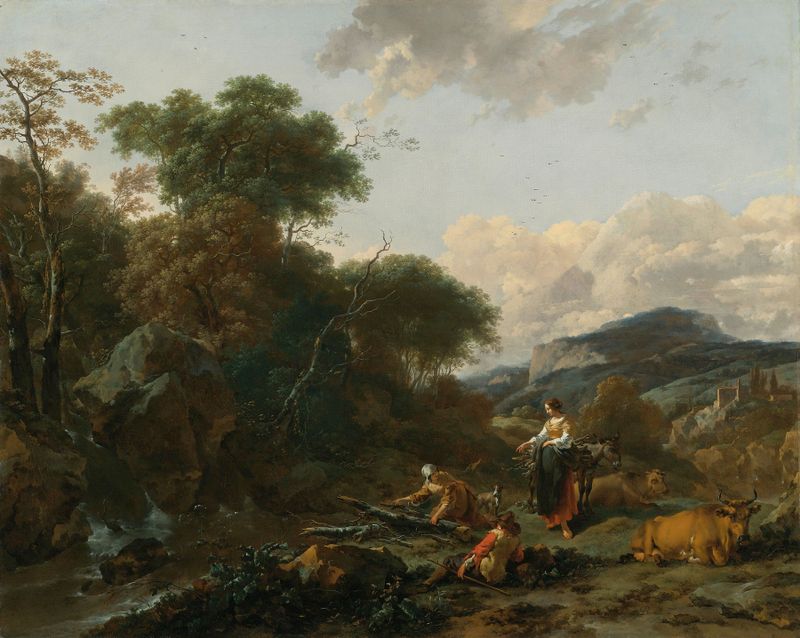
A Landscape With Figures
Nicolaes Pietersz Berchem
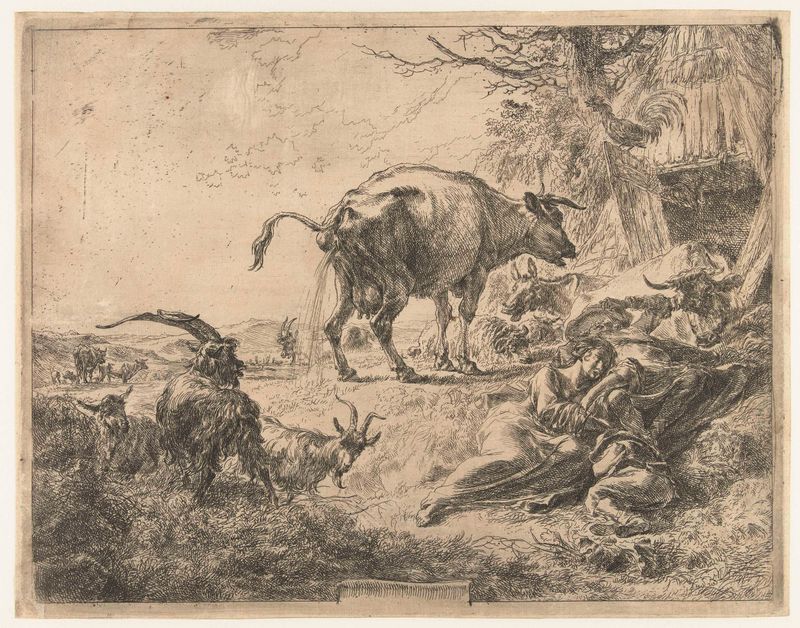
Slapende herdersfamilie en rustend vee
Nicolaes Pietersz Berchem
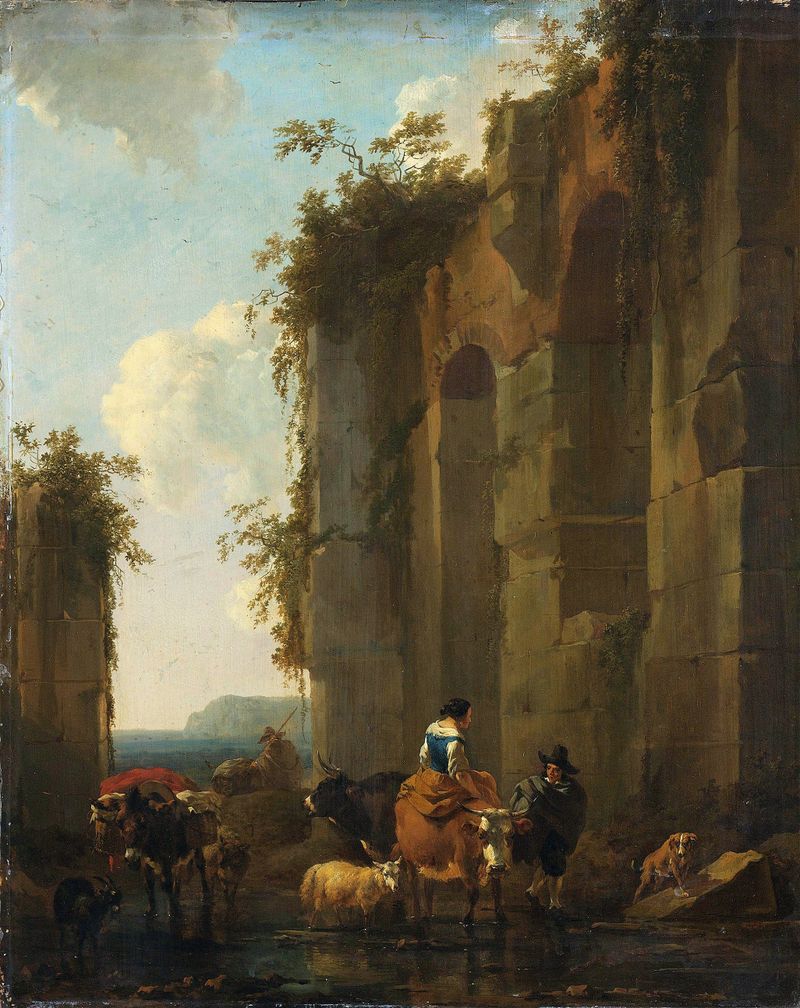
Ruins in Italy
Nicolaes Pietersz Berchem