
The Chapel Of The Milk Grotto In Bethlehem — History & Facts
Can beauty exist without sorrow? In the delicate interplay of light and shadow, there lies a transformation that speaks of both reverence and despair. Focus on the serene arches that cradle the scene, inviting your gaze upward into the ethereal embrace of the grotto's interior. Notice how the soft, muted colors blend harmoniously, casting a gentle glow that warms the stones. The intricate details of the chapel's architecture draw you in, each curve and line whispering tales of devotion and history, while the stillness evokes a sense of sacred solitude. Beneath the surface, tension vibrates in the contrast between the sacred space and the darkened corners that hint at sorrow's presence.
Small figures, perhaps pilgrims or visitors, dot the landscape, each one embodying the emotional weight of their journey. The juxtaposition of light illuminating the sacred and shadows lingering in the periphery speaks to the duality of faith—where beauty and loss coexist, creating a moment of profound reflection. Carl Friedrich Heinrich Werner painted this work in the context of 19th-century artistic exploration, during a time when the fascination with religious sites in Europe and the Middle East gained momentum. Immersed in his studies and travels, he sought to capture the essence of sacred spaces, infusing them with emotional depth.
This painting reflects a period of artistic revival, where the interplay of light and atmosphere became essential to conveying the spiritual experience.
More Artworks by Carl Friedrich Heinrich Werner
Browse all →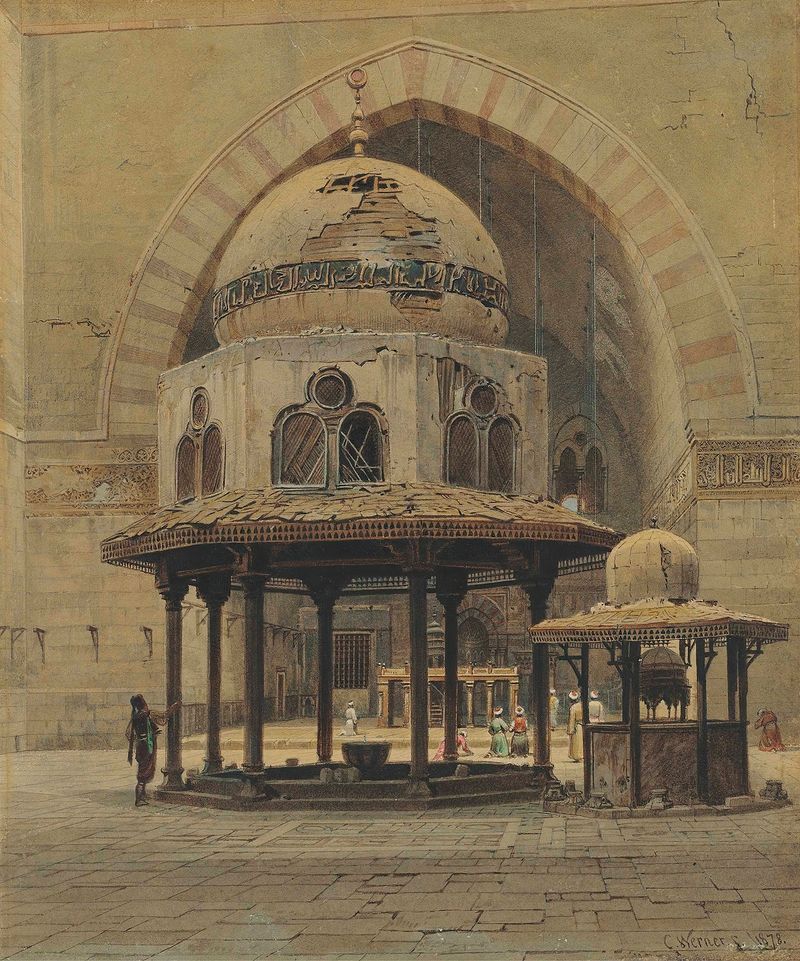
Mosque of Sultan Hassan, Cairo
Carl Friedrich Heinrich Werner
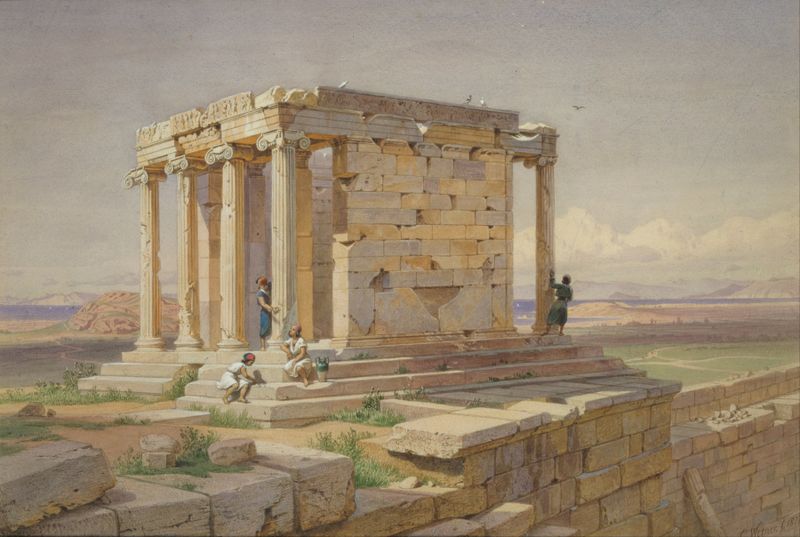
The Temple of Athena Nike. View from the North-East
Carl Friedrich Heinrich Werner
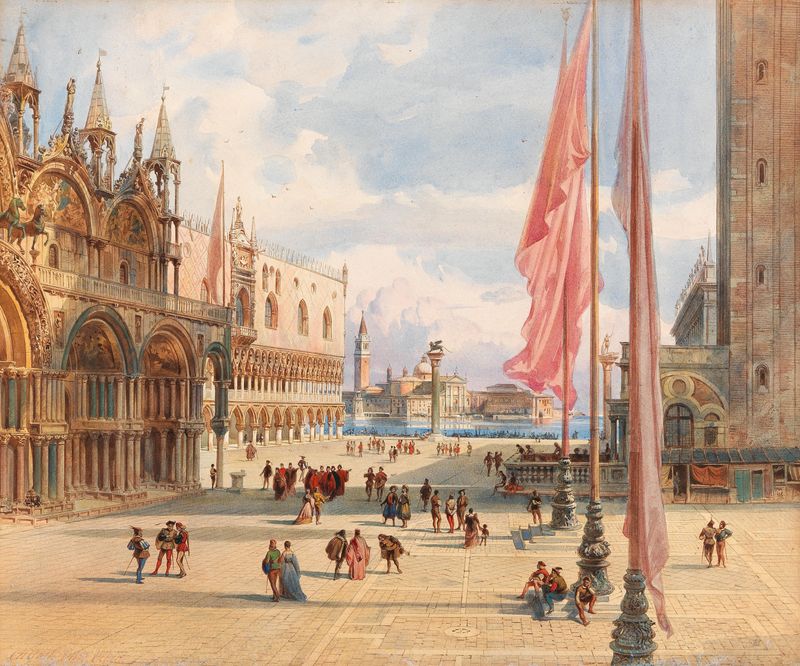
Marcus Square In Venice
Carl Friedrich Heinrich Werner

Canal Grande and Rialto Bridge
Carl Friedrich Heinrich Werner
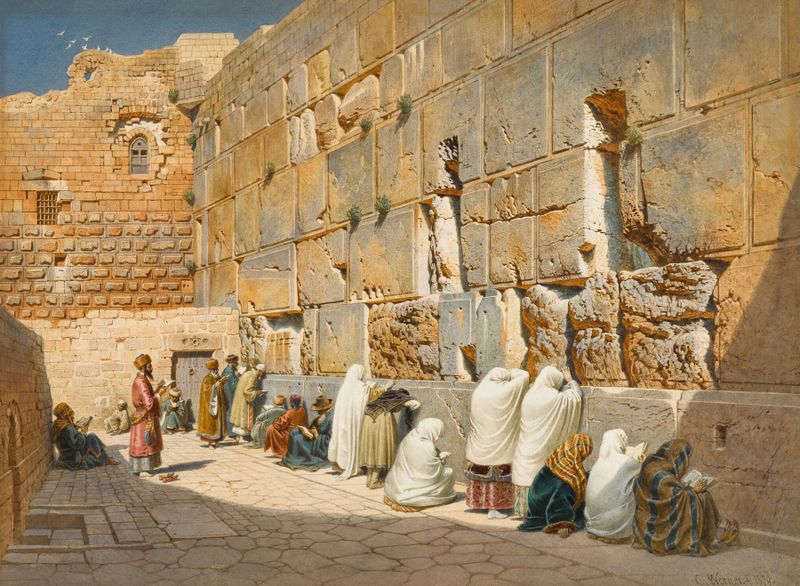
The Wailing Wall, Jerusalem
Carl Friedrich Heinrich Werner
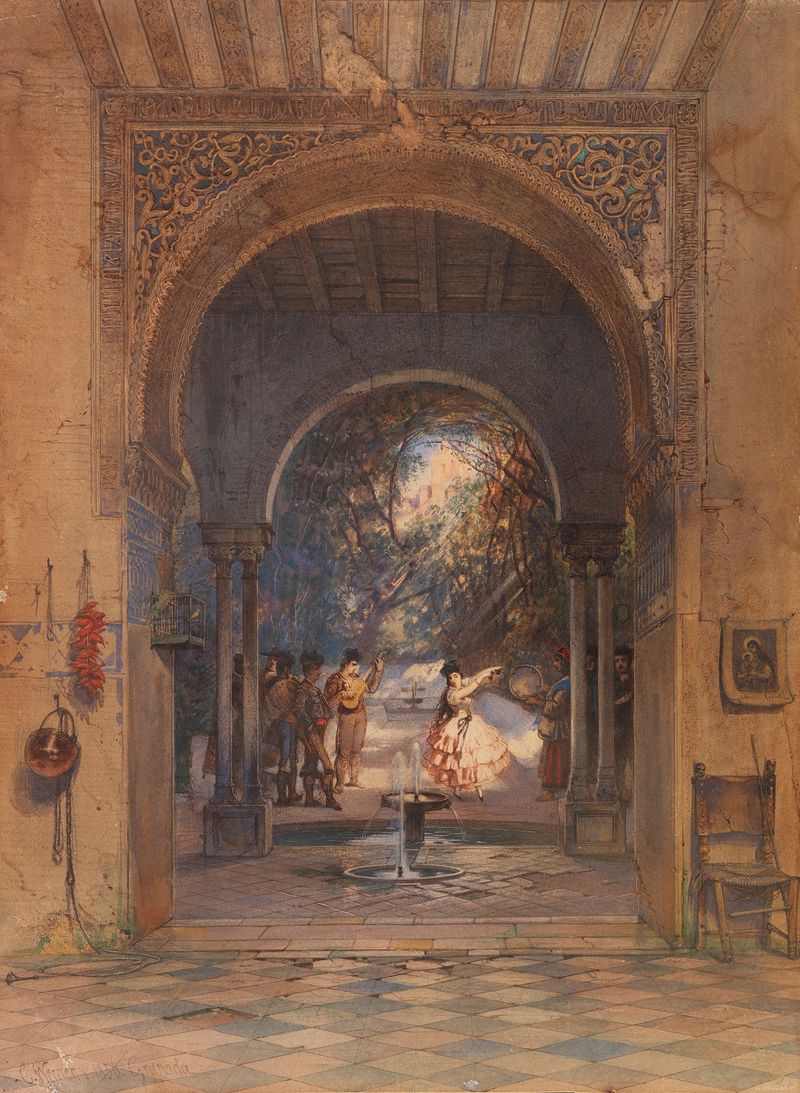
Kastagnettentänzerin in der Alhambra in Granada
Carl Friedrich Heinrich Werner
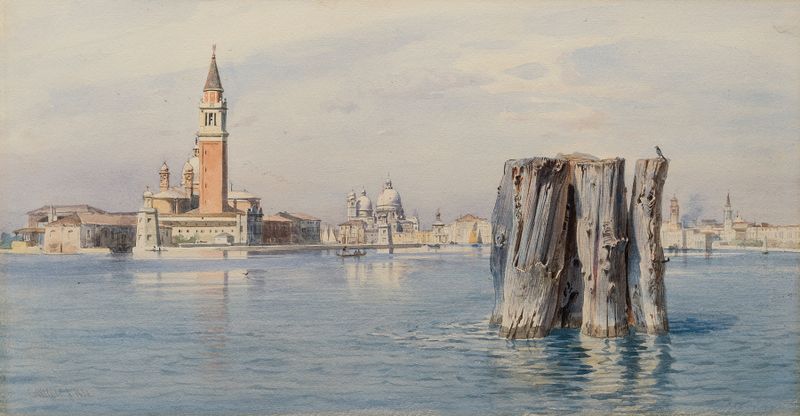
Ansicht von San Giorgio Maggiore und Santa Maria della Salute in Venedig
Carl Friedrich Heinrich Werner
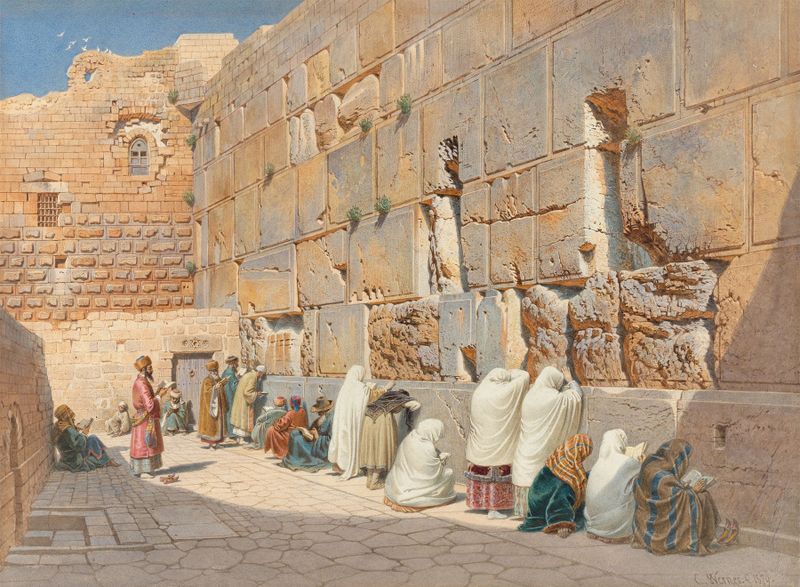
The Wailing Wall in Jerusalem
Carl Friedrich Heinrich Werner
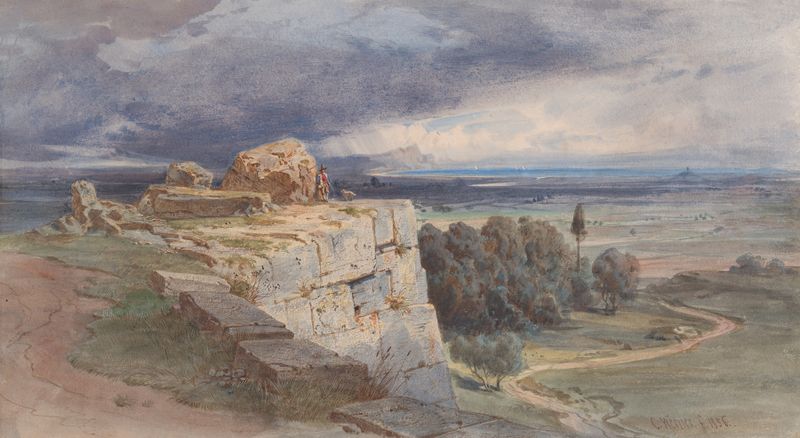
View of Norba from the North, towards San Felice Circeo
Carl Friedrich Heinrich Werner
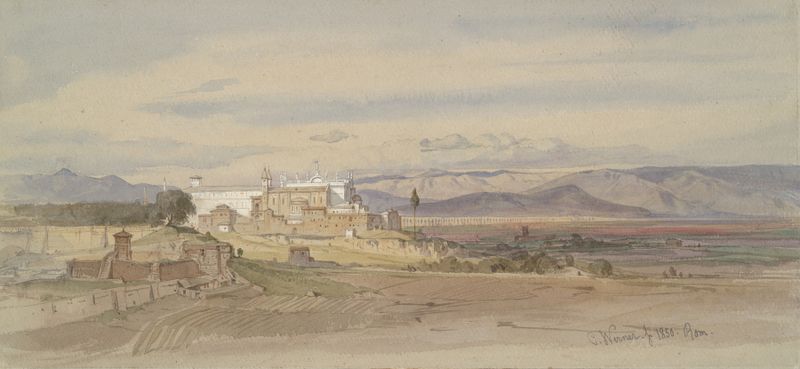
Roman Landscape with San Giovanni in Laterano
Carl Friedrich Heinrich Werner
More Architecture Art
Browse all →
The statue of Liberty
Frédéric Auguste Bartholdi

View of Houses in Delft, Known as ‘The Little Street’
Johannes Vermeer

View of Houses in Delft, Known as ‘The Little Street’
Johannes Vermeer

The Cathedral in Rouen. The portal, Grey Weather
Claude Monet

The yellow house
Vincent van Gogh

The Church in Auvers-sur-Oise, View from the Chevet
Vincent van Gogh