The Chimera of Amiens — History & Facts
What if silence could speak through light? In moments of stillness, the essence of innocence glimmers, revealing the profound simplicity hidden in our everyday lives. Look to the center of the canvas, where a luminous figure emerges from the shadows, bathed in a soft, ethereal glow. The delicate interplay of light and shadow accentuates the contours of the form, inviting the viewer to draw closer. Notice how the hues blend seamlessly, with gentle pastels creating a serene atmosphere that contrasts sharply with the darker edges of the composition, suggesting a world both tangible and dreamlike. Amidst the subtle beauty lies a tension between innocence and the encroaching darkness just beyond the figure's reach.
This juxtaposition of light against shadow illustrates a duality—an exploration of the fragility of purity in a complex world. Each brushstroke conveys a sense of longing, evoking an emotional resonance that stirs the viewer to contemplate the transient nature of innocence itself. In 1910, Cameron created The Chimera of Amiens during a period of intense artistic exploration across Europe. Living in a time when impressionism was giving way to modernism, he sought to capture fleeting moments and the interplay of light in his landscapes.
This painting reflects his engagement with the evolving narrative of visual art, revealing both personal aspirations and broader cultural shifts in the art world.
More Artworks by David Young Cameron
Browse all →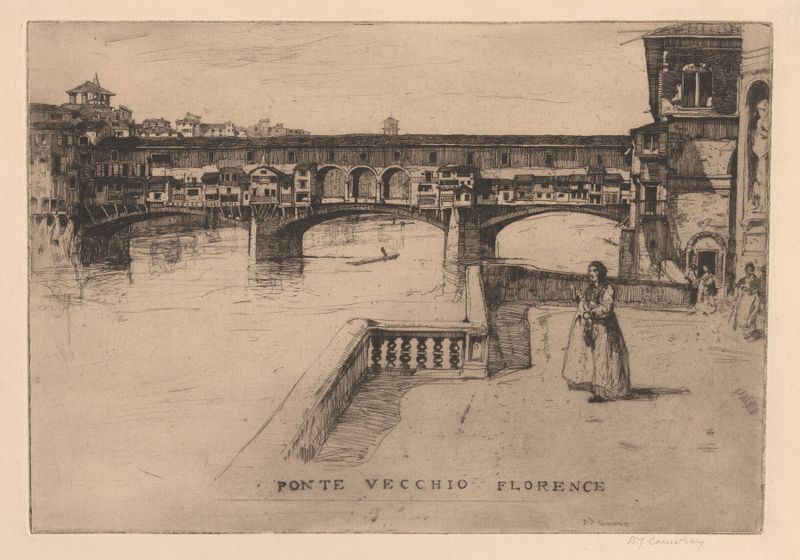
Ponte Vecchio
David Young Cameron

The Deanery, Winchester
David Young Cameron
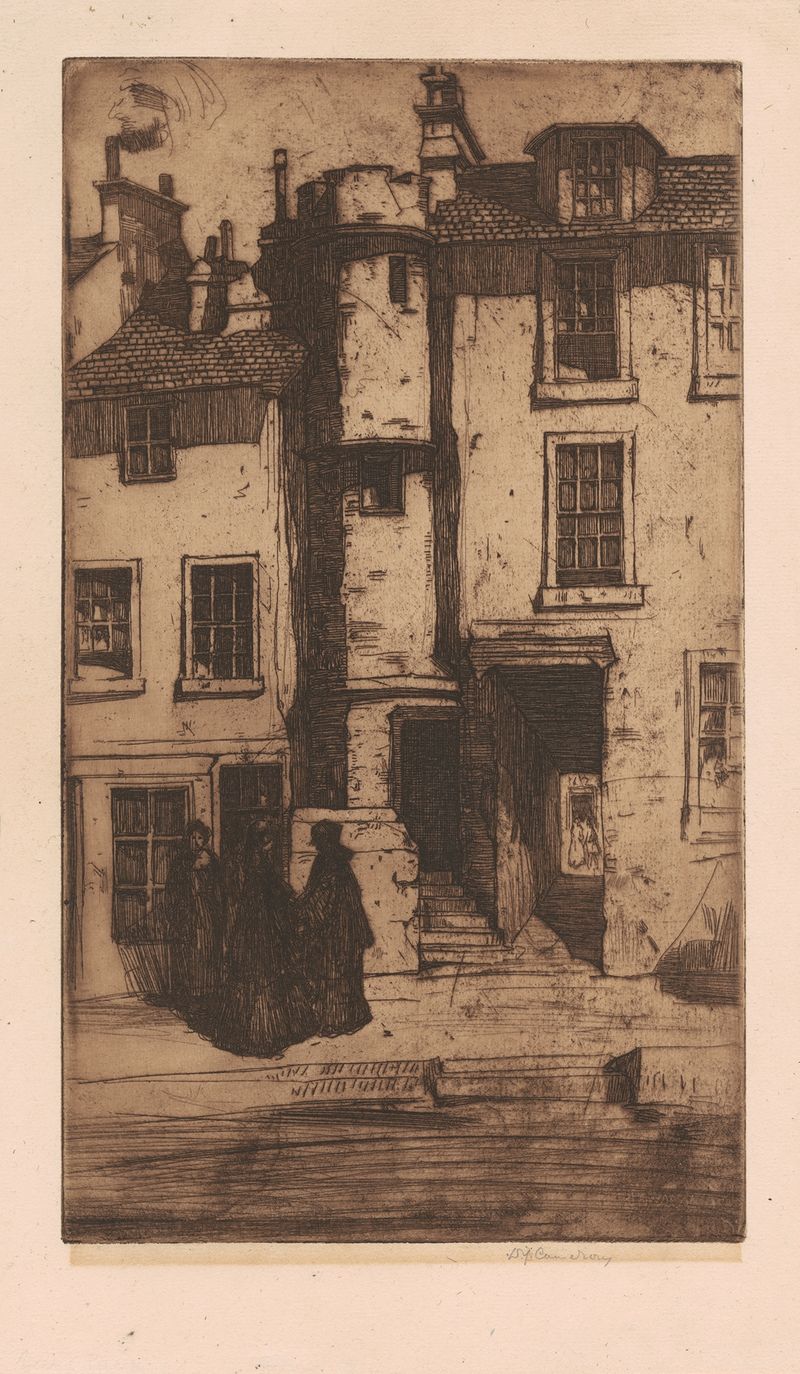
Old Houses, Stirling
David Young Cameron
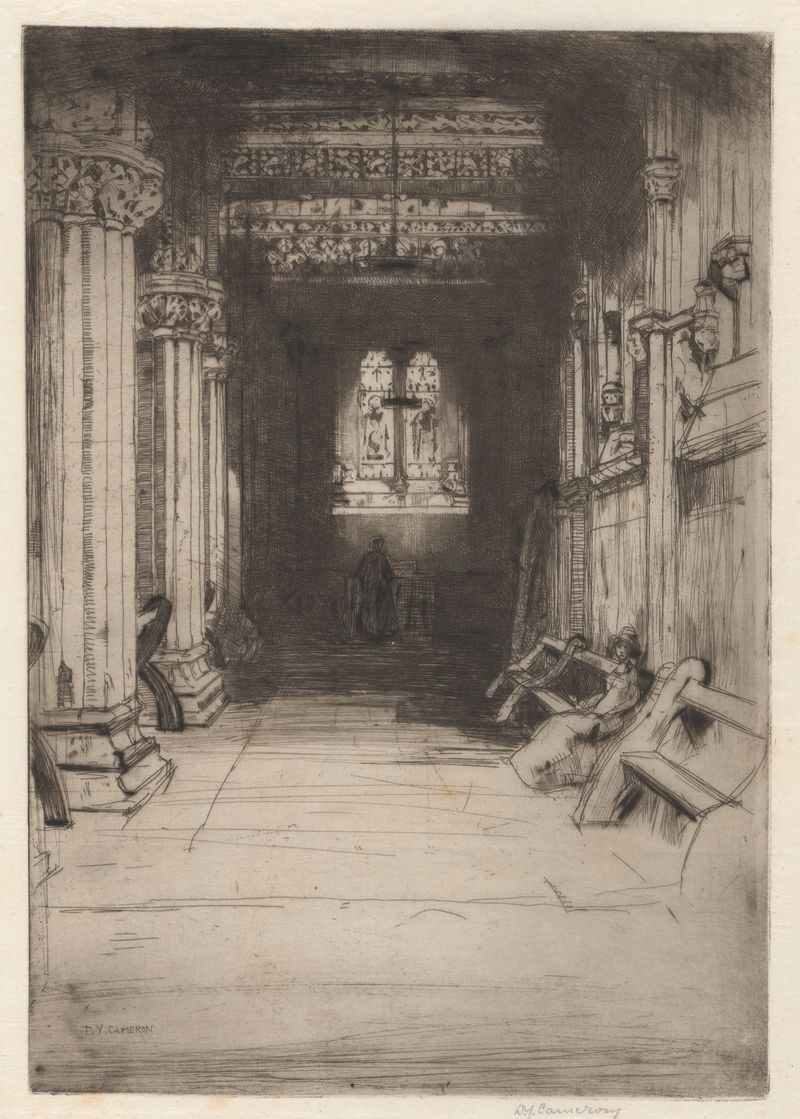
Rosslyn Chapel
David Young Cameron

The Old Museum, Beauvais
David Young Cameron
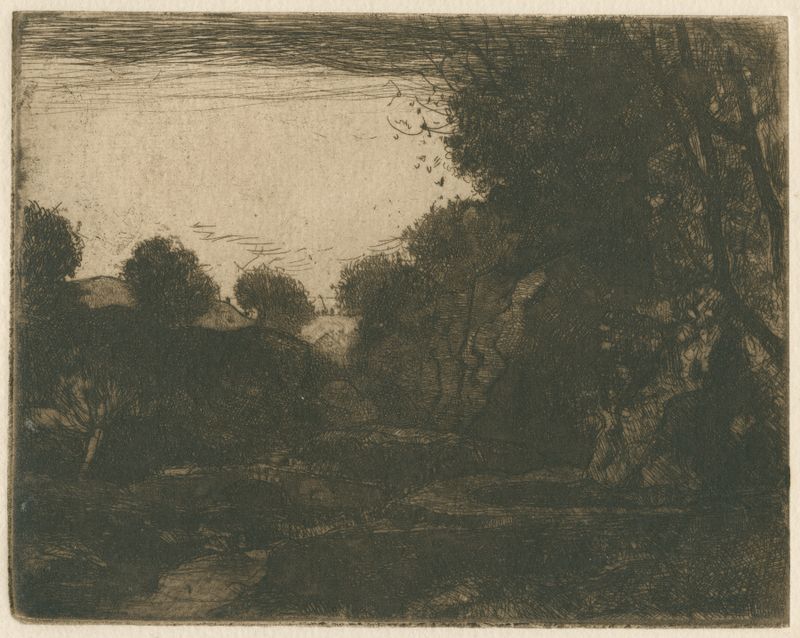
On the Bradford
David Young Cameron

The Smithy
David Young Cameron
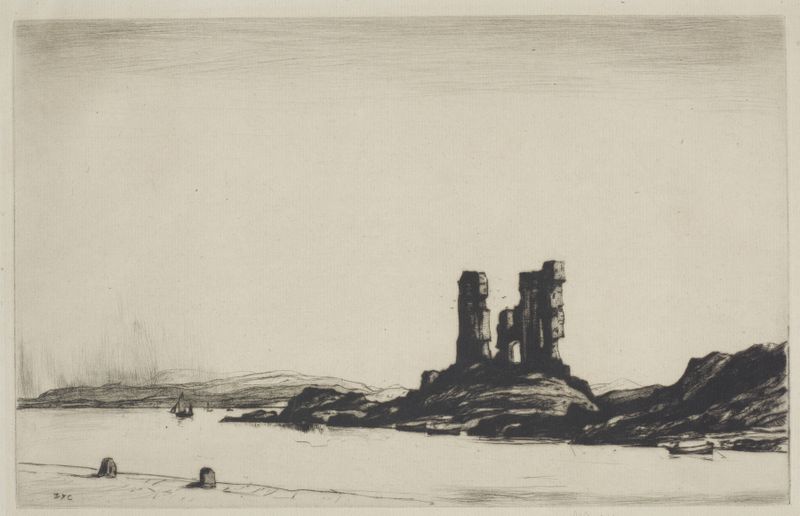
Castle Moyle
David Young Cameron
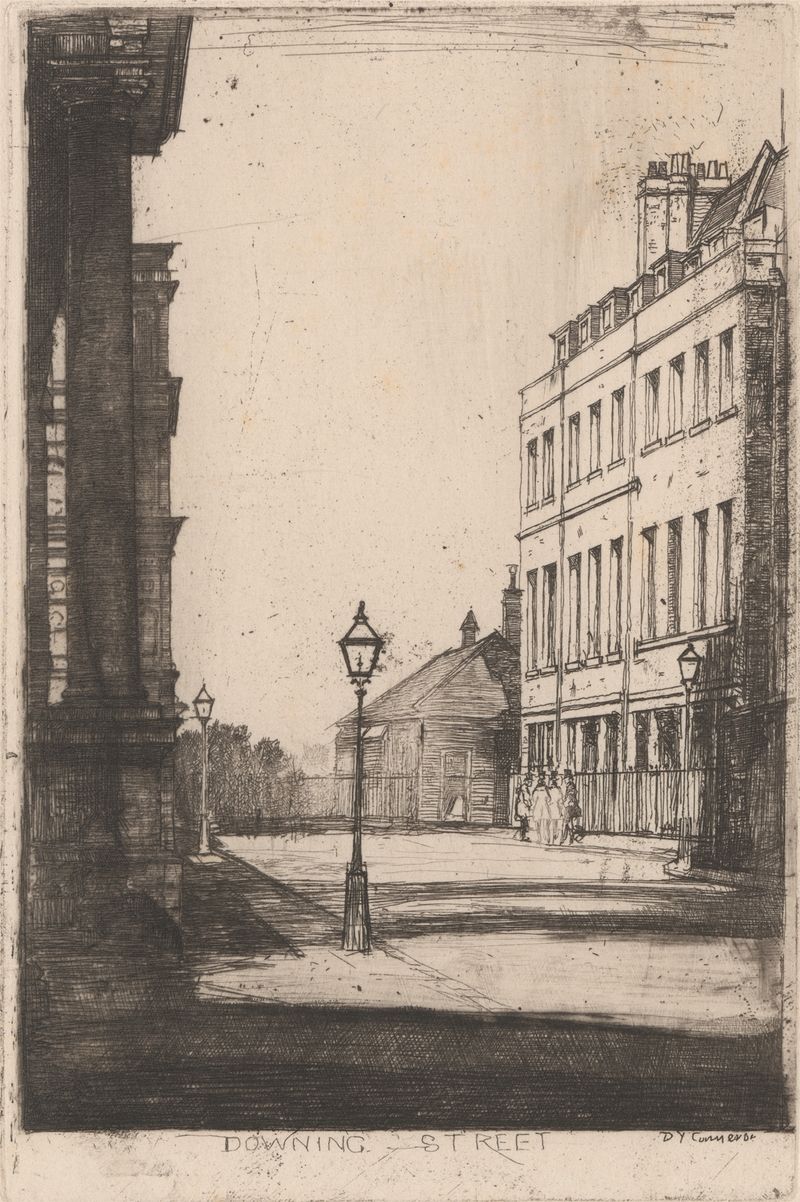
Downing Street
David Young Cameron

Glasgow Cathedral
David Young Cameron