
The Church in Patterdale — History & Facts
Is this a mirror — or a memory? The Church in Patterdale invites contemplation of time's passage, capturing a moment that feels both ephemeral and eternal. Focus first on the church, standing elegantly against the backdrop of rolling hills. Notice how the warm light envelops its stone facade, casting shadows that dance across the ground. The artist's delicate brushwork renders the clouds above with a soft, ethereal quality, suggesting a fleeting moment in the changing sky, while the vibrant greens of the landscape breathe life into the scene.
Every element is meticulously placed, inviting the viewer’s eye to wander yet remain anchored to the central structure. Within this tranquil composition lies a tension between permanence and transience. The church symbolizes steadfastness amidst the changing seasons, yet the billowing clouds signify the relentless flow of time. The reflections on the water hint at memories—echoes of those who have walked this sacred ground, their voices intertwined with the whispers of nature.
Each detail—a solitary tree, the rippling water—serves as a reminder of both individual and collective histories, urging us to consider what we leave behind. In 1837, the artist captured this serene landscape during a period of personal upheaval and artistic exploration. Living in Norway, Thomas Fearnley sought to refine his signature style, drawing inspiration from the romantic landscapes around him while grappling with the evolving currents of the art world. This painting stands as a testament to his dedication to capturing the emotional resonance of a moment, freezing time within the enduring presence of both nature and the sacred.
More Artworks by Thomas Fearnley
Browse all →
Norwegian Landscape, Marumfoss
Thomas Fearnley

View of the Oslofjord
Thomas Fearnley

Gudvangen
Thomas Fearnley

Stormy Landscape with a Rider
Thomas Fearnley
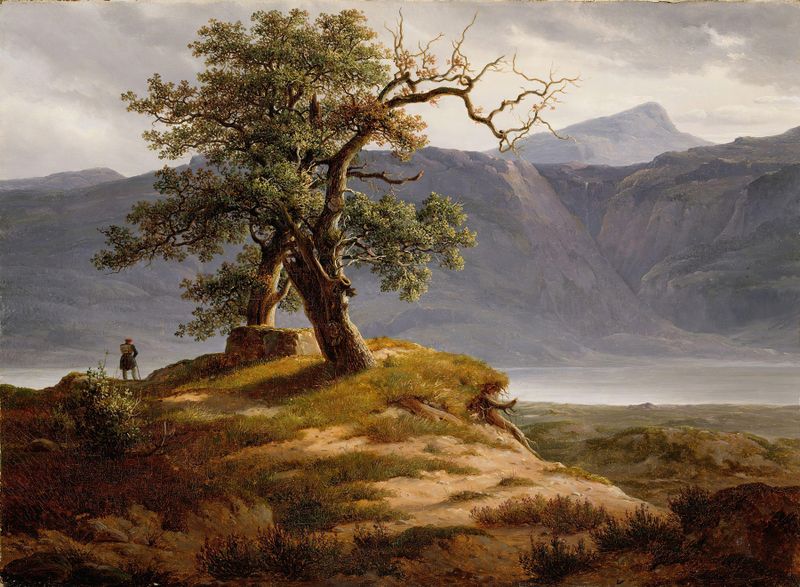
Landscape with a Wanderer
Thomas Fearnley
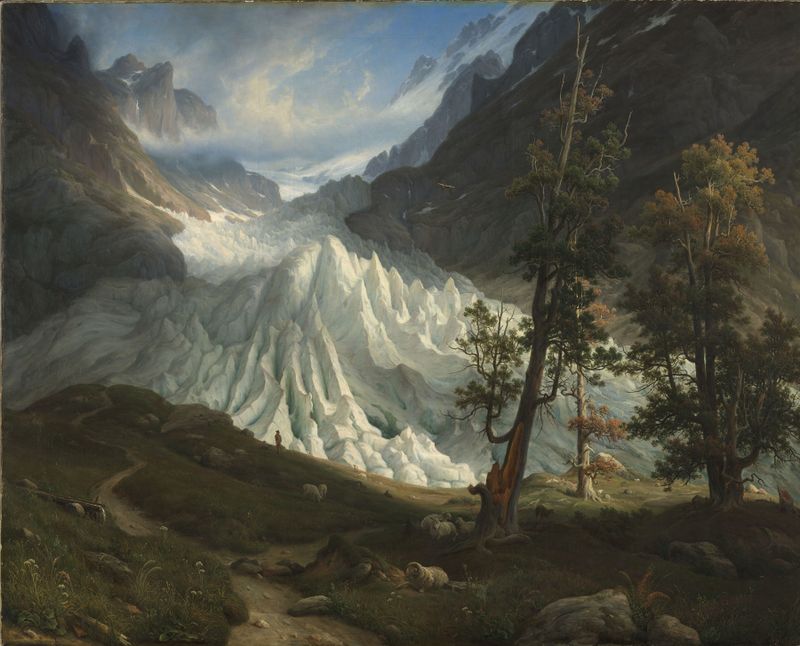
The Grindelwaldgletscher
Thomas Fearnley

Clouds over the Fjord
Thomas Fearnley
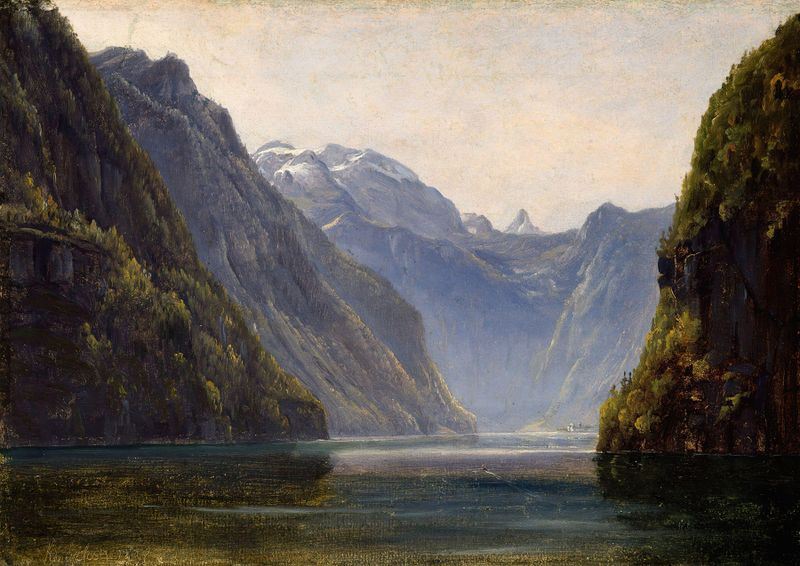
From Königssee
Thomas Fearnley

The Bridge of Hauge outside Arendal
Thomas Fearnley

King Vilhelm II’s ceremonial Processsion in Amsterdam in 1840
Thomas Fearnley





