
The Colosseum, Rome — History & Facts
Could a single brushstroke hold eternity? In John Warwick Smith's portrayal of the Colosseum, light becomes an ethereal force, capturing a moment that transcends time. Look to the foreground where the majestic arches of the ancient structure rise up, framed by a golden hue of the setting sun. The careful brushwork reveals intricate details of weathered stone, each shadow and highlight articulating the Colosseum's storied history. Notice how the light dances across the ruins, illuminating both the grandeur and decay, inviting the viewer to wander within the expanse of its once-vibrant arena. Beneath this luminous exterior lies a tension between glory and ruin.
The warm light bathes the scene, suggesting nostalgia for a past filled with life and spectacle, while the crumbling stone evokes thoughts of impermanence and loss. In the soft gradations of color, one can sense the weight of countless stories held within the Colosseum's walls, a silent testament to human ambition and folly alike. In 1802, just as Romanticism began to flourish, Smith painted this piece during his time in Italy, reflecting the era’s fascination with the sublime and the picturesque. The art world was shifting, embracing nature and history intertwined, and the artist was deeply influenced by the classical heritage surrounding him.
As he captured the Colosseum, he simultaneously documented a pivotal moment in art, where the interplay of light and landscape would inspire generations to come.
More Artworks by John Warwick Smith
Browse all →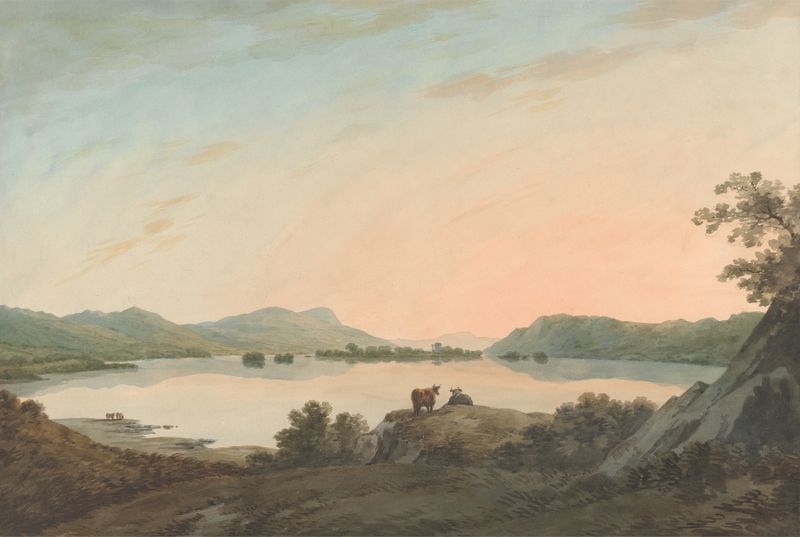
Lake Windermere from Calgarth with Belle Isle
John Warwick Smith
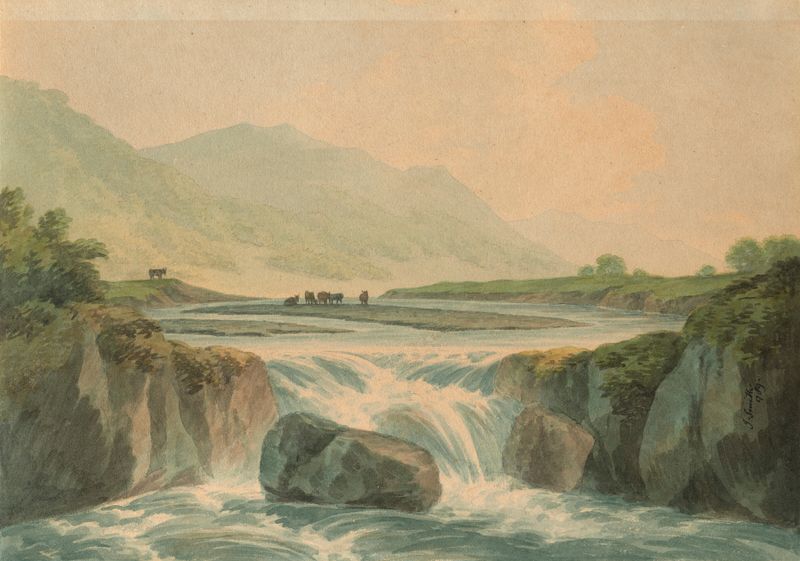
A waterfall on the River Rheidol, with cattle in the distance, North Wales
John Warwick Smith
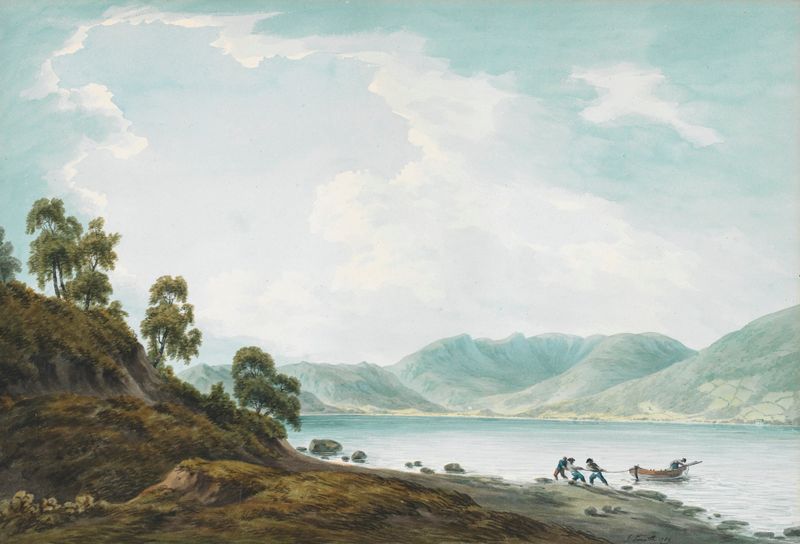
Head of Windermere from Belle Grange Farm
John Warwick Smith
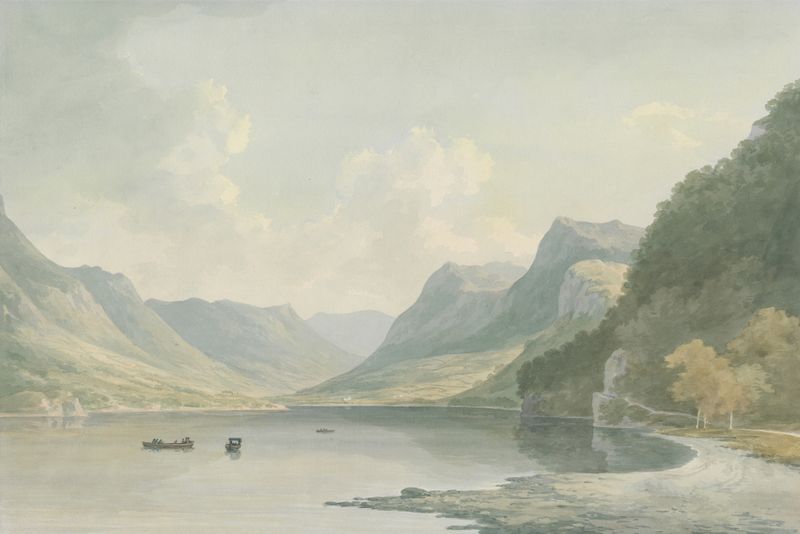
Ullswater, Looking toward Patterdale
John Warwick Smith
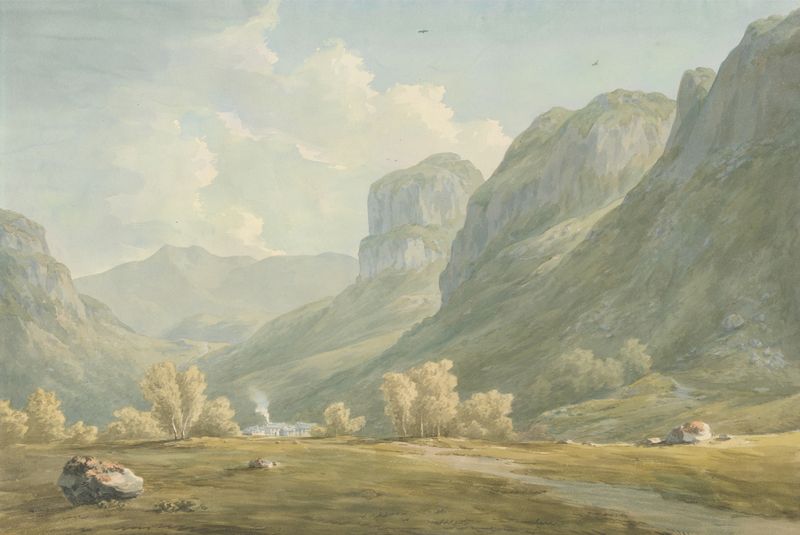
Village of Stonethwaite and Eagle Cragg, Borrowdale
John Warwick Smith
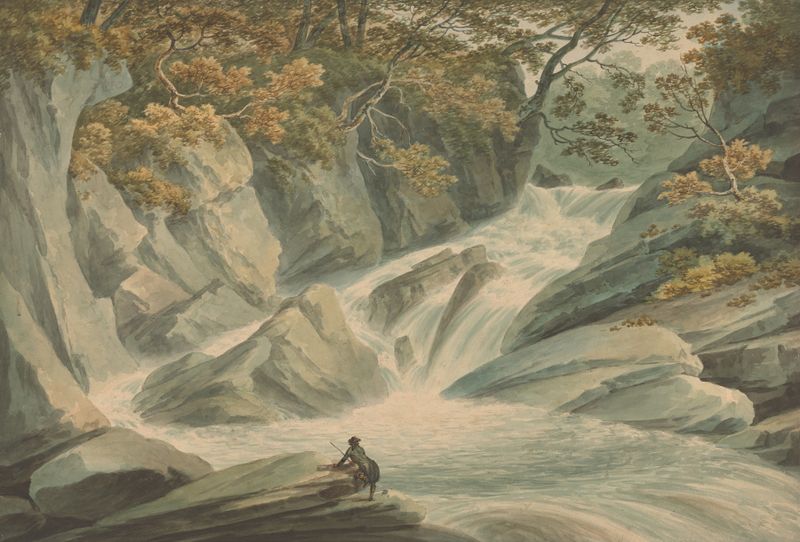
Hafod; Upper Part of Cascade
John Warwick Smith
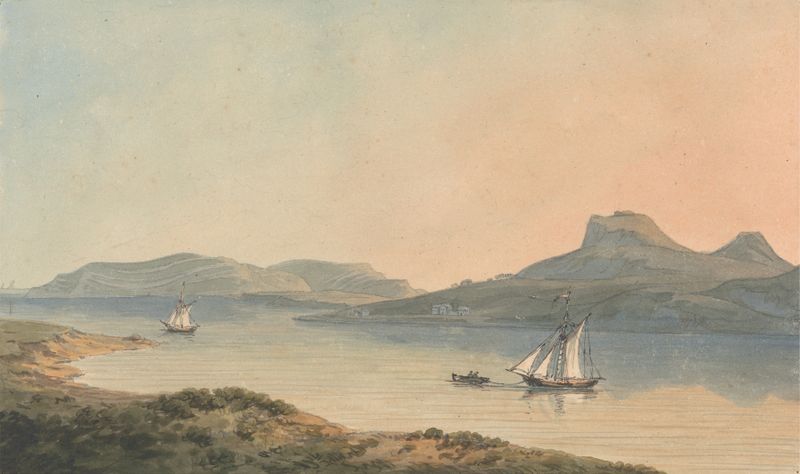
View of the Early Castle of Diganwy
John Warwick Smith
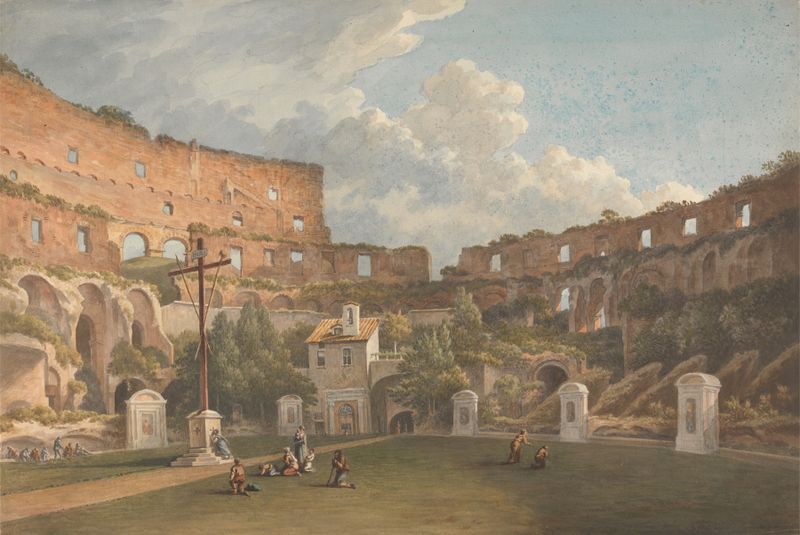
An Interior View of the Colosseum, Rome
John Warwick Smith
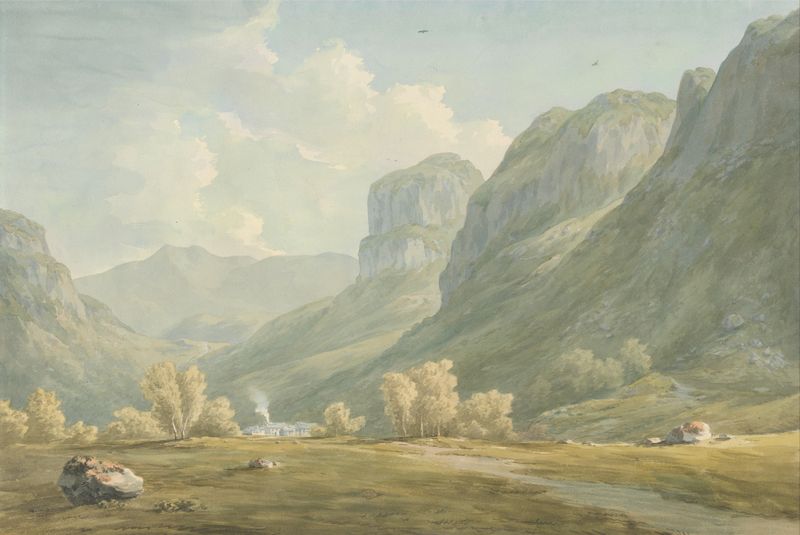
Village of Stonethwaite and Eagle Cragg, Borrowdale
John Warwick Smith
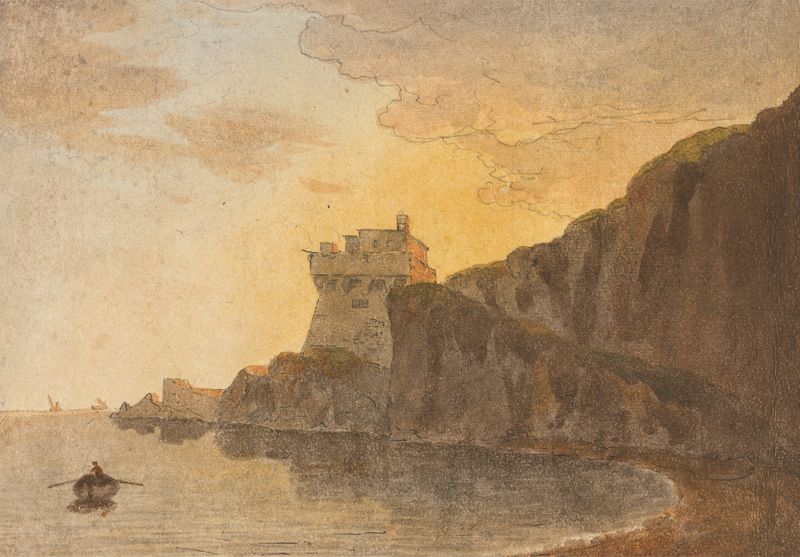
In the Bay of Salerno, near Vietri
John Warwick Smith
More Architecture Art
Browse all →
The statue of Liberty
Frédéric Auguste Bartholdi

View of Houses in Delft, Known as ‘The Little Street’
Johannes Vermeer

View of Houses in Delft, Known as ‘The Little Street’
Johannes Vermeer

The Cathedral in Rouen. The portal, Grey Weather
Claude Monet

The yellow house
Vincent van Gogh

The Church in Auvers-sur-Oise, View from the Chevet
Vincent van Gogh