
The Corner of the Castle Square — History & Facts
Can beauty exist without sorrow? In The Corner of the Castle Square, this question reverberates through the delicate interplay of light and shadow, inviting viewers to explore the paradox of joy intertwined with melancholy. Look to the left where the crumbling stone walls stand sentinel over the bustling square. The warm hues of ochre and gold contrast sharply with the cooler blues and grays, creating a dynamic tension that draws your eye across the canvas. The sun cascades down, illuminating the intricate architectural details while simultaneously casting long shadows that hint at the passage of time and the weight of history.
Each brushstroke reveals a world rich with stories, inviting you to wander through the narrow alleyways of this captured moment. Amidst the vibrancy of life in the square, a quiet stillness underlies the vibrancy, suggesting the unseen burdens carried by those who inhabit this space. The juxtaposition of the lively figures and the stoic architecture speaks to the duality of existence—a celebration of life shadowed by the inevitability of fate. Small details, like a lone figure pausing in reflection or a weathered statue watching over the scene, deepen this emotional landscape, reminding us of the ephemeral nature of happiness. In 1923, Feliks Jabłczyński created this work during a time of significant change in Europe, marked by the aftermath of World War I.
Living in Poland, he was influenced by the shifting art movements of the day, merging realism with a burgeoning modernist sensibility. This painting reflects not only his personal artistic journey but also the collective consciousness of a world grappling with the complexities of rebuilding and redefining identity.
More Artworks by Feliks Jabłczyński
Browse all →
Villa Borgia in Rome
Feliks Jabłczyński

Mariensztat Street in Warsaw
Feliks Jabłczyński
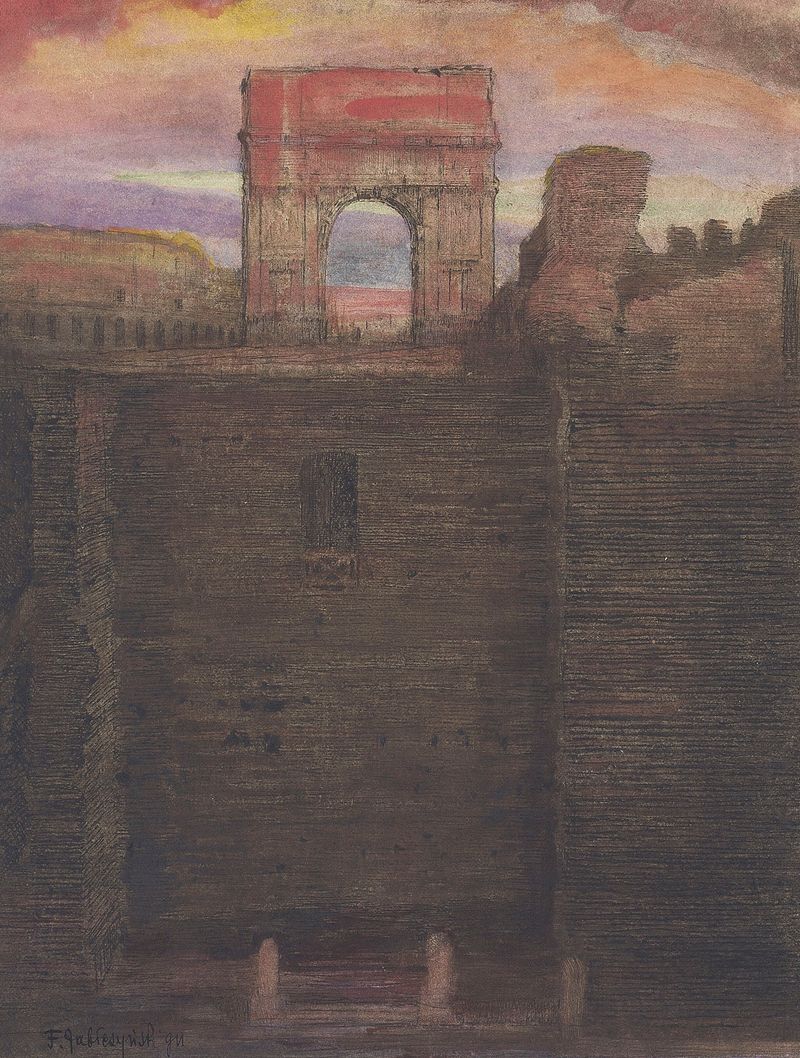
The House of Vestals and the Arch of Titus in the background
Feliks Jabłczyński
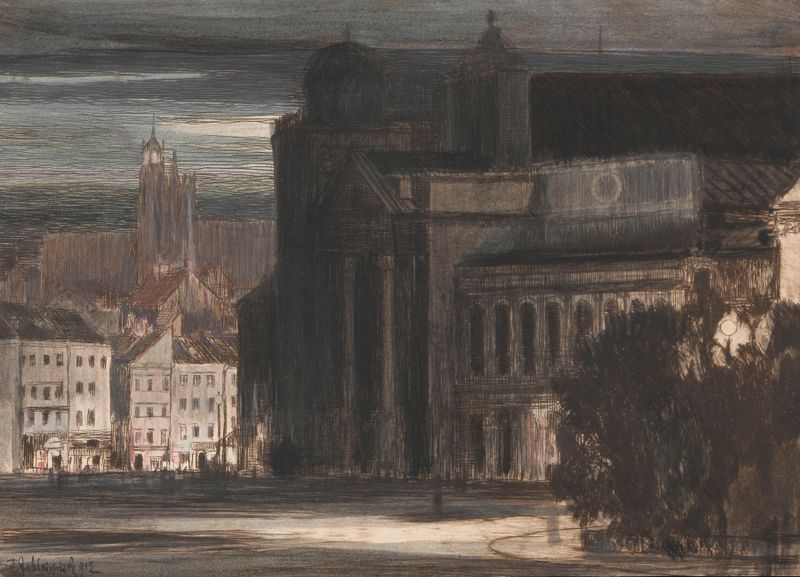
View of the Church of St. Anna and the Castle Square in Warsaw
Feliks Jabłczyński

Kaplica Boimów we Lwowie
Feliks Jabłczyński
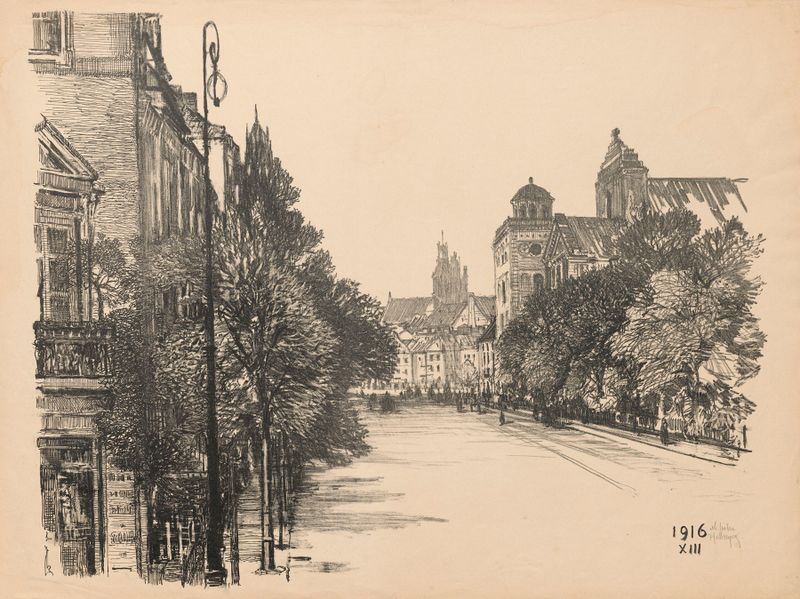
Krakowskie Przedmieście Street
Feliks Jabłczyński
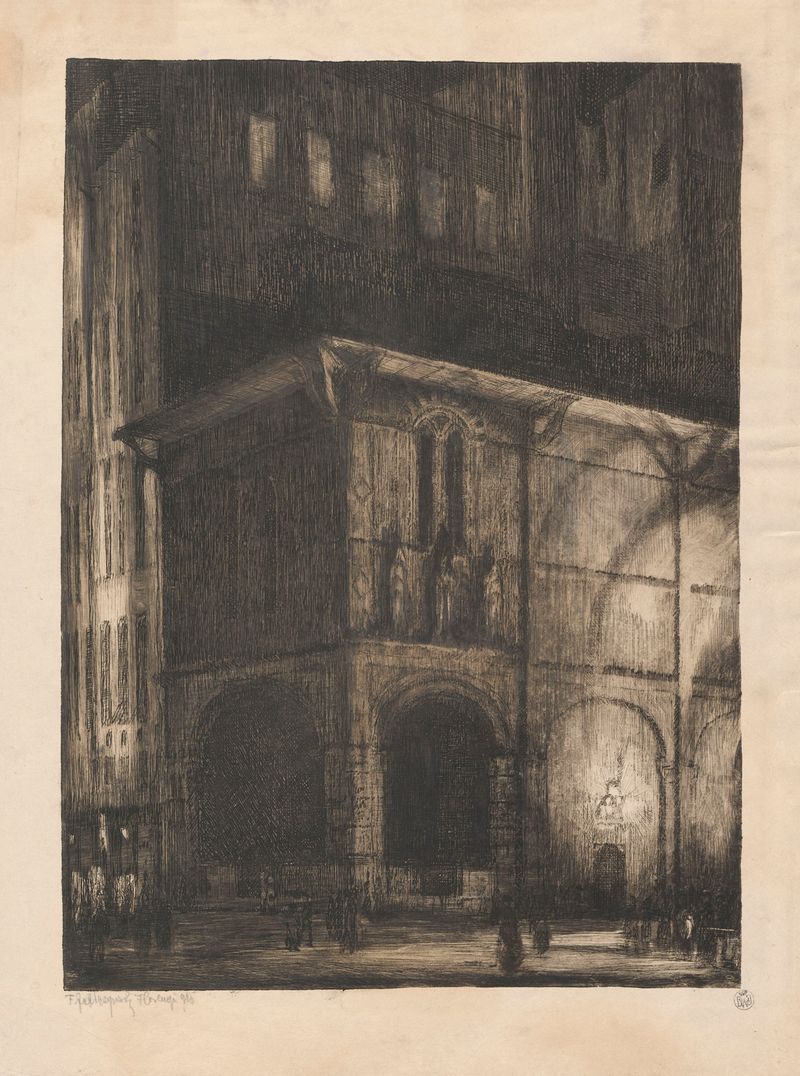
Florence
Feliks Jabłczyński
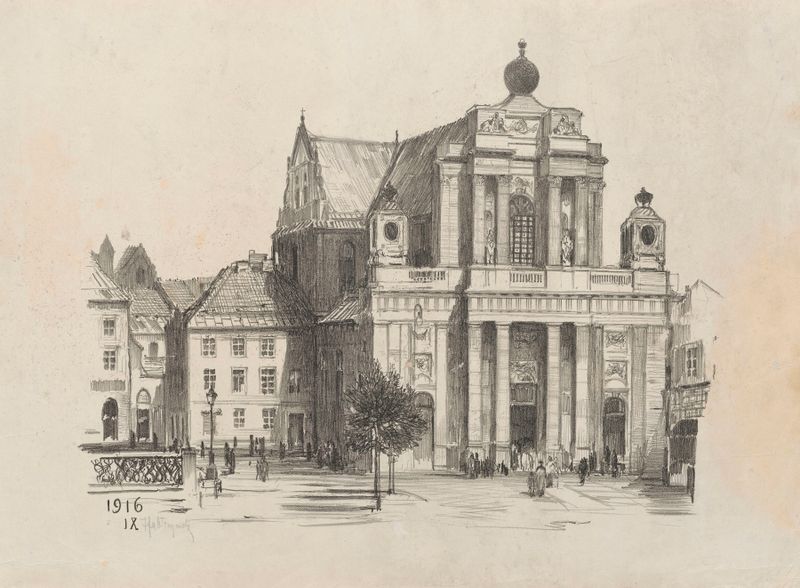
Carmelite Church.
Feliks Jabłczyński

The Visitation Sisters Church
Feliks Jabłczyński
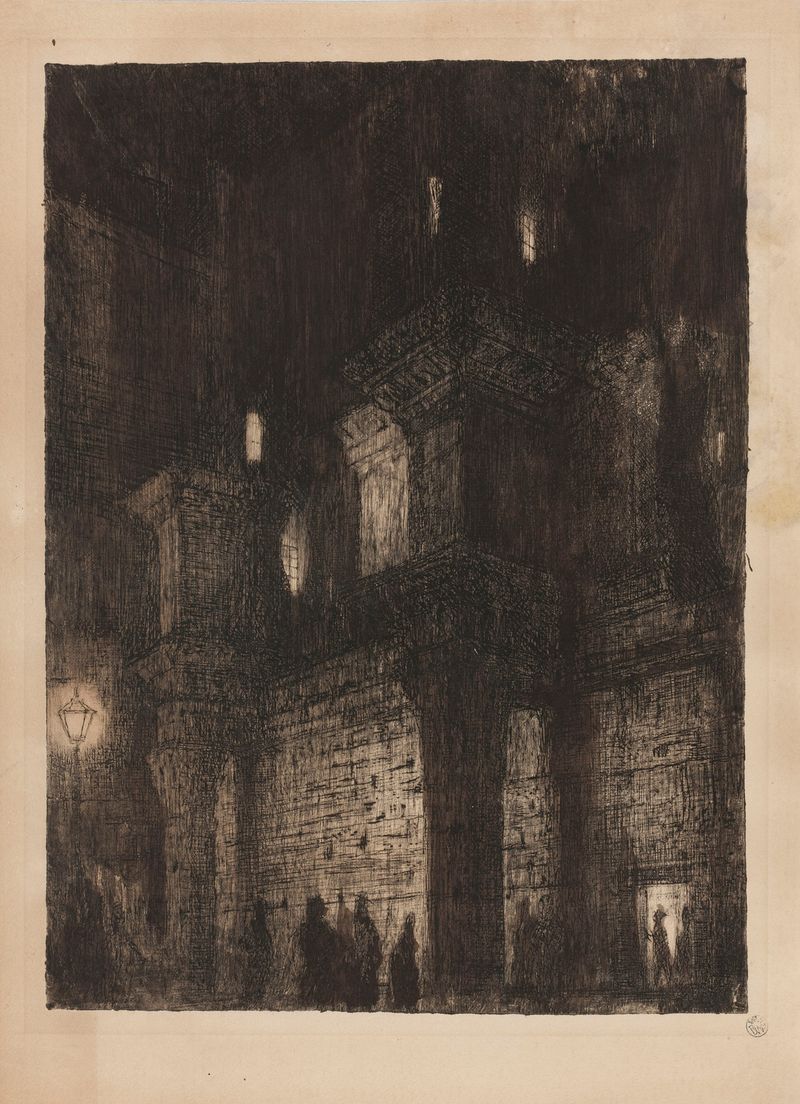
Forum Nervae
Feliks Jabłczyński





