
The Court at Blithfield — History & Facts
Did the painter know this moment would outlive them? The stillness of time captured on canvas begs us to question the echoes of history that linger in empty spaces. Focus your gaze on the expansive lawn that stretches into the distance, where a gentle breeze seems to stir the grass. Notice how the figures are arranged along the periphery—each poised yet distant, as if caught in a reverie. The soft pastels lend a dreamlike quality, while the delicate interplay of light and shadow emphasizes a profound sense of emptiness, as though the scene holds its breath, waiting for a forgotten narrative to unfold. Amidst the bustling elegance of the court, contrasts emerge—the opulence of the attire starkly juxtaposed with the desolate expanse surrounding them.
The figures seem almost spectral, hinting at lives once vibrant yet now eclipsed by time. This duality evokes a haunting reflection on the fleeting nature of grandeur, inviting us to ponder what remains when the spectacle fades away. In 1823, while painting this piece in England, the artist was navigating the currents of a rapidly changing society that was grappling with the effects of the Industrial Revolution. John Buckler was deeply engaged in his career as a landscape painter and architect, often blending the two disciplines in his work.
During this period, art was increasingly moving towards realism, yet here, Buckler captured an ephemeral moment that invites introspection, standing as a poignant reminder of the passage of time and the allure of the empty.
More Artworks by John Buckler
Browse all →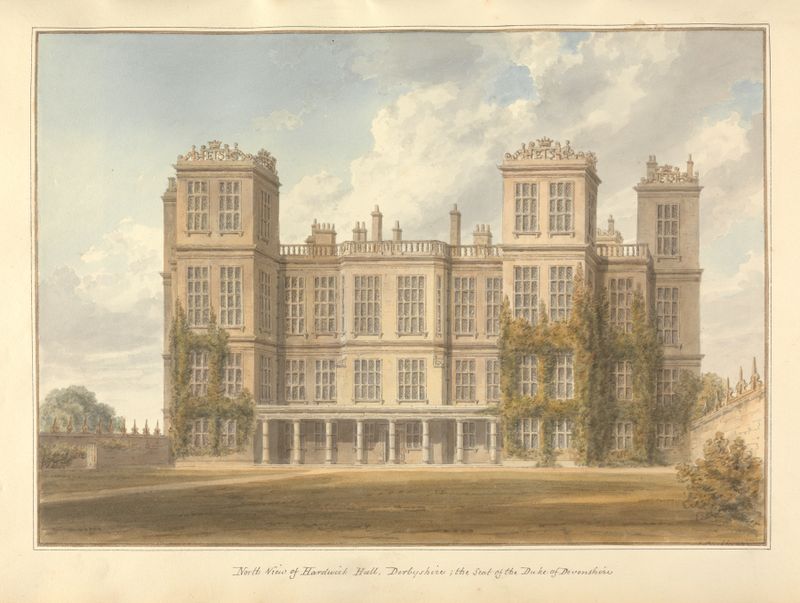
North View of Hardwick Hall, Derbyshire: the Seat of the Duke of Devonshire
John Buckler
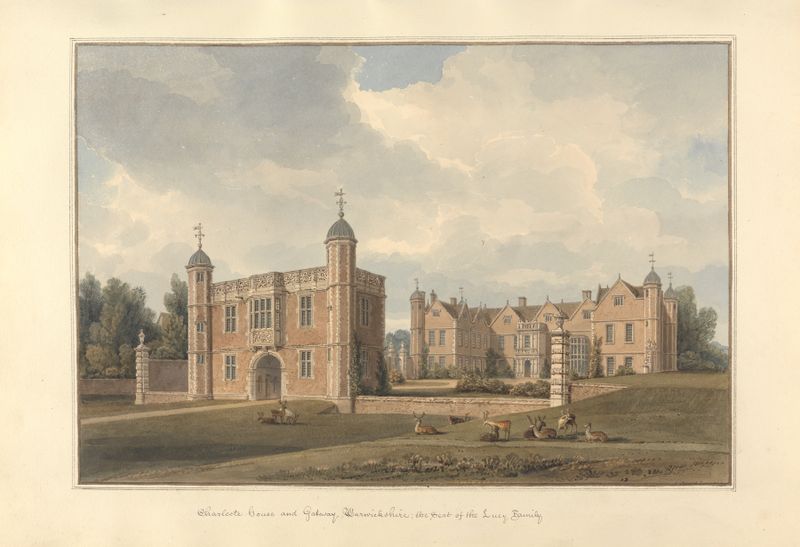
Charlcote house and Gateway, Warwickshire: the Seat of the Lucy Family
John Buckler

North East View of Holland House
John Buckler
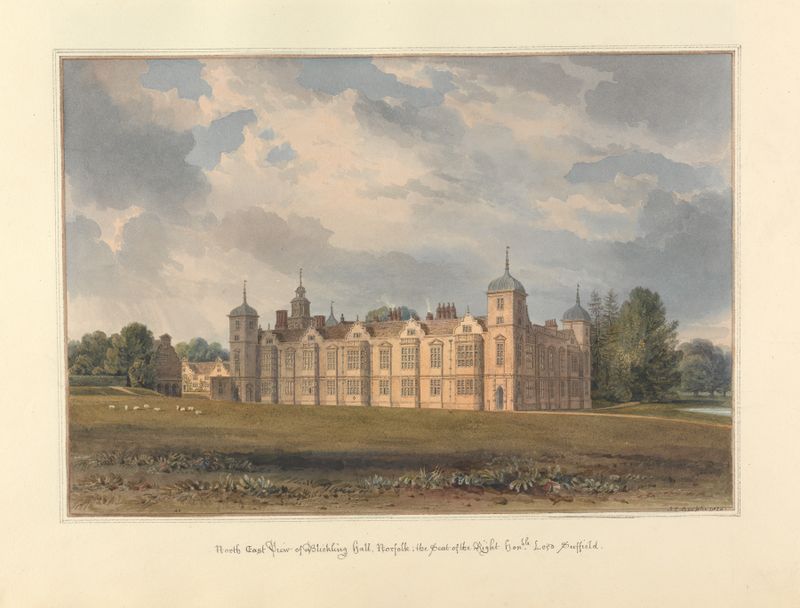
North East View of Blickling Hall, Norfolk: the Seat of the Right Hon’ble Lord Suffield
John Buckler
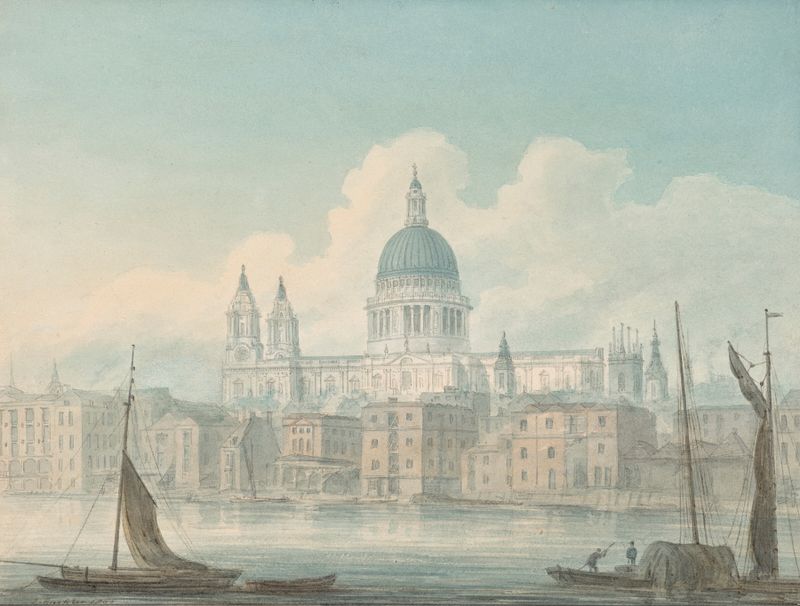
View of St Paul’s Cathedral, from the Southbank of the River Thames, London
John Buckler
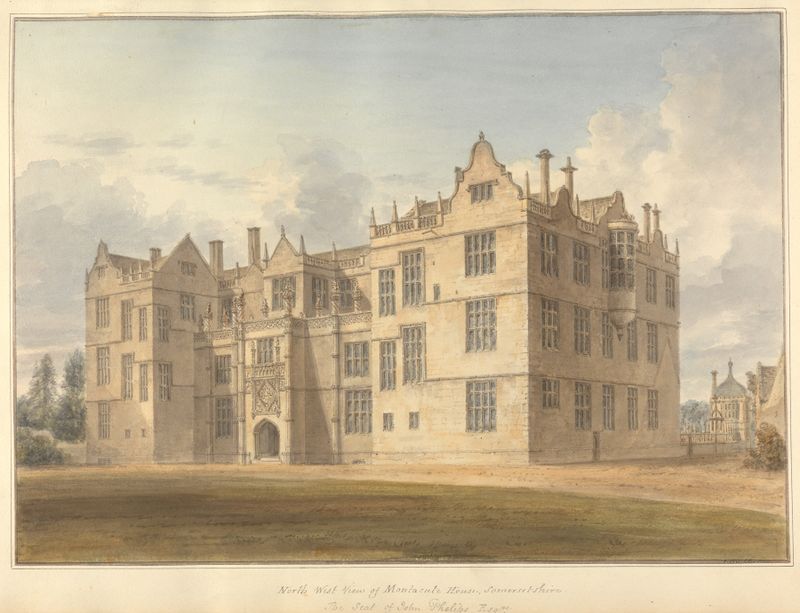
North West View of Montacute House, Somersetshire, The Seat of John Phelips Esqr.
John Buckler
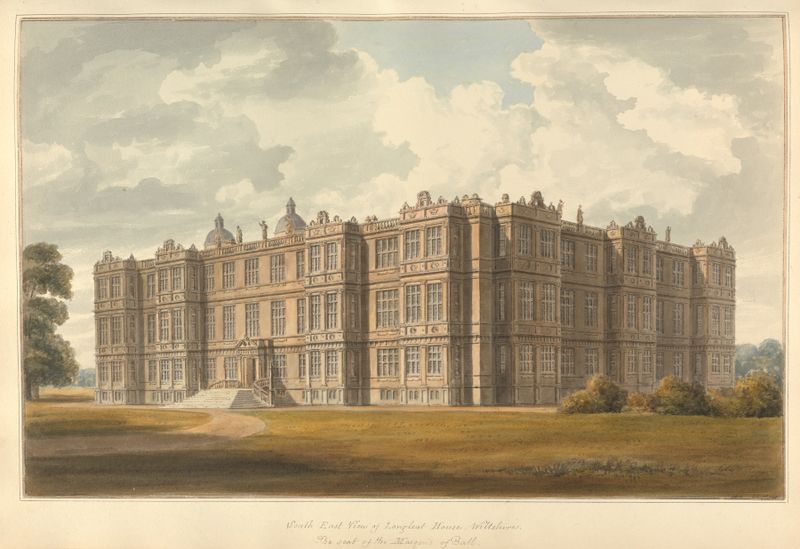
South East View of Longleat House, Wiltshire, the Seat of the Marquis of Bath
John Buckler
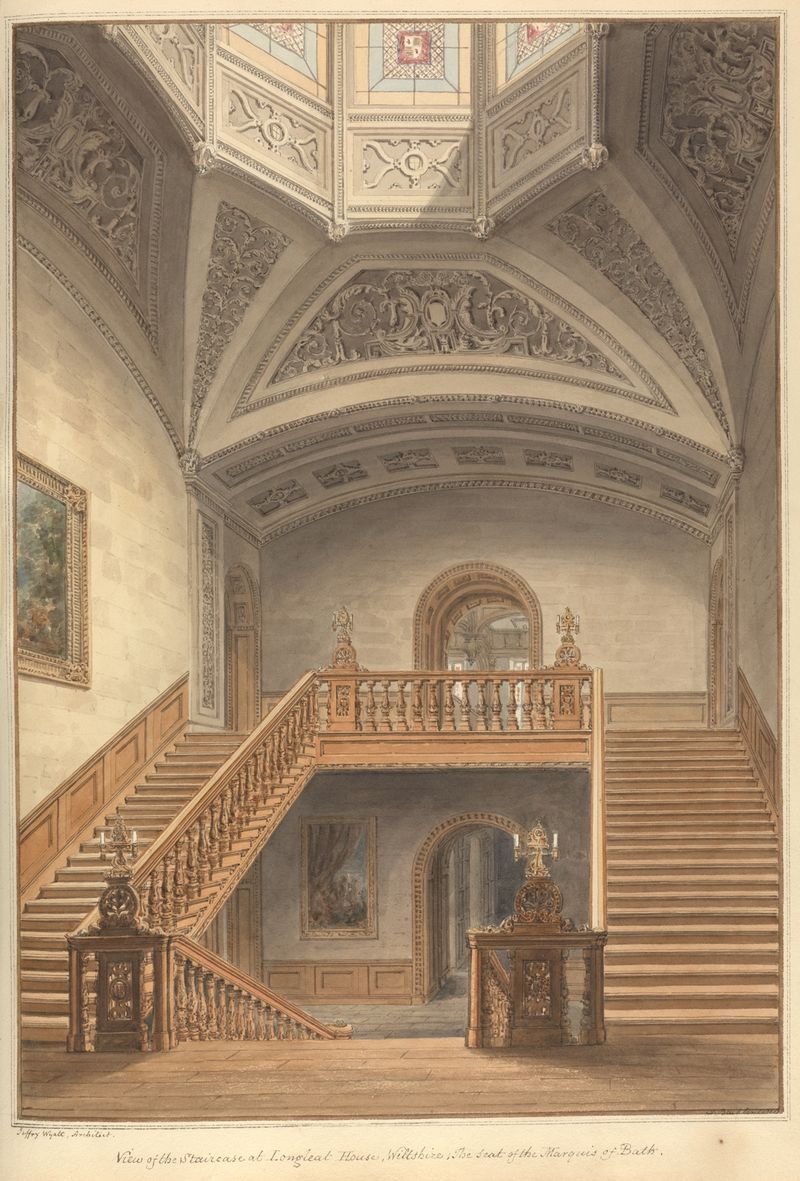
View of the Staircase at Longleat House, Wiltshire: the Seat of the Marquis of Bath
John Buckler
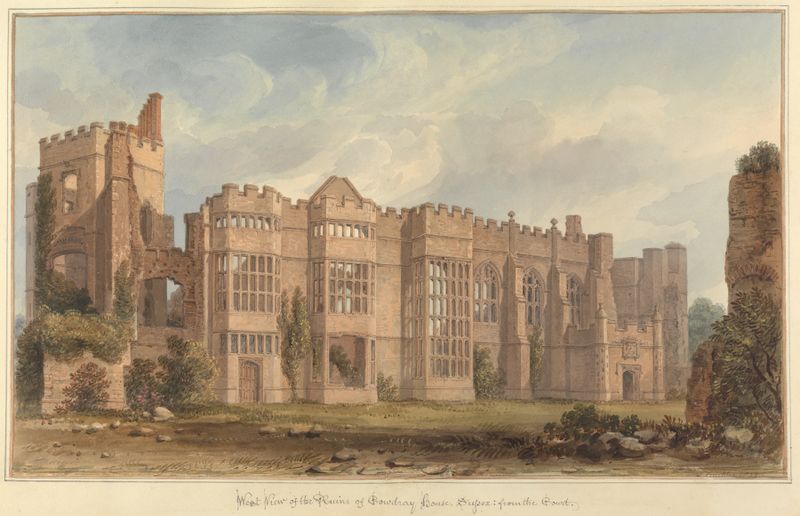
West View of the Ruins of Cowdray House, Sussex: from the Court
John Buckler
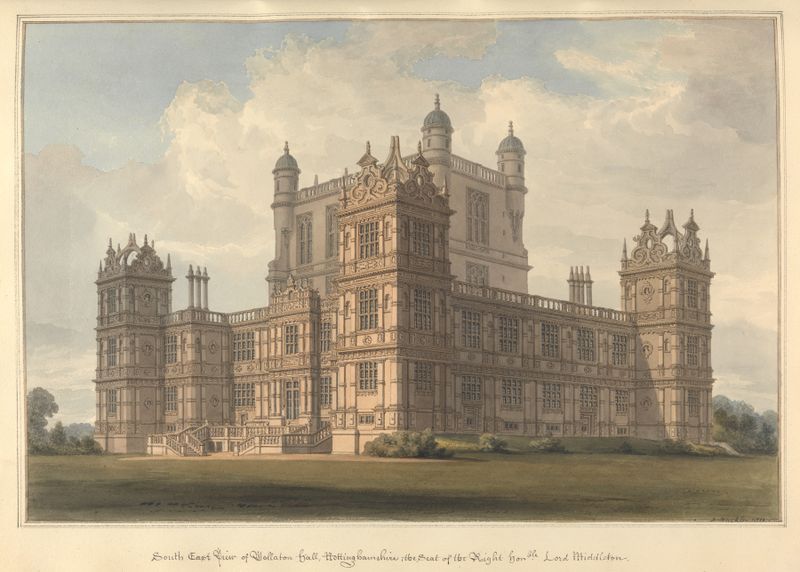
South East view of Wollaton hall, Nottinghamshire, the Seat of the Right honble. Lord Middleton
John Buckler





