
The Court at Rushton hall, Northamptonshire — History & Facts
What if beauty was never meant to be finished? In John Buckler's The Court at Rushton Hall, Northamptonshire, the lingering essence of innocence dances gracefully amidst the architectural splendor, inviting us to reflect on the transient nature of all things beautiful. Look to the center of the canvas where the grand facade of Rushton Hall dominates, its intricate details illuminated by a soft, golden light. As your eyes trace the gentle curves and sharp lines of the building, notice the vibrant greens of the surrounding foliage, each leaf seemingly brushed with life. The harmonious blend of colors creates a serene atmosphere, drawing the viewer deeper into this idyllic moment frozen in time, a scene where nature and human ingenuity meet. Yet beneath the calm exterior lies a deeper narrative.
The lush gardens surrounding the hall whisper tales of youth and fleeting joy, hinting at the innocence that has flourished here but may soon fade. The presence of shadows hints at the passage of time, suggesting that the beauty of this scene is both a celebration and a lament. The juxtaposition of the sturdy architecture against the ephemeral qualities of the garden serves as a reminder of the delicate balance between permanence and transience. In 1818, Buckler painted this piece during a time of burgeoning Romanticism within the art world, which sought to capture the sublime beauty of nature and emotion.
He was immersed in the changing tastes of art that celebrated the picturesque, and this work reflects his intimate connection to the landscape of Northamptonshire while also echoing the broader cultural movement of his era.
More Artworks by John Buckler
Browse all →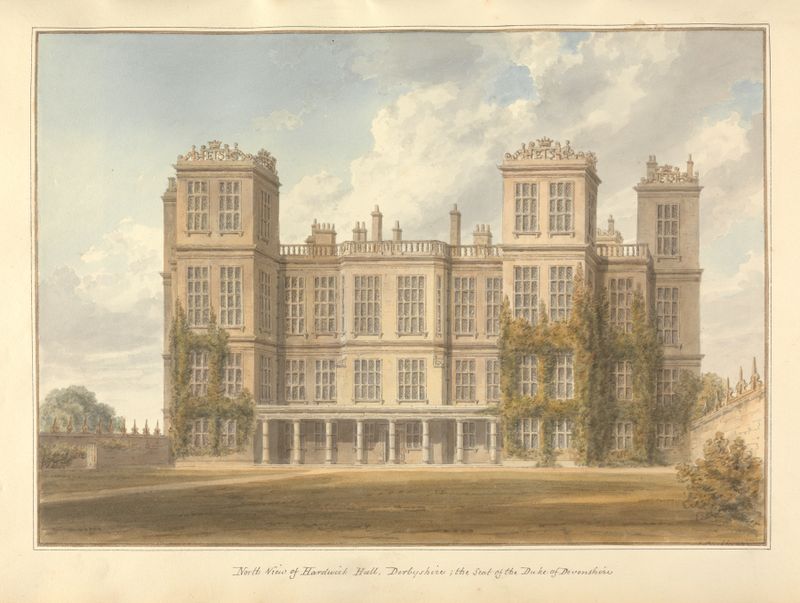
North View of Hardwick Hall, Derbyshire: the Seat of the Duke of Devonshire
John Buckler
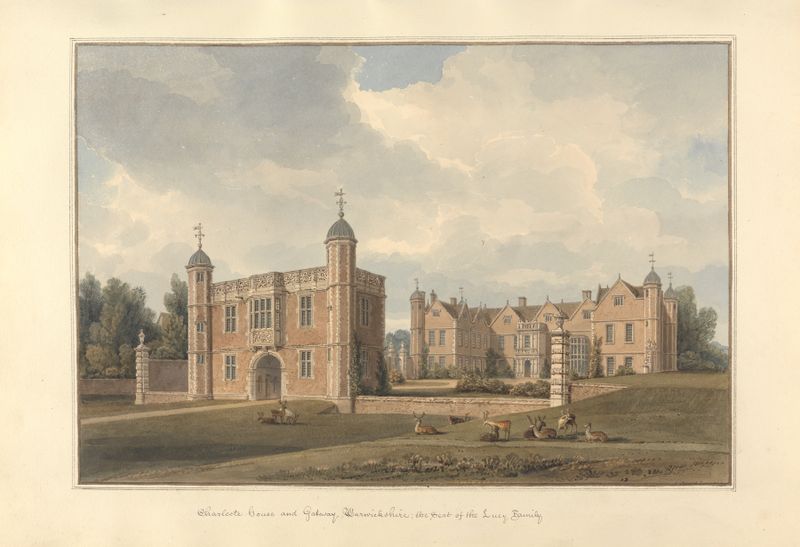
Charlcote house and Gateway, Warwickshire: the Seat of the Lucy Family
John Buckler

North East View of Holland House
John Buckler
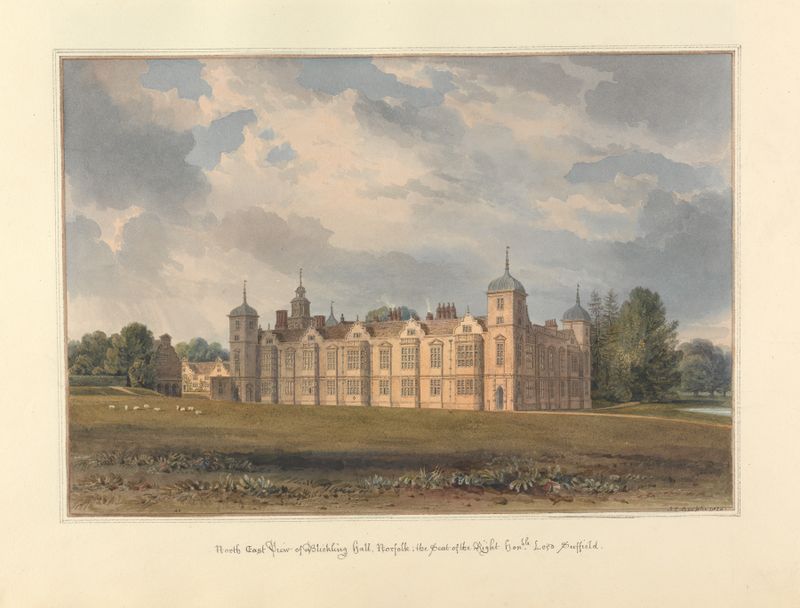
North East View of Blickling Hall, Norfolk: the Seat of the Right Hon’ble Lord Suffield
John Buckler
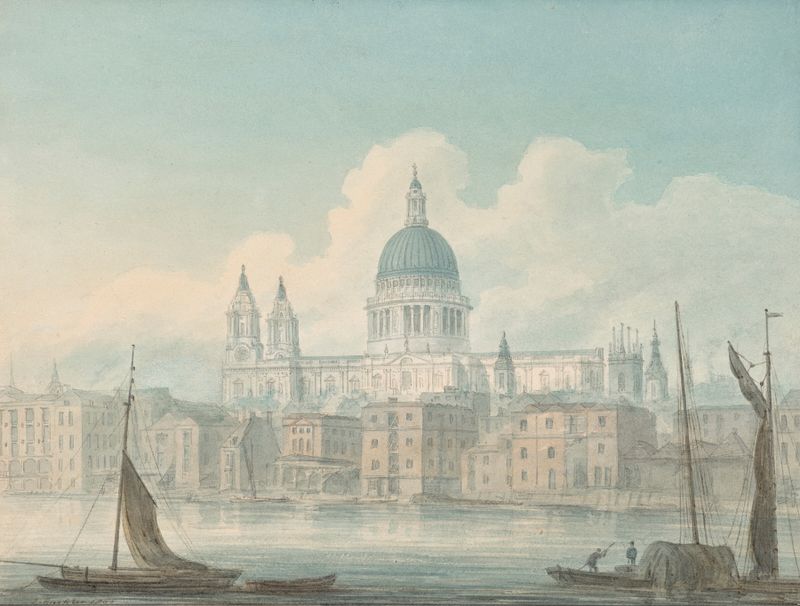
View of St Paul’s Cathedral, from the Southbank of the River Thames, London
John Buckler
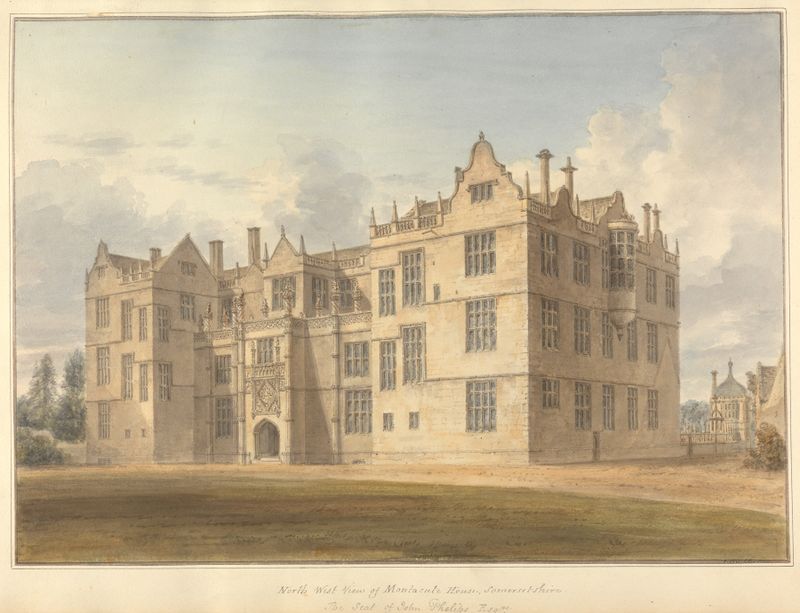
North West View of Montacute House, Somersetshire, The Seat of John Phelips Esqr.
John Buckler
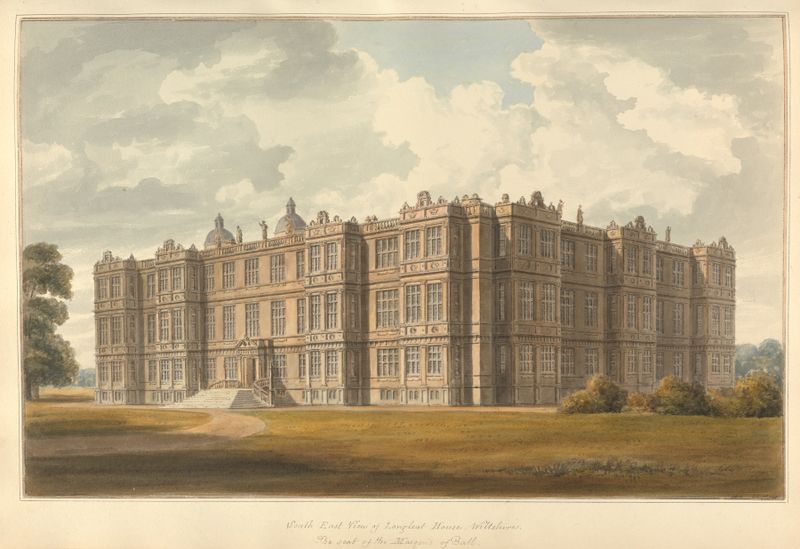
South East View of Longleat House, Wiltshire, the Seat of the Marquis of Bath
John Buckler
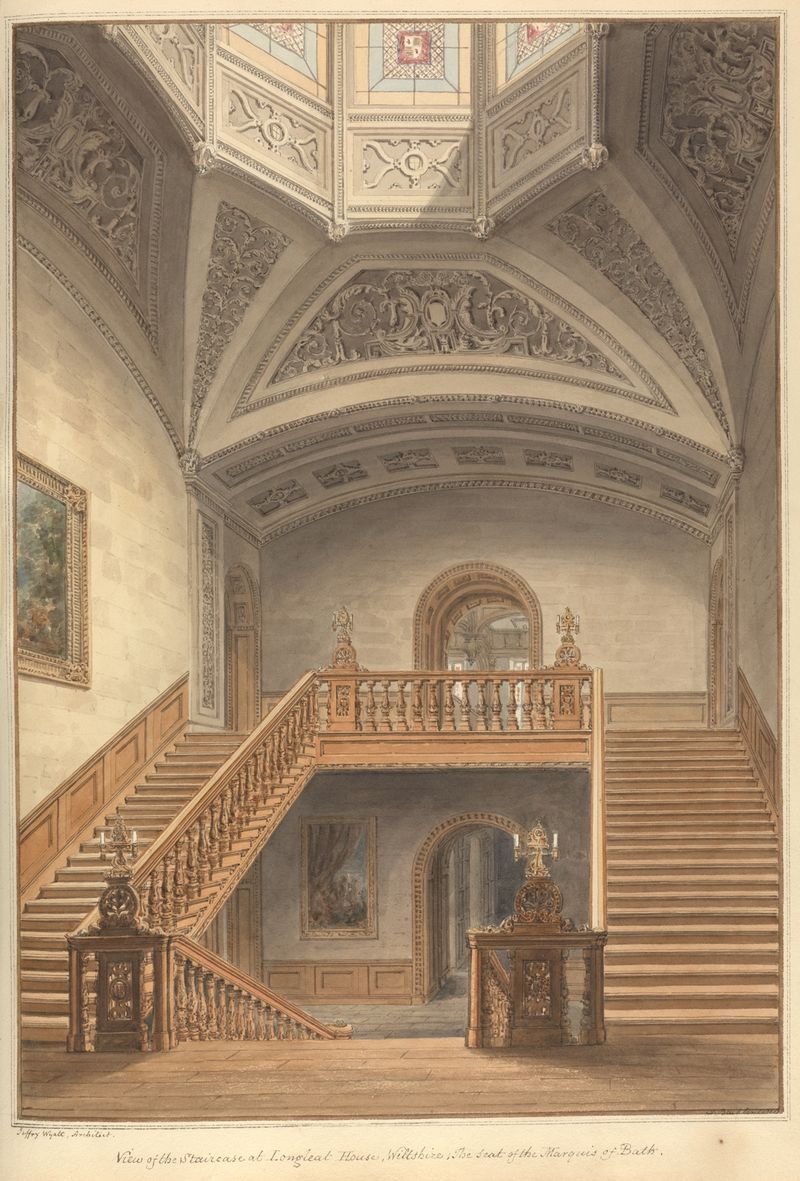
View of the Staircase at Longleat House, Wiltshire: the Seat of the Marquis of Bath
John Buckler
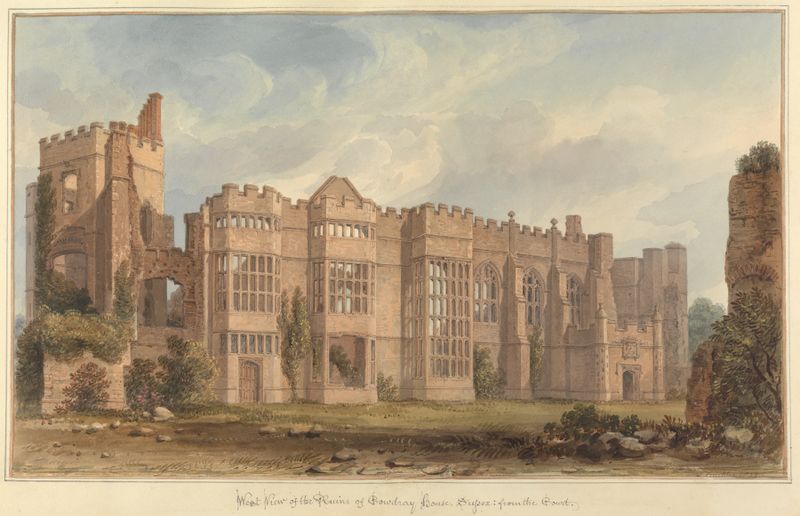
West View of the Ruins of Cowdray House, Sussex: from the Court
John Buckler
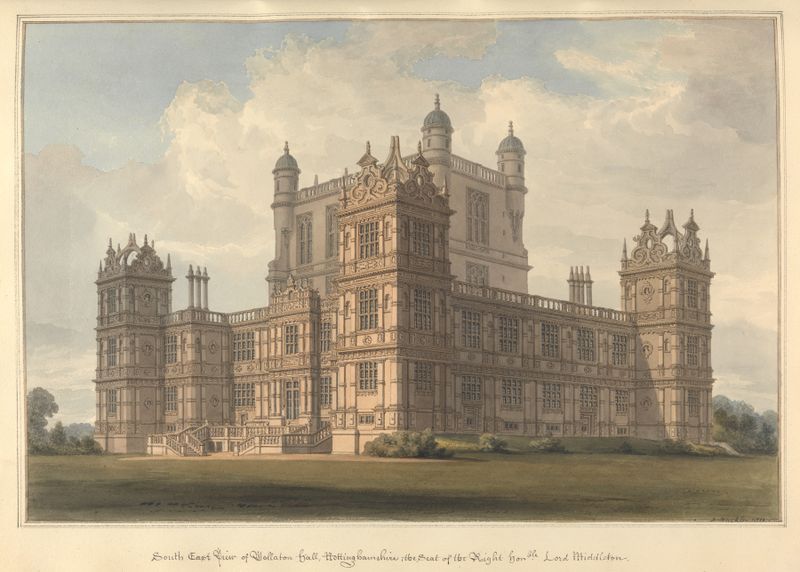
South East view of Wollaton hall, Nottinghamshire, the Seat of the Right honble. Lord Middleton
John Buckler
More Architecture Art
Browse all →
The statue of Liberty
Frédéric Auguste Bartholdi

View of Houses in Delft, Known as ‘The Little Street’
Johannes Vermeer

View of Houses in Delft, Known as ‘The Little Street’
Johannes Vermeer

The Cathedral in Rouen. The portal, Grey Weather
Claude Monet

The yellow house
Vincent van Gogh

The Church in Auvers-sur-Oise, View from the Chevet
Vincent van Gogh