Discover insights about this artwork
The Cowherd — History & Facts
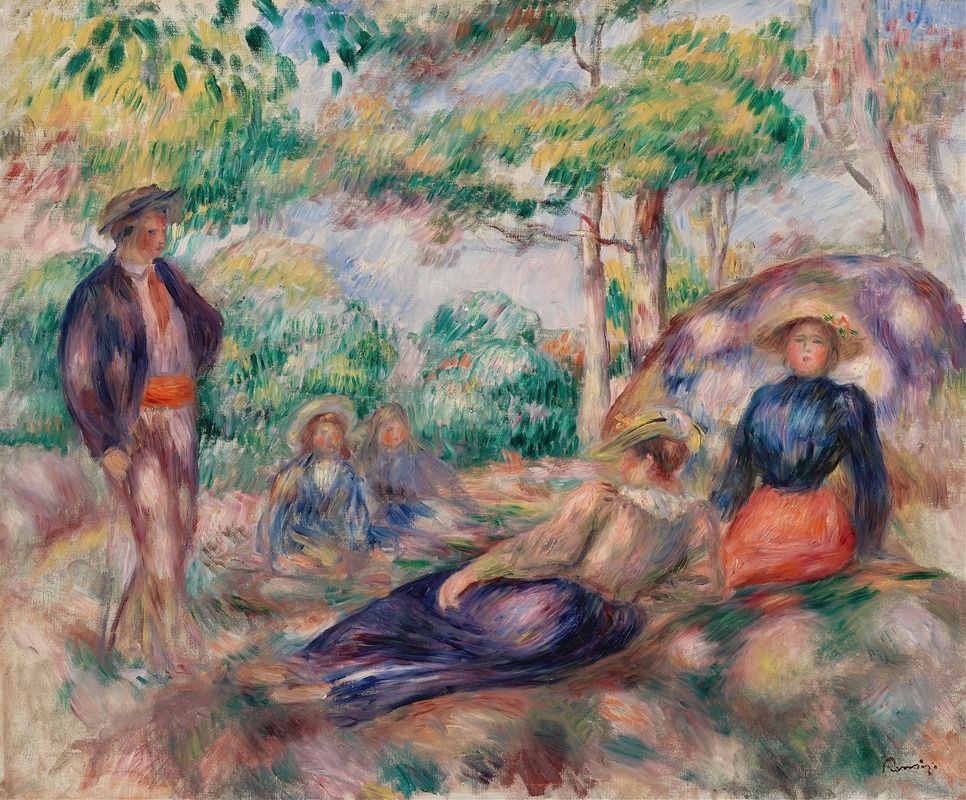
In The Cowherd, Claude Lorrain presents a tranquil pastoral scene filled with soft, warm colors. The painting features a young cowherd, dressed in simple attire, tending to his cattle amidst lush greenery. The background showcases a serene landscape with rolling hills and a gentle sky, suggesting a peaceful rural setting.
The use of light is particularly striking, creating a harmonious atmosphere that invites the viewer into the scene. The painting is executed in oil on canvas, a common medium for Lorrain during the Baroque period. The dimensions are approximately 100 x 130 cm, allowing for a detailed portrayal of the figures and landscape. The artist's technique involves layering colors to achieve depth and luminosity, particularly in the depiction of the sky and foliage.
This work exemplifies Lorrain's mastery of light and composition, characteristic of his style. Claude Lorrain was a prominent figure in the Baroque movement, known for his idealized landscapes and serene compositions. The Cowherd is a fine example of his ability to blend figures with nature, creating a sense of harmony. Interestingly, this painting reflects the artist's fascination with the rural life of his time, often romanticizing the simplicity of pastoral existence.
Today, it is housed in the Museo del Prado, showcasing the enduring appeal of Lorrain's work.
More Artworks by Claude Lorrain
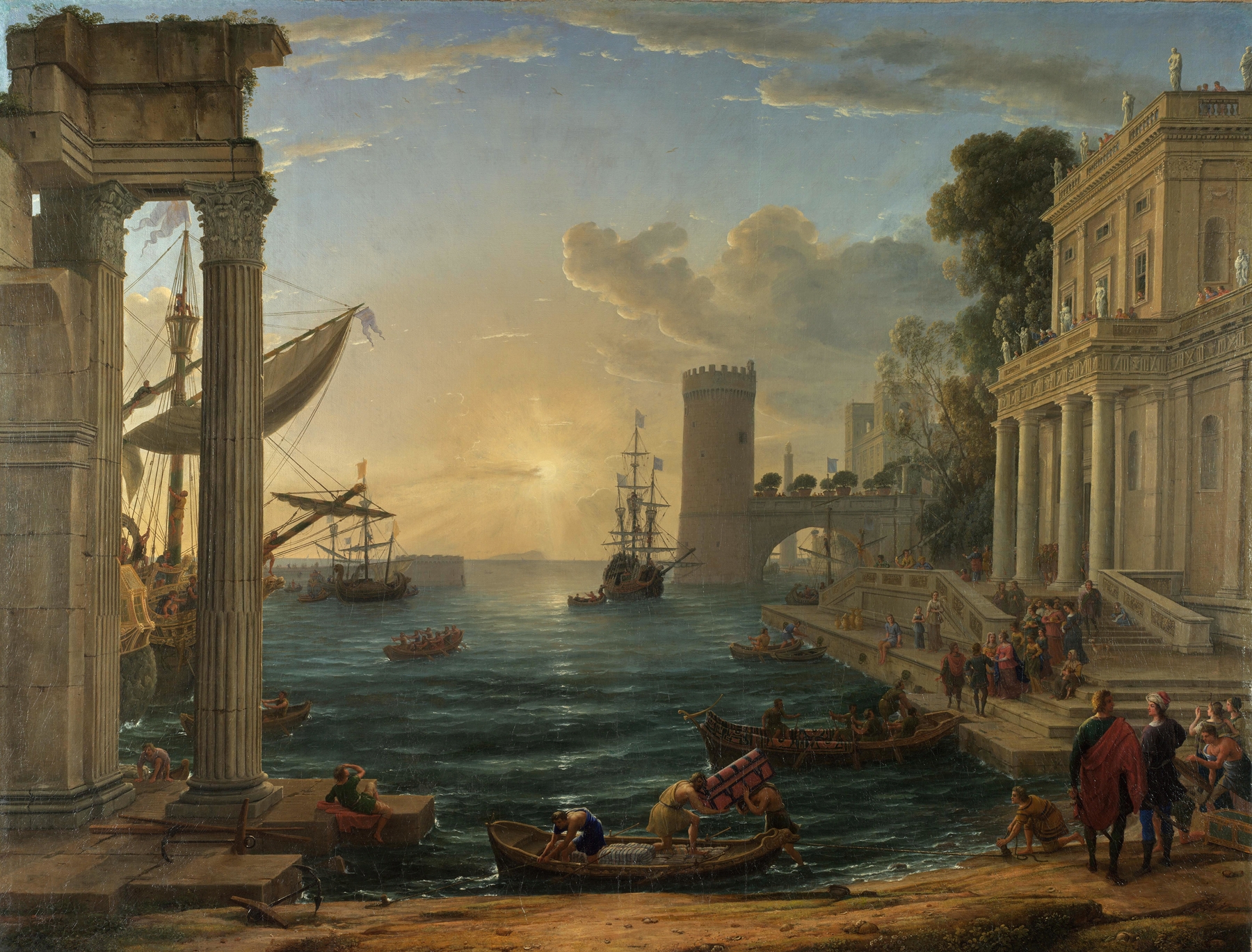
The Embarkation of the Queen of Sheba
Claude Lorrain
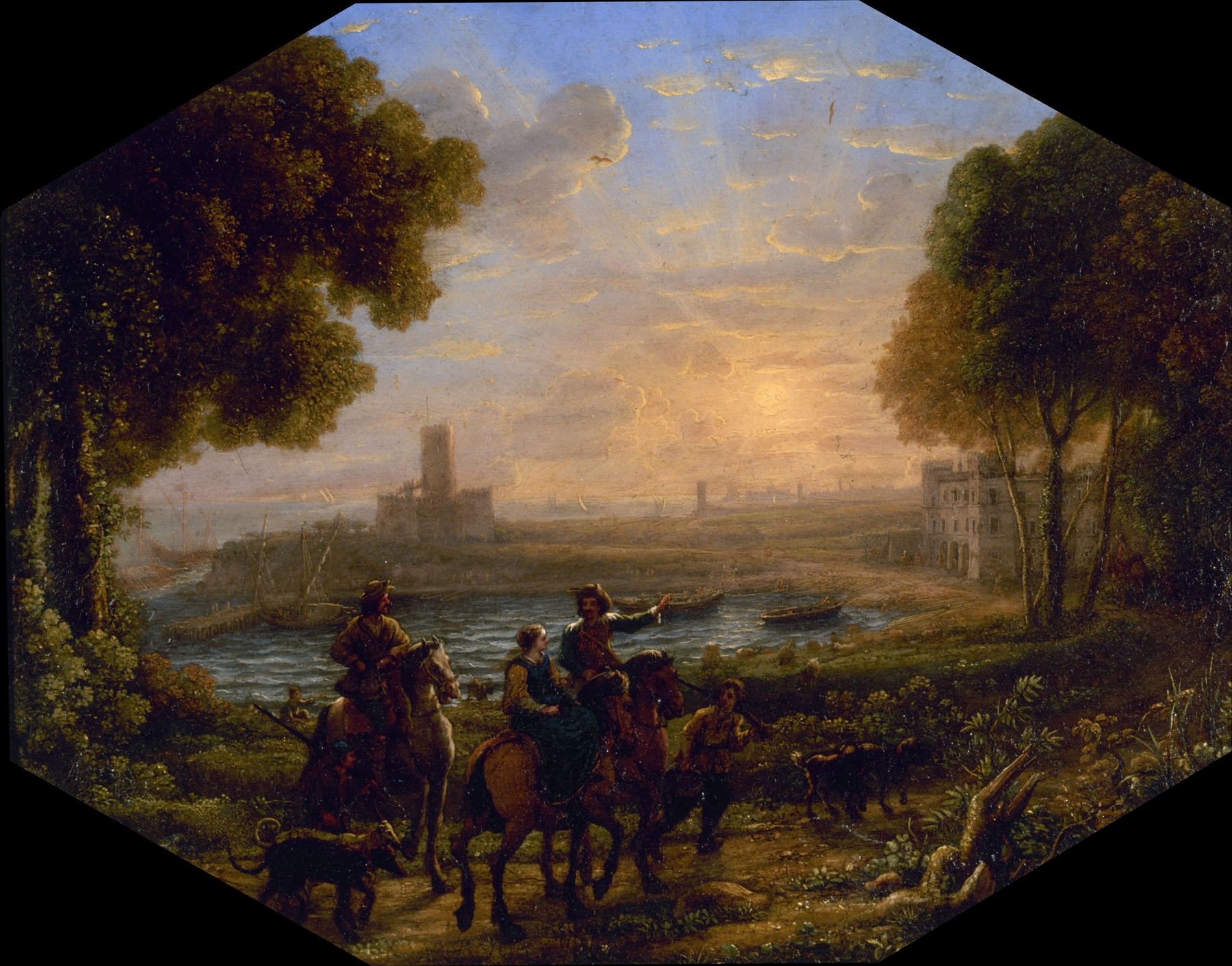
Paysage avec le port de Santa Marinella
Claude Lorrain
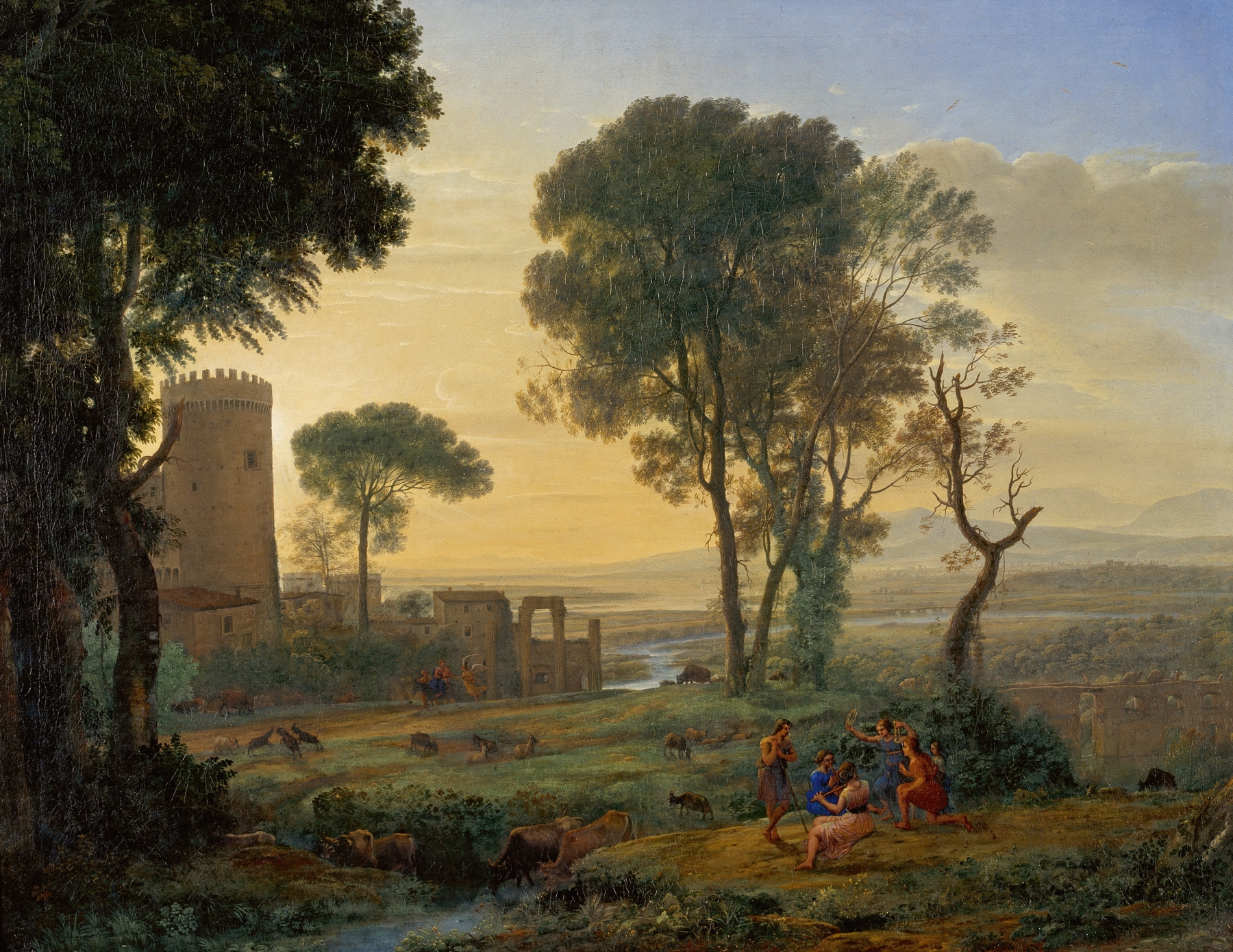
Landscape with the Flight into Egypt
Claude Lorrain
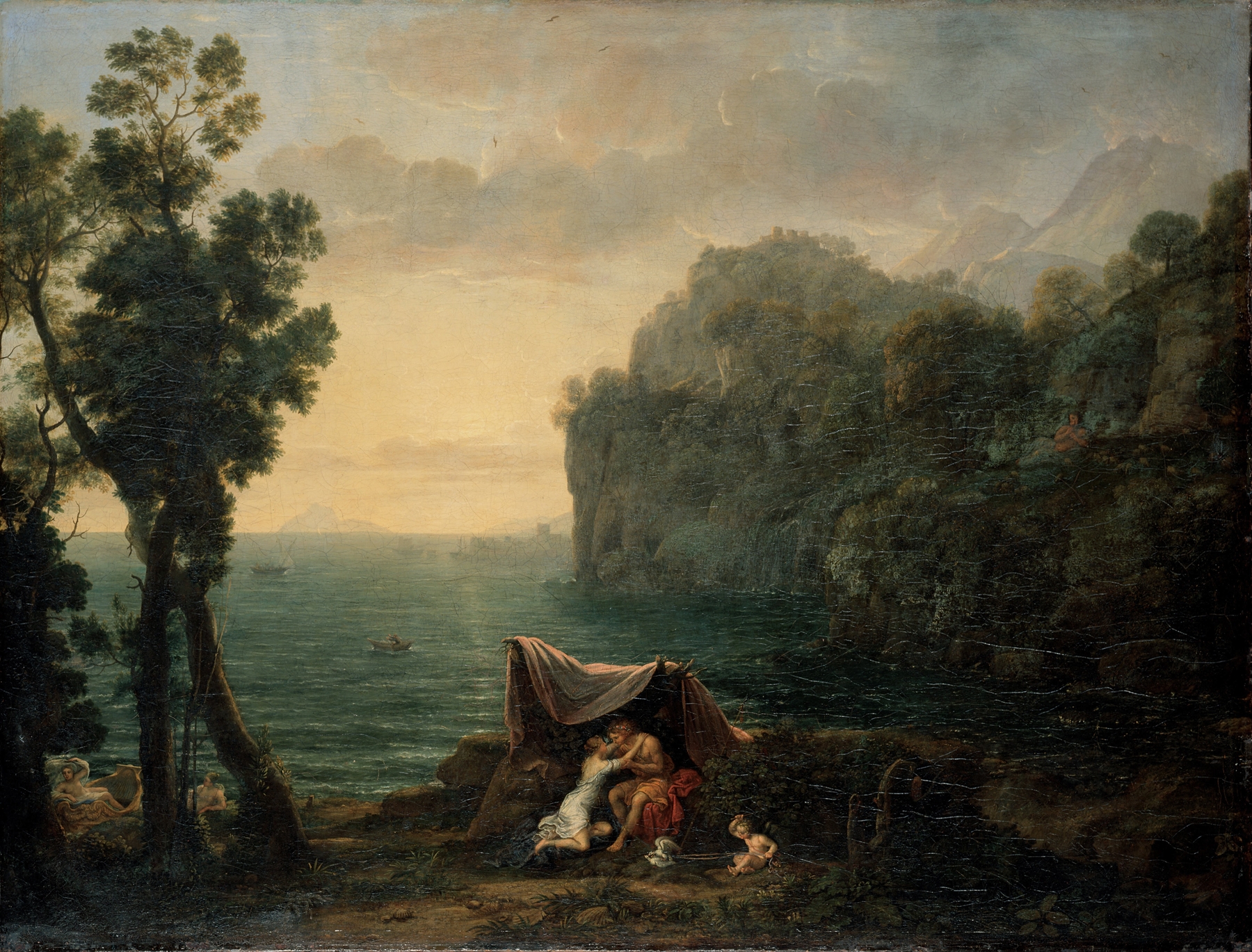
Landscape with Acis and Galatea
Claude Lorrain
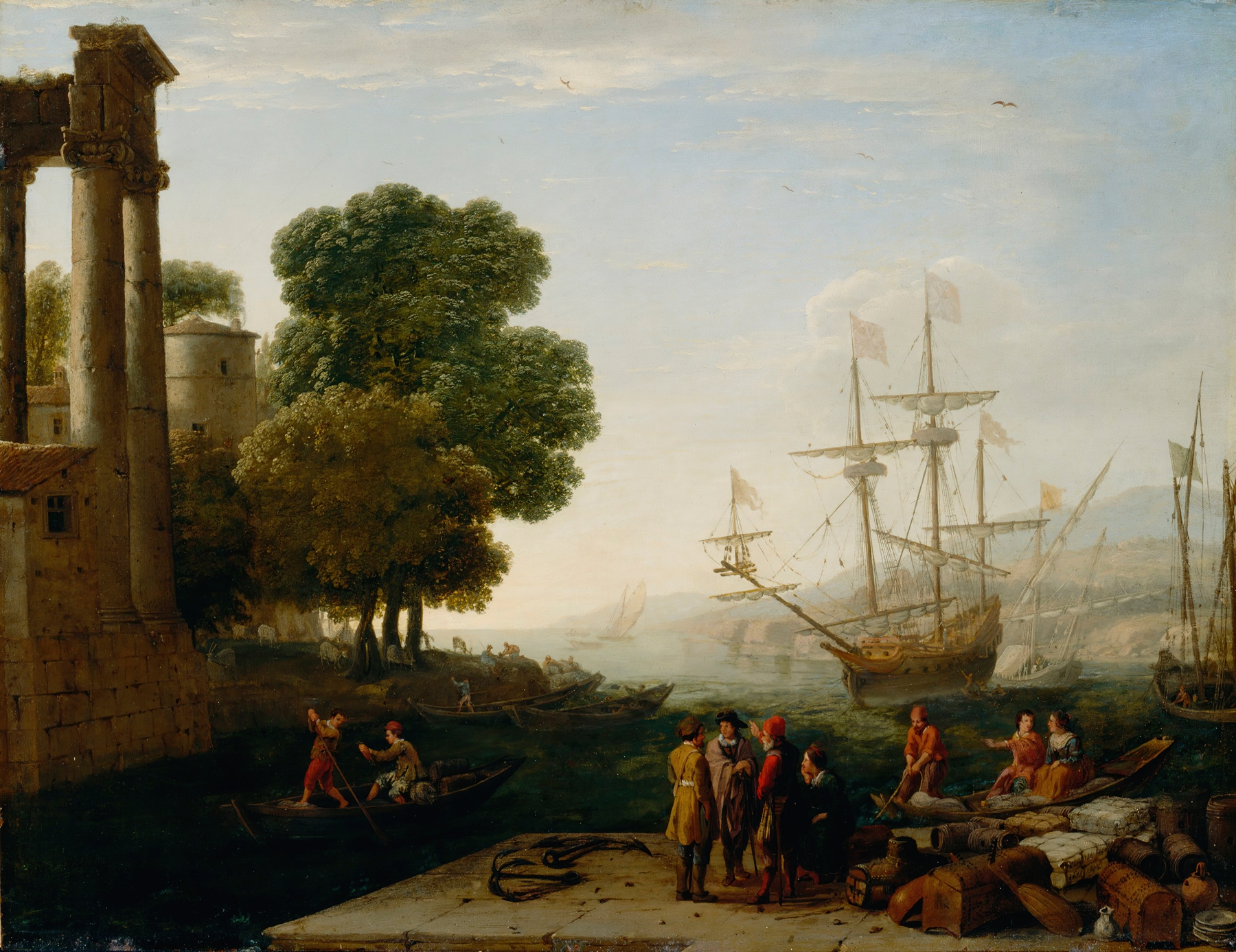
A Seaport at Sunset
Claude Lorrain
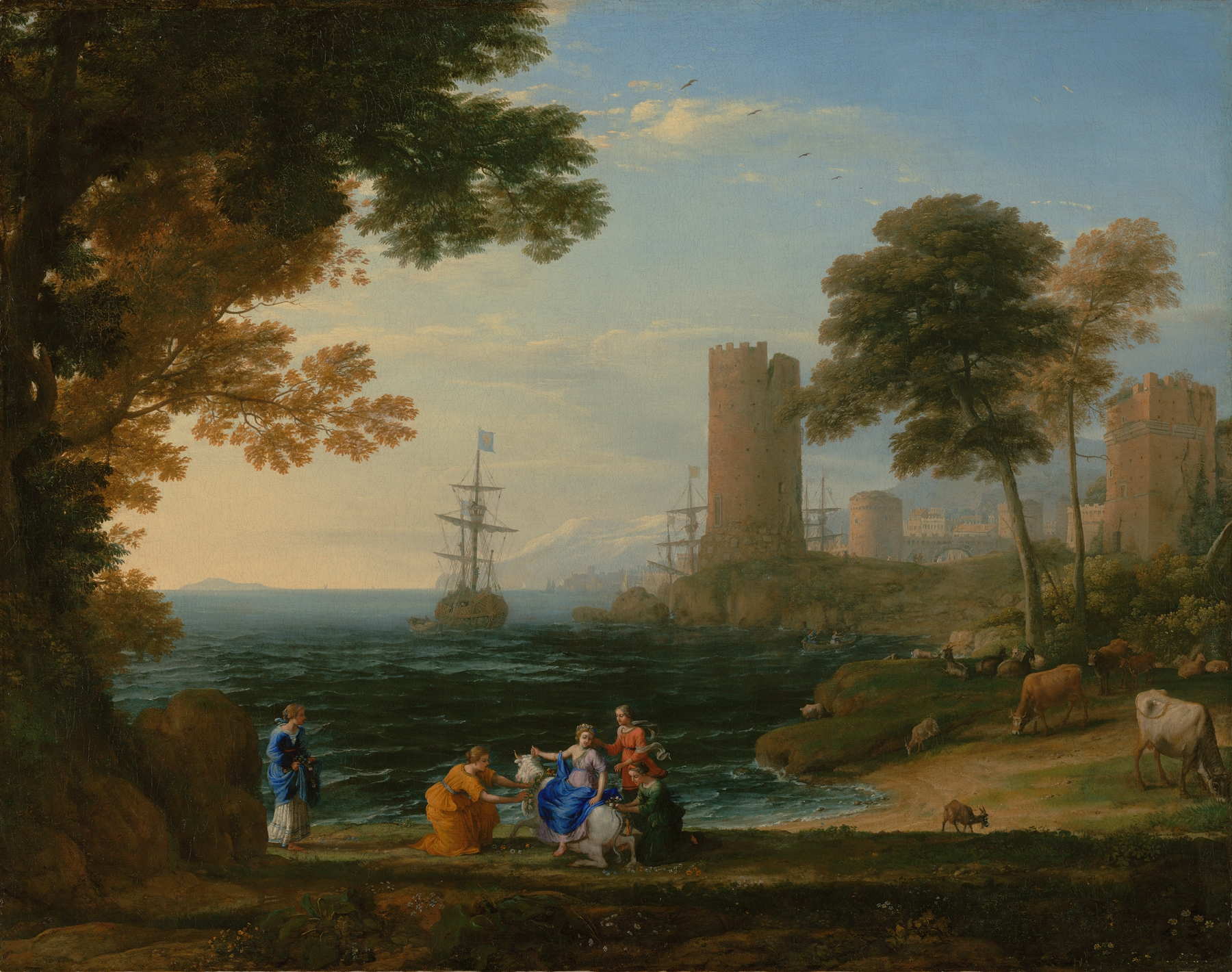
Coast View with the Abduction of Europa
Claude Lorrain
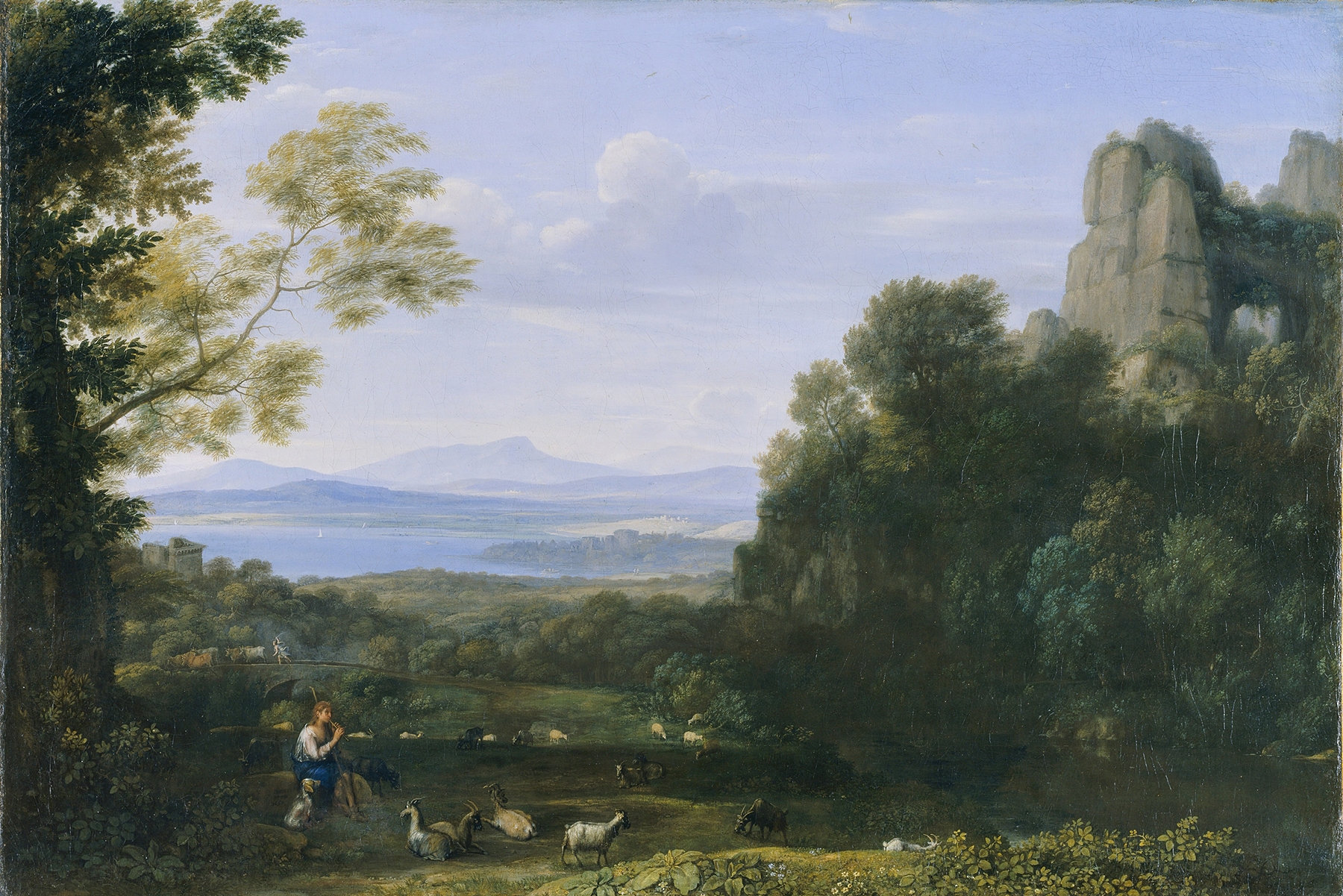
Landscape with Apollo and Mercury
Claude Lorrain
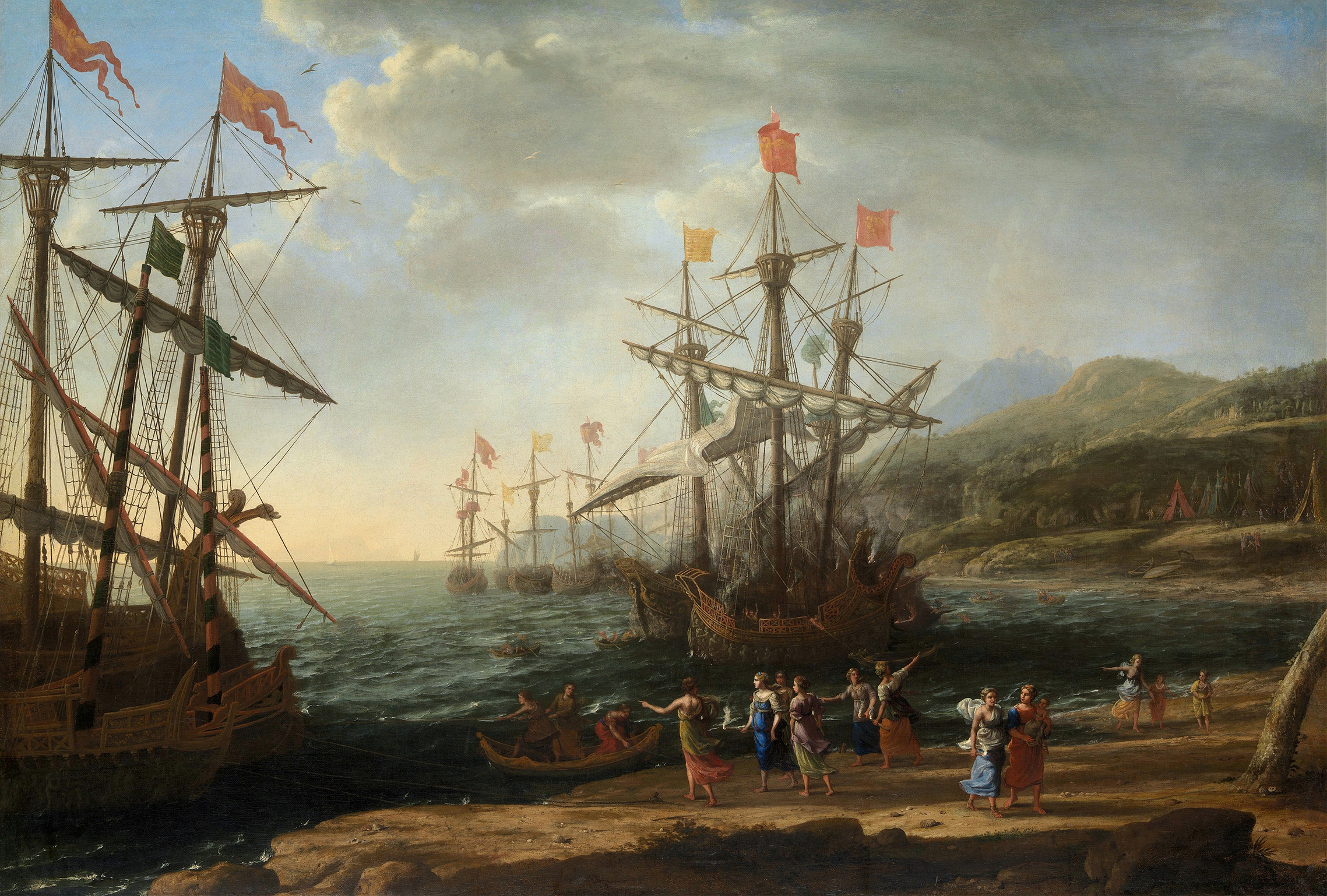
The Trojan Women Setting Fire to Their Fleet
Claude Lorrain
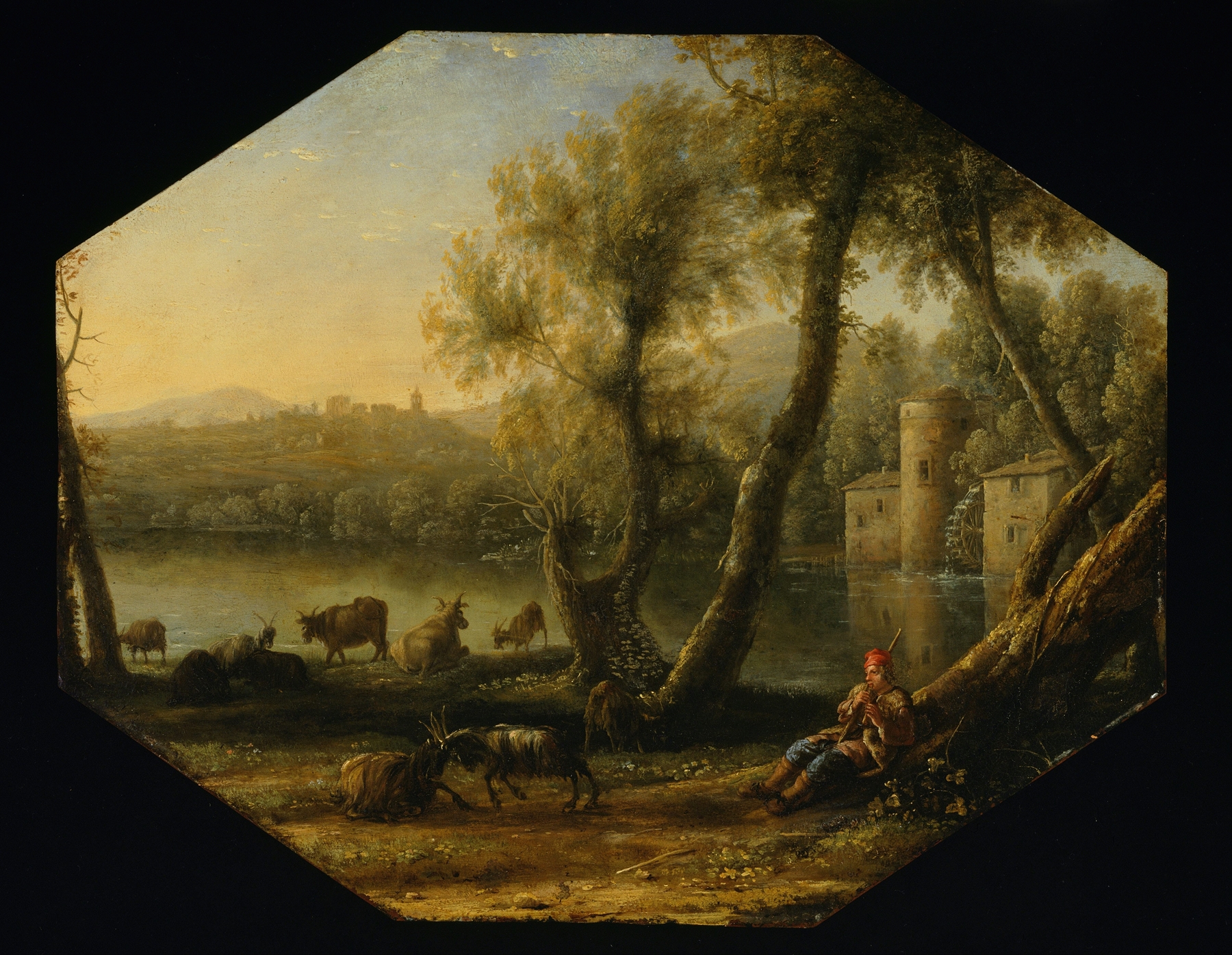
Pastoral landscape
Claude Lorrain
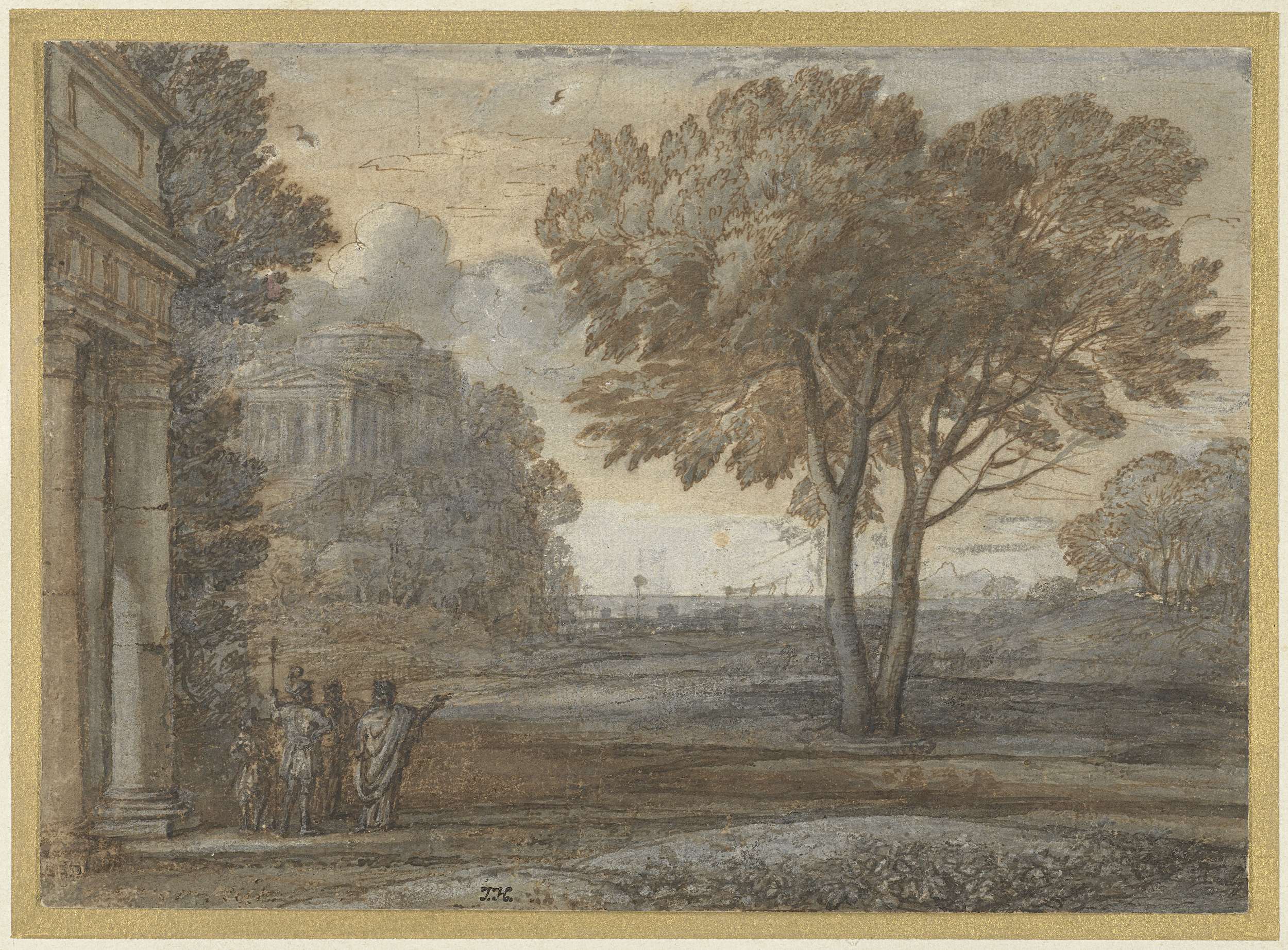
Aeneas op Delos
Claude Lorrain