
The Cracow Gate — History & Facts
In a time where decay whispers the narratives of forgotten places, the layers of history become a canvas for reflection and renewal. Start by observing the central archway, its solemn form beckoning you deeper into the heart of the painting. Look to the left at the intricate details of weathered bricks; each crack and crevice tells a story of resilience against the passage of time. The muted earth tones dominate the palette, casting a melancholic yet beautiful aura, while subtle highlights catch the edges, revealing the textures of both stone and shadow. Beneath the surface, the crumbling structure symbolizes not only the physical deterioration of the gate but also the fragility of memory and heritage.
The juxtaposition of light and shadow embodies the tension between hope and despair, evoking a sense of nostalgia for what once was. As you gaze closer, notice the delicate vines creeping through the stones. They represent nature's quiet reclamation, suggesting that even in decay, there is life and the possibility of rebirth. Feliks Jabłczyński created this work in 1916, a time marked by turmoil and transformation in Europe.
Living in Poland amid the unfolding chaos of World War I, the artist sought to capture the essence of a crumbling heritage, a reflection of both his personal struggles and the cultural disarray around him. In this moment, he masterfully painted not just a gate, but a poignant reminder of the impermanence of human endeavor.
More Artworks by Feliks Jabłczyński
Browse all →
Villa Borgia in Rome
Feliks Jabłczyński

Mariensztat Street in Warsaw
Feliks Jabłczyński
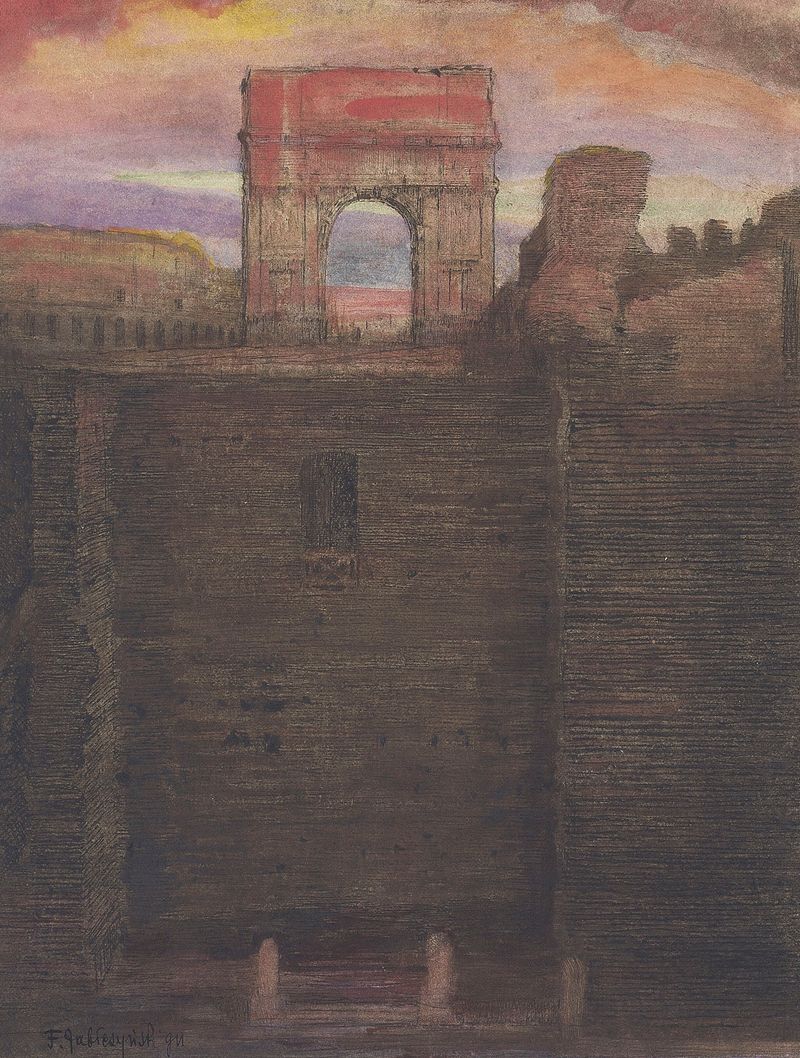
The House of Vestals and the Arch of Titus in the background
Feliks Jabłczyński
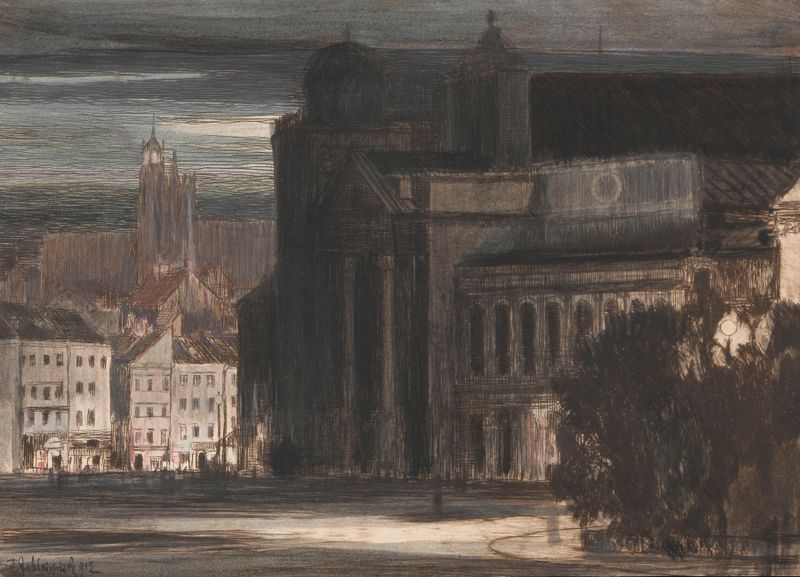
View of the Church of St. Anna and the Castle Square in Warsaw
Feliks Jabłczyński

Kaplica Boimów we Lwowie
Feliks Jabłczyński
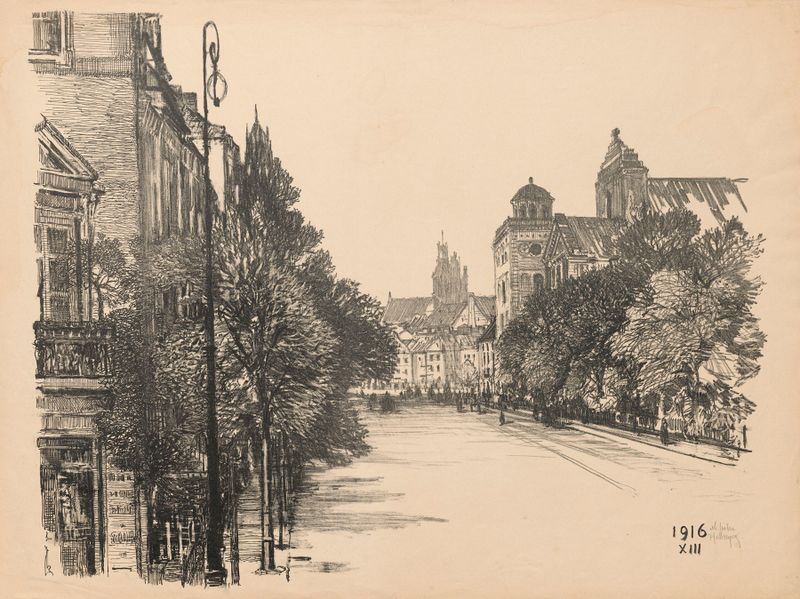
Krakowskie Przedmieście Street
Feliks Jabłczyński
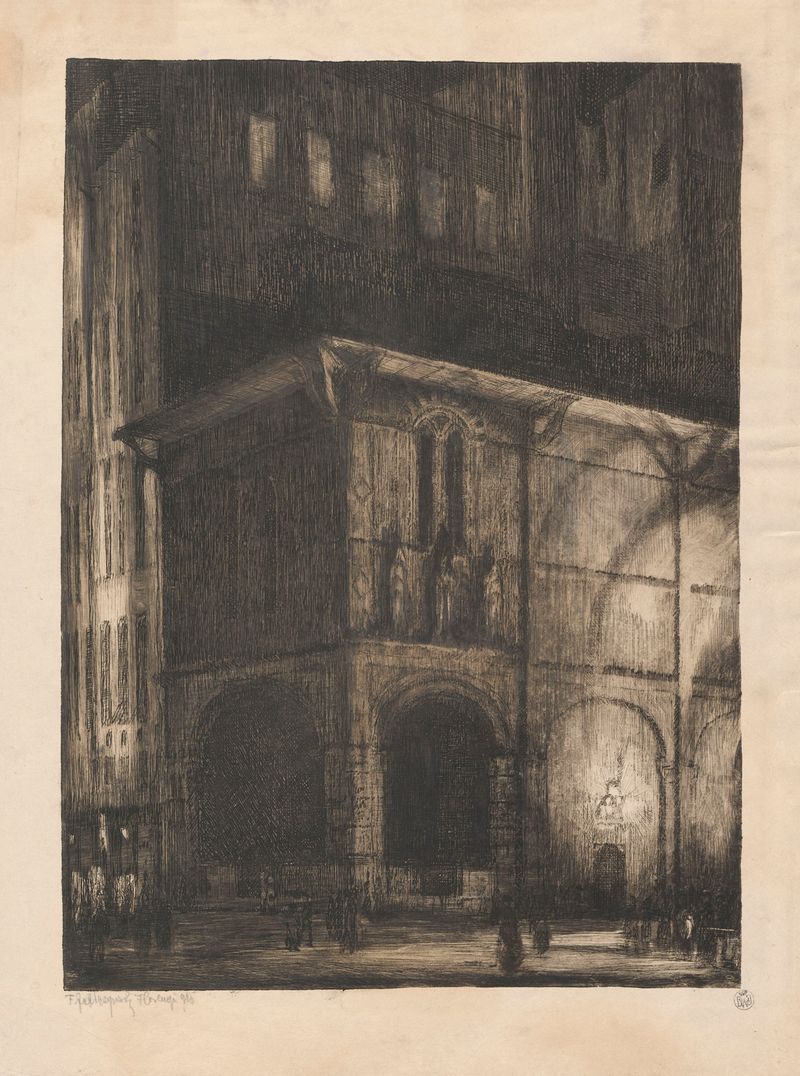
Florence
Feliks Jabłczyński
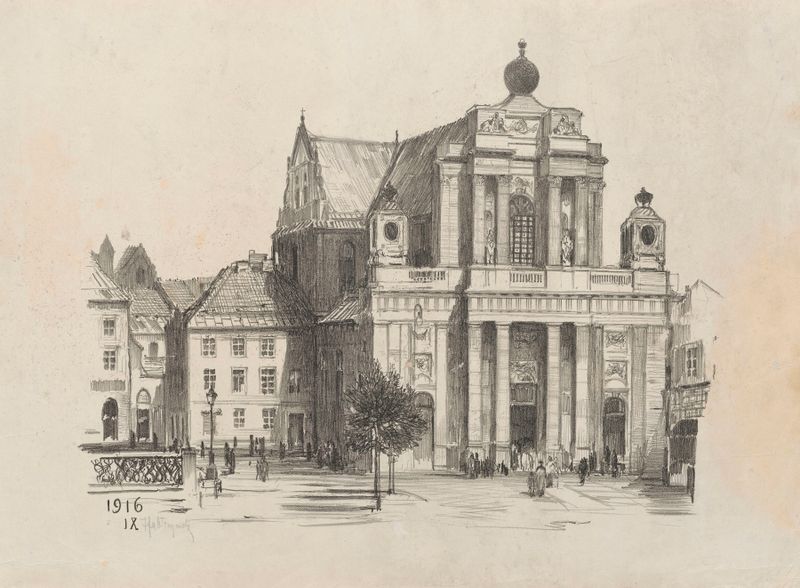
Carmelite Church.
Feliks Jabłczyński

The Visitation Sisters Church
Feliks Jabłczyński
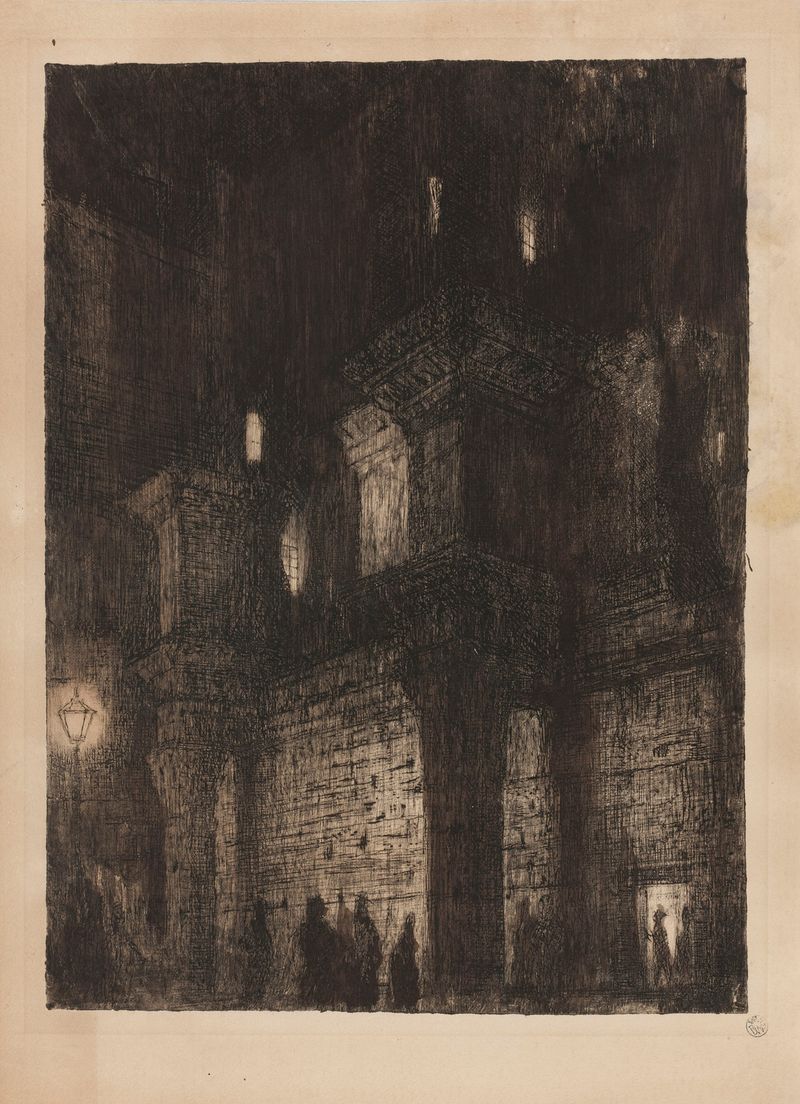
Forum Nervae
Feliks Jabłczyński
More Architecture Art
Browse all →
The statue of Liberty
Frédéric Auguste Bartholdi

View of Houses in Delft, Known as ‘The Little Street’
Johannes Vermeer

View of Houses in Delft, Known as ‘The Little Street’
Johannes Vermeer

The Cathedral in Rouen. The portal, Grey Weather
Claude Monet

The yellow house
Vincent van Gogh

The Church in Auvers-sur-Oise, View from the Chevet
Vincent van Gogh