Discover insights about this artwork
The Crucifixion of Peter the Apostle — History & Facts
In The Crucifixion of Peter the Apostle, Peter Paul Rubens presents a powerful scene filled with rich colors and dramatic contrasts. The figures are depicted with intense expressions, conveying the gravity of the moment. Peter, bound and crucified upside down, is surrounded by a crowd of onlookers, some in anguish and others in reverence.
The background features a tumultuous sky, enhancing the emotional weight of the scene. The painting showcases Rubens' characteristic use of dynamic composition and vivid color. The figures are rendered with a strong sense of movement, typical of the Baroque style. Rubens employs chiaroscuro to create depth, emphasizing the emotional intensity of the moment.
The oil on canvas technique allows for rich textures and vibrant hues, making the scene come alive. Peter Paul Rubens was a leading figure of the Baroque movement, known for his energetic compositions and emotional depth. This work, believed to be created in the early 1610s, reflects his interest in the themes of martyrdom and sacrifice. An interesting fact about this painting is that it was commissioned for a church, highlighting the importance of religious themes in Rubens' oeuvre.
The dramatic portrayal of Peter's crucifixion resonates with the viewer, inviting contemplation on faith and sacrifice.
More Artworks by Peter Paul Rubens
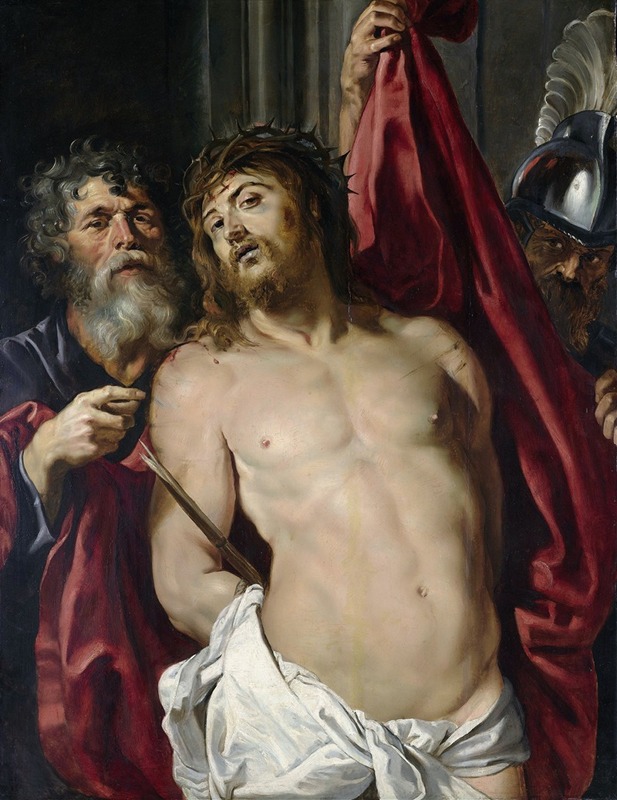
Ecce homo
Peter Paul Rubens
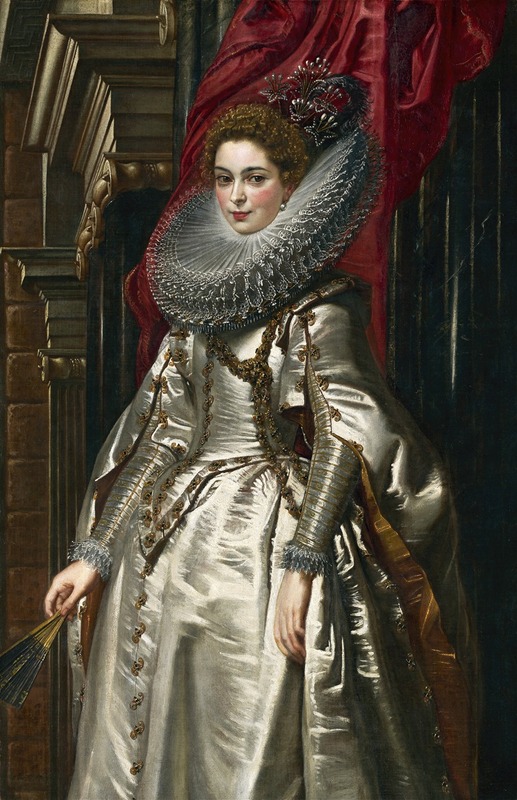
Marchesa Brigida Spinola Doria
Peter Paul Rubens
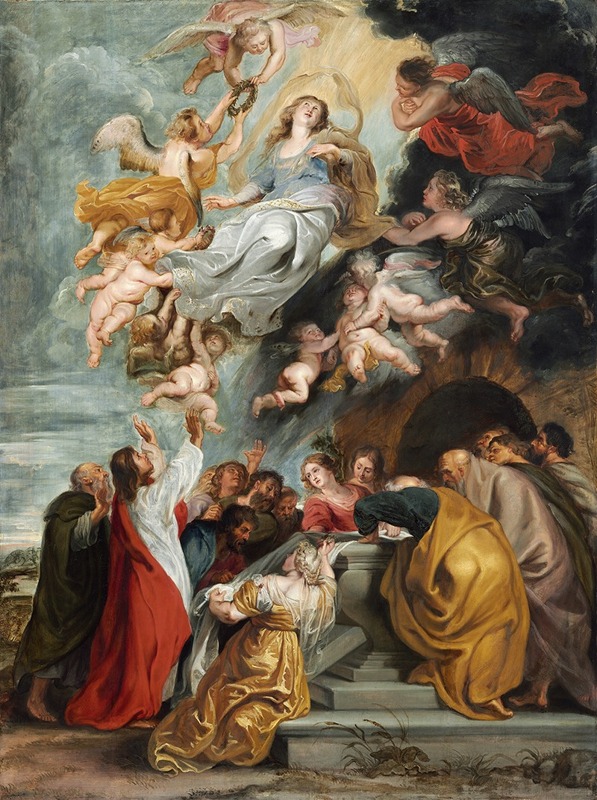
The Assumption of the Virgin
Peter Paul Rubens

Saint Teresa of Ávila Interceding for Souls in Purgatory
Peter Paul Rubens
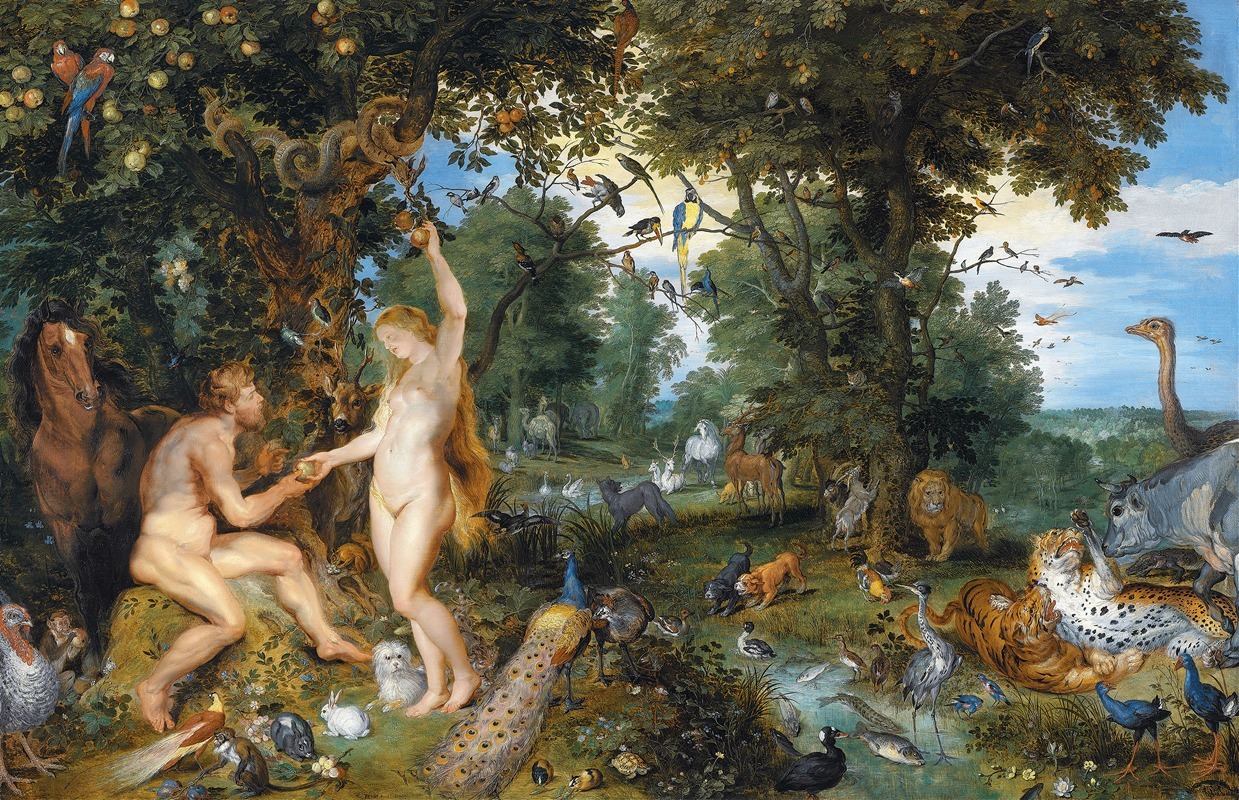
The Garden of Eden with the Fall of Man
Peter Paul Rubens
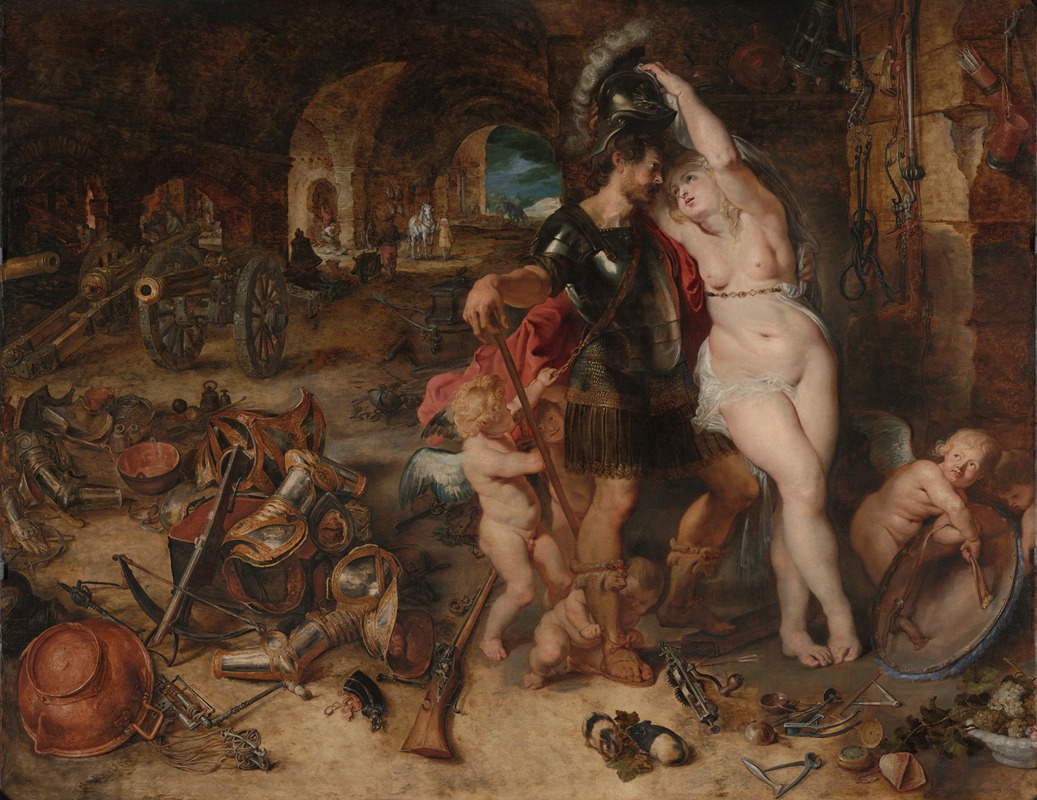
The Return From War,Mars Disarmed By Venus
Peter Paul Rubens
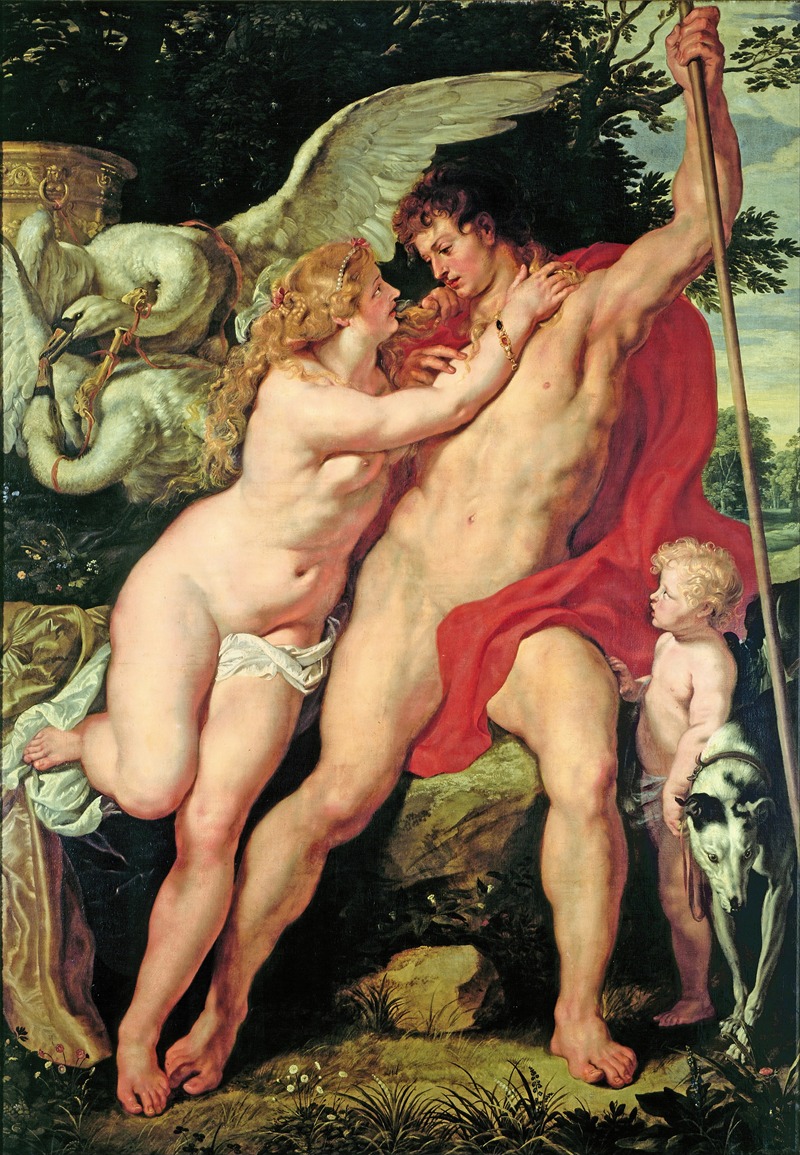
Venus and Adonis
Peter Paul Rubens
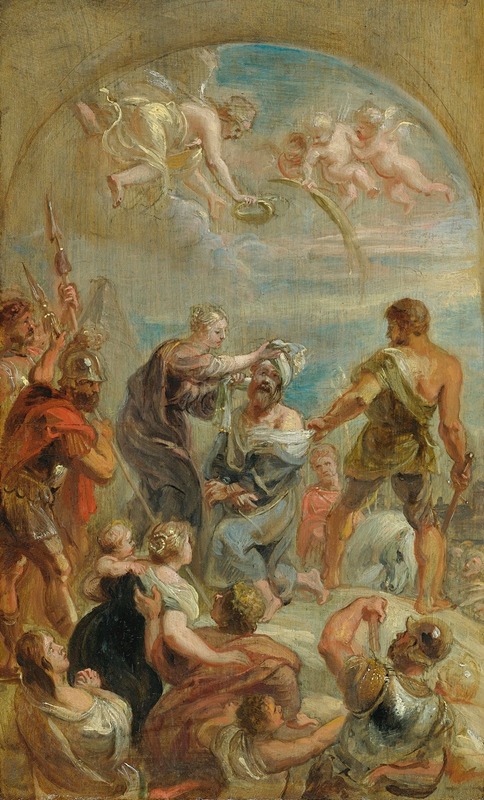
The Martyrdom Of Saint Paul
Peter Paul Rubens
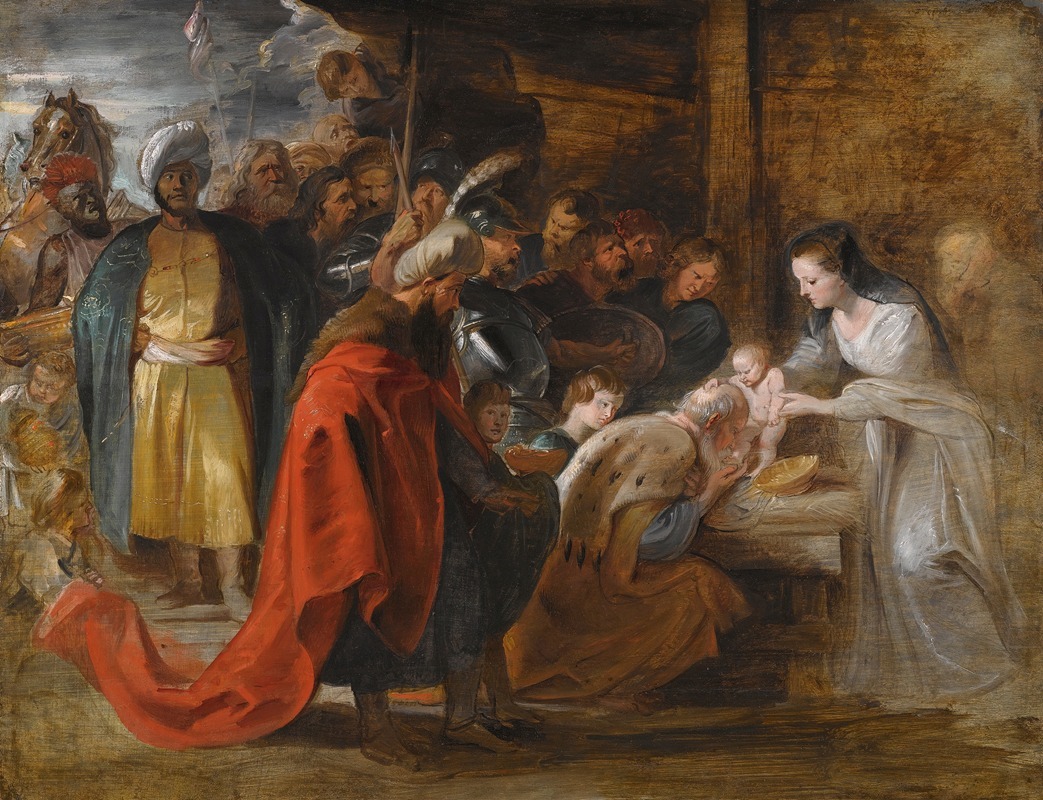
The Adoration Of The Magi
Peter Paul Rubens
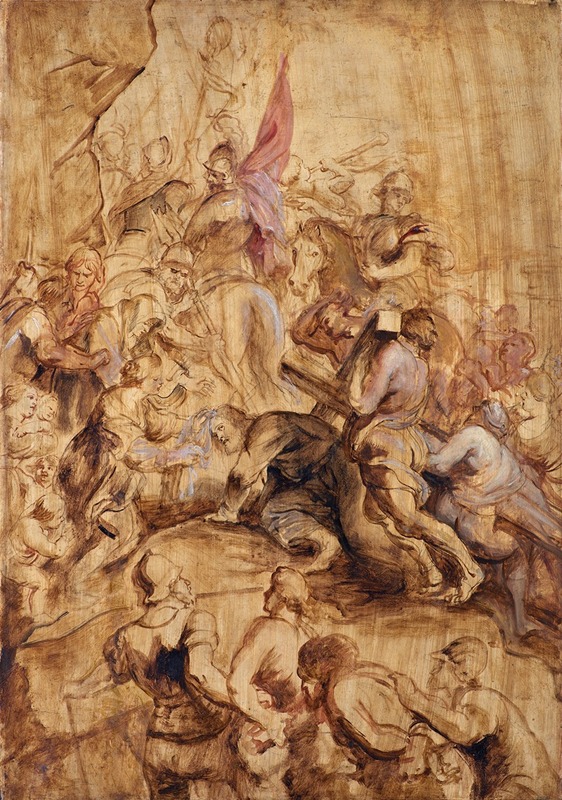
The Ascent to Calvary. The Bearing of the Cross
Peter Paul Rubens