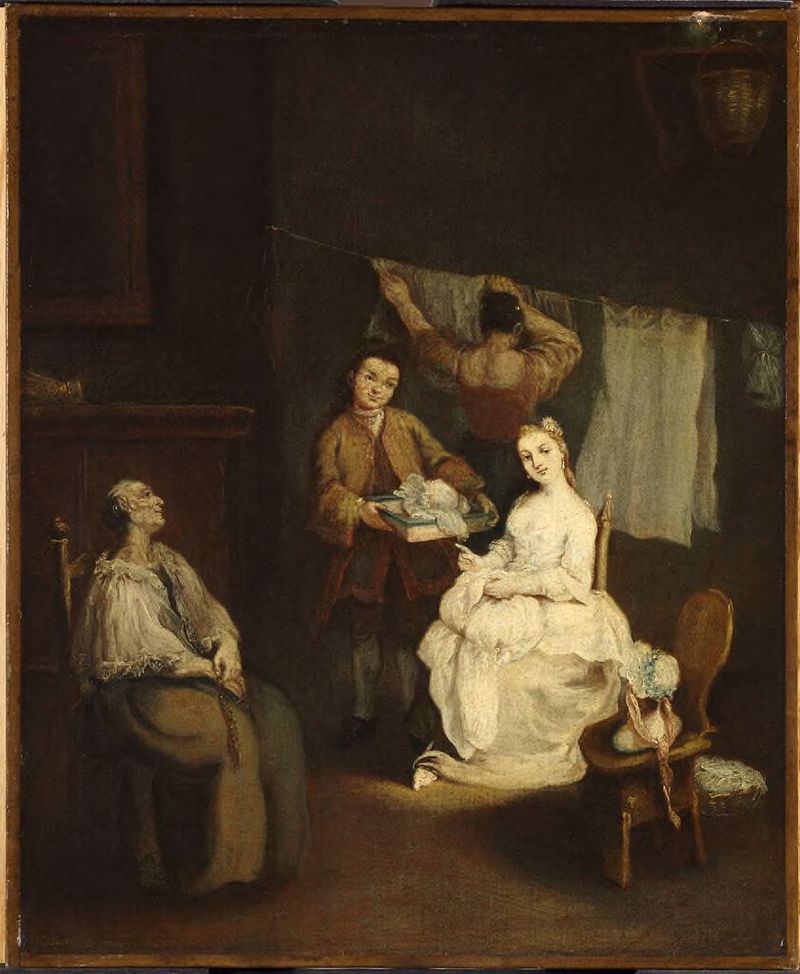
The Dance — History & Facts
Within its delicate strokes lies a world caught in a moment of fragility, inviting us to peer into the dance of life and the subtleties of existence. Focus on the figures at the center, where the dancers twirl with an elegant grace. The soft pastel hues blend seamlessly, creating an ethereal atmosphere, while the intricate details of their costumes adorn the canvas like whispers of fashion from a bygone era. Notice how the light caresses their forms, illuminating the tension between joy and restraint that defines their movements and shadows. As you observe, the subtle interplay of space and posture unveils deeper meanings.
The distance between the dancers suggests an unspoken barrier, a longing that transcends their cheerful appearance. Each gesture, though fluid, carries a weight of anticipation, hinting at the fragility of human connection. The surroundings, filled with elegantly dressed guests, illustrate the societal expectations that both uplift and constrain, revealing the precarious balance between personal desire and public persona. Pietro Longhi painted this work around 1750 in Venice, a city thriving with cultural exchange and artistic exploration.
Amid a backdrop of Rococo brilliance, Longhi captured scenes that reflected the leisure and charm of Venetian life, while simultaneously addressing the nuances of intimacy and public performance. At this juncture, he was establishing himself as a keen observer of social dynamics, deftly incorporating both humor and poignancy into his depictions of contemporary life.