
The Death of Alcestis — History & Facts
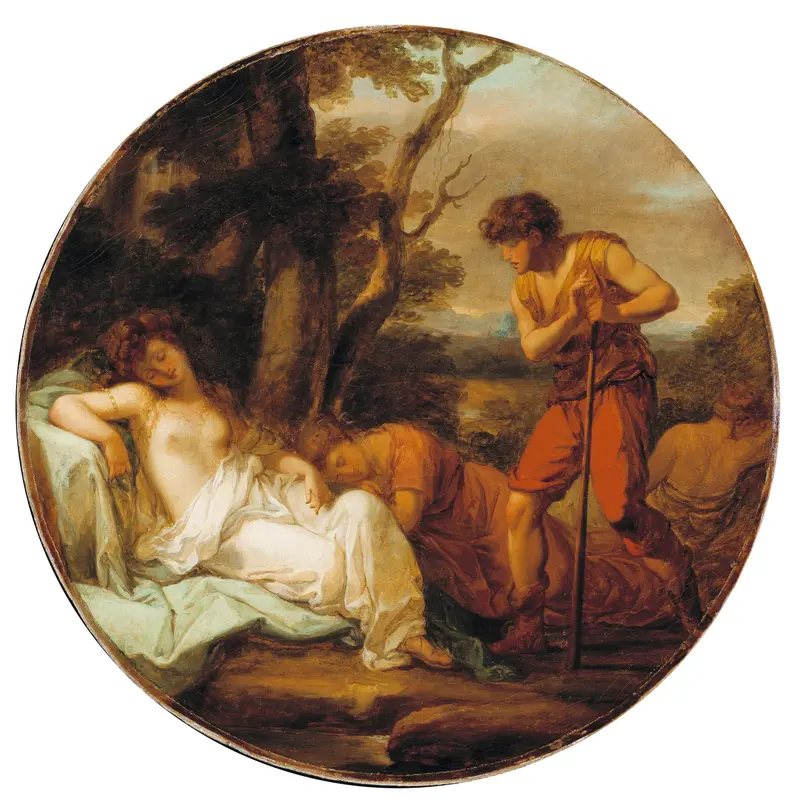
In The Death of Alcestis, Angelica Kauffmann presents a dramatic scene filled with emotion. The painting features Alcestis, who lies lifeless, surrounded by grieving figures. The colors are rich, with deep reds and soft whites that highlight the sorrow of the moment.
The setting is classical, reflecting the themes of ancient mythology. The painting is executed in oil on canvas, a medium that allows for vibrant color and detail. Kauffmann's technique showcases her skill in rendering human emotions and expressions. The composition is balanced, with figures arranged to guide the viewer's eye towards Alcestis.
The use of light and shadow adds depth to the scene. Angelica Kauffmann was a prominent figure in the Neoclassical movement and one of the few female artists of her time to gain recognition. This work reflects her interest in classical themes and her ability to convey emotion through art. An interesting fact about this painting is that it was inspired by the myth of Alcestis, who sacrificed herself for her husband, showcasing themes of love and sacrifice.
More Artworks by Angelica Kauffmann
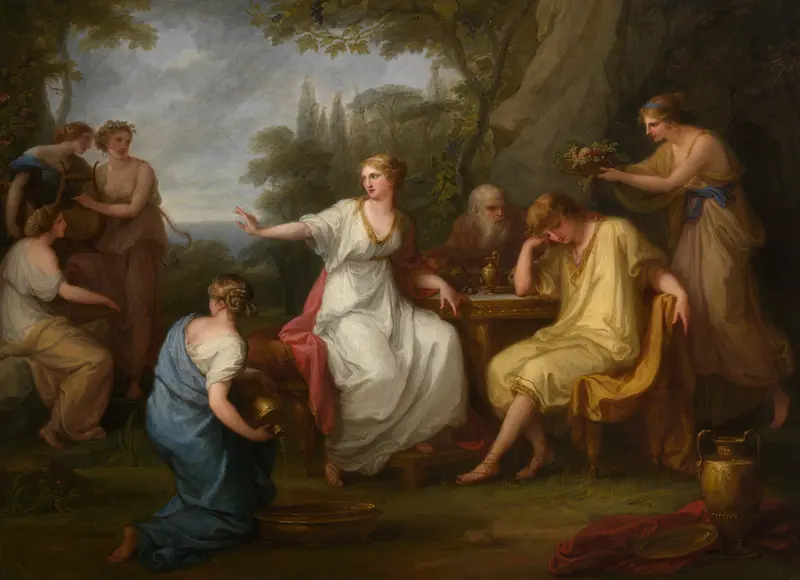
The Sorrow of Telemachus
Angelica Kauffmann

Portrait Of A Lady As A Vestal Virgin
Angelica Kauffmann
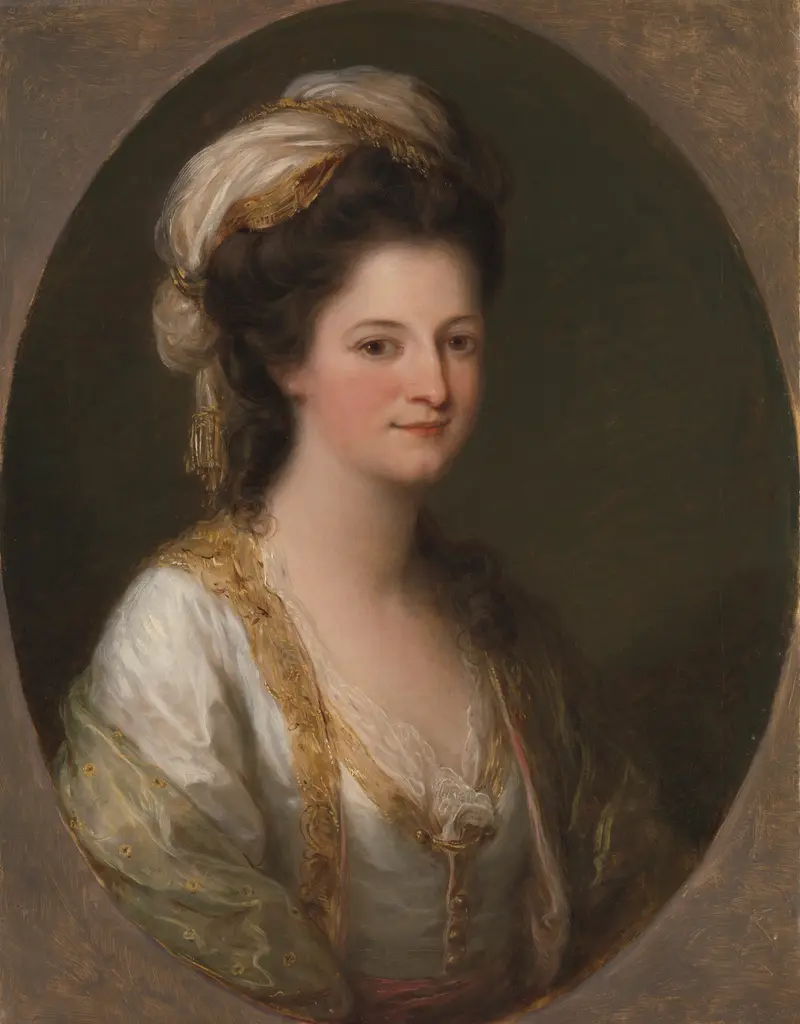
Portrait of a woman, traditionally identified as Lady Hervey
Angelica Kauffmann
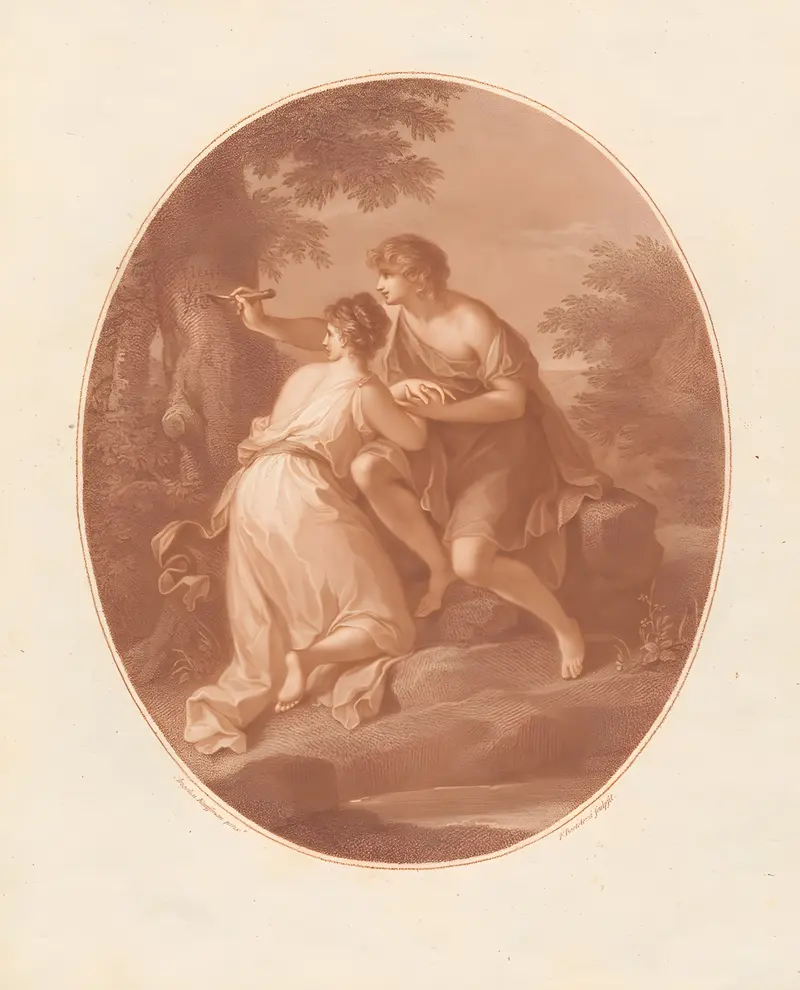
Paris and Oenone
Angelica Kauffmann
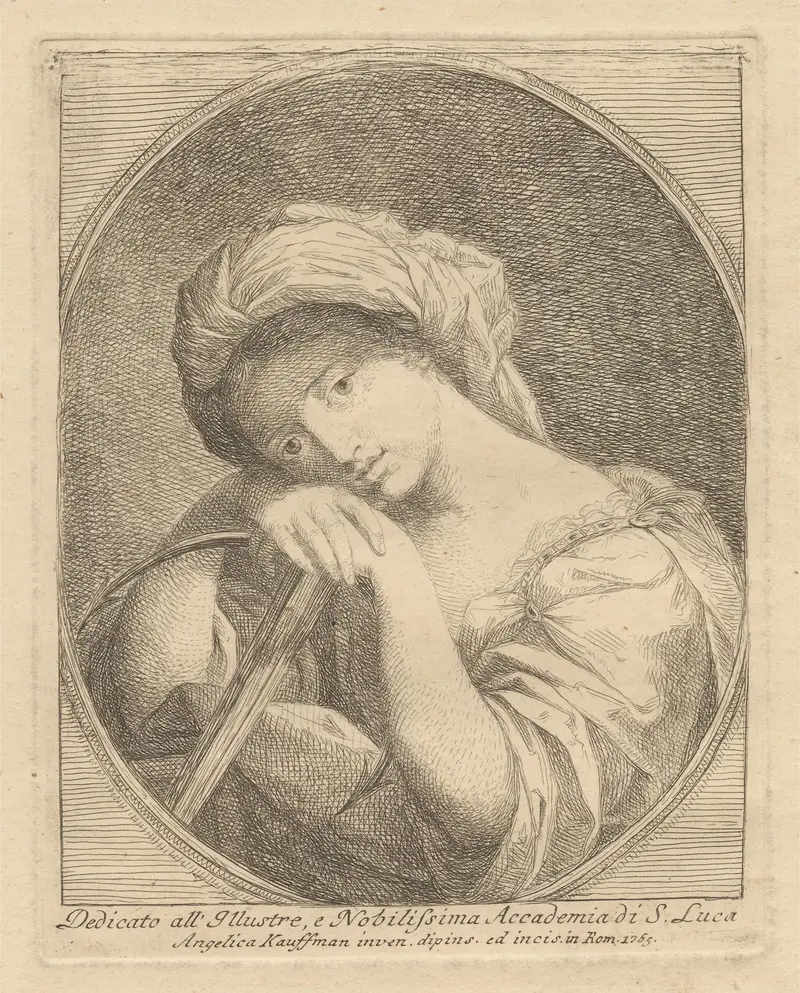
Bust of a Young Woman with Flowers in Her Hair
Angelica Kauffmann
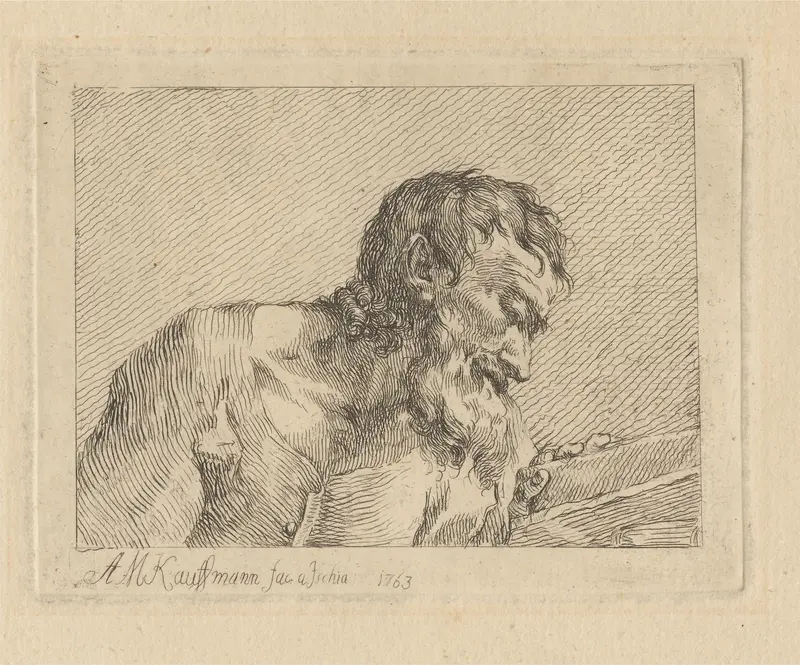
Bust of an Old Man.
Angelica Kauffmann
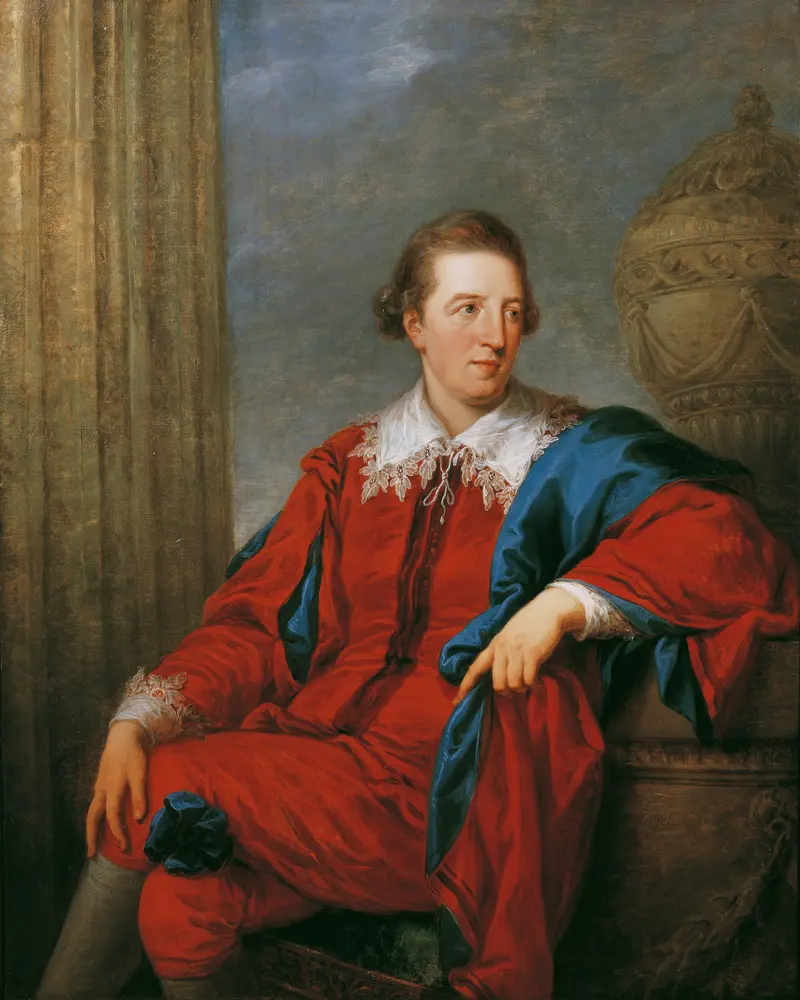
John Simpson, der Vater von Maria Susanna Lady Ravensworth
Angelica Kauffmann
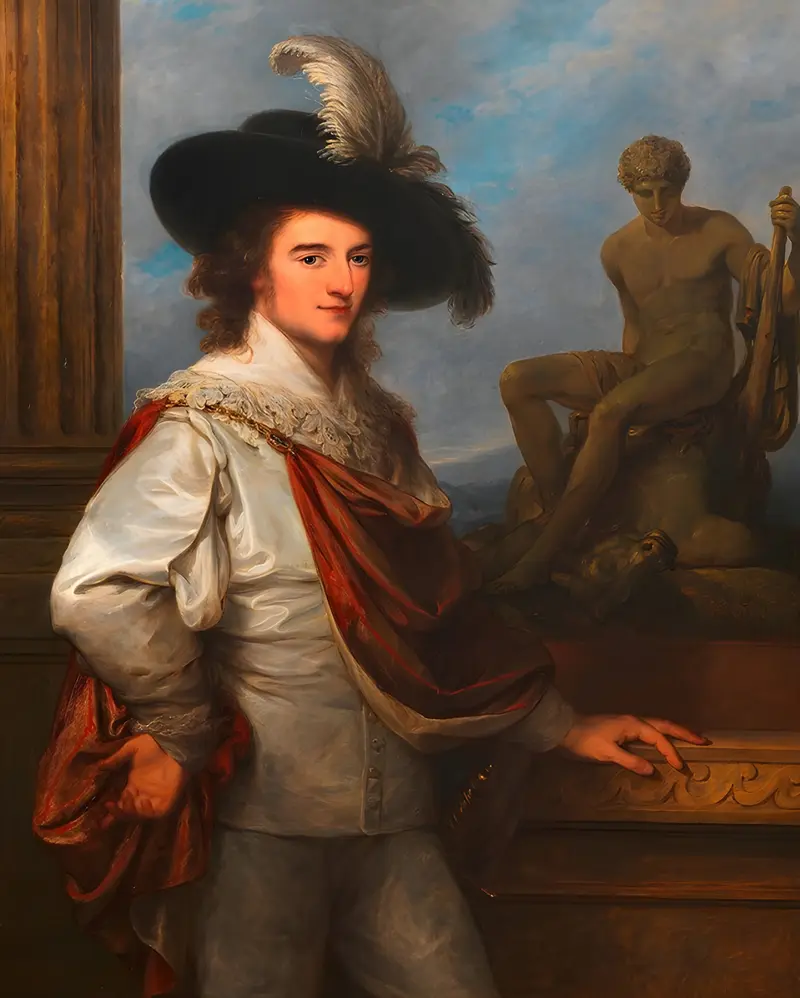
Josef Johann Graf Fries
Angelica Kauffmann
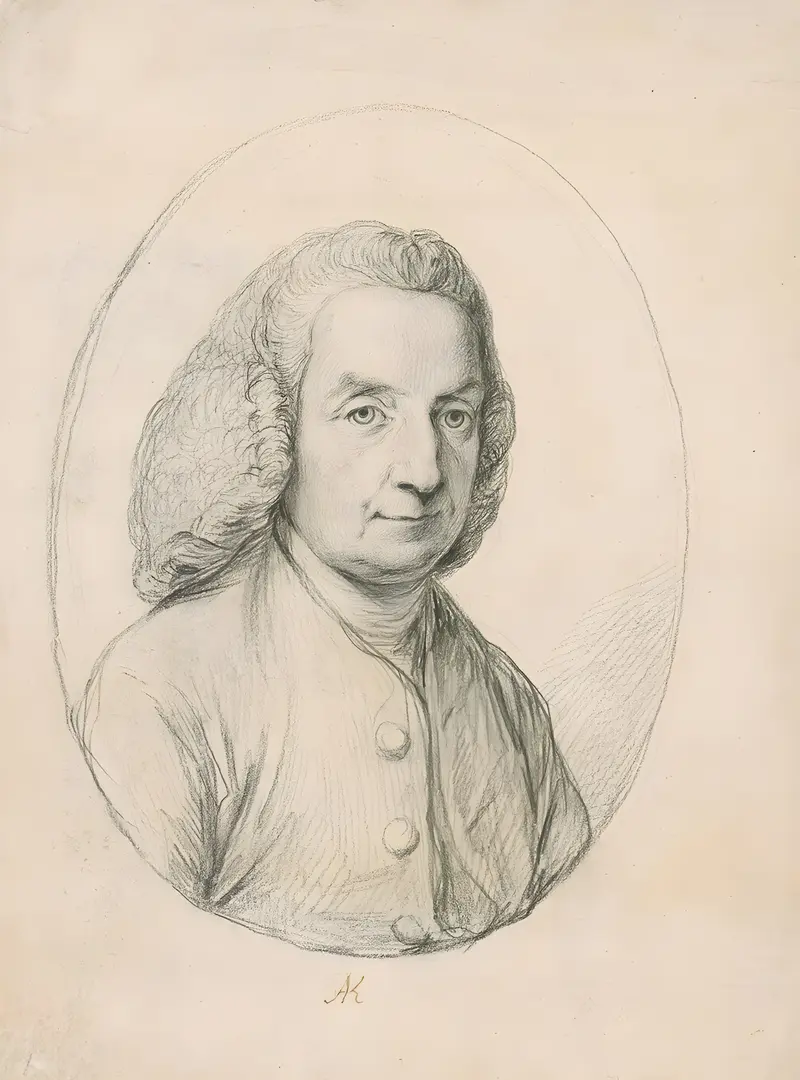
Judge George Robert Hellen (1725-1793)
Angelica Kauffmann
Cymon and Iphigenia
Angelica Kauffmann





