Discover insights about this artwork
The Death of the Virgin — History & Facts
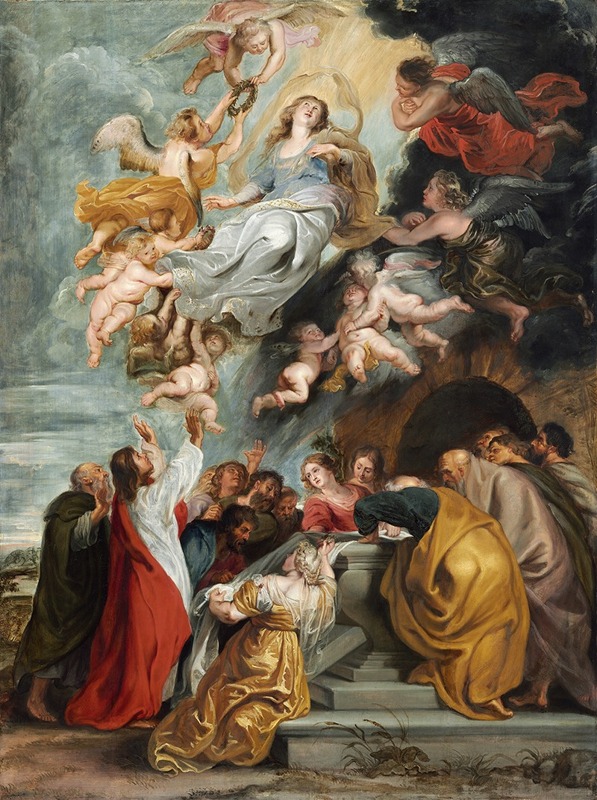
In The Death of the Virgin, Albrecht Dürer presents a somber scene filled with muted colors. The figures are gathered around the lifeless body of the Virgin Mary, their expressions reflecting deep sorrow. The setting is intimate, likely within a room, emphasizing the personal nature of the moment.
The use of light and shadow adds to the emotional weight of the scene. Dürer employs oil on panel for this work, which allows for rich detail and texture. The composition is carefully arranged, with Mary at the center, surrounded by mourners. The artist's attention to anatomical accuracy and drapery showcases his skill in rendering human figures.
The painting is characterized by its Northern Renaissance style, evident in the intricate details and emotional expression. Albrecht Dürer was a pivotal figure in the Northern Renaissance, known for his innovative techniques and detailed works. The Death of the Virgin is significant as it reflects the artist's exploration of human emotion and spirituality. Interestingly, this work was created during a time when Dürer was influenced by both Italian Renaissance art and the traditions of Northern Europe.
It remains a testament to his ability to blend these influences into a cohesive narrative.
More Artworks by Albrecht Dürer
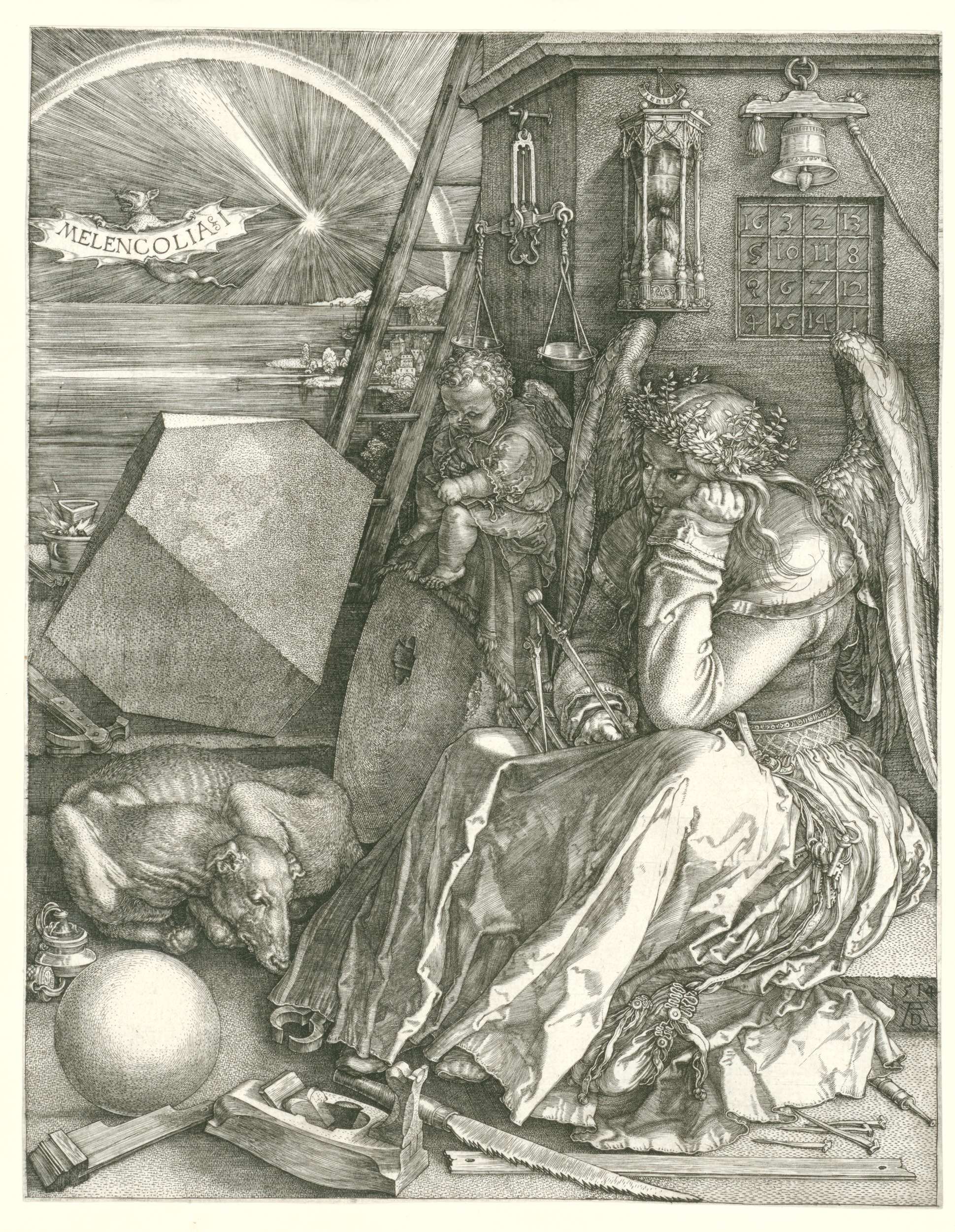
Melancholia
Albrecht Dürer

St. George and the dragon.
Albrecht Dürer

Adam and Eve (The Fall of Man)
Albrecht Dürer
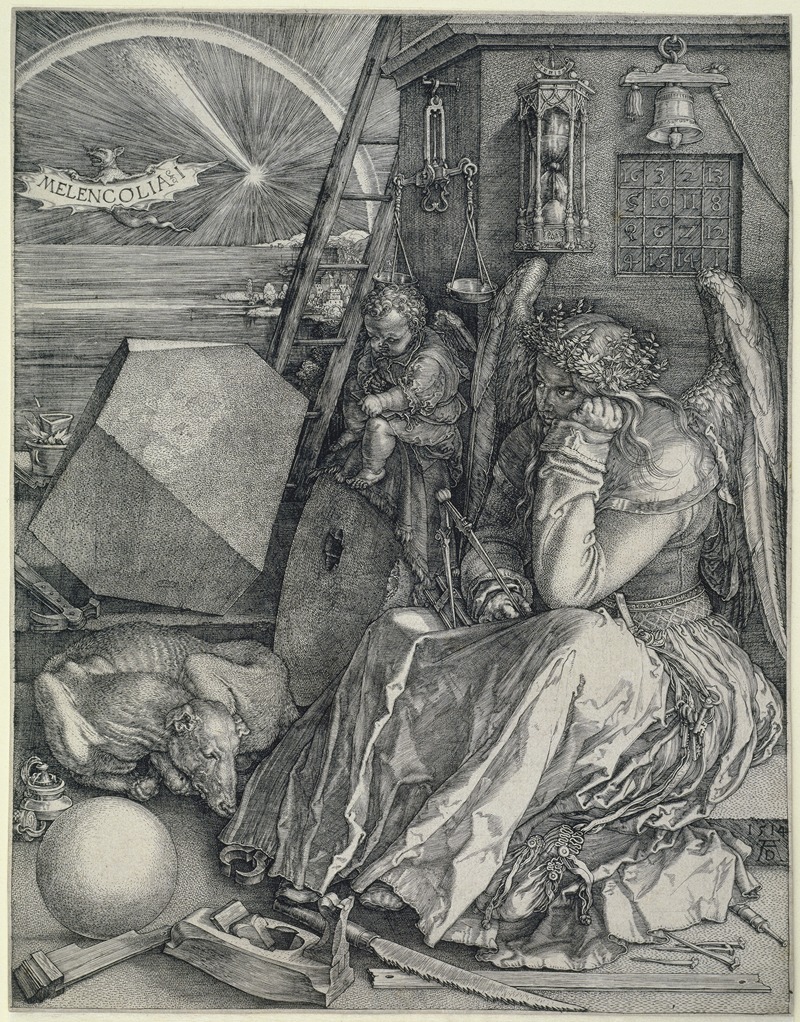
Melencolia I (The Melancholy)
Albrecht Dürer
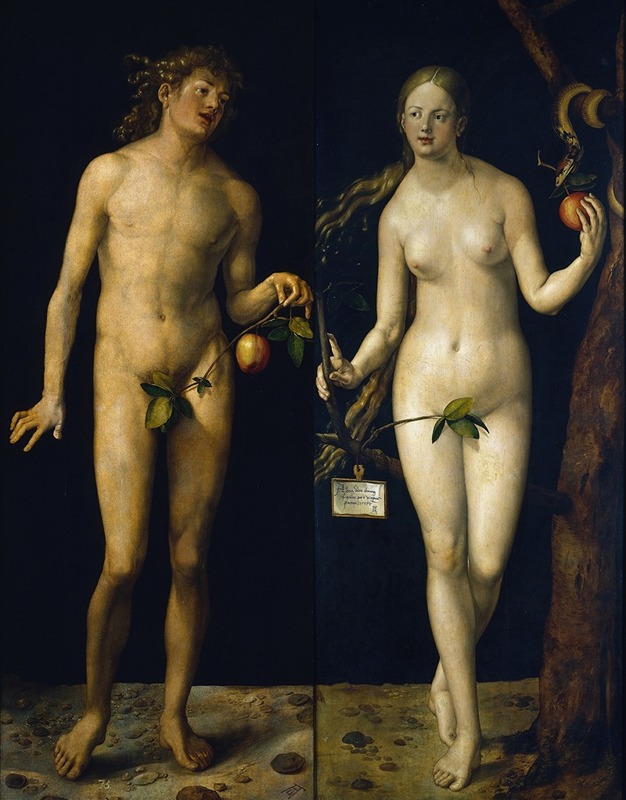
Adam And Eve
Albrecht Dürer
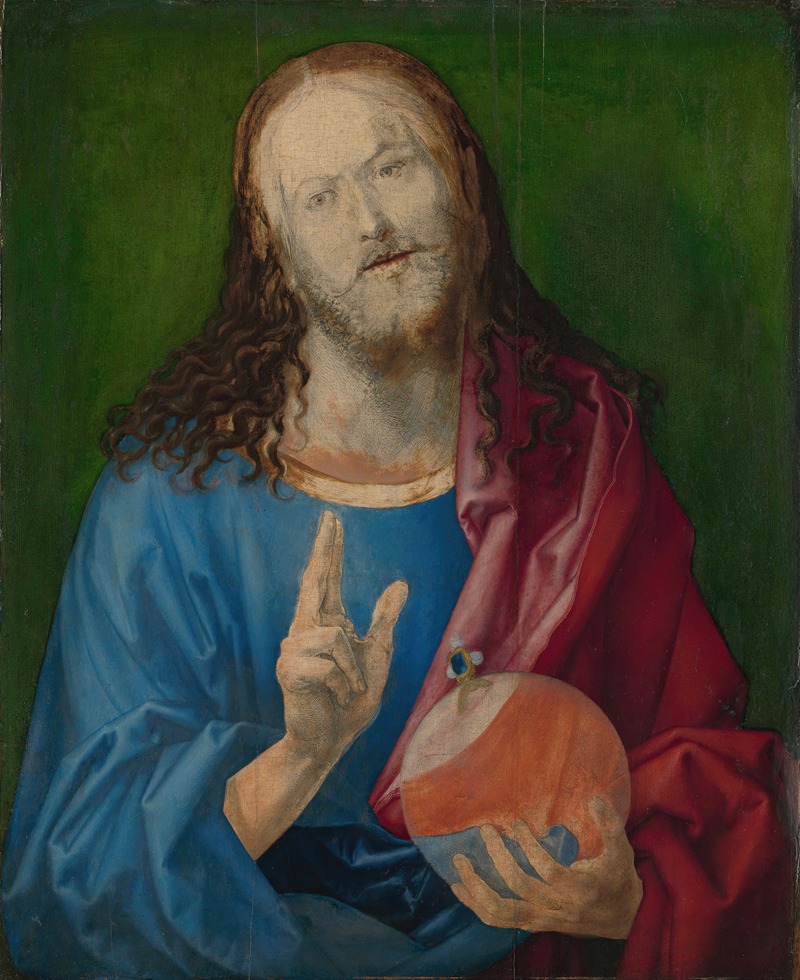
Salvator Mundi
Albrecht Dürer
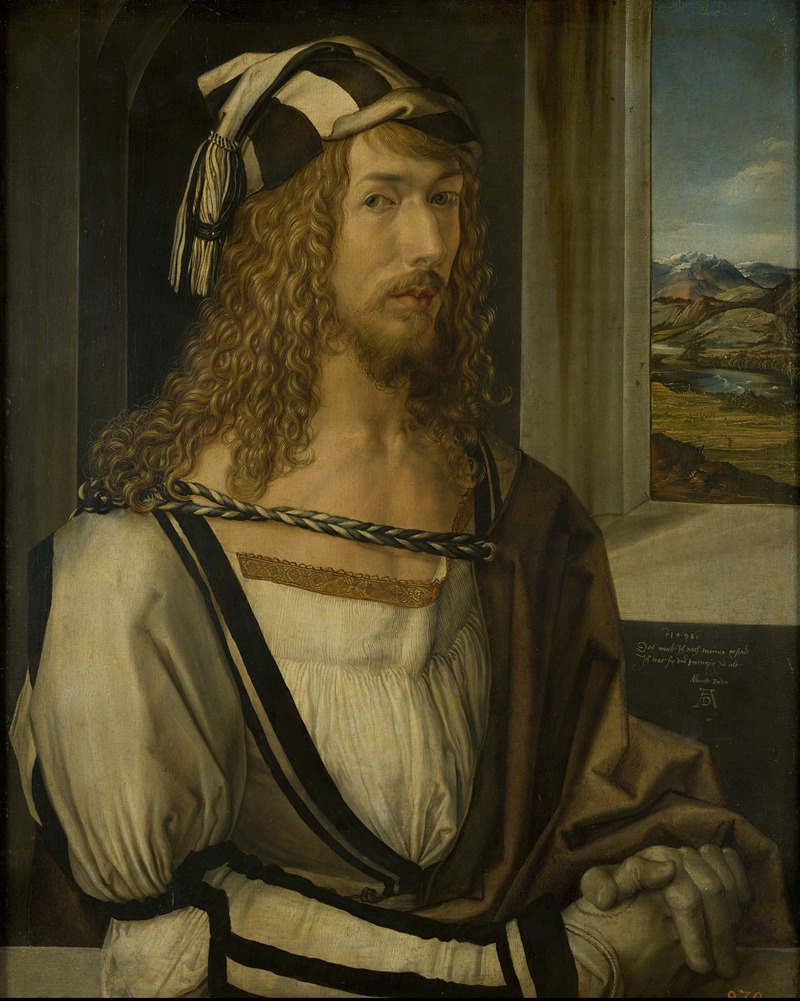
Self-portrait
Albrecht Dürer
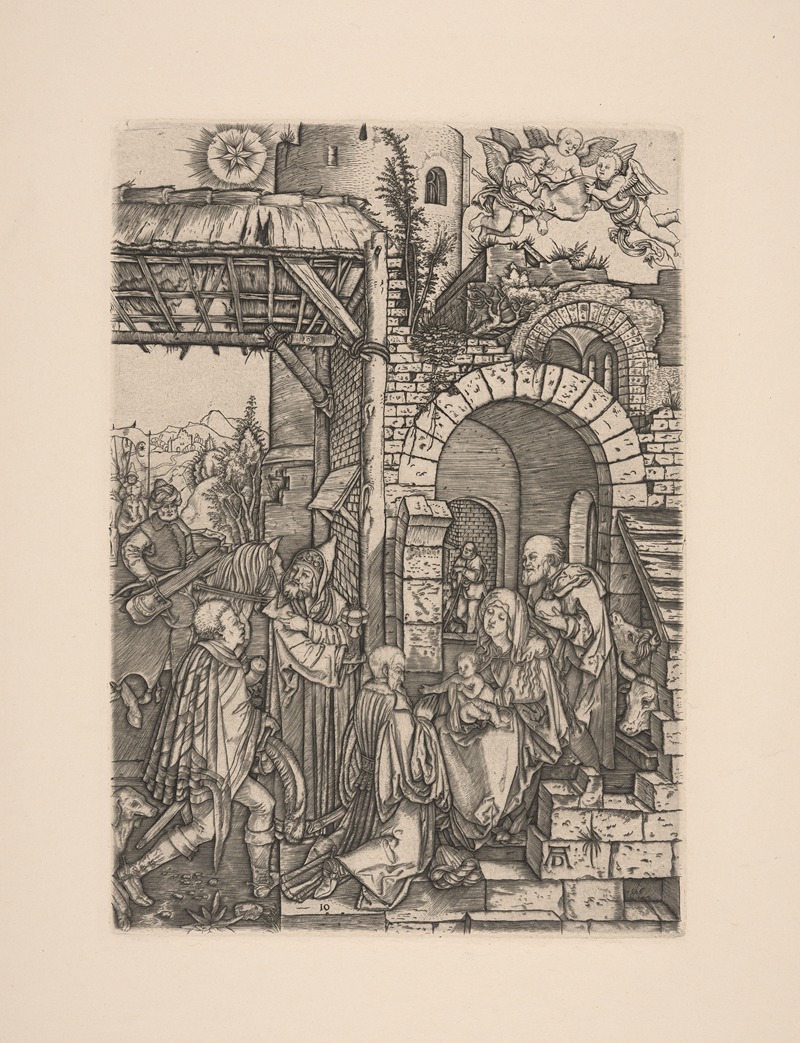
The Adoration of the Magi
Albrecht Dürer
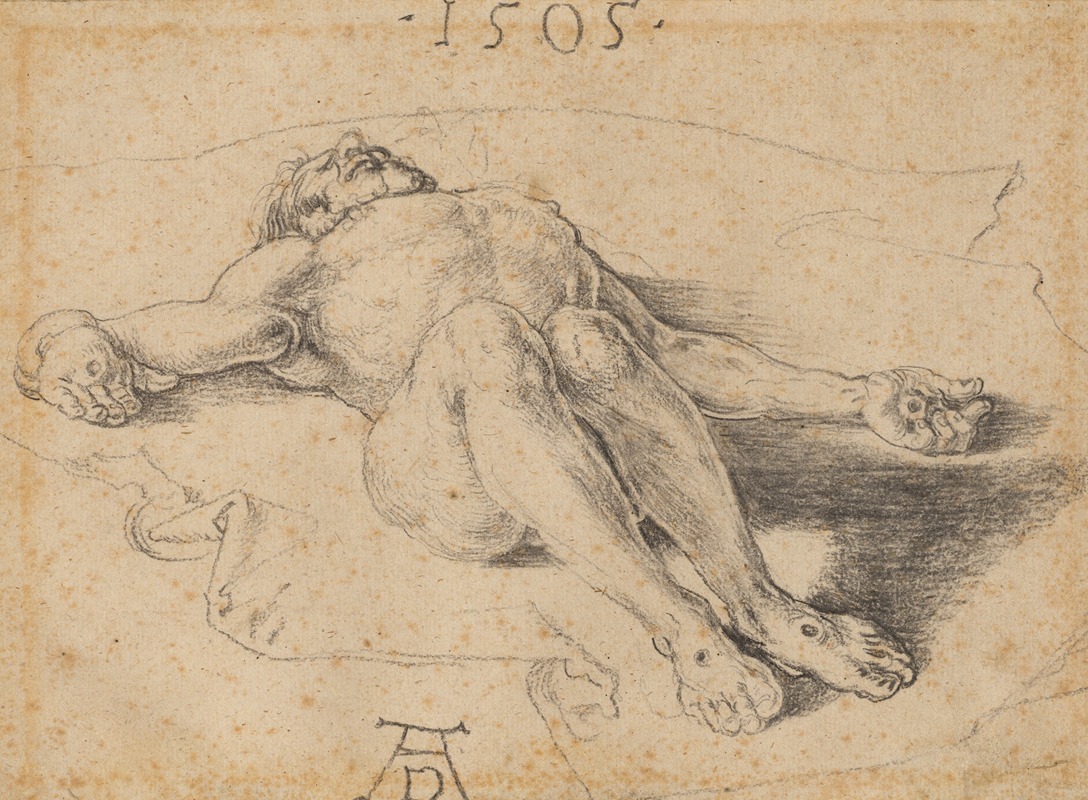
The Dead Christ
Albrecht Dürer
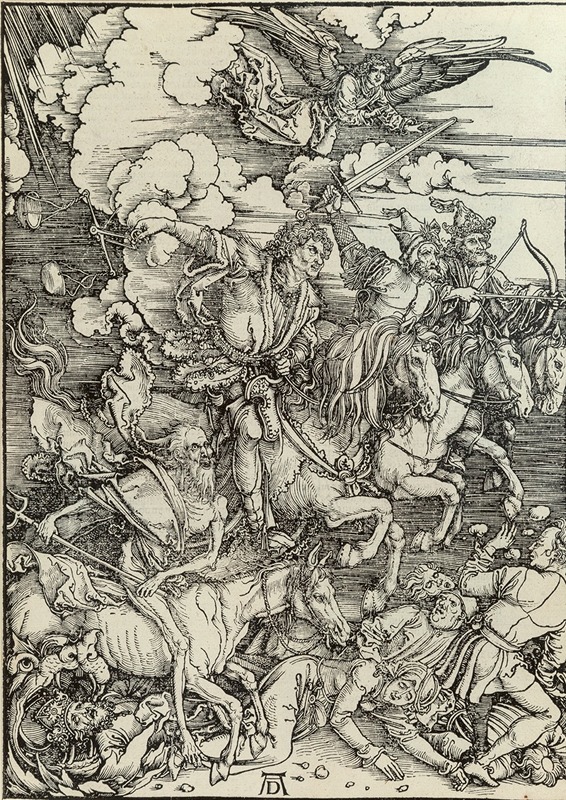
The Four Horsemen of the Apocalypse, from The Apocalypse
Albrecht Dürer