
The Dell — History & Facts
In the still embrace of nature, transformation awaits those willing to look deeper. Focus first on the vibrant greens that blanket the rolling hills; they cradle the delicate interplay of light and shadow. The contrasting hues breathe life into the composition, leading your gaze toward the serene valley below. Notice how the paler strokes of blue and lavender in the sky quietly suggest an unfolding moment—perhaps dawn or dusk—infusing the scene with a sense of anticipation and change.
The careful brushwork and textured layers evoke a tangible connection to the landscape, drawing the viewer into an intimate engagement with nature. This painting reveals more than just a picturesque vista. Observe how the interplay between the lush vegetation and the stark cliffs represents the duality of growth and decay. The path that meanders through the dell symbolizes the journey of transformation, inviting contemplation on the cycles of life.
Subtle details, such as the gentle bend of a tree or the fading light, suggest a deeper narrative: the continuous evolution of the natural world and humanity's place within it. In 1878, the artist painted this serene landscape during a time when the American art scene was shifting towards a greater appreciation of nature’s beauty, influenced by the Hudson River School. Moran's fascination with the West was flourishing, as he sought to capture the American wilderness, echoing the broader discourse on nature's sublime power in the age of industrialization. This work reflects not only his artistic evolution but also a societal moment teetering between the natural and the man-made.
More Artworks by Thomas Moran
Browse all →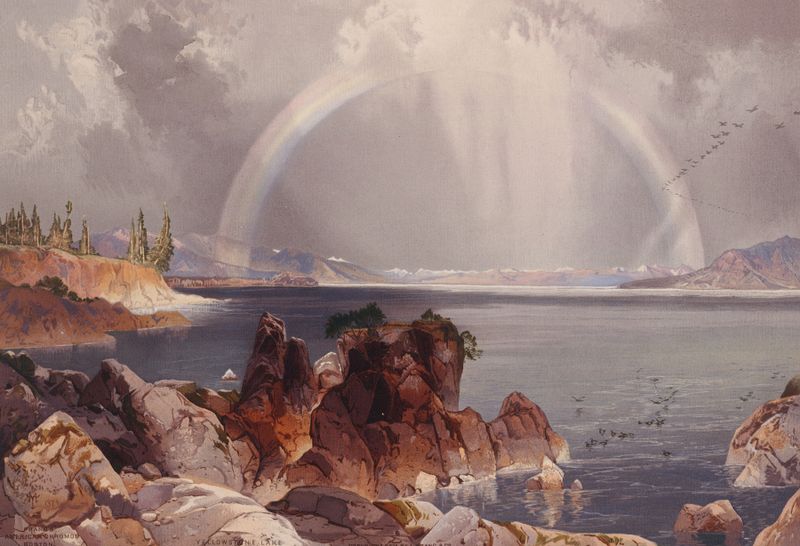
Yellowstone Lake
Thomas Moran

Grand Canyon of the Colorado River
Thomas Moran

Grand Canyon, Colorado River
Thomas Moran

The Towers of Tower Falls, Yellowstone
Thomas Moran
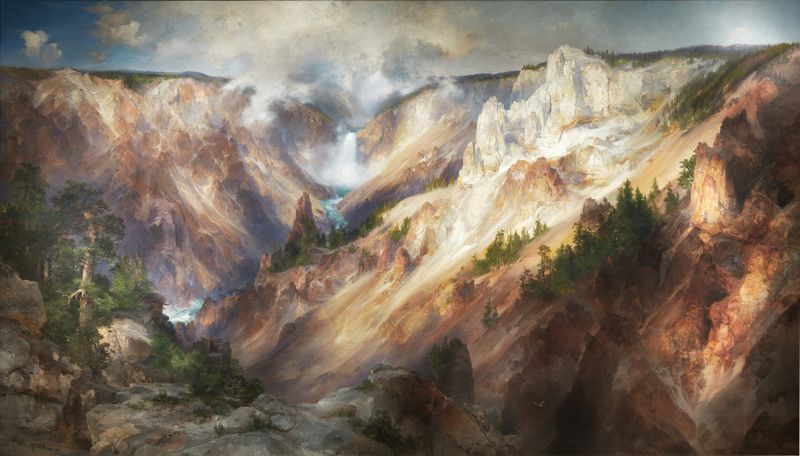
The Grand Canyon Of The Yellowstone
Thomas Moran

Mountain of the Holy Cross
Thomas Moran

Cliffs Of The Upper Colorado River, Wyoming Territory
Thomas Moran
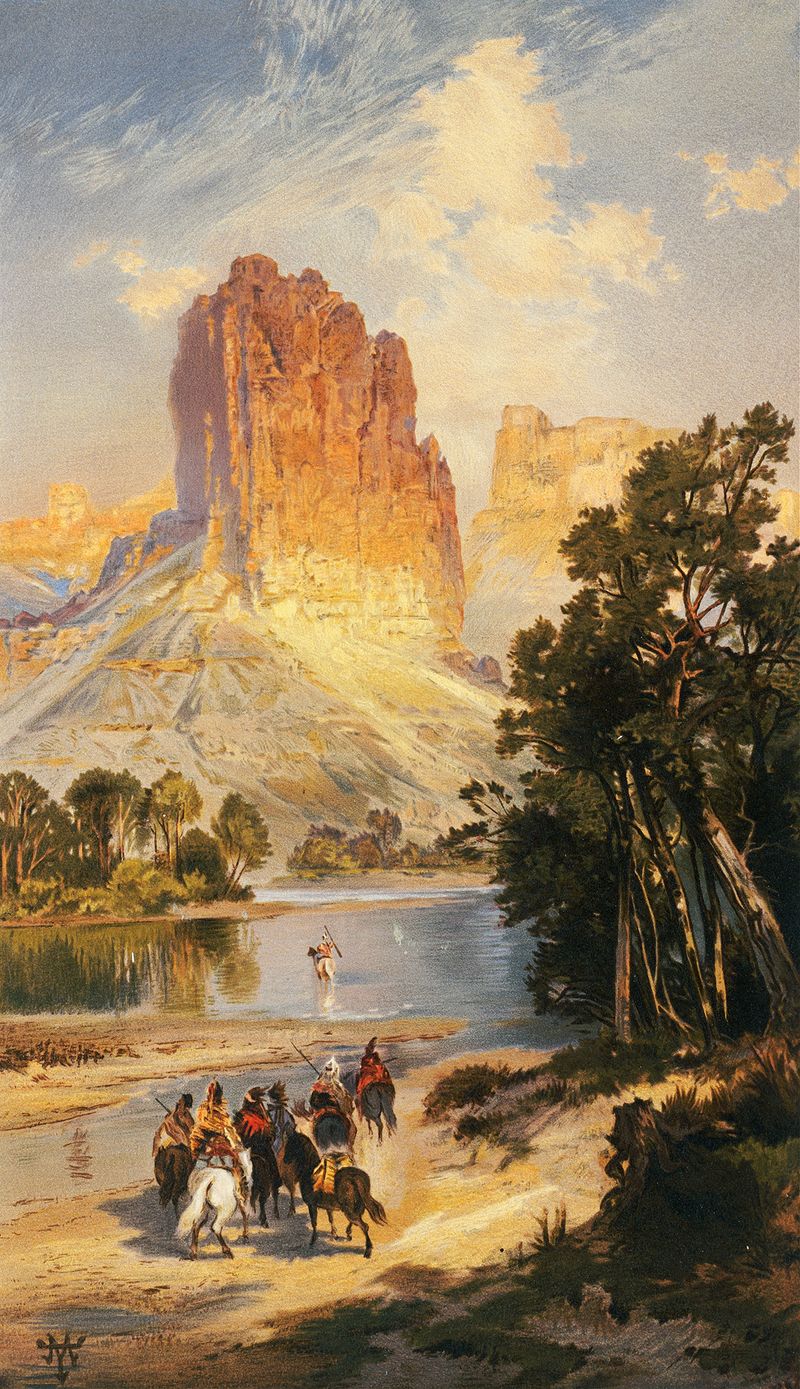
Cliffs of the Upper Colorado River, Wyoming Territory
Thomas Moran

Mammoth Hot Springs, Yellowstone
Thomas Moran
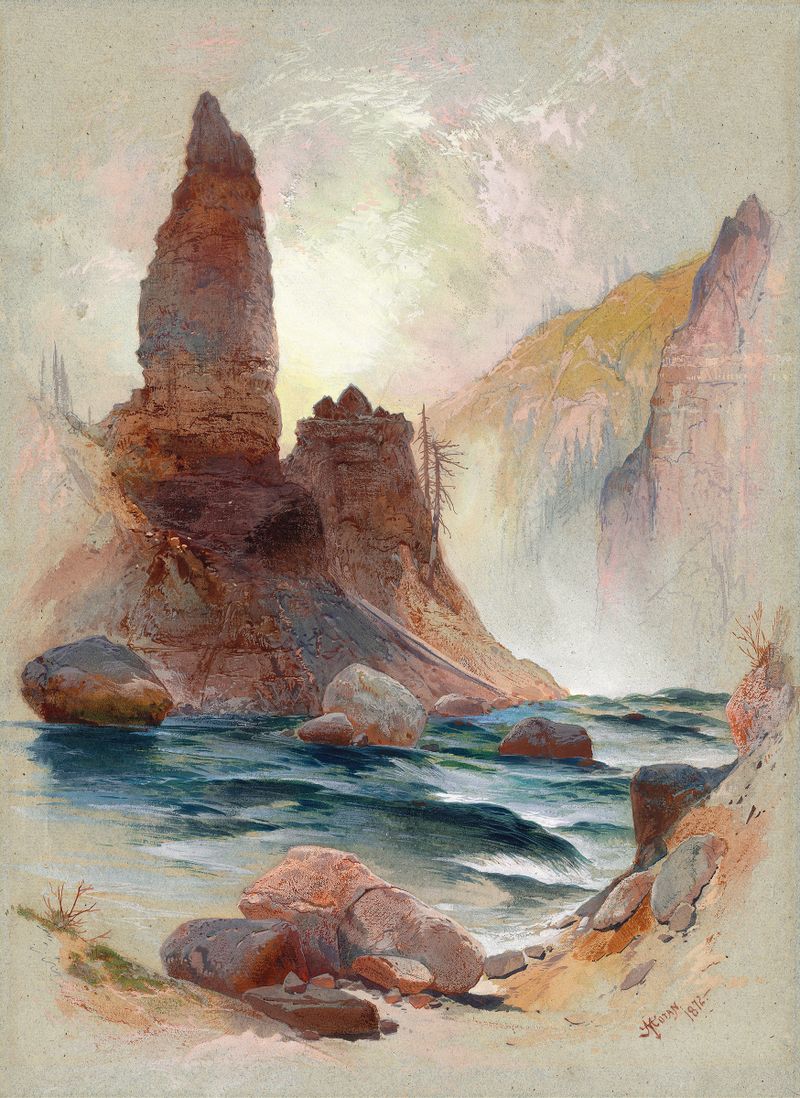
Tower at Tower Falls, Yellowstone
Thomas Moran





