
The Demilune constructed at the Siege of Naarden, April 1814 — History & Facts
A quiet tension lingers in the air, as innocence is shaded by the weight of history. The subtle interplay of light and landscape invites the viewer to pause, to reflect on the fragile nature of beauty amid turmoil. Look to the left at the delicate brushstrokes that create a soft, rolling terrain, where nature seems to cradle the remnants of conflict. Notice how the demilune, a half-moon fortification, stands resolute yet vulnerable against the expansive sky.
The soft pastels of the foreground contrast sharply with the darker hues enveloping the military structure, illustrating the dichotomy between hope and despair. Each stroke reveals van Os's meticulous attention to detail, as the brushwork captures the essence of both tranquility and the encroaching shadows of war. Beneath the surface, the painting evokes a profound sense of loss and renewal. The demilune, a symbol of defense, becomes an emblem of innocence tarnished by the realities of siege.
The gentle landscape, teeming with life, serves as a reminder of what is at stake, while the clouds above hint at impending storms—both literal and metaphorical. The artwork captures the innocence of the land, marred by the scars of conflict, prompting a deeper consideration of the cost of peace. In 1814, van Os worked on this piece during a time of political upheaval in Europe, following the Napoleonic Wars. Based in the Netherlands, he was deeply influenced by the Romantic movement, which sought to express the sublime beauty of nature and the human experience.
His focus on landscapes during this period reflects a yearning for solace in an era fraught with uncertainty, capturing the delicate balance between innocence and the shadows of history.
More Artworks by Pieter Gerardus van Os
Browse all →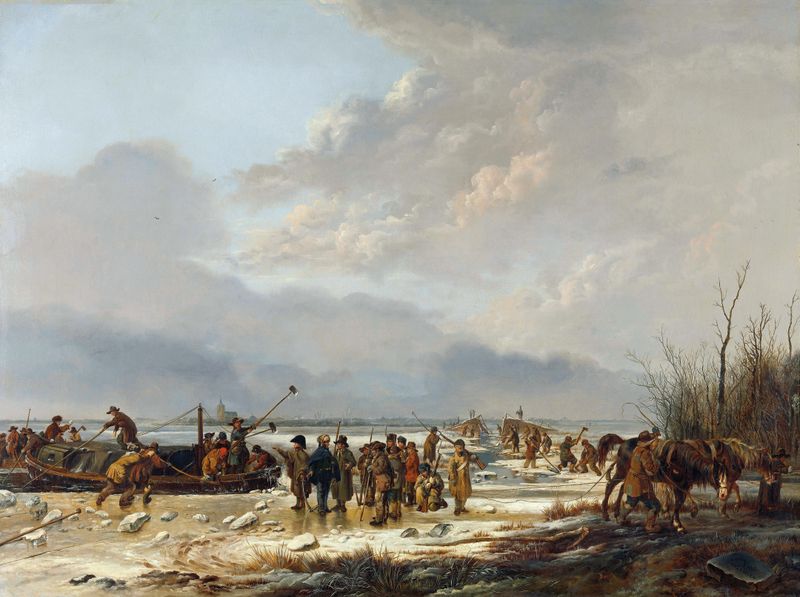
Breaking the Ice on the Karnemelksloot, Naarden, January 1814
Pieter Gerardus van Os
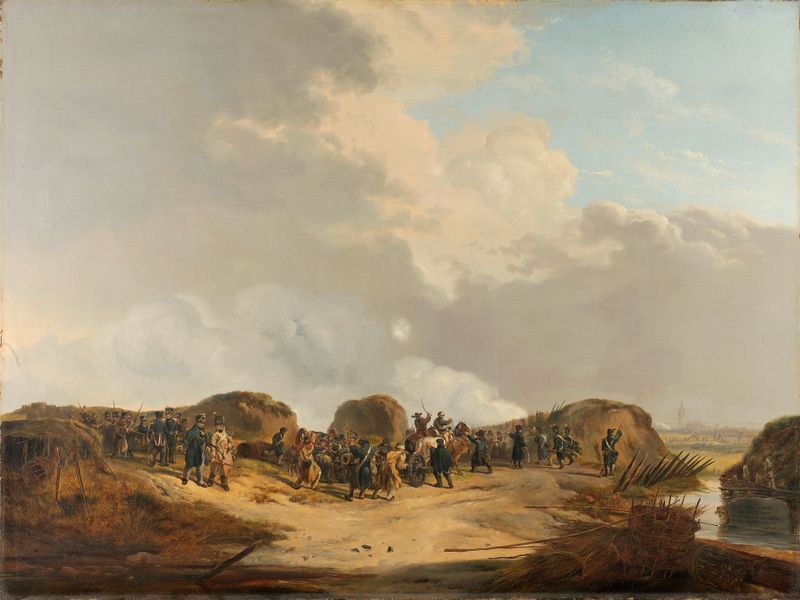
The Demilune constructed at the Siege of Naarden, April 1814
Pieter Gerardus van Os
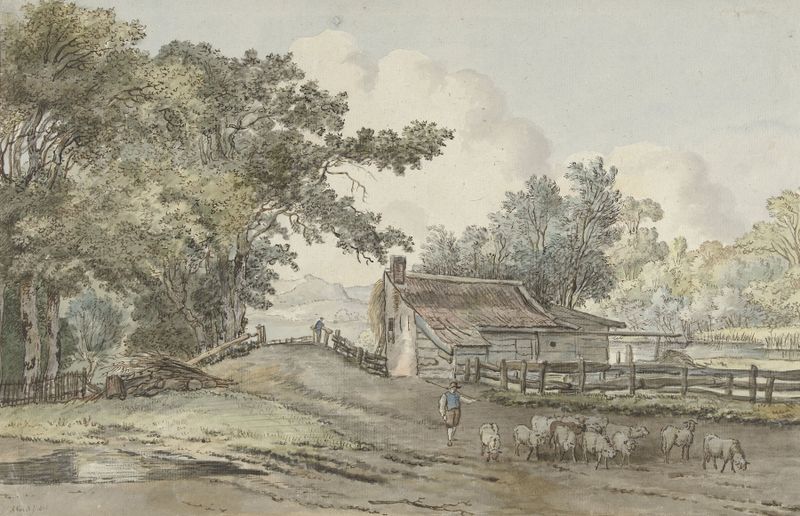
Elswoutshoek te Overveen
Pieter Gerardus van Os
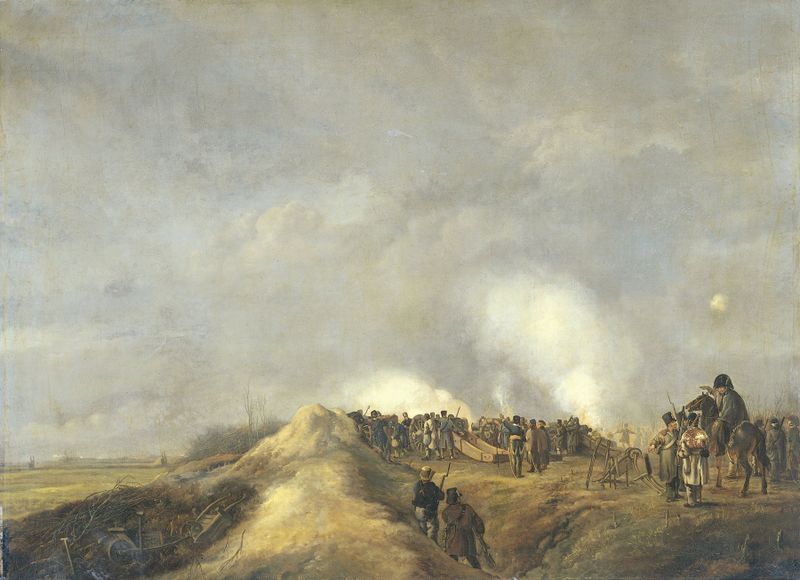
The Bombardment of Naarden, April 1814
Pieter Gerardus van Os
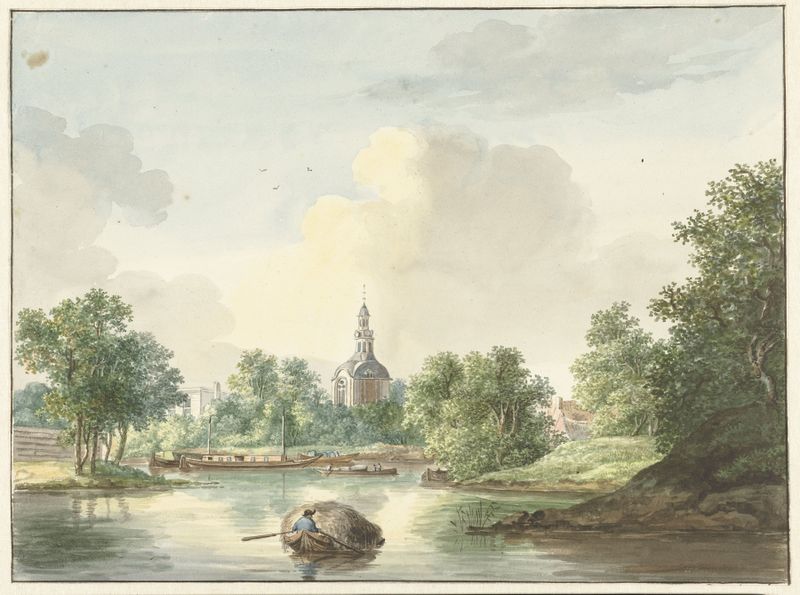
De Hogerwoerdse Poort te Leiden vanaf de Singel gezien
Pieter Gerardus van Os
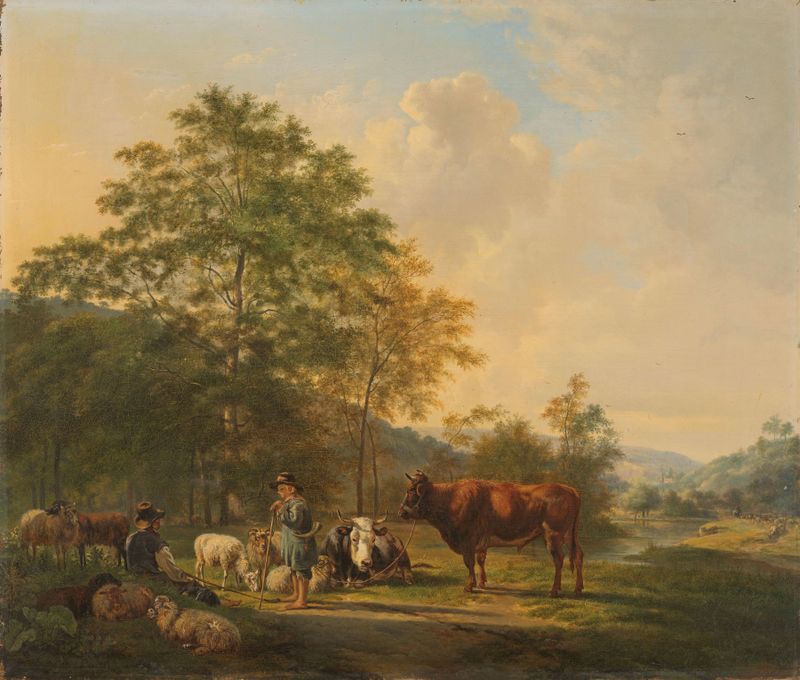
Hilly Landscape with Shepherd, Drover and Cattle
Pieter Gerardus van Os
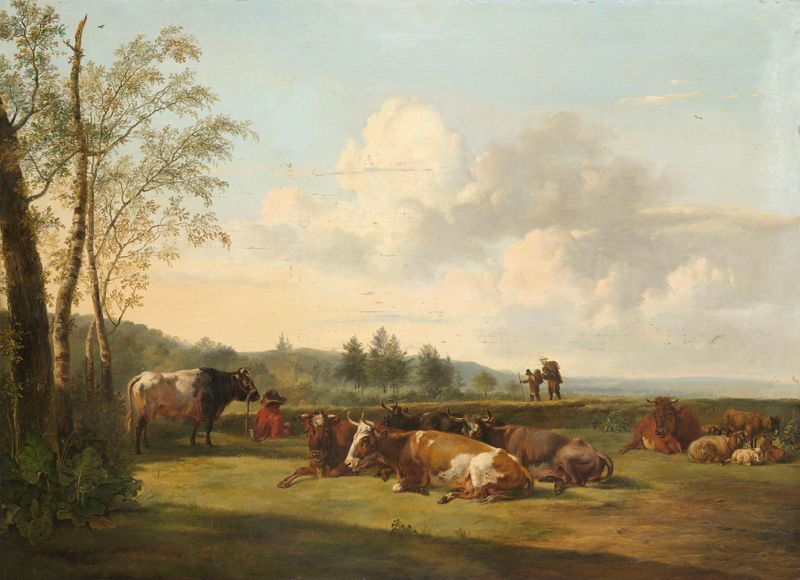
Landscape with Cattle
Pieter Gerardus van Os
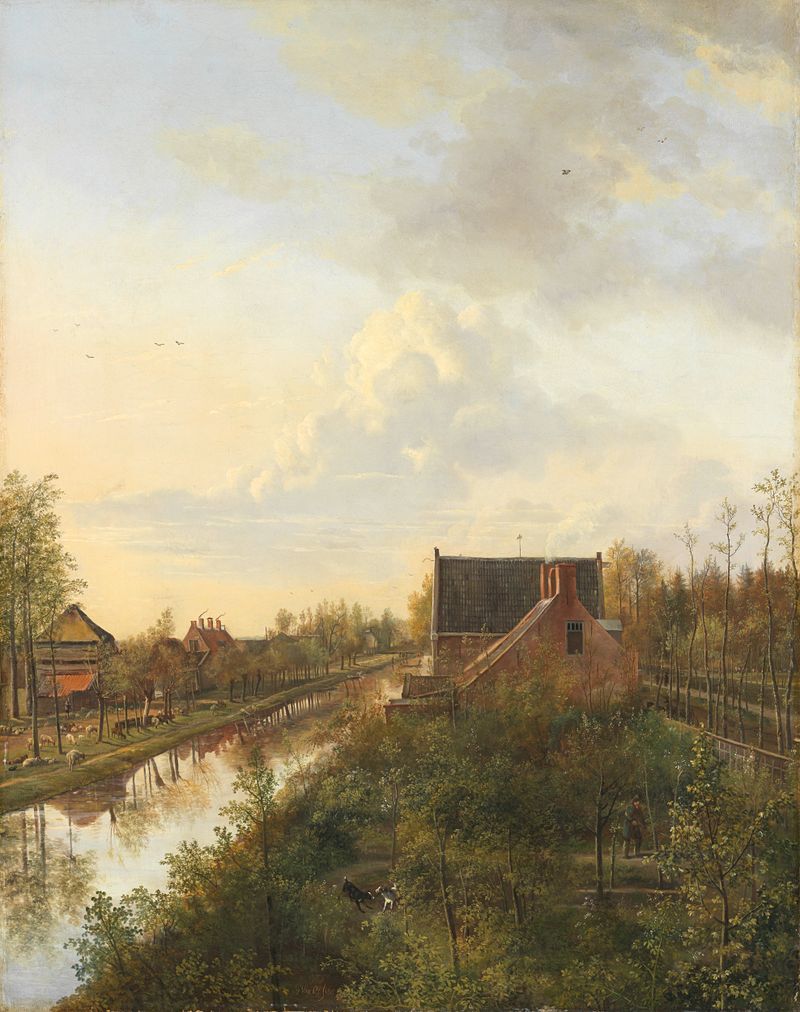
The Canal at ’s-Graveland
Pieter Gerardus van Os
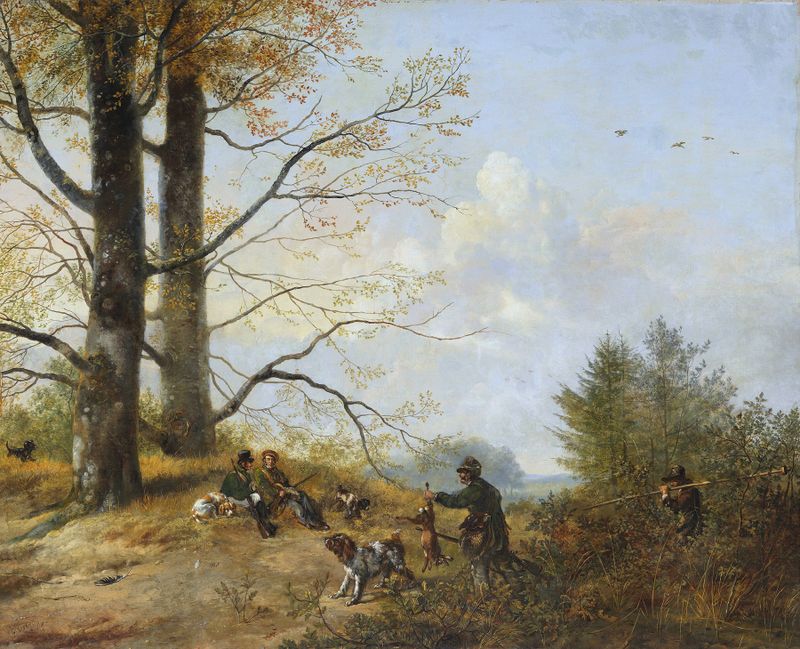
Rast nach der Jagd
Pieter Gerardus van Os
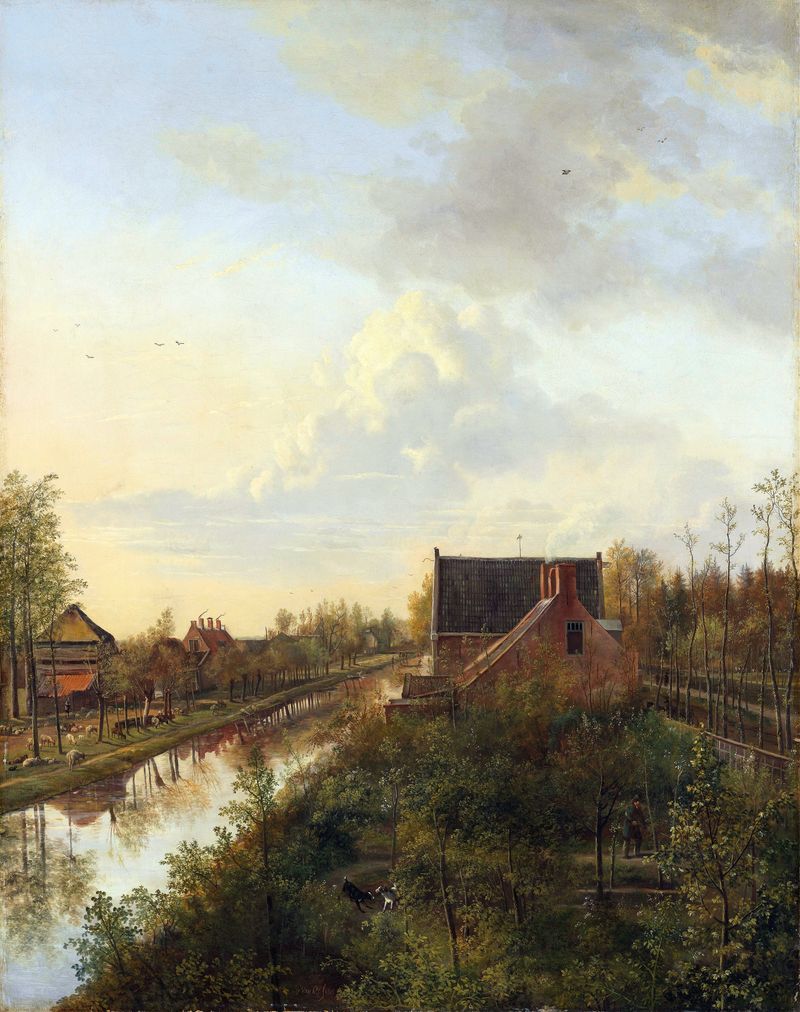
The Canal at ’s-Graveland
Pieter Gerardus van Os
More Historical Art
Browse all →
The Night Watch Militia Company of District II under the Command of Captain Frans Banninck Cocq
Rembrandt van Rijn
Lincoln Memorial
Henry Bacon
The Third of May 1808
Francisco de Goya

Isaac and Rebecca, Known as ‘The Jewish Bride’
Rembrandt van Rijn
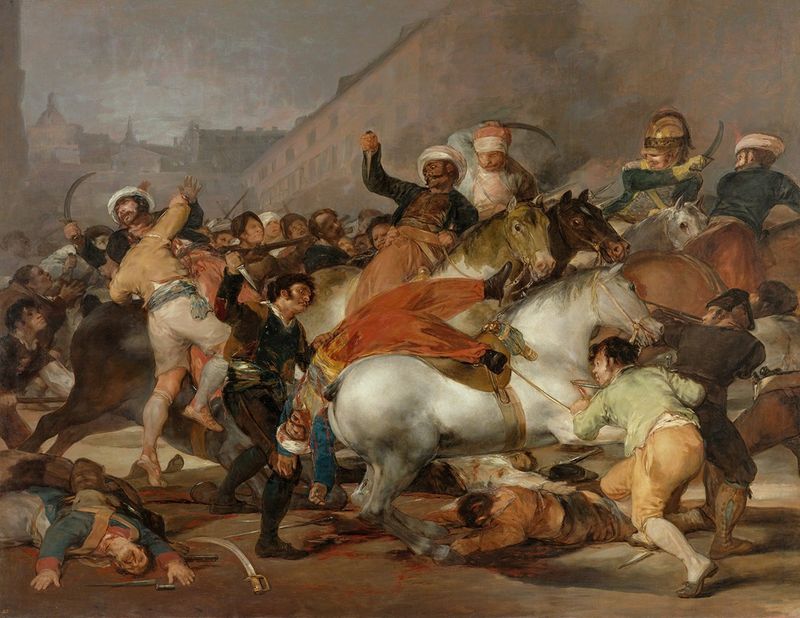
The Charge of the Mamelukes (1814)
Francisco de Goya

De vier ruiters van de apocalyps
Albrecht Dürer