Discover insights about this artwork
The Denial of St. Peter — History & Facts
In The Denial of St. Peter, Gerard van Honthorst captures a tense moment with deep shadows and warm light. The figures are arranged in a dramatic composition, with St.
Peter at the center, looking distressed. The use of chiaroscuro highlights the emotional intensity of the scene. The color palette consists of rich browns, deep reds, and soft yellows, creating a somber yet engaging atmosphere. The painting is executed in oil on canvas, a common medium during the Dutch Golden Age.
Honthorst's technique showcases his skill in manipulating light and shadow, creating a three-dimensional effect. The dimensions are approximately 120 x 160 cm, making it a sizable work that draws the viewer's attention. The details of the figures' expressions and clothing are finely rendered, enhancing the narrative quality of the piece. Gerard van Honthorst was known for his use of light and shadow, which was influenced by Caravaggio.
This painting depicts the moment when St. Peter denies knowing Jesus, a pivotal event in the New Testament. An interesting fact about this work is that it was commissioned for a private collection, reflecting the popularity of religious themes in art during the 17th century.
Honthorst's ability to convey emotion through his figures makes this piece a significant example of Baroque art.
More Artworks by Gerard van Honthorst
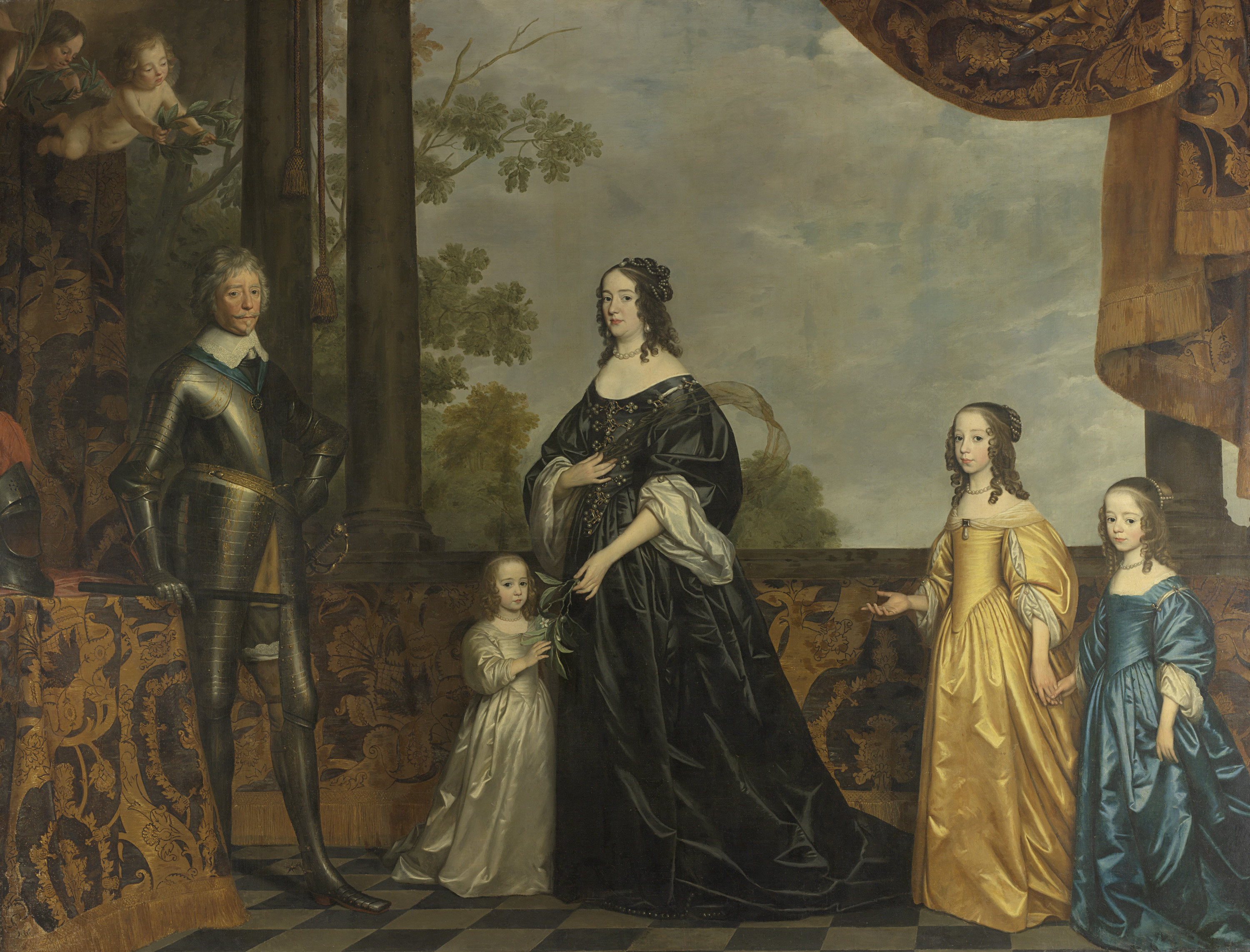
Frederick Henry, his Consort Amalia of Solms, and their Three Youngest Daughters
Gerard van Honthorst
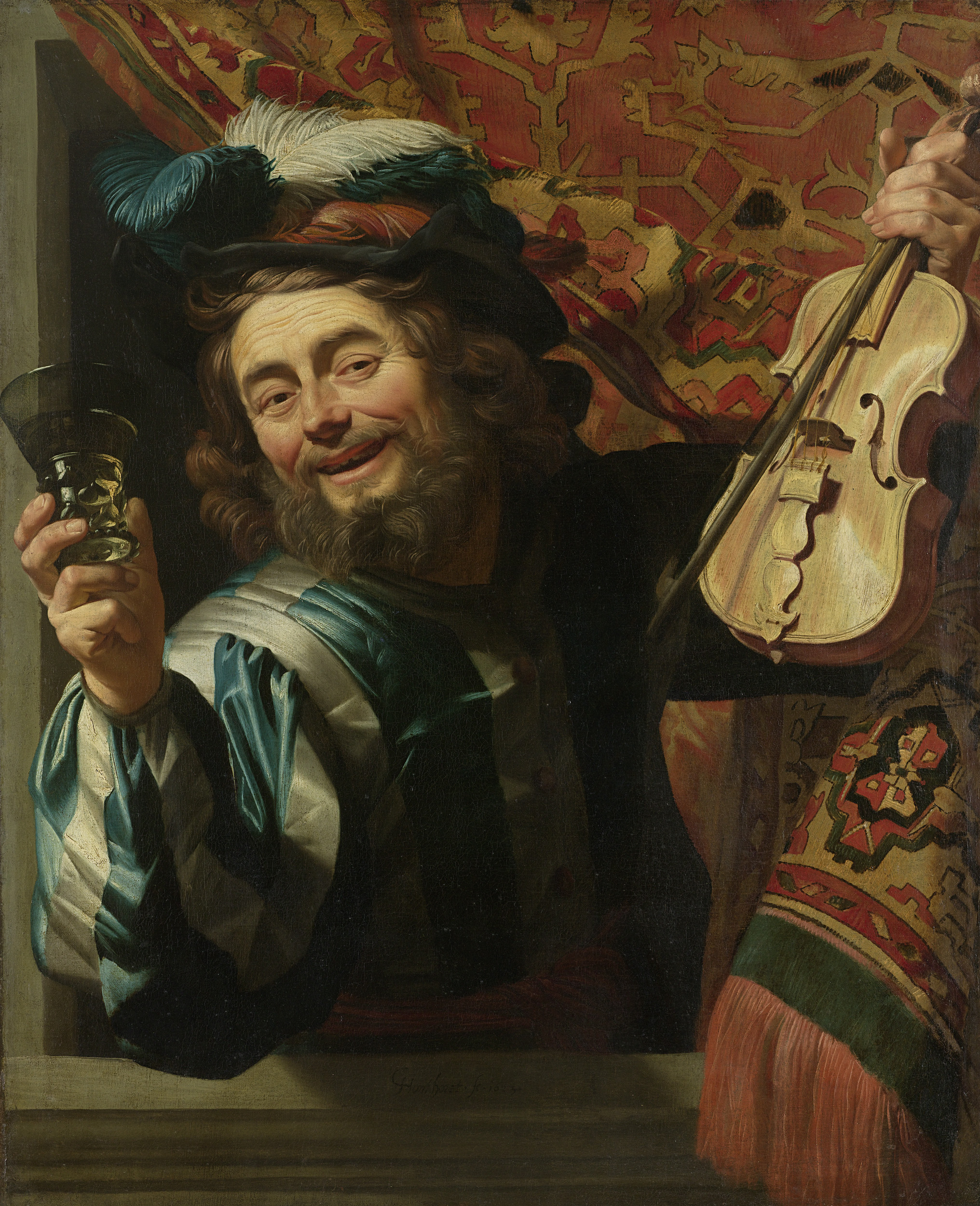
The Merry Fiddler
Gerard van Honthorst
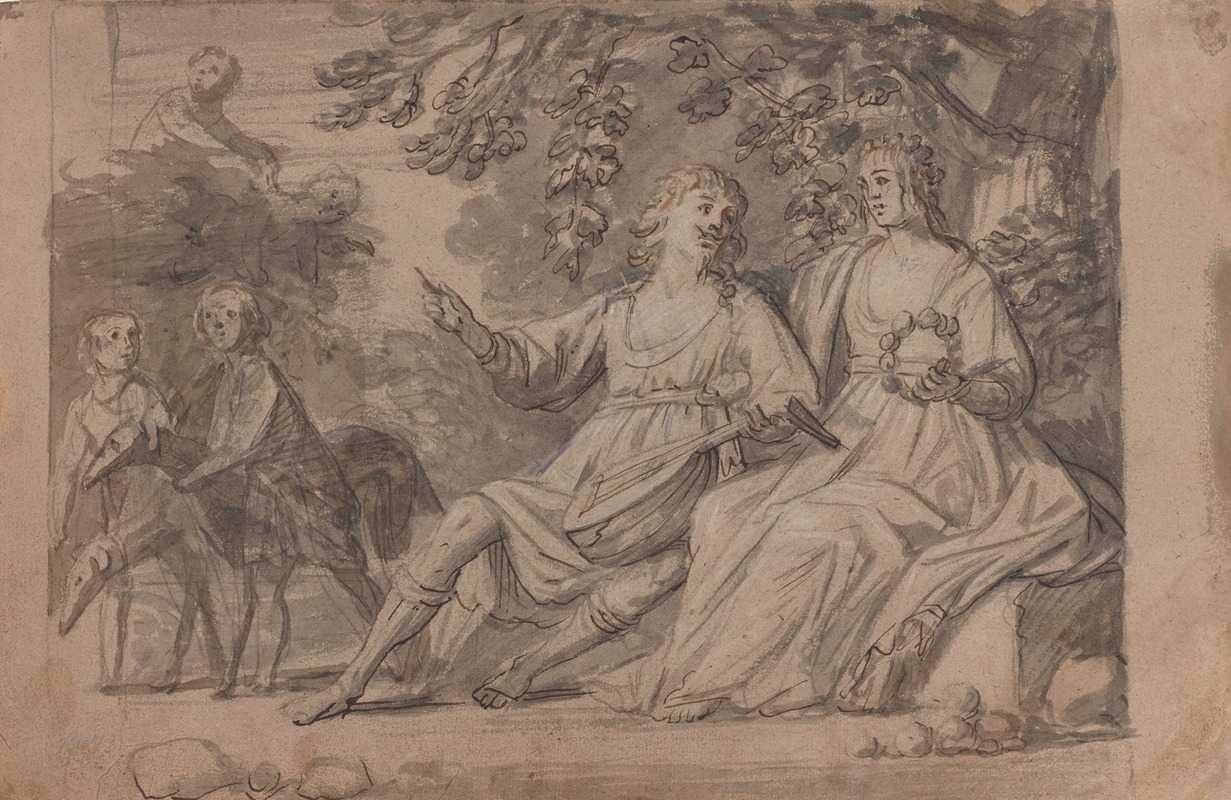
Pastoral scene of a man and a woman
Gerard van Honthorst
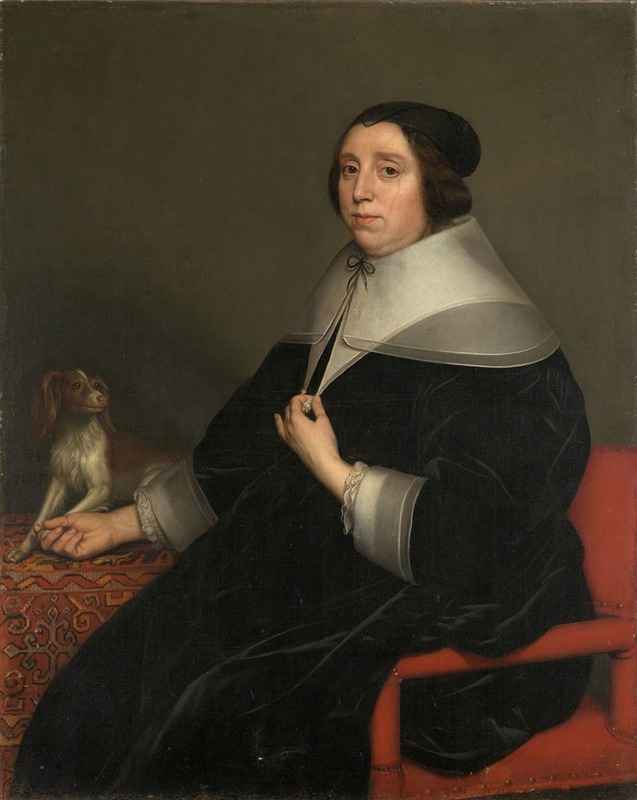
Portrait of a Woman
Gerard van Honthorst
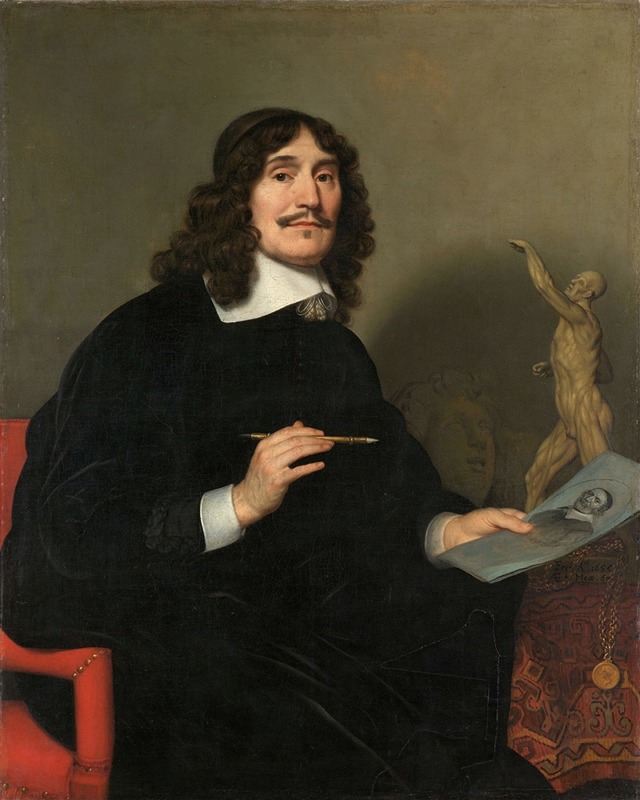
Portrait of an Artist
Gerard van Honthorst
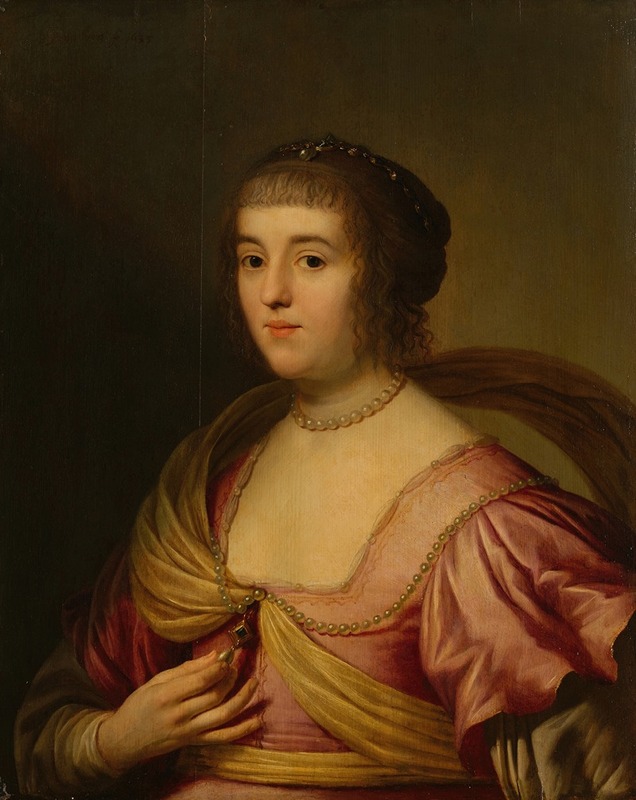
Portrait of Amalia van Solms
Gerard van Honthorst
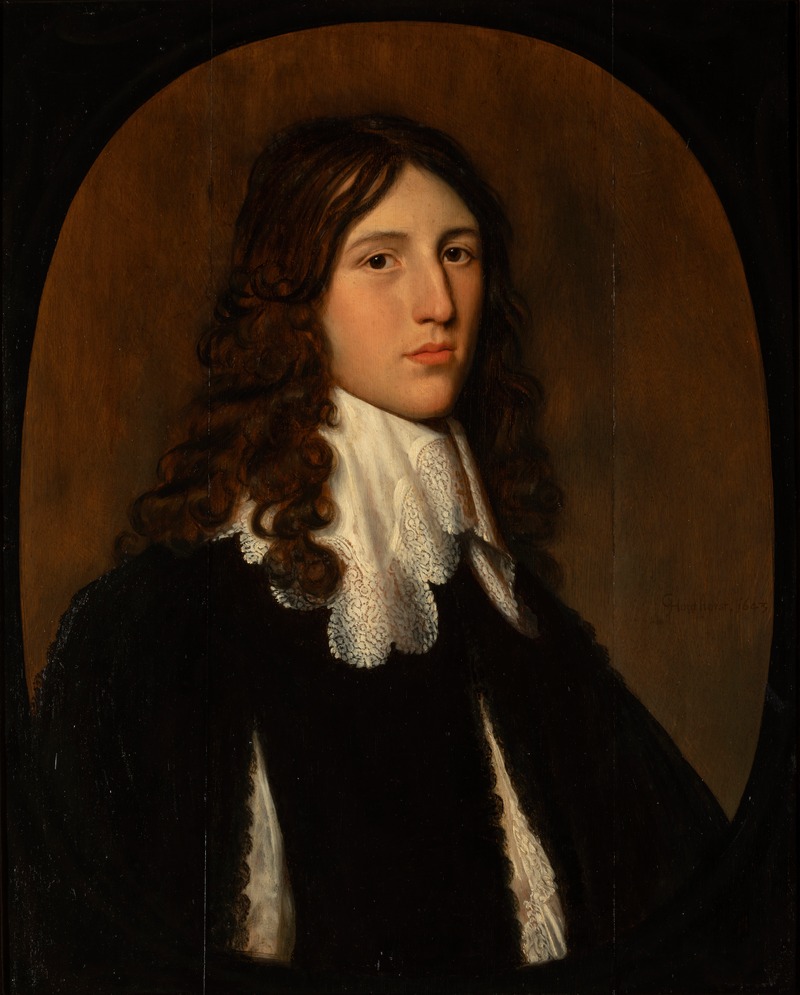
Portrait of Willem van Beveren (1624-1672)
Gerard van Honthorst
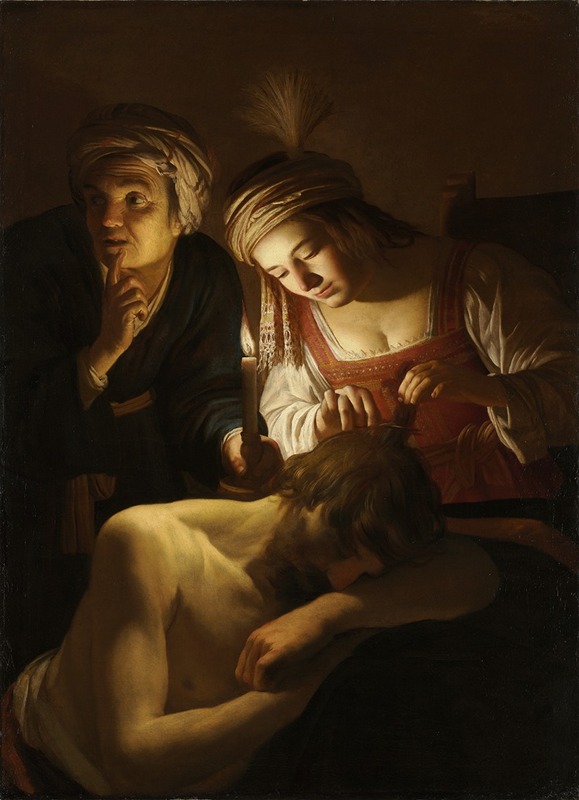
Samson and Delilah
Gerard van Honthorst
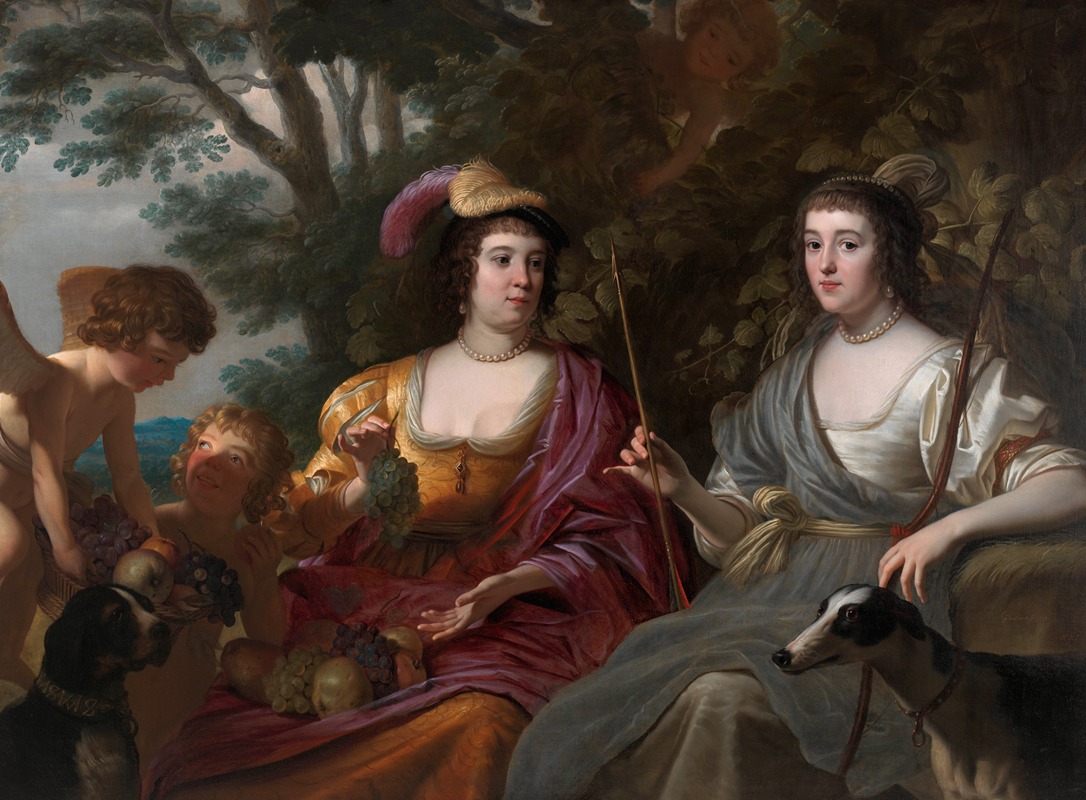
Double Portrait of Amalia van Solms and Charlotte de La Trémoïlle
Gerard van Honthorst
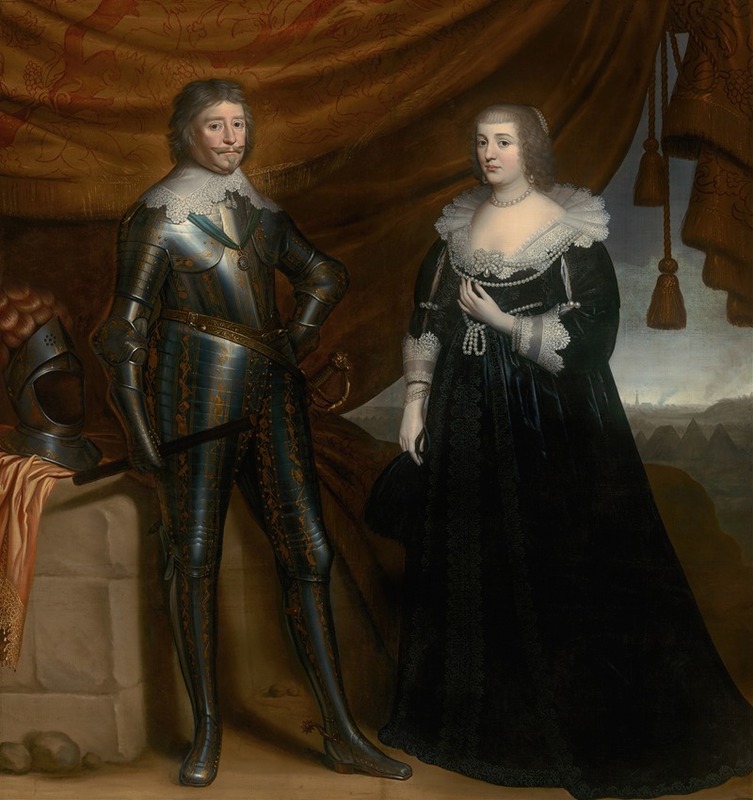
Double Portrait of Frederik Hendrik (1584- 1647) and Amalia of Solms-Braunfels (1602- 1675)
Gerard van Honthorst