
The Doreathea Nipped in the Ice off Spitzbergen, North View — History & Facts
Can paint confess what words never could? In The Doreathea Nipped in the Ice off Spitzbergen, North View, Charles Hamilton Smith captures a moment teetering between despair and the unyielding beauty of nature, inviting contemplation on creation itself. Look to the left where the ship, Doreathea, emerges from the frosty haze, its sails taut against a gusting wind. The icy blues and stark whites dominate the canvas, contrasting vividly with the muted browns of the vessel. Notice how Smith’s brushstrokes evoke the chill of the Arctic air, while the sunlight glimmers off the icebergs, creating an ethereal glow that transforms the perilous scene into a spectacle of awe.
The sweeping horizon lines lead the eye towards the distant mountains, enhancing a sense of isolation and fragility. Amidst the chilling landscape, there lies a profound tension between human endeavor and nature’s indifference. The ship’s precarious position serves as a poignant reminder of humanity’s vulnerability against the vastness of the world. Each fragment of ice surrounding the vessel hints at the harsh reality explorers faced, yet the interplay of light and shadow on the frozen surface suggests resilience — a celebration of the relentless spirit of discovery that propels individuals into the unknown. Created during the early 19th century, this work reflects a time of burgeoning exploration and scientific curiosity.
Smith, an accomplished naturalist and painter, produced this piece as part of his broader interest in capturing the uncharted territories of the Arctic. At that point, the art world was shifting towards Romanticism, emphasizing emotion and individualism, which deeply influenced the thematic elements of this evocative work.
More Artworks by Charles Hamilton Smith
Browse all →
Situation of H.M.S. Hecla & Griper
Charles Hamilton Smith
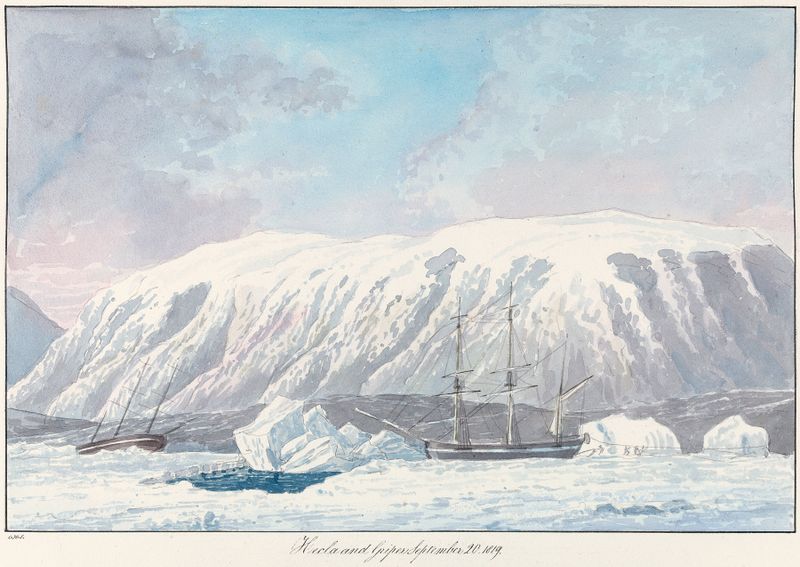
Hecla and Griper
Charles Hamilton Smith

Friendly Cove, Nootka Sound
Charles Hamilton Smith

Iceberg in Baffin’s Bay
Charles Hamilton Smith
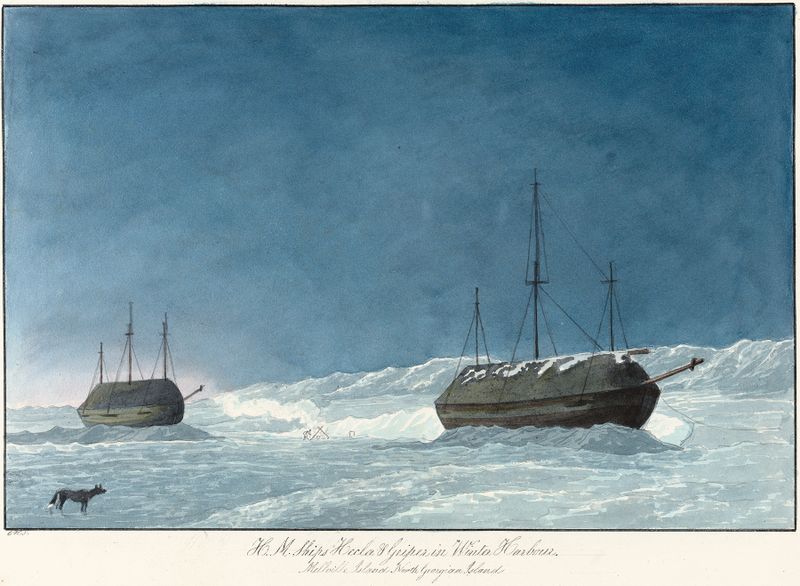
H. M. Ships Hecla and Griper in Winter Harbour
Charles Hamilton Smith

The Erebus & Terror in a Gale in the Pack of the Ice
Charles Hamilton Smith
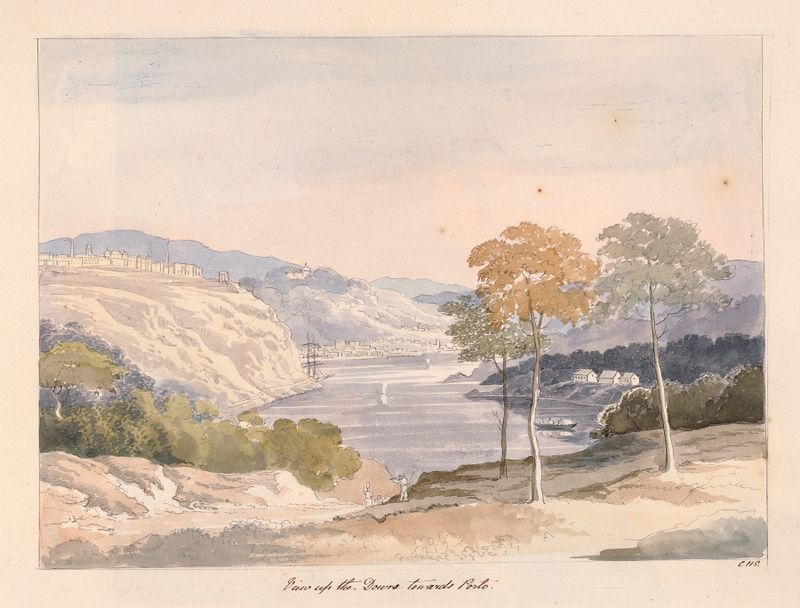
View of the Douro towards Porto
Charles Hamilton Smith
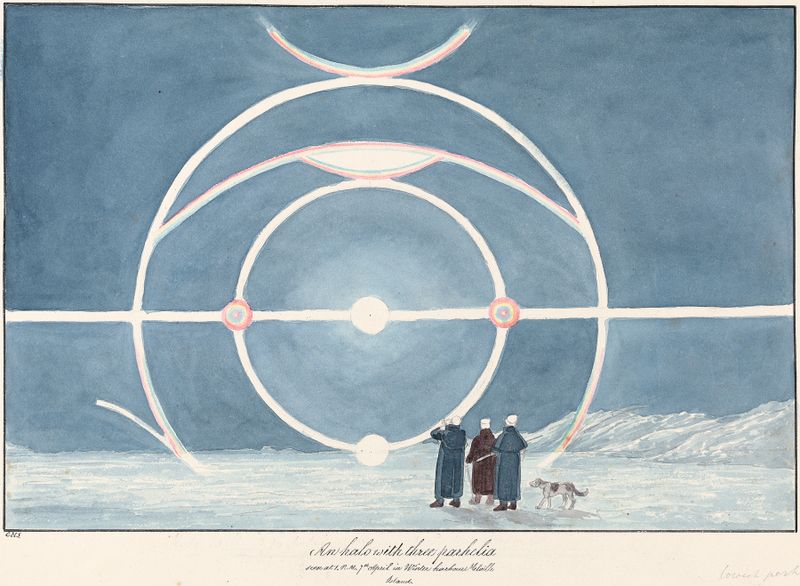
Halo with Three Parhelia, Winter Harbour Melville Island
Charles Hamilton Smith
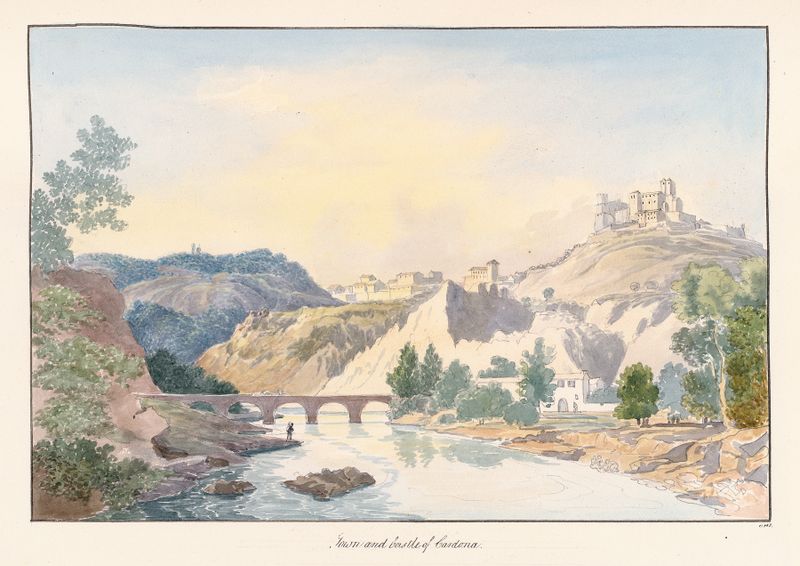
Town and Castle of Cardona
Charles Hamilton Smith
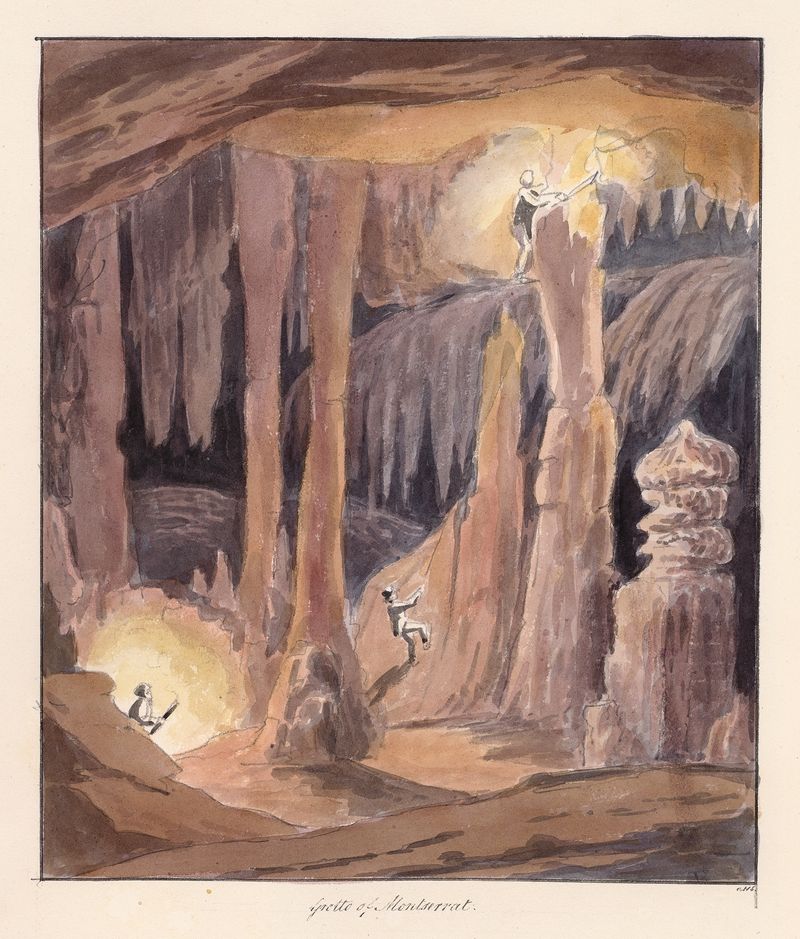
Grotto of Montserrat
Charles Hamilton Smith





