
The Egyptian Widow — History & Facts
In The Egyptian Widow, the viewer is greeted by a rich palette of warm earth tones and soft pastels. The central figure, a widow dressed in flowing garments, stands amidst an exotic Egyptian backdrop. Intricate details of the setting, such as hieroglyphs and ornate architecture, draw the eye and enhance the narrative.
The overall composition creates a sense of intimacy and contemplation. The painting is executed in oil on canvas, allowing for vibrant colors and fine details. Alma-Tadema's technique is characterized by meticulous brushwork, which captures textures and patterns with precision. The dimensions of the artwork are approximately 60 x 80 cm, making it a medium-sized piece.
The careful arrangement of figures and elements contributes to a harmonious balance within the scene. Lawrence Alma-Tadema was known for his depictions of classical themes and settings, often focusing on ancient civilizations. The Egyptian Widow reflects his fascination with Egyptology, a popular subject during the Victorian era. An interesting fact about this work is that it showcases Alma-Tadema's ability to blend historical accuracy with romanticized elements, creating a captivating narrative.
This painting is part of a private collection, highlighting its exclusivity.
More Artworks by Lawrence Alma-Tadema

The Roses of Heliogabalus
Lawrence Alma-Tadema

A Juggler
Lawrence Alma-Tadema
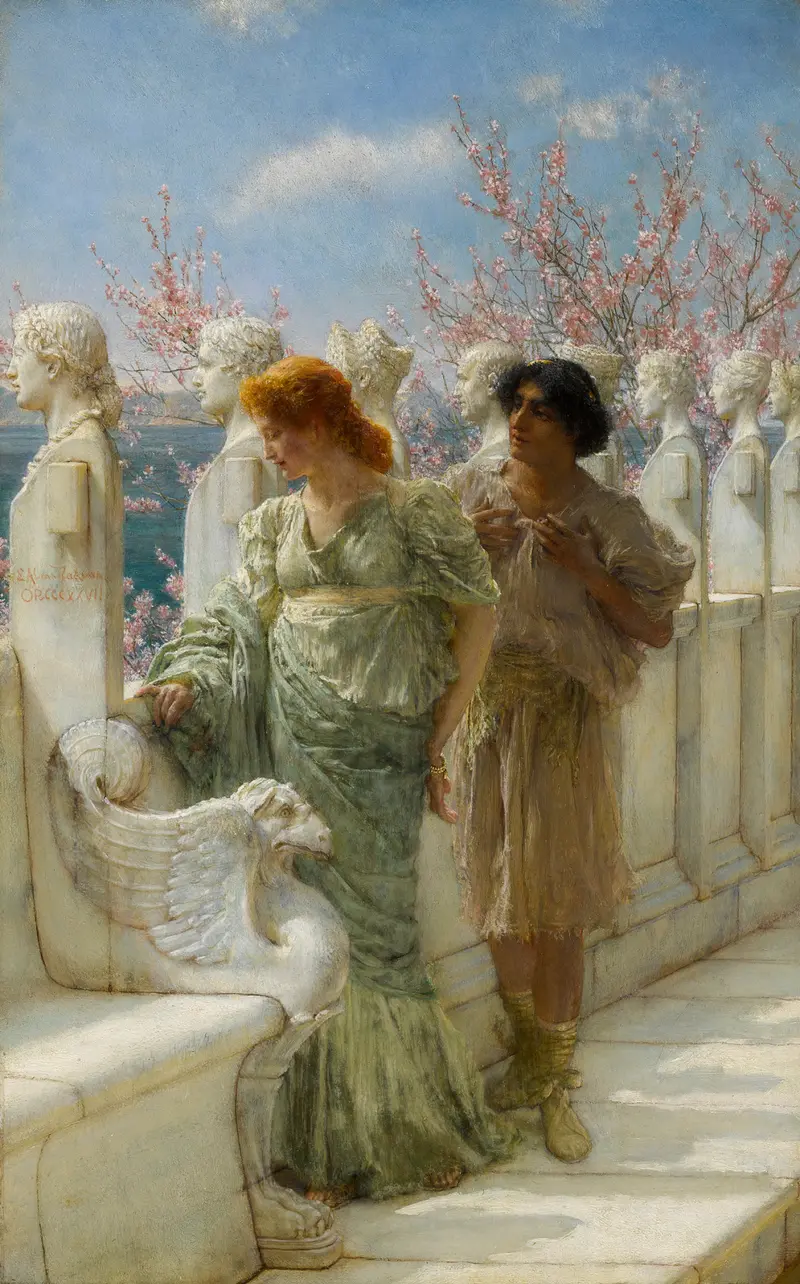
Past And Present Generations
Lawrence Alma-Tadema
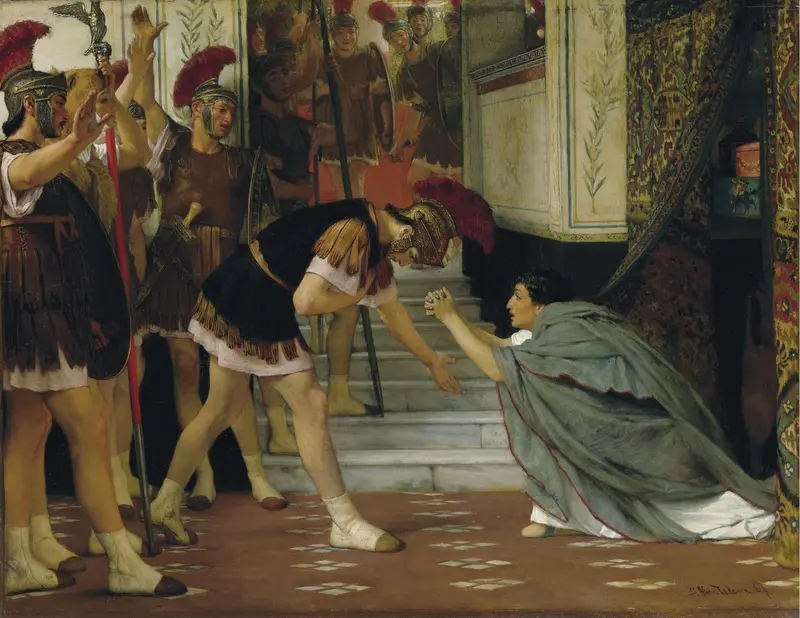
Proclaiming Claudius Emperor, Opus XlVIII
Lawrence Alma-Tadema
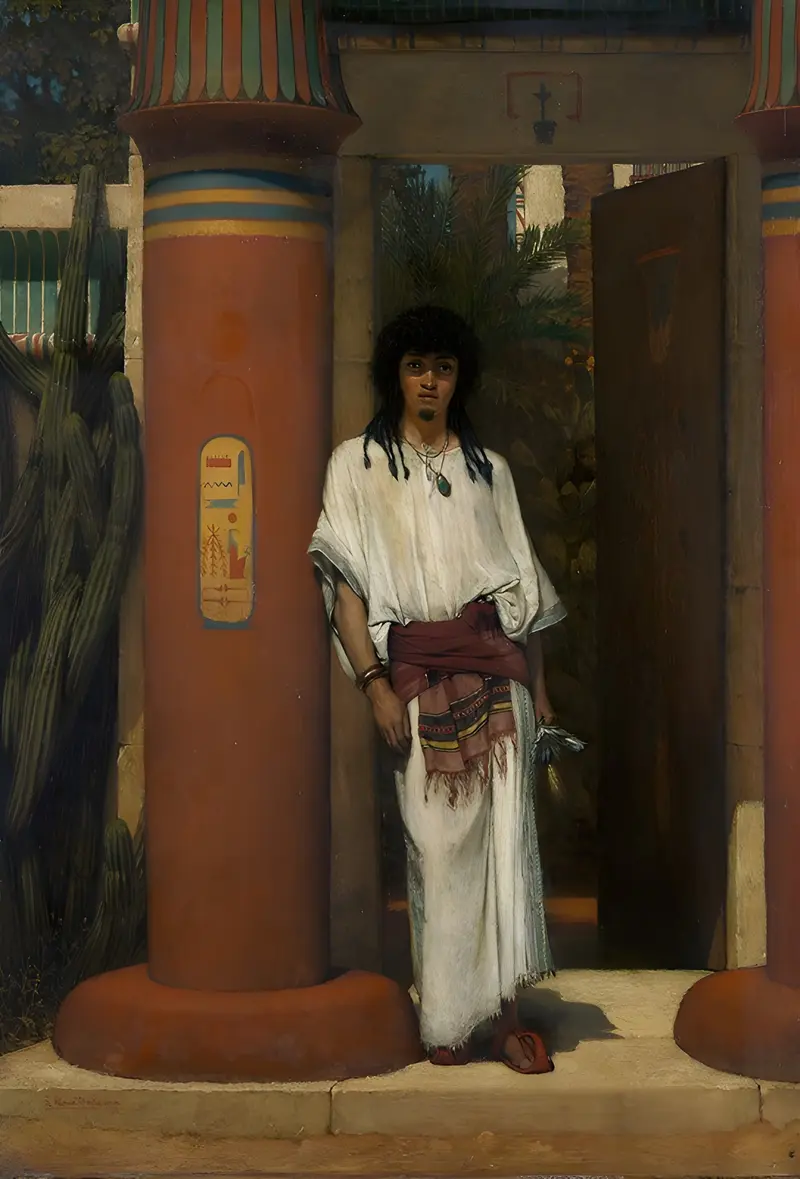
An Egyptian in a Doorway
Lawrence Alma-Tadema
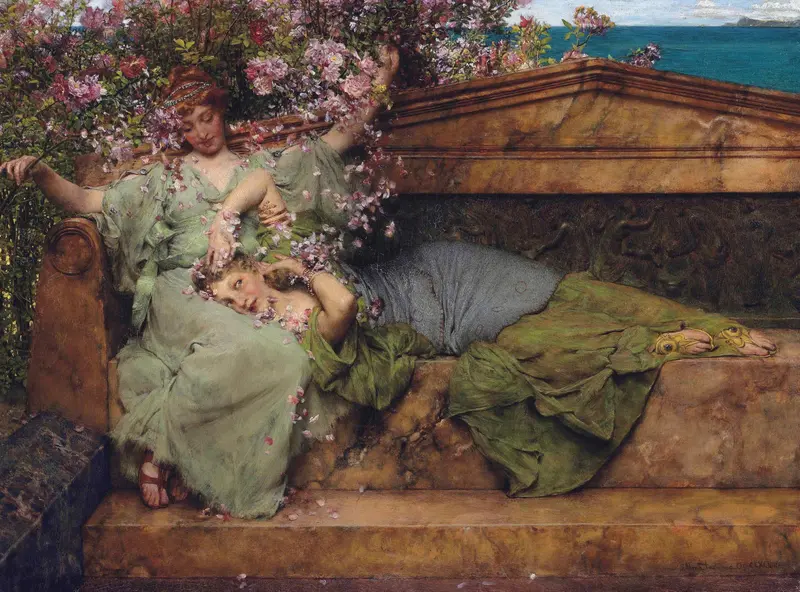
In A Rose Garden
Lawrence Alma-Tadema
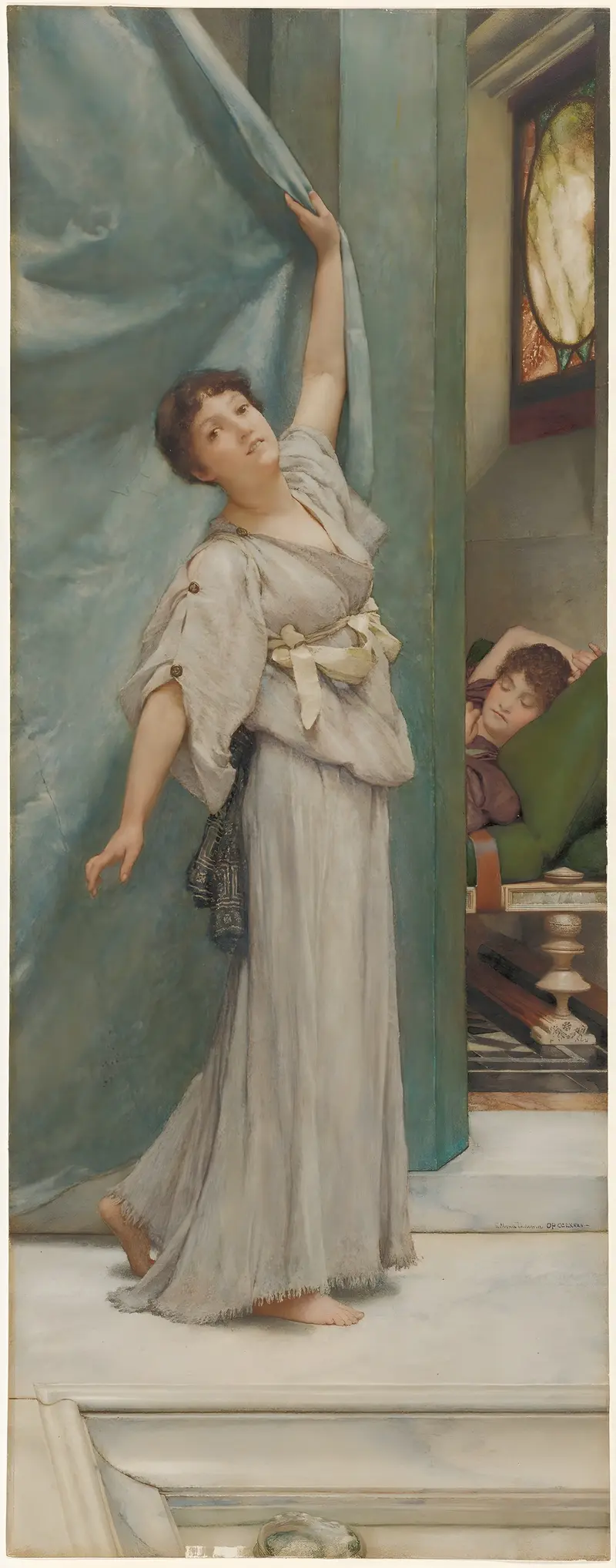
Midday Slumbers
Lawrence Alma-Tadema
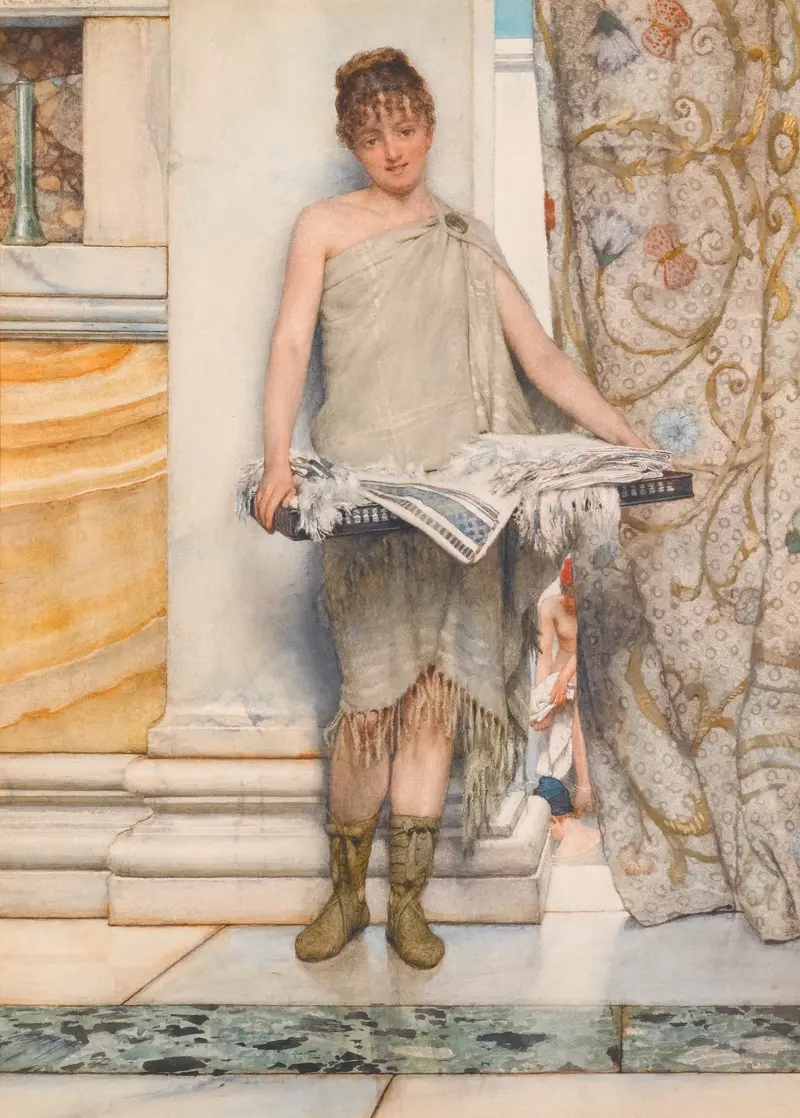
A Balneatrix
Lawrence Alma-Tadema
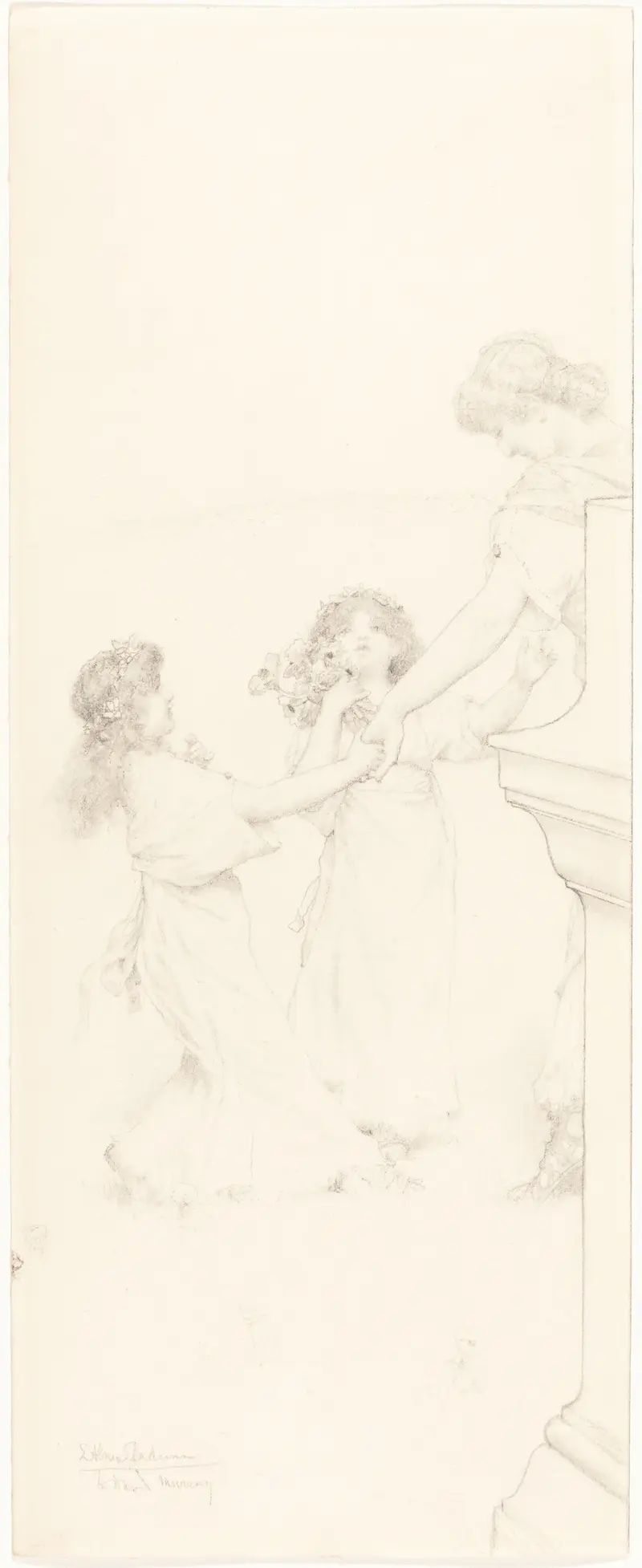
A Dance in Spring
Lawrence Alma-Tadema
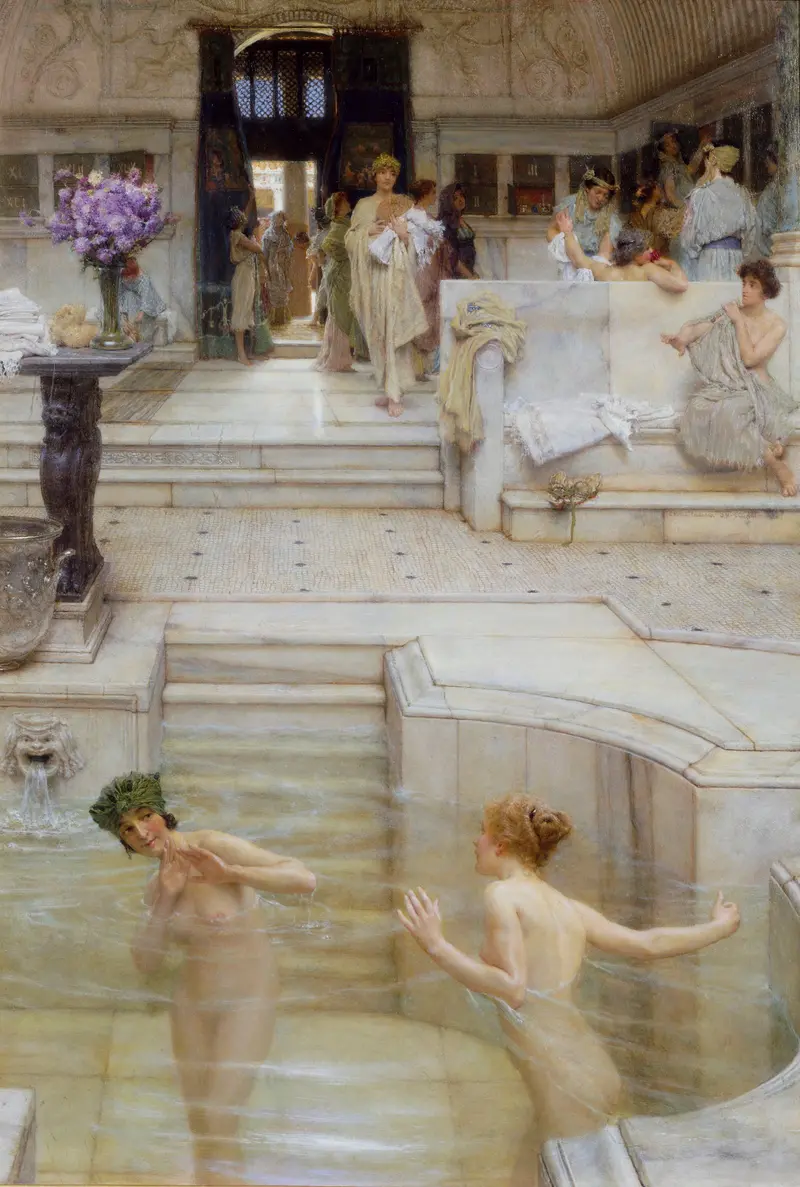
A Favourite Custom
Lawrence Alma-Tadema
More Genre Scene Art

Banquet of the Officers of the St George Civic Guard
Frans Hals

Rembrandt and Saskia in the Scene of the Prodigal Son
Rembrandt van Rijn

Bal du moulin de la Galette
Pierre-Auguste Renoir

Quadrille at the Moulin Rouge
Henri de Toulouse-Lautrec

A Burial at Ornans
Gustave Courbet

When Will You Marry?
Paul Gauguin