Discover insights about this artwork
The Entombment — History & Facts
In The Entombment, Peter Paul Rubens presents a dramatic scene filled with rich colors. The figures are depicted in various poses, conveying a sense of movement and emotion. The use of light and shadow enhances the depth of the composition.
The setting is somber, reflecting the gravity of the moment. The painting is executed in oil on canvas, a common medium for Rubens. The dimensions are approximately 200 x 300 cm, making it a large-scale work. Rubens employs a dynamic composition, with diagonal lines leading the viewer's eye through the scene.
The color palette is dominated by deep reds, dark greens, and earthy tones, creating a powerful visual impact. The Entombment was created during the Baroque period, a time known for its emotional intensity and dramatic use of color. Rubens was a leading figure in this movement, blending elements of the Renaissance with his own style. An interesting fact about this work is that it was originally commissioned for a church in Antwerp, highlighting its religious significance.
More Artworks by Peter Paul Rubens
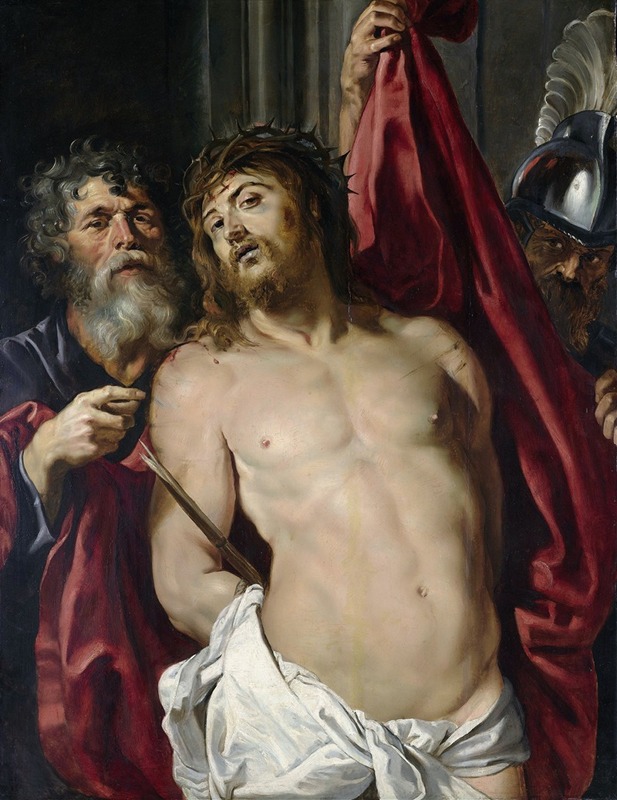
Ecce homo
Peter Paul Rubens
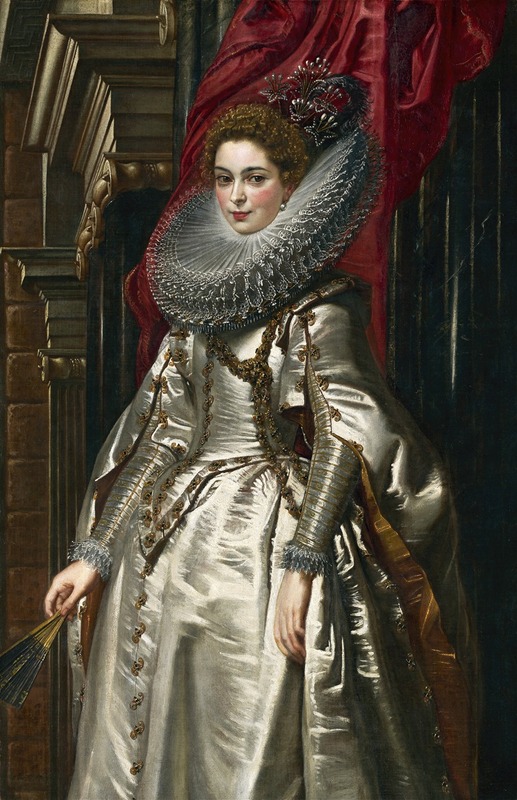
Marchesa Brigida Spinola Doria
Peter Paul Rubens
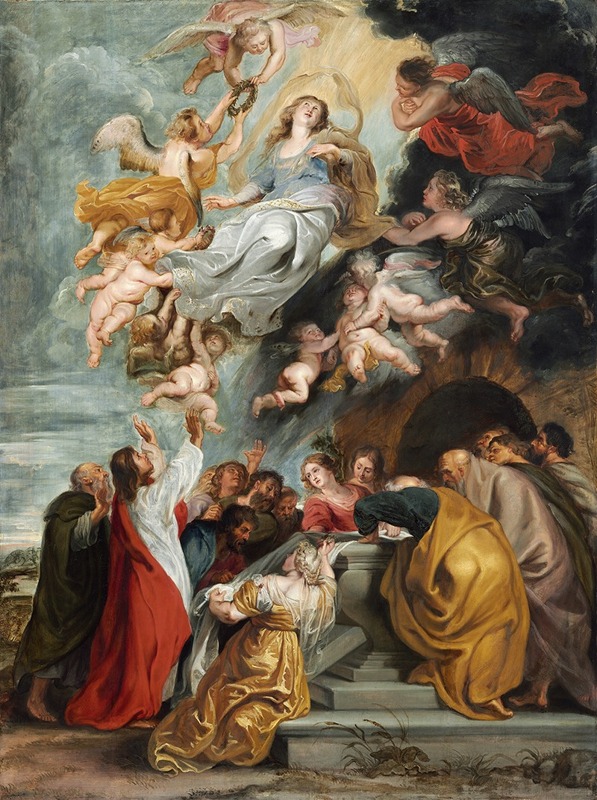
The Assumption of the Virgin
Peter Paul Rubens

Saint Teresa of Ávila Interceding for Souls in Purgatory
Peter Paul Rubens
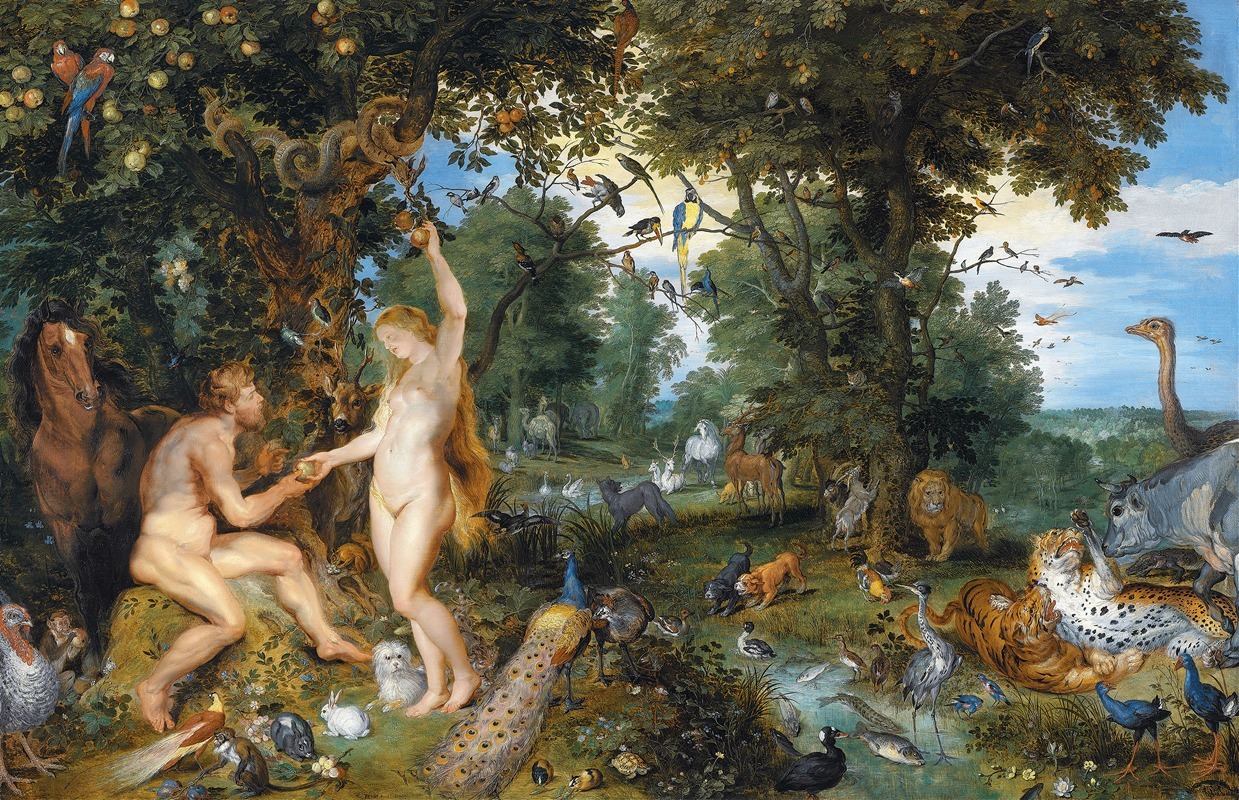
The Garden of Eden with the Fall of Man
Peter Paul Rubens
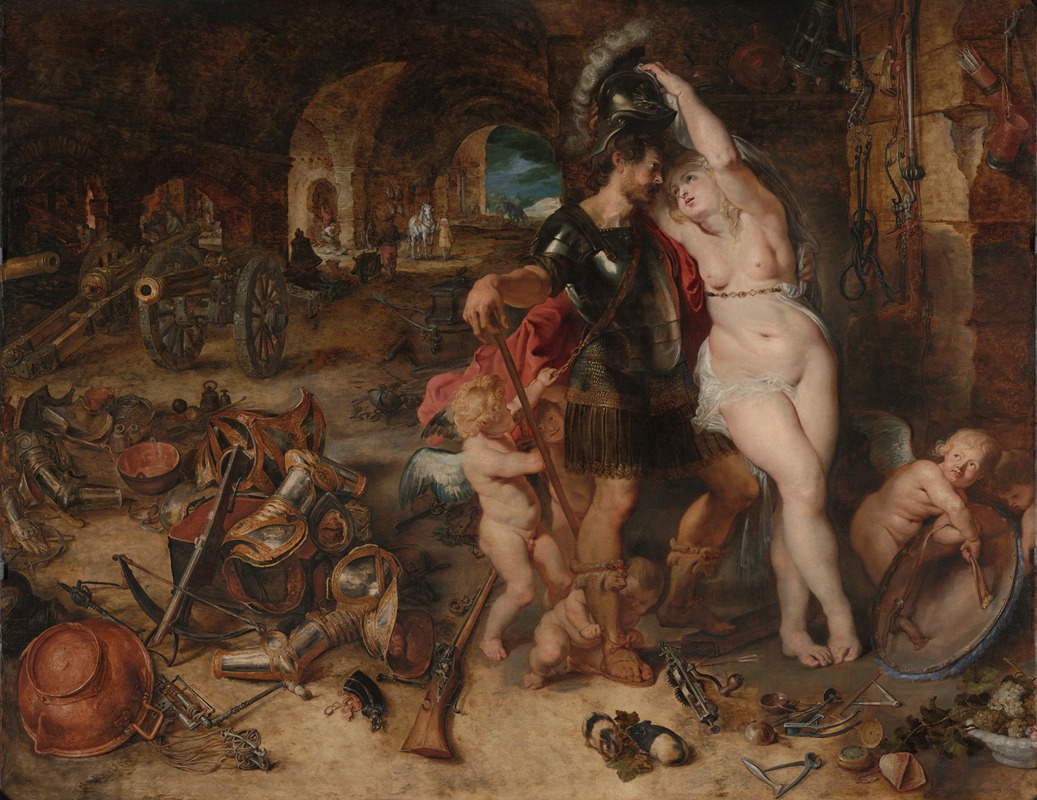
The Return From War,Mars Disarmed By Venus
Peter Paul Rubens
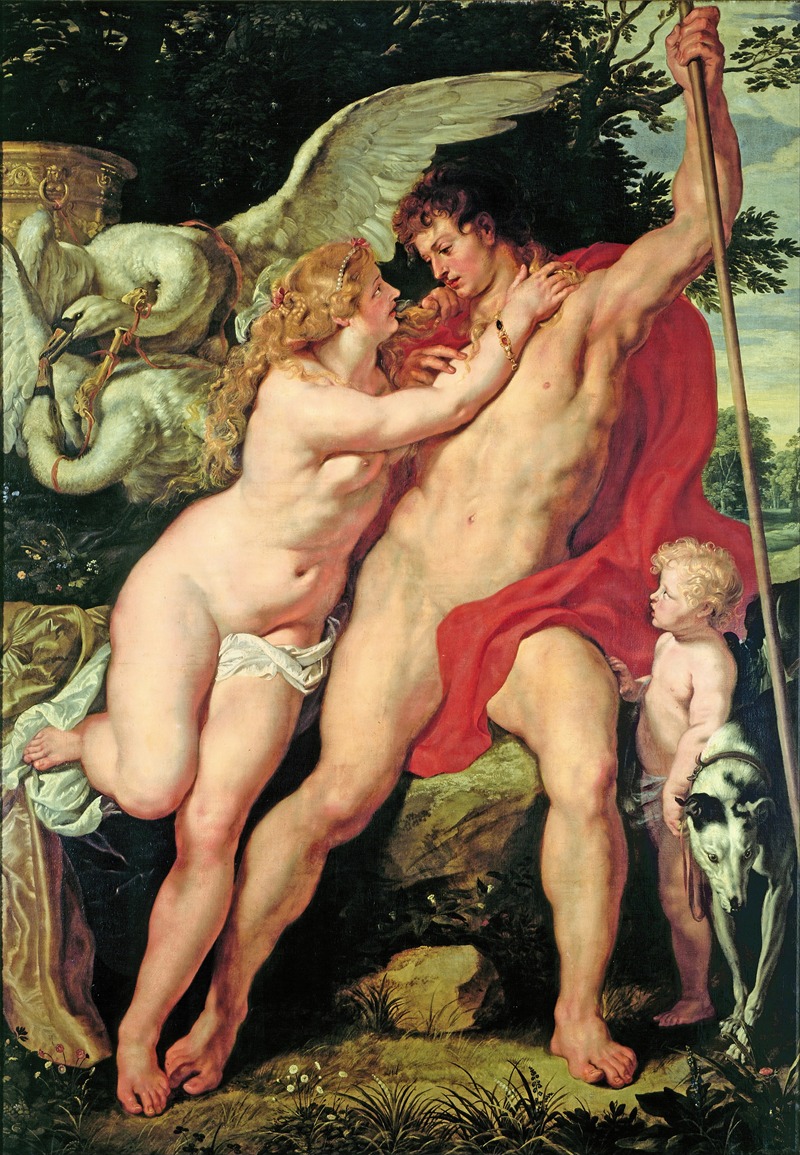
Venus and Adonis
Peter Paul Rubens
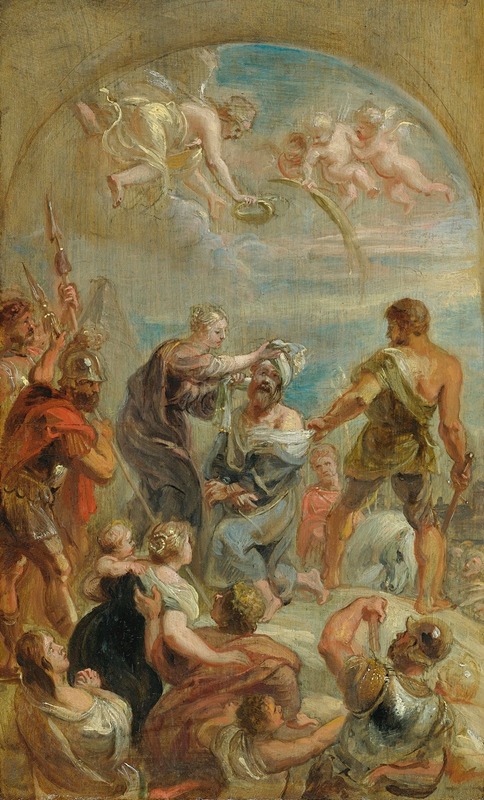
The Martyrdom Of Saint Paul
Peter Paul Rubens
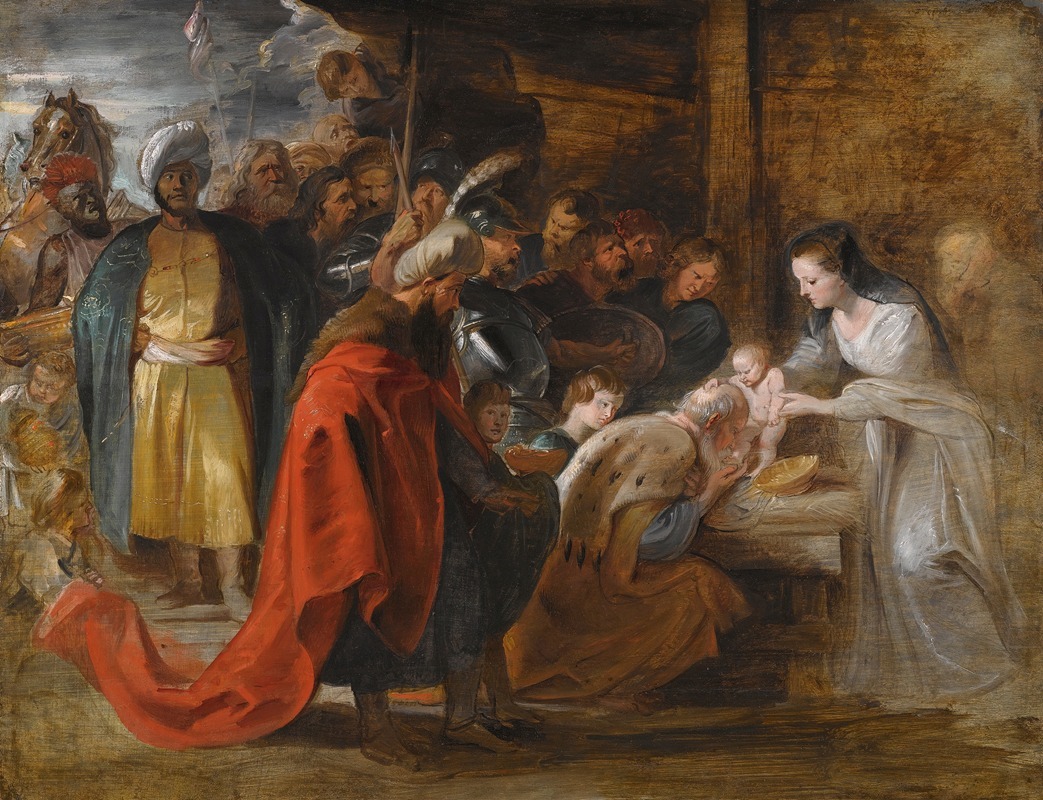
The Adoration Of The Magi
Peter Paul Rubens
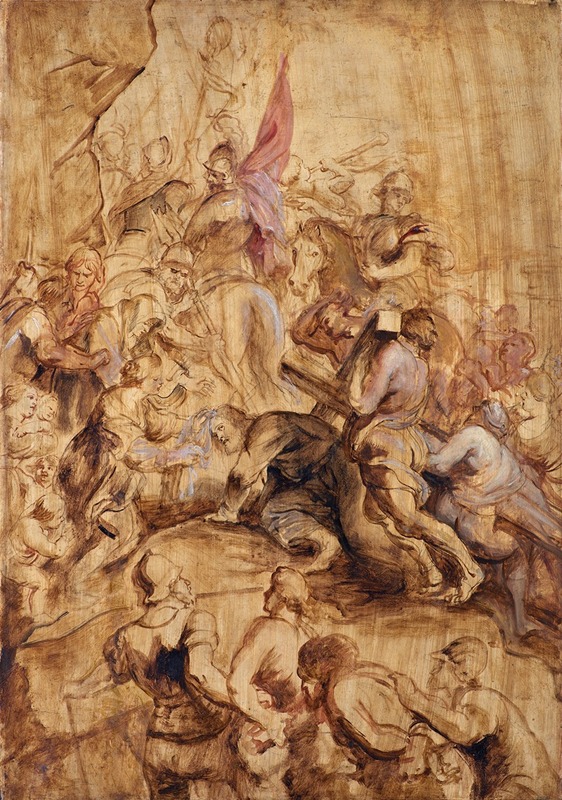
The Ascent to Calvary. The Bearing of the Cross
Peter Paul Rubens