
The Entrance to the Menai Straits — History & Facts
What secret hides in the quiet of the canvas? In the stillness of The Entrance to the Menai Straits, shadows weave a narrative that beckons deeper exploration. The muted hues evoke both tranquility and a sense of foreboding, as if the landscape holds tales untold. Look closely at the left side of the painting, where dark shadows stretch across the water's edge, hinting at the depth below. The gentle transition of colors from deep blues to lighter tones captures the essence of twilight, drawing the eye towards the horizon.
Each brushstroke exudes a meticulous precision, rendering the surrounding cliffs and trees with a tangible texture that contrasts sharply with the ethereal quality of the sky. The light dances delicately upon the rippling waves, inviting contemplation of both the beauty and the mysteries that lie just beneath the surface. The interplay of shadow and light in this piece conveys an emotional tension between serenity and hidden depths. The starkness of the silhouettes against the luminous sky suggests that not all is as it seems, urging the viewer to consider the unseen layers of reality.
The straits, a gateway to the unknown, serve as a metaphor for transition — both geographical and emotional — invoking a sense of journey and discovery. James Baker Pyne created this work during a period marked by his deep engagement with landscape painting, reflecting the romantic ideals of the time. Though the exact date remains unknown, it aligns with a broader movement in the 19th century that celebrated nature's beauty and grandeur. Pyne's meticulous technique and attention to atmospheric effects were significant during this evolution in British art, positioning him as a notable figure among contemporary landscape artists.
More Artworks by James Baker Pyne
Browse all →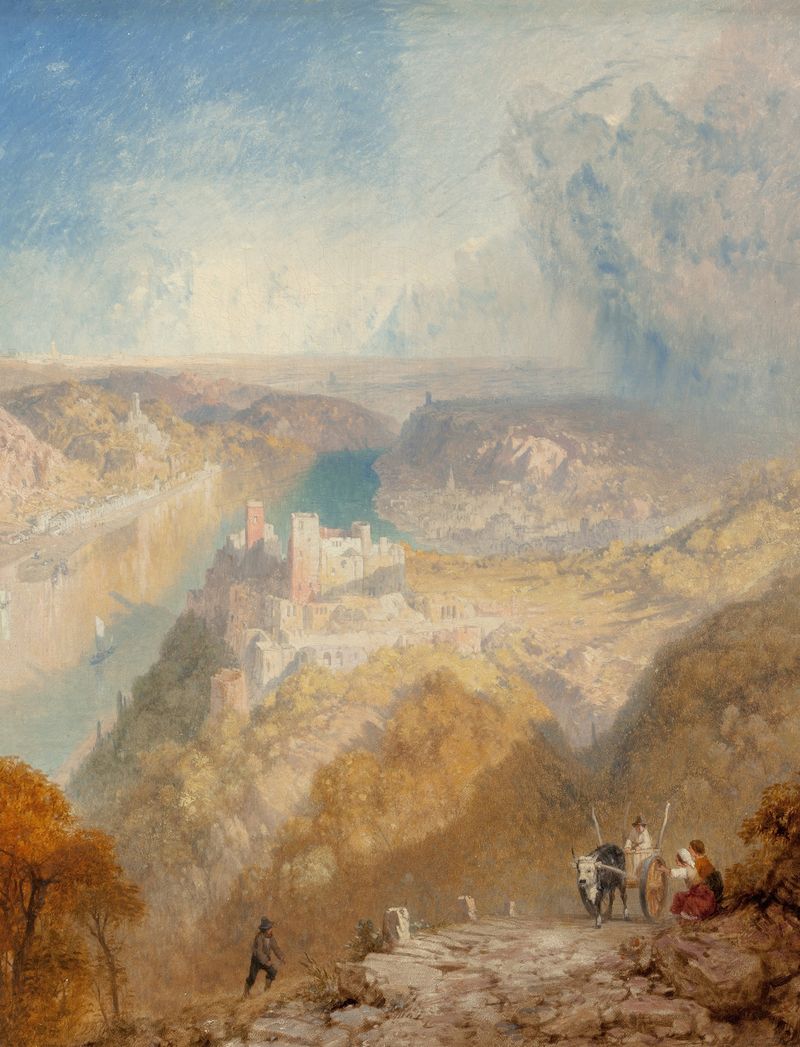
The Castle of Rheinstein
James Baker Pyne
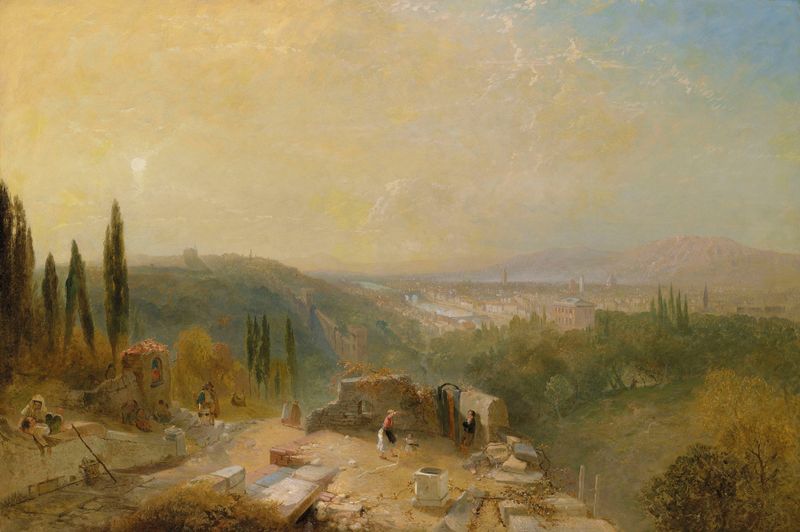
A view of Florence, from San Miniato
James Baker Pyne
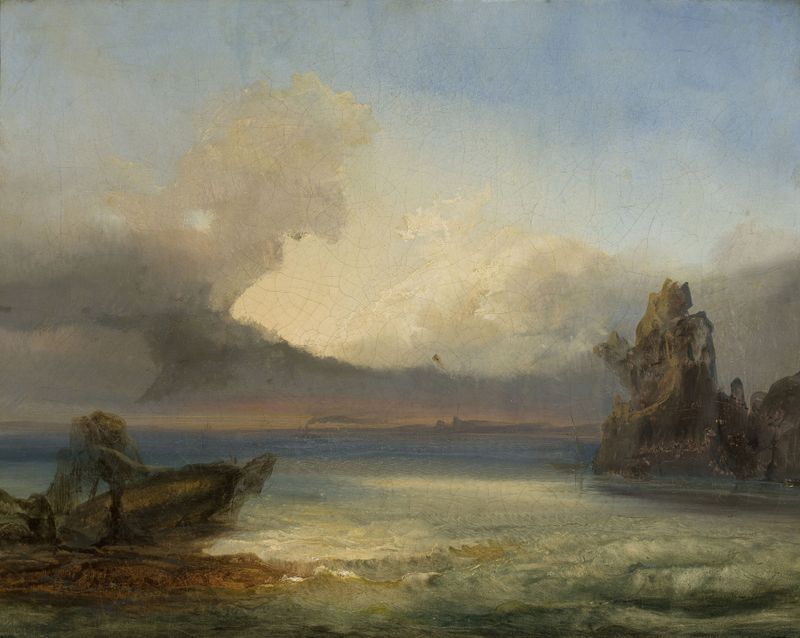
Marine landscape
James Baker Pyne
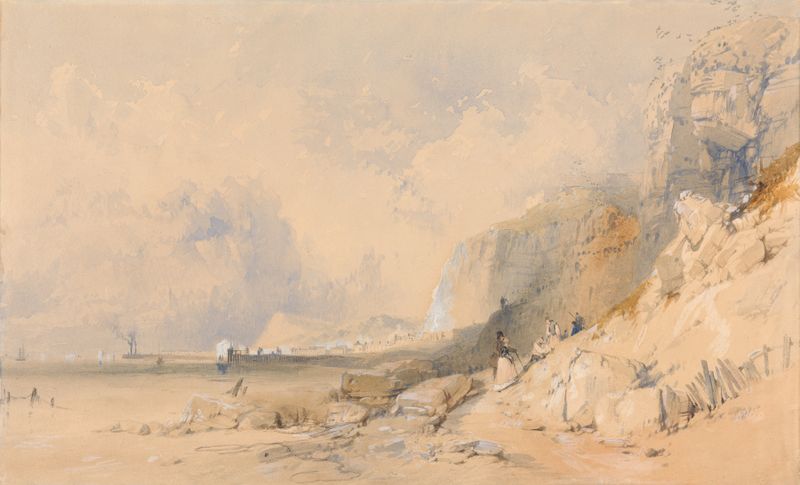
Figures on a Cliff Path near Dover
James Baker Pyne
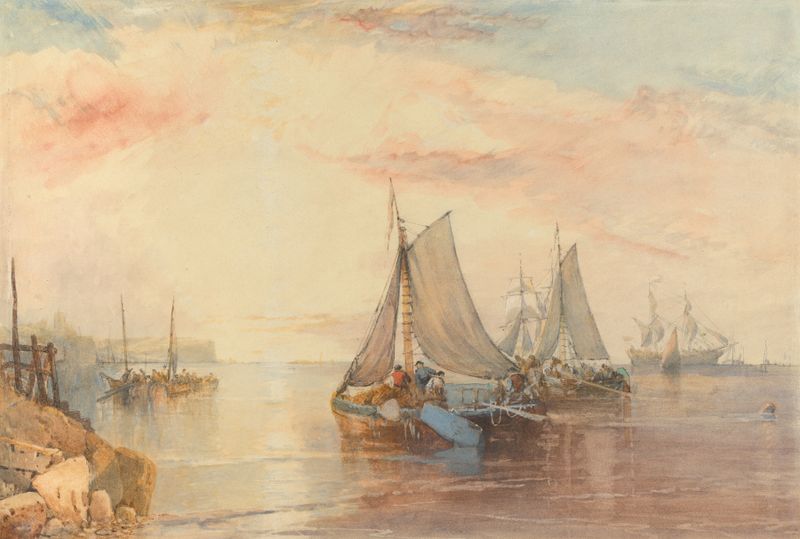
Shipping in a Calm
James Baker Pyne
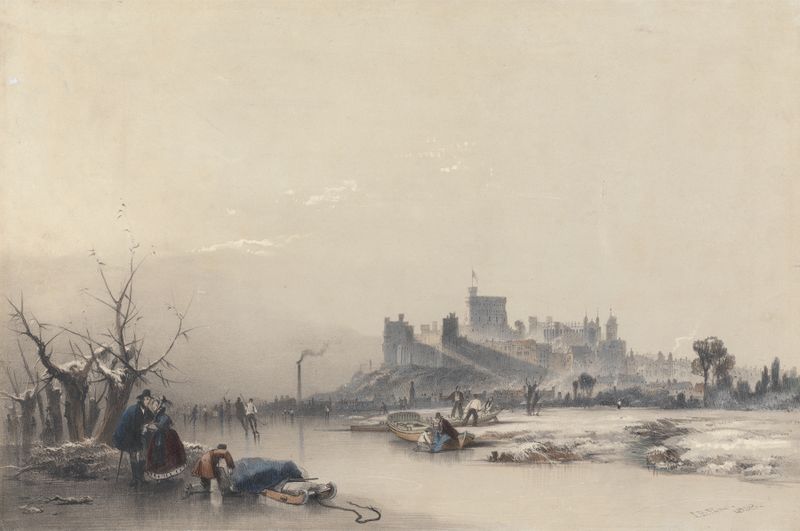
Windsor Castle from the Frozen River during the Great Frost
James Baker Pyne
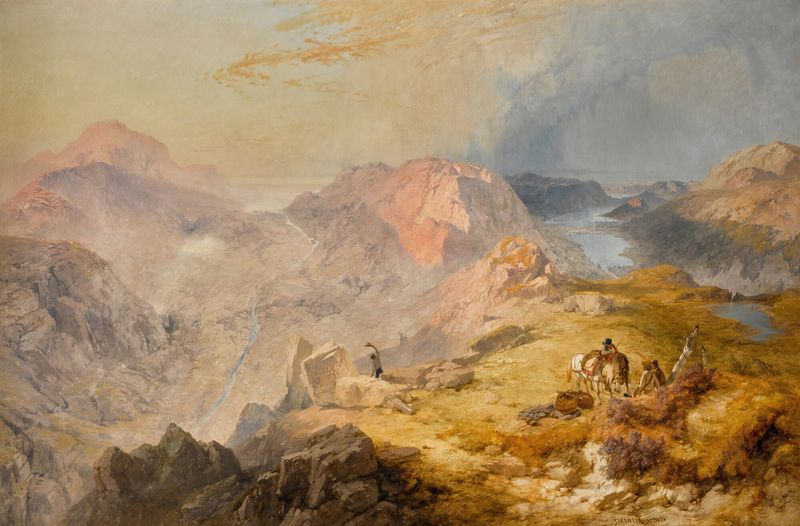
The Vales Of Ennerdale And Buttermere With Their Lakes And Those Of Crummock And Loweswater
James Baker Pyne
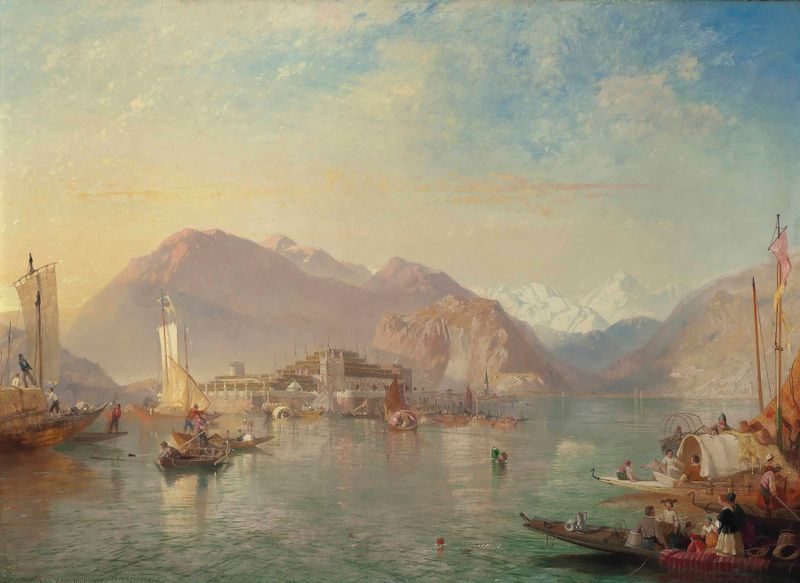
Isola Bella, Lake Maggiore, Italy
James Baker Pyne
Pallanza on Lake Maggiore
James Baker Pyne
Barges on a river
James Baker Pyne





