
The Erebus Passing Through the Chain of Icebergs — History & Facts
Obsession can grip the soul like the cold of the Arctic, freezing time and altering perception. In The Erebus Passing Through the Chain of Icebergs, the interplay of ice and water captures a moment of profound stillness, evoking questions about exploration and the search for understanding in a world both beautiful and perilous. Look to the left where a towering iceberg looms, its jagged edges reflecting the varying hues of blue and white that define this frigid landscape. The ship, Erebus, is anchored in the foreground, its presence a stark contrast to the natural grandeur around it.
Notice how the light dances across the icy surfaces, creating a shimmering effect that breathes life into the scene, while the gentle waves hint at the latent power of the ocean. The precision of the brushwork reveals the artist’s deep commitment to detail, capturing not just the physicality of the scene but the ethereal quality of this remote world. Hidden beneath the surface of this pristine ice is a tension between the explorer's ambition and the vast, indifferent forces of nature. The ship’s sturdy hull symbolizes human resilience and endeavor, yet the immense icebergs serve as a reminder of nature's supremacy and our vulnerability.
Furthermore, the cool color palette mirrors the isolation felt in these untouched regions, evoking both admiration and trepidation for the unknown. During the time The Erebus Passing Through the Chain of Icebergs was created, Charles Hamilton Smith was deeply involved in the study of natural history and Arctic exploration. At this point in the early 19th century, the fascination with polar expeditions was at its peak, often driven by the desire to map uncharted territories. Smith's passion for both art and science converged, enabling him to document the breathtaking beauty and inherent dangers of these icy expanses.
More Artworks by Charles Hamilton Smith
Browse all →
Situation of H.M.S. Hecla & Griper
Charles Hamilton Smith
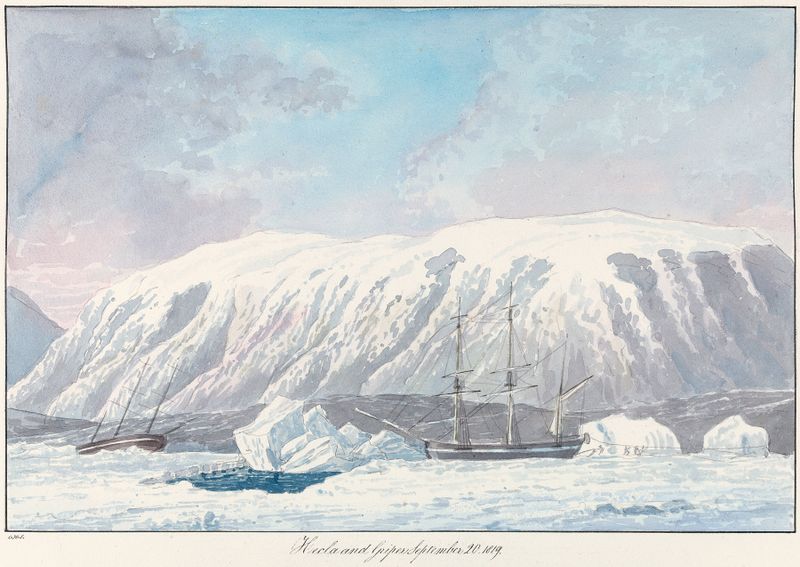
Hecla and Griper
Charles Hamilton Smith

Friendly Cove, Nootka Sound
Charles Hamilton Smith

Iceberg in Baffin’s Bay
Charles Hamilton Smith
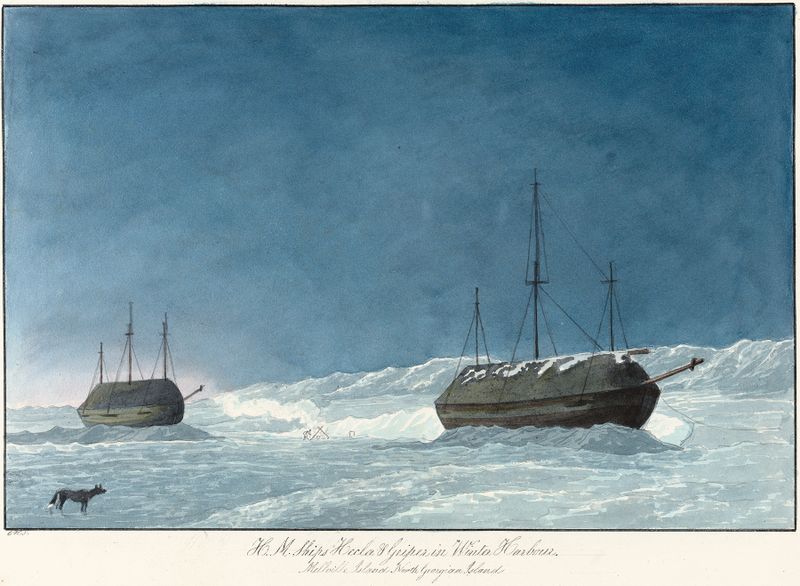
H. M. Ships Hecla and Griper in Winter Harbour
Charles Hamilton Smith

The Erebus & Terror in a Gale in the Pack of the Ice
Charles Hamilton Smith
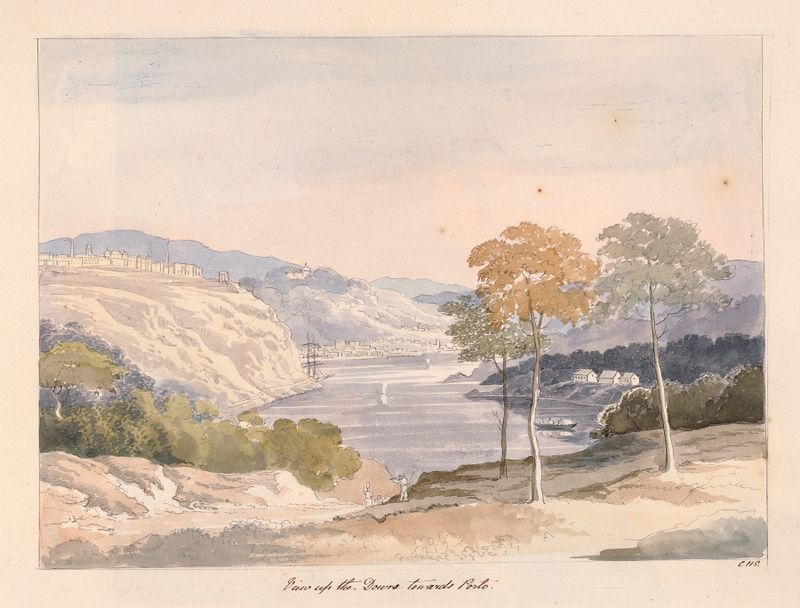
View of the Douro towards Porto
Charles Hamilton Smith
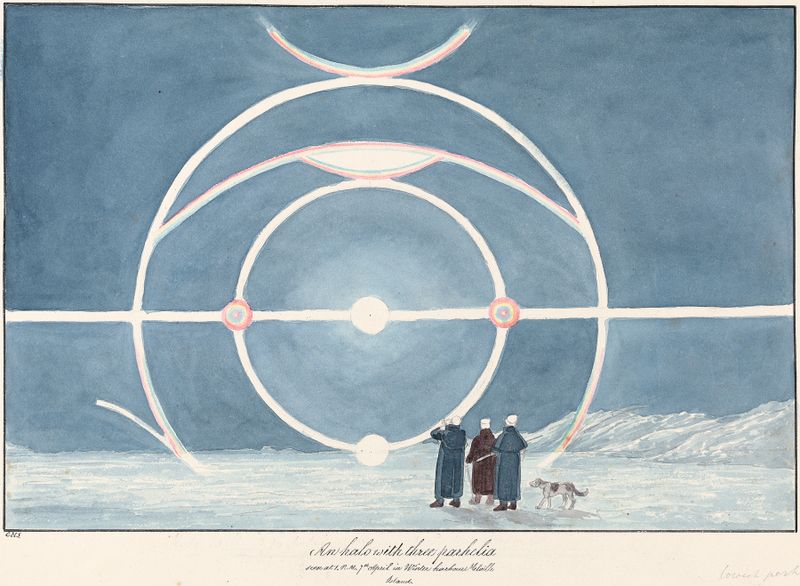
Halo with Three Parhelia, Winter Harbour Melville Island
Charles Hamilton Smith
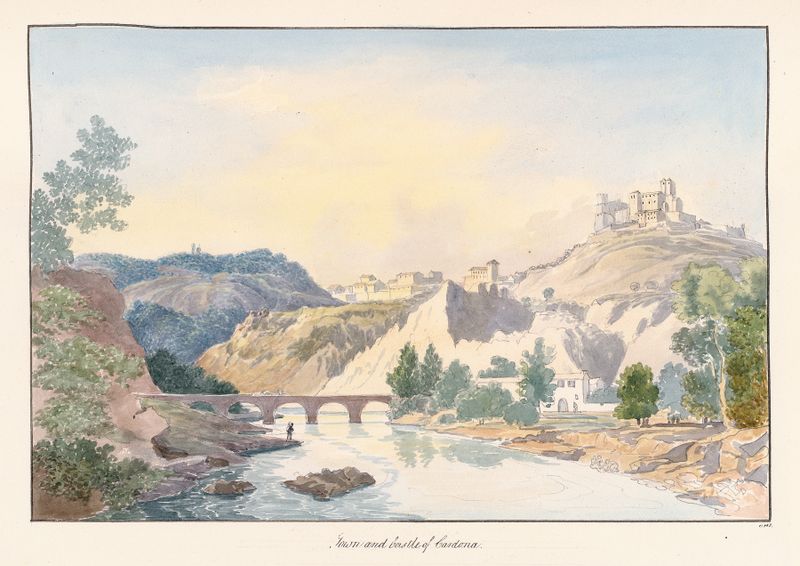
Town and Castle of Cardona
Charles Hamilton Smith
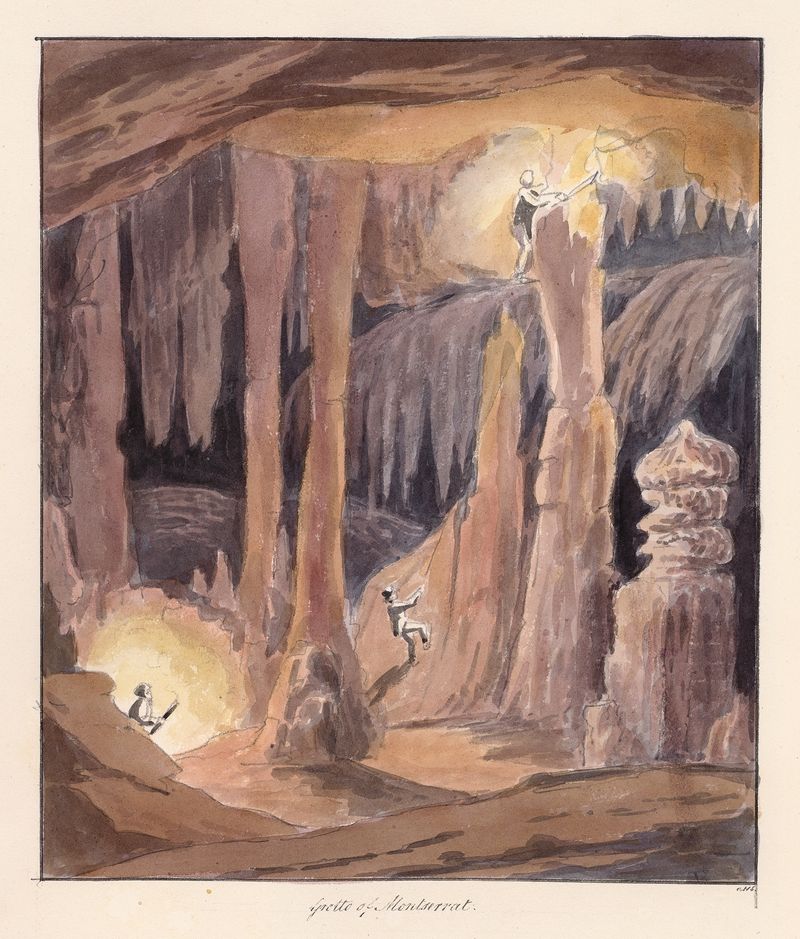
Grotto of Montserrat
Charles Hamilton Smith





