
The Evening of the Deluge — History & Facts
Can paint confess what words never could? In The Evening of the Deluge, the canvas whispers of innocence lost amidst nature's ferocity, capturing the moment when calm succumbs to chaos. Look to the left at the darkening sky, where roiling clouds are tinged with deep oranges and grays, a harbinger of the tempest. The swirling winds seem to lift the figures below, their anguished expressions caught in a fleeting moment of despair. Notice how the light, both eerie and sublime, bathes the scene — illuminating the figures and the tumultuous waters that threaten to engulf them.
The use of color contrasts sharply, emphasizing the fragility of life against the overwhelming force of nature. As the storm brews, the juxtaposition of innocence and impending disaster resonates throughout the piece. The chaotic brushwork suggests movement and sound, while the figures, perhaps naive in their trust of the world around them, become symbols of vulnerability. Each stroke adds to the emotional tension, inviting contemplation on the relationship between humanity and the sublime power of nature — an eternal dance of despair and awe. Joseph Mallord William Turner painted this work around 1843, a time when he was deeply engaged in exploring the relationships between light, atmosphere, and emotion.
In an era marked by industrialization and upheaval, the artist’s focus shifted towards capturing the sublime and the elemental forces that shape human experience. This work reflects not only his personal evolution but also the broader artistic movement, as Romanticism sought to delve into the depths of feeling through the uncertainty of nature.
More Artworks by Joseph Mallord William Turner
Browse all →
Dort or Dordrecht- The Dort Packet-Boat from Rotterdam Becalmed
Joseph Mallord William Turner
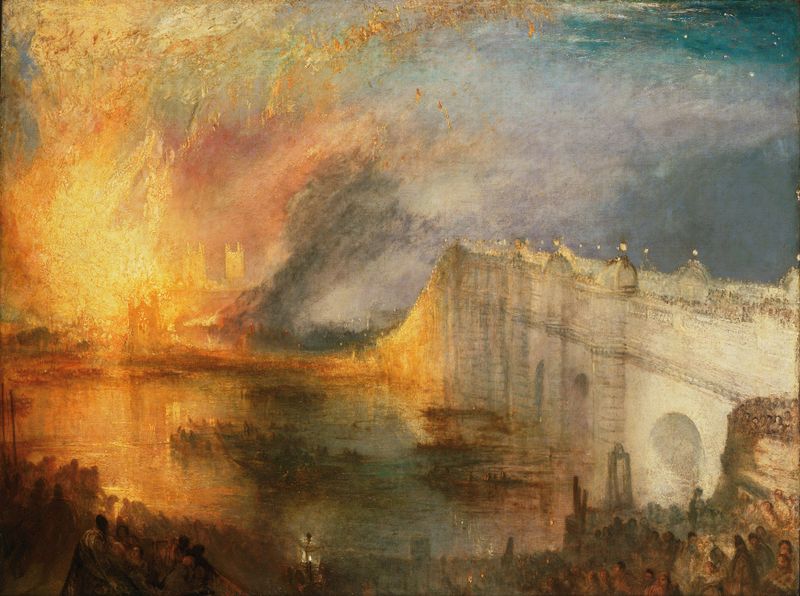
The Burning of the Houses of Lords and Commons, October 16, 1834
Joseph Mallord William Turner
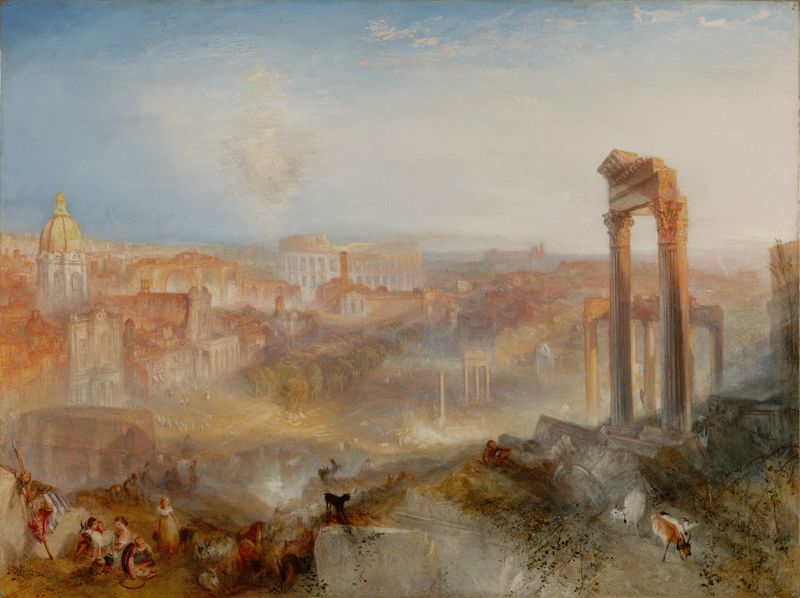
Modern Rome – Campo Vaccino
Joseph Mallord William Turner
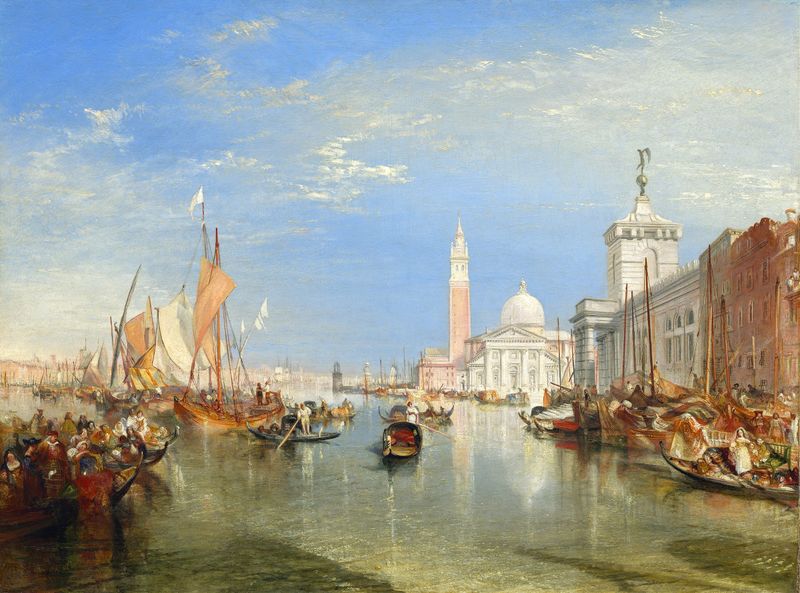
Venice – The Dogana and San Giorgio Maggiore
Joseph Mallord William Turner

The Burning of the Houses of Lords and Commons, 16 October 1834
Joseph Mallord William Turner
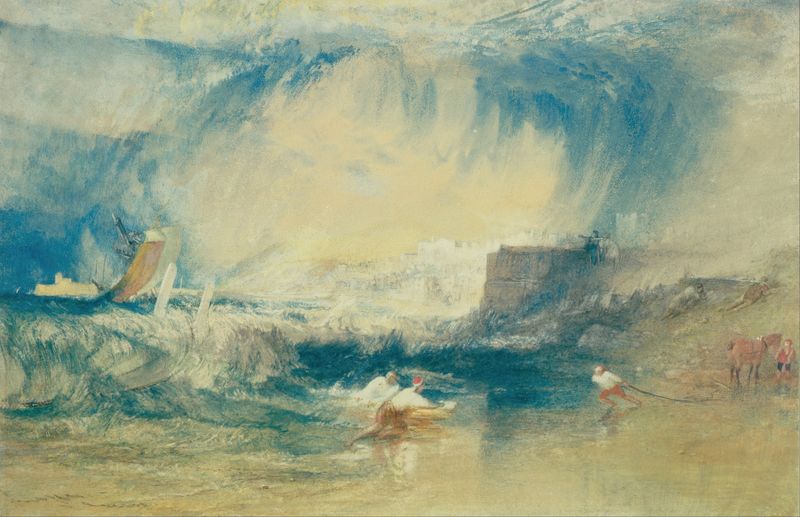
Lyme Regis, Dorsetshire, England
Joseph Mallord William Turner
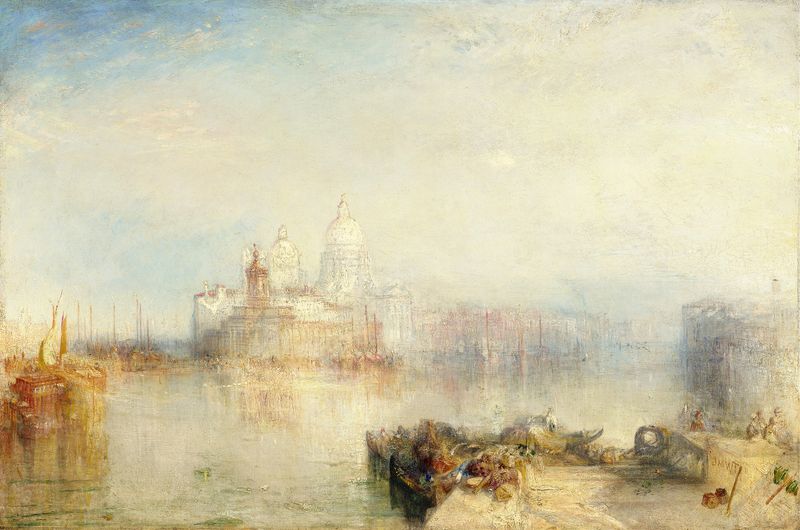
The Dogana and Santa Maria della Salute, Venice
Joseph Mallord William Turner
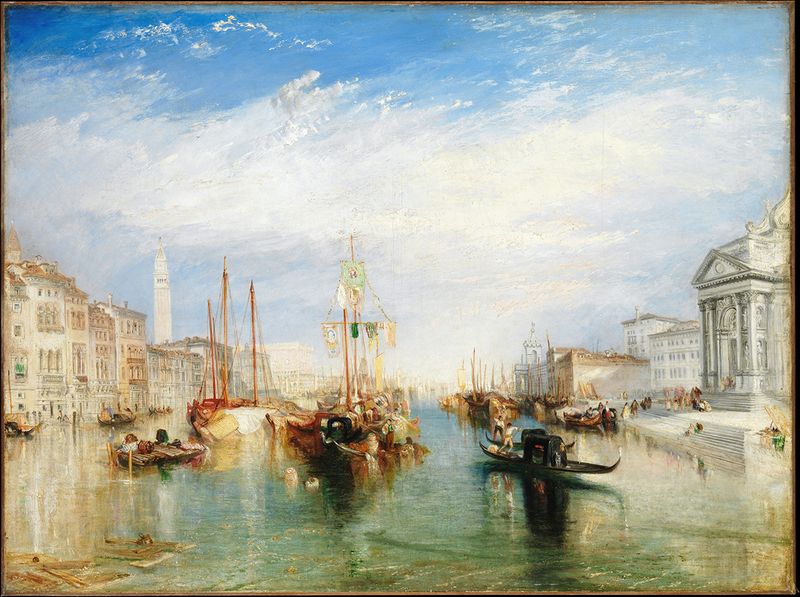
Venice, from the Porch of Madonna della Salute
Joseph Mallord William Turner
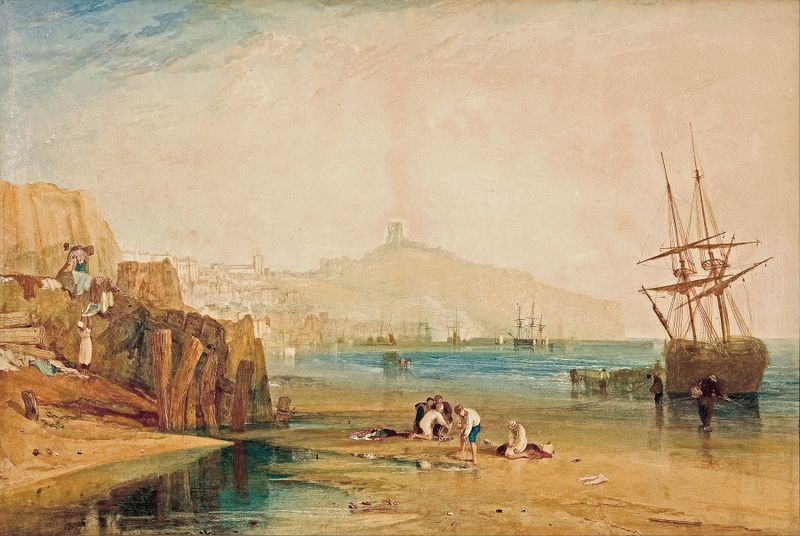
Scarborough town and castle; morning; boys catching crabs
Joseph Mallord William Turner
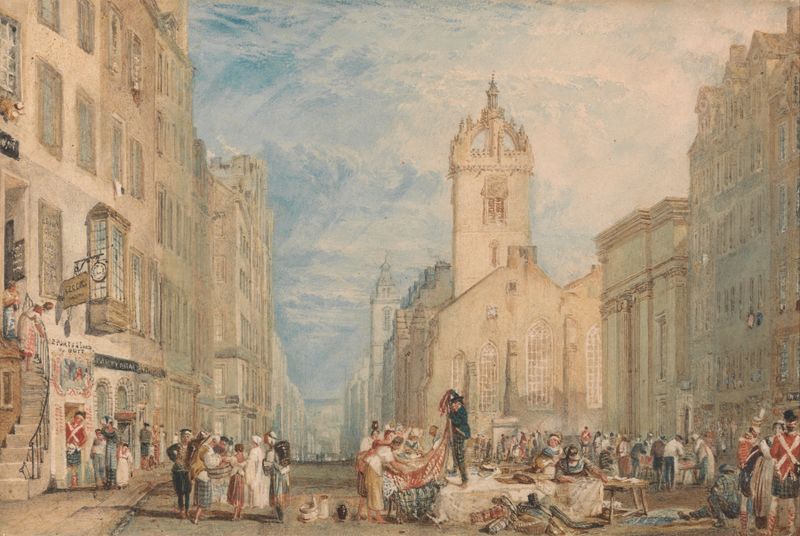
High Street, Edinburgh
Joseph Mallord William Turner





