
The Farm — History & Facts
When did color learn to lie? In the soft embrace of light, deception blooms, revealing truths hidden beneath vibrant hues. The interplay of color can evoke nostalgia while masking deeper emotions, making us question what we perceive in our own lives. Look to the left at the burst of golden wheat swaying gently under a tender breeze, each stalk painted with meticulous strokes that radiate warmth. The palette, a symphony of greens and ochres, draws the eye toward the central farmhouse, its muted browns standing in stark contrast to the lively landscape.
Notice how the dappled sunlight filters through the trees, casting playful shadows that dance across the soil, grounding the scene in a tangible reality while inviting contemplation of its deeper significance. In this piece, the juxtaposition of the tranquil rural setting with hints of a deeper melancholy stirs the viewer's heart. The idyllic depiction of the farm conceals the complexities of rural life—hard work, isolation, and the harshness of nature. Each brushstroke invites us to ponder the interplay of serenity and struggle, a reminder that even in beauty, there can lie an underlying tension. Painted between 1887 and 1893, this work emerged during a transformative period for American art.
Weir was deeply influenced by the Impressionist movement, which emphasized capturing fleeting moments through color and light. At that time, the burgeoning American art scene was embracing new techniques and styles, pushing boundaries while reflecting the changing landscape of the nation—both literally and figuratively.
More Artworks by Julian Alden Weir
Browse all →
My Back Yard no. 1
Julian Alden Weir
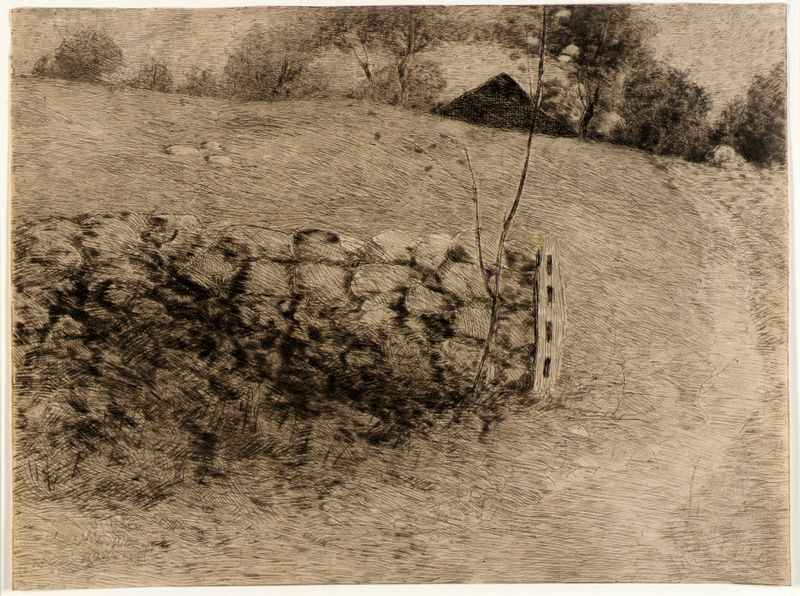
The Barn Lot
Julian Alden Weir

The Webb Farm
Julian Alden Weir
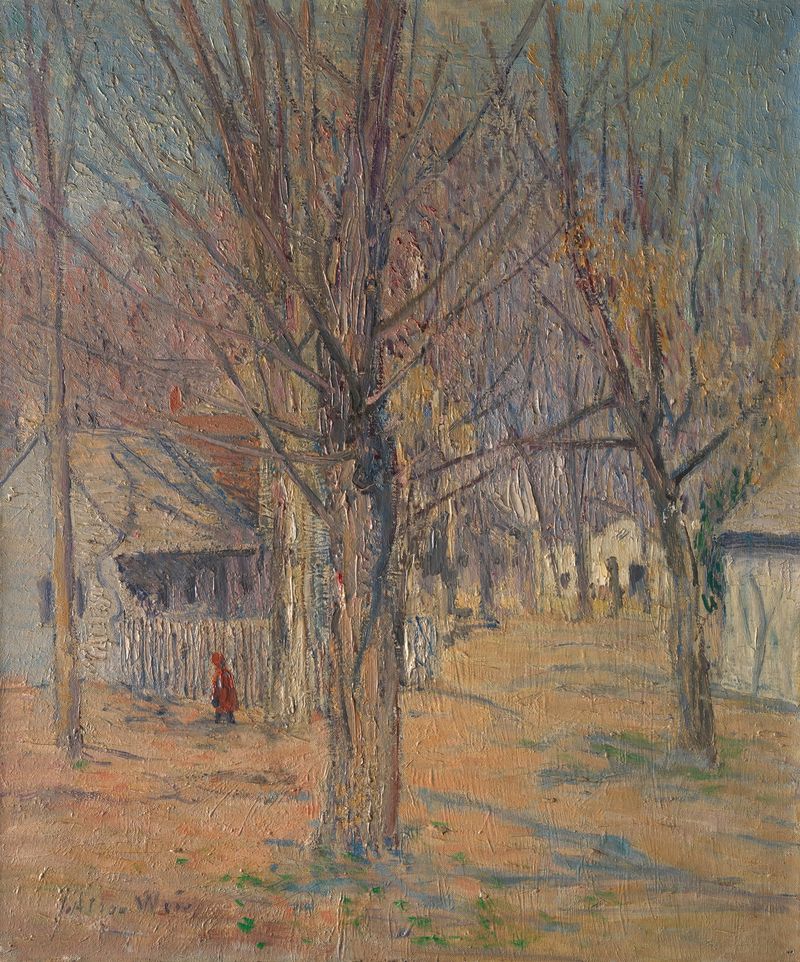
Connecticut Village (Going to School)
Julian Alden Weir

The Stone Bridge
Julian Alden Weir

The Webb Farm 2
Julian Alden Weir
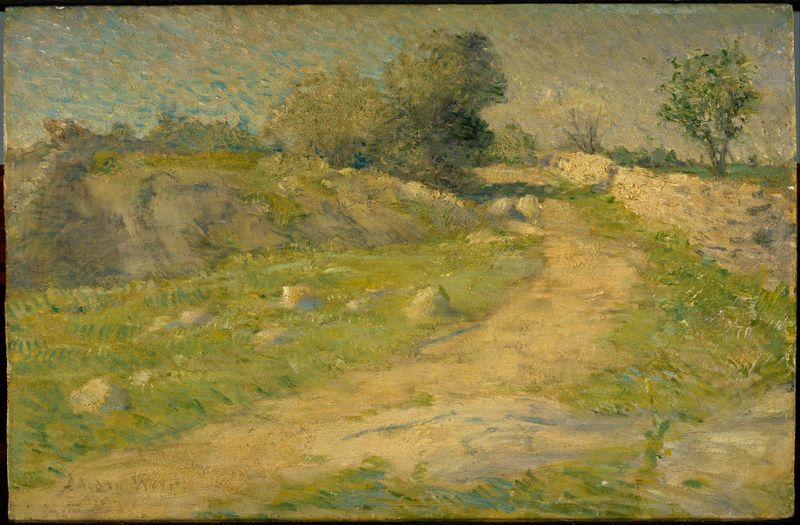
The Lane
Julian Alden Weir
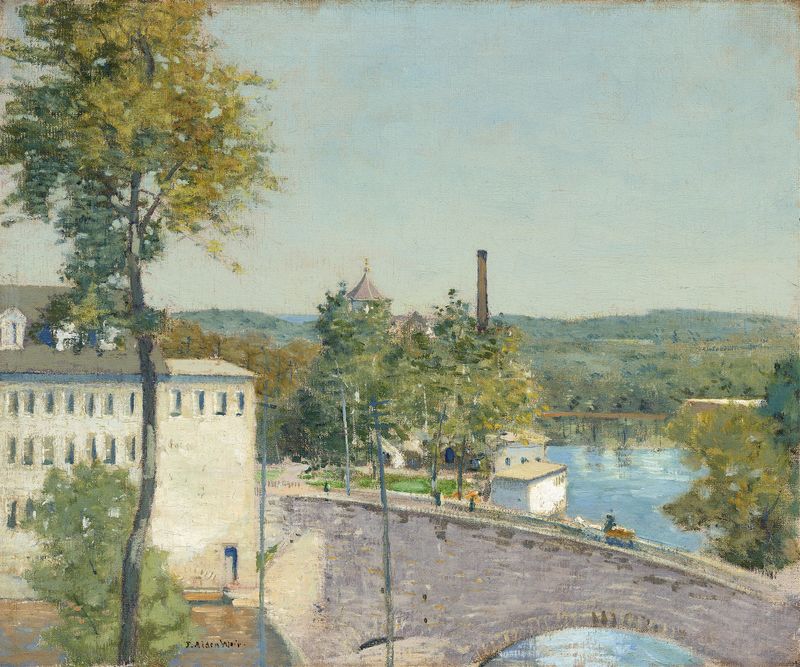
U.S. Thread Company Mills,Willimantic,Connecticut
Julian Alden Weir

Neighboring Farm
Julian Alden Weir

Coon Alley
Julian Alden Weir





