The Farmhouse — History & Facts
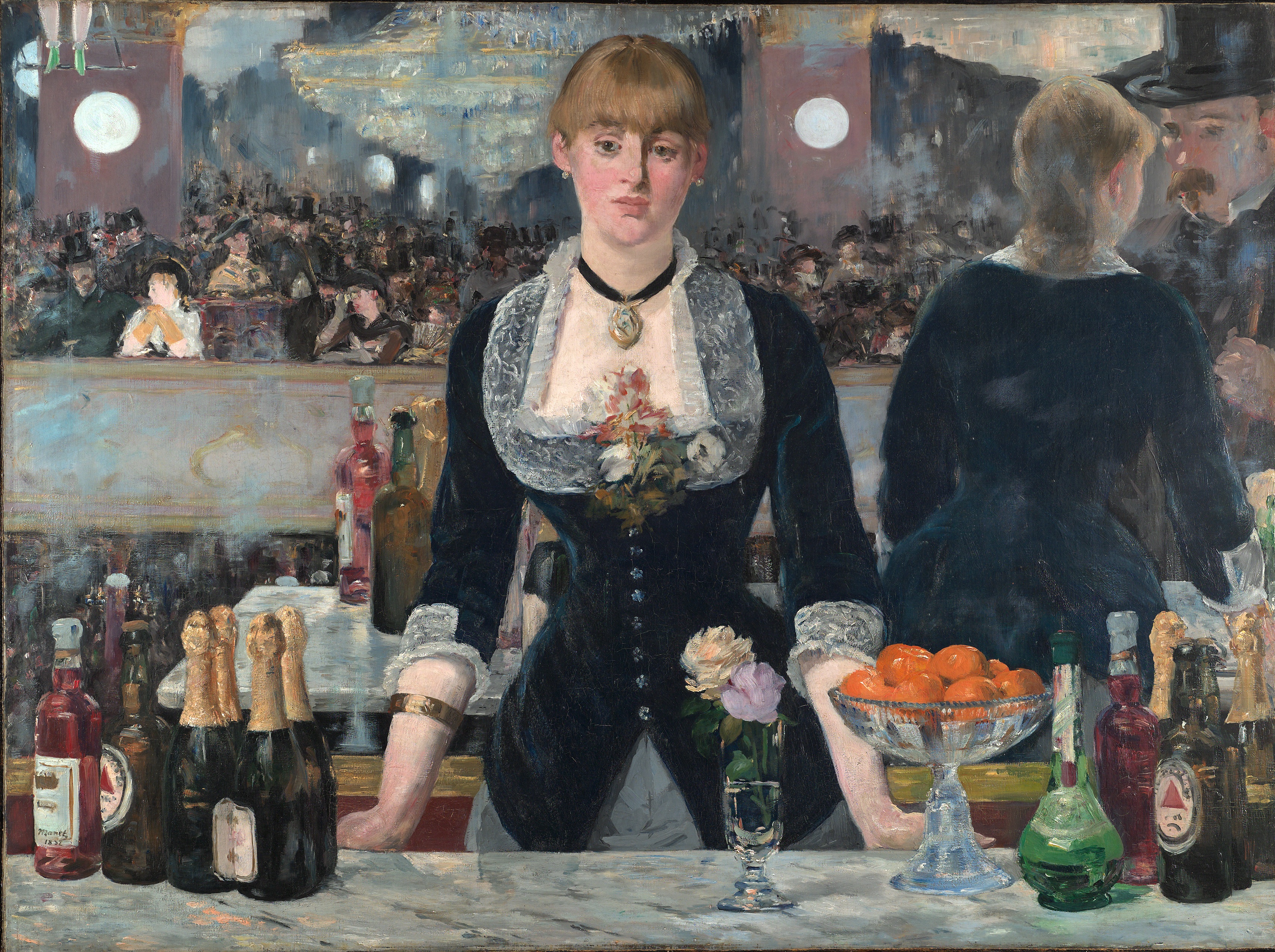
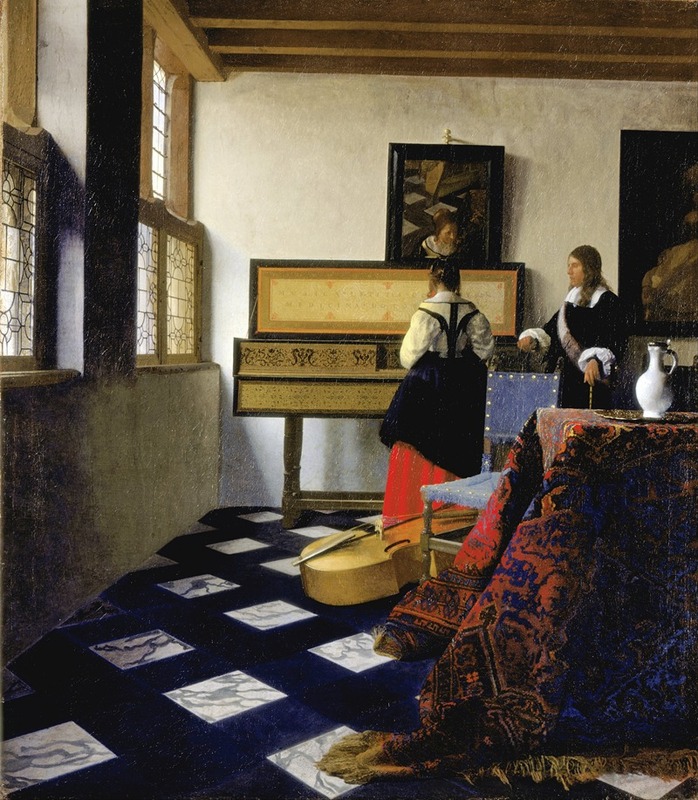
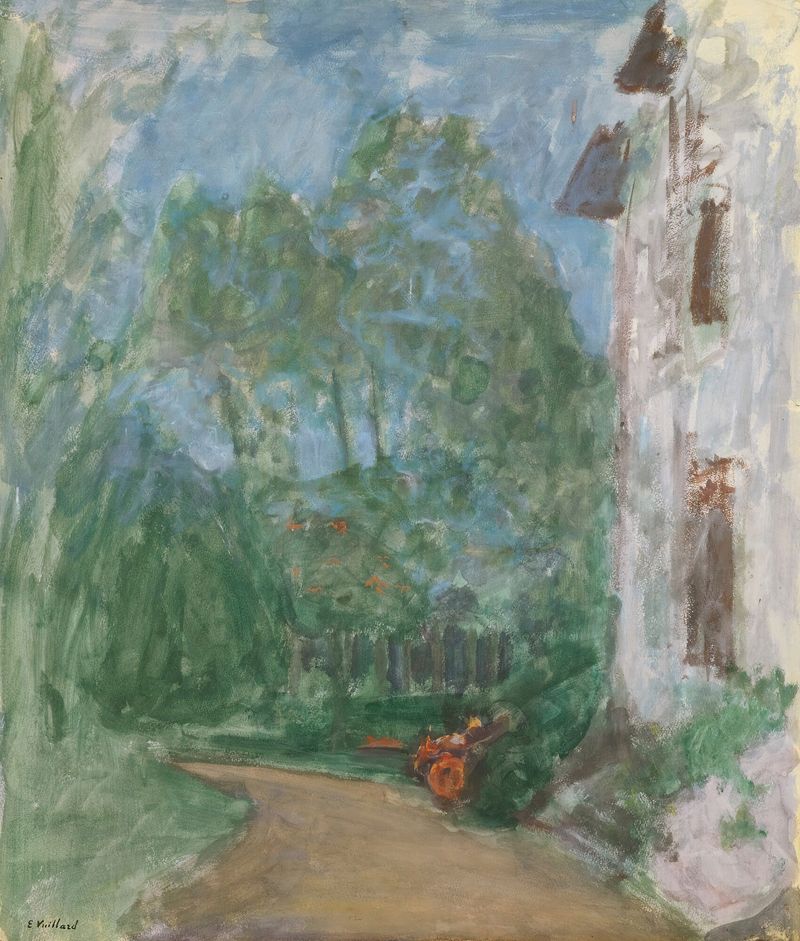
Can beauty exist without sorrow? In The Farmhouse, the delicate interplay of light and shadow suggests that joy and melancholy dance together in the quiet moments of life. Look to the left at the soft hues of ochre and muted greens that envelop the farmhouse, grounding the scene in a sense of familiarity and warmth. Notice how the light spills through the window, creating a gentle illumination that bathes the interior, inviting the viewer to step into this intimate space. The brushwork is both textured and delicate, conveying the richness of the surroundings while hinting at the fragility of domestic life. In the details, subtle contrasts emerge.
The lively patterns of fabric juxtaposed against the stillness of the furniture suggest the dichotomy between domestic chaos and serene solitude. Each brushstroke weaves a narrative of daily life, yet the absence of figures evokes a loneliness that resonates deeply, reflecting the emotional weight often carried within a seemingly idyllic setting. This balance between joy and sorrow defines the essence of existence, capturing the complexity of human experiences. Vuillard painted this work during a period marked by a shift towards intimacy in art, often influenced by the Symbolist movement.
Working primarily in Paris around the late 19th century, he sought to convey the warmth of domesticity while grappling with feelings of isolation. His approach combined a fascination with everyday life and the nuanced emotions that lie beneath the surface, making a significant impact on the development of modern art.
More Artworks by Édouard Vuillard
Browse all →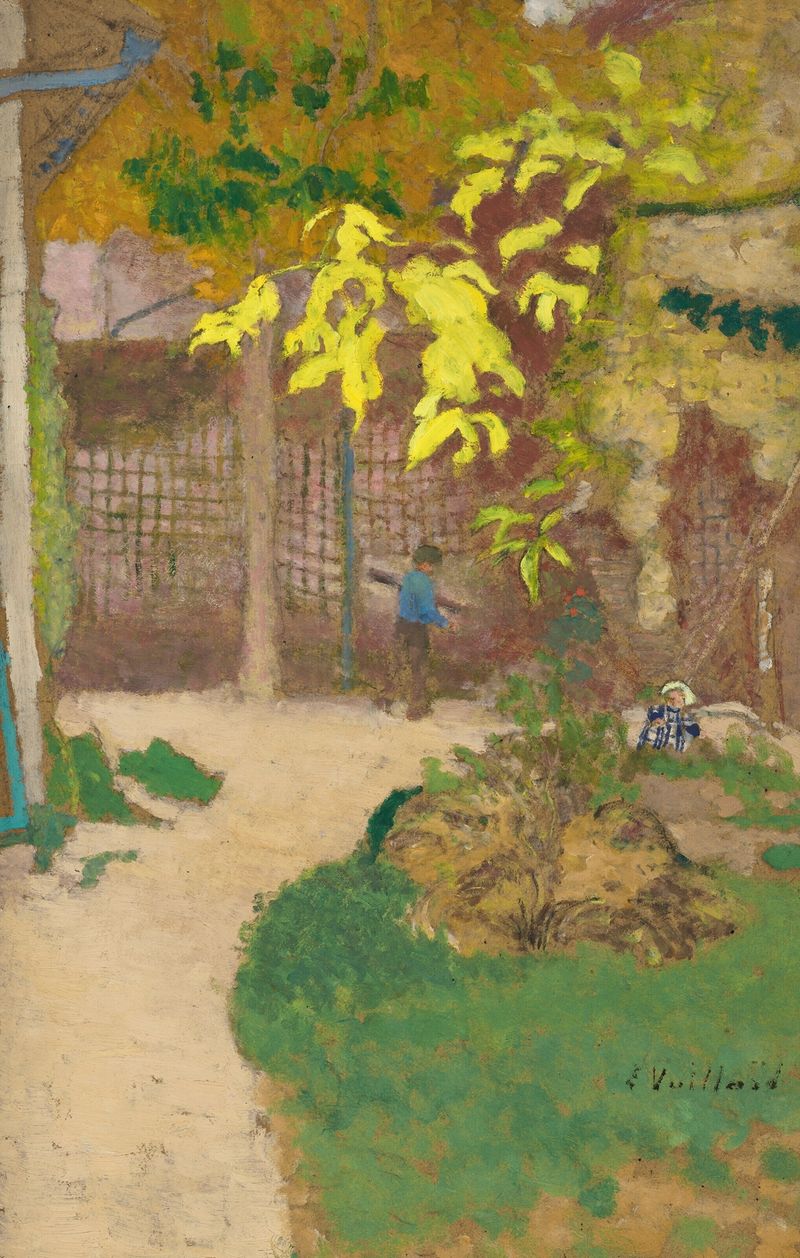
Le Jardin
Édouard Vuillard
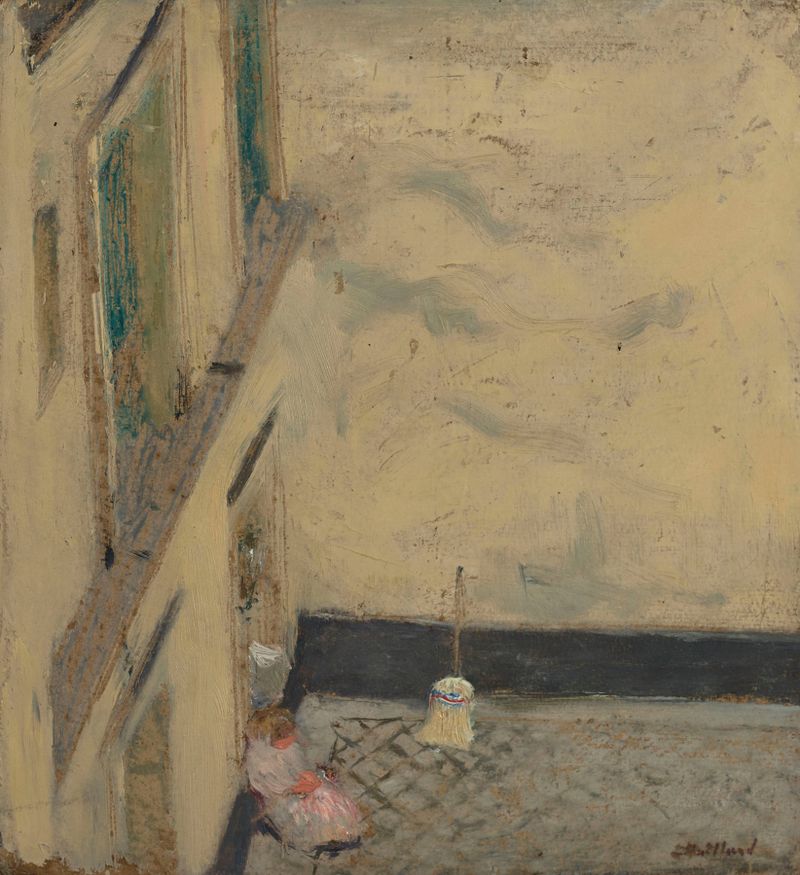
Le Balai dans la cour, 346 rue Saint-Honoré
Édouard Vuillard

Place Vintimille
Édouard Vuillard
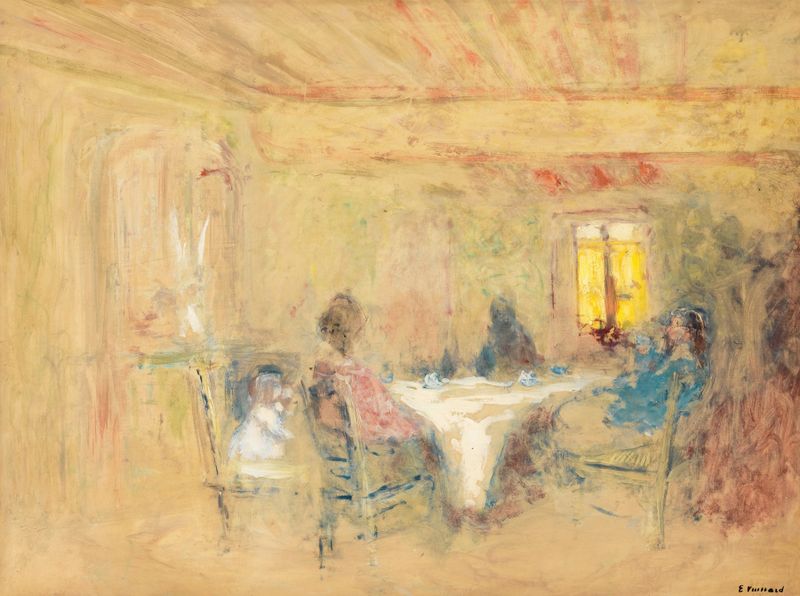
À Table
Édouard Vuillard
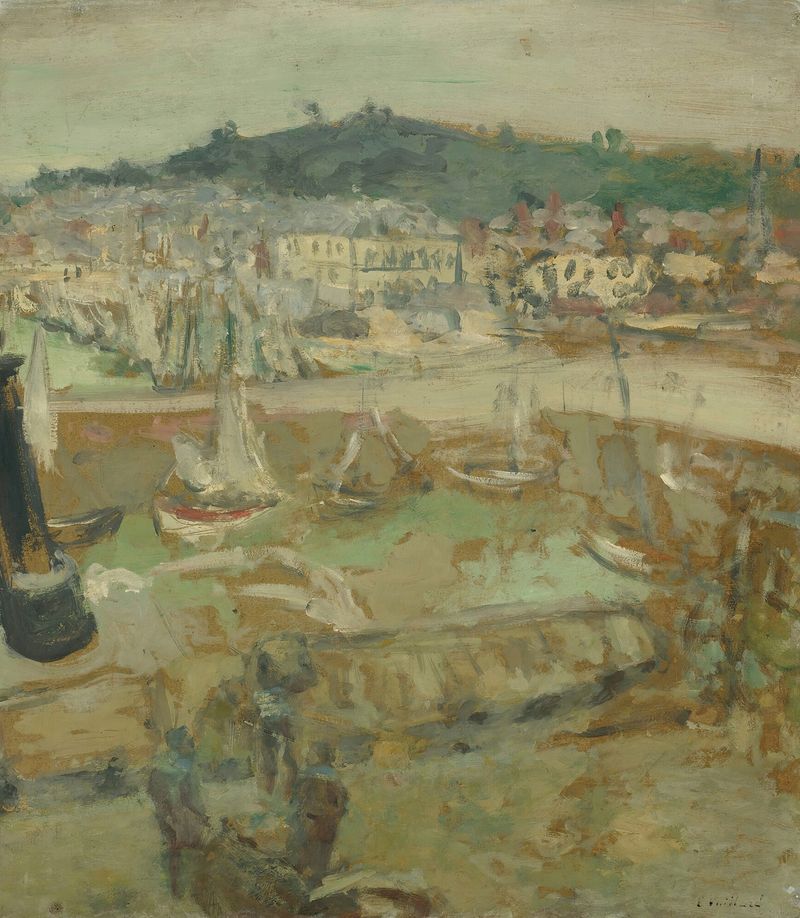
Le Petit Port, Honfleur
Édouard Vuillard
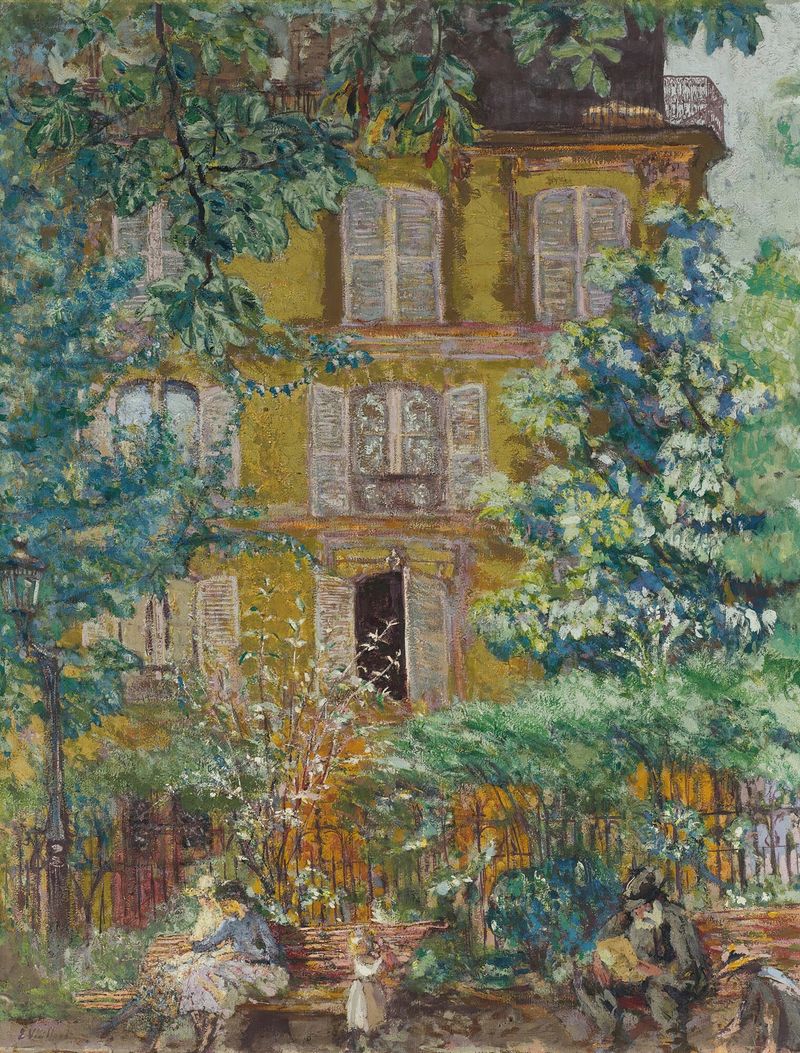
Le Square
Édouard Vuillard

Les Toits Mauves
Édouard Vuillard
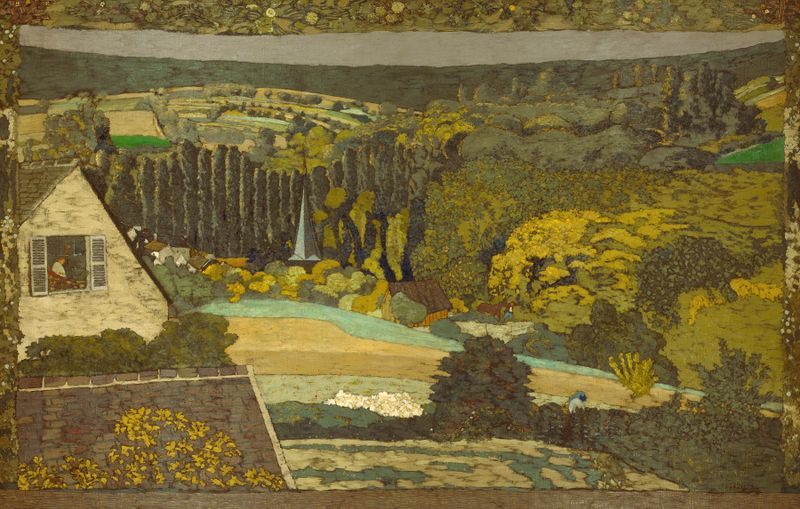
Landscape; Window Overlooking the Woods
Édouard Vuillard
Le Chemin Devant La Maison
Édouard Vuillard

La Grève
Édouard Vuillard