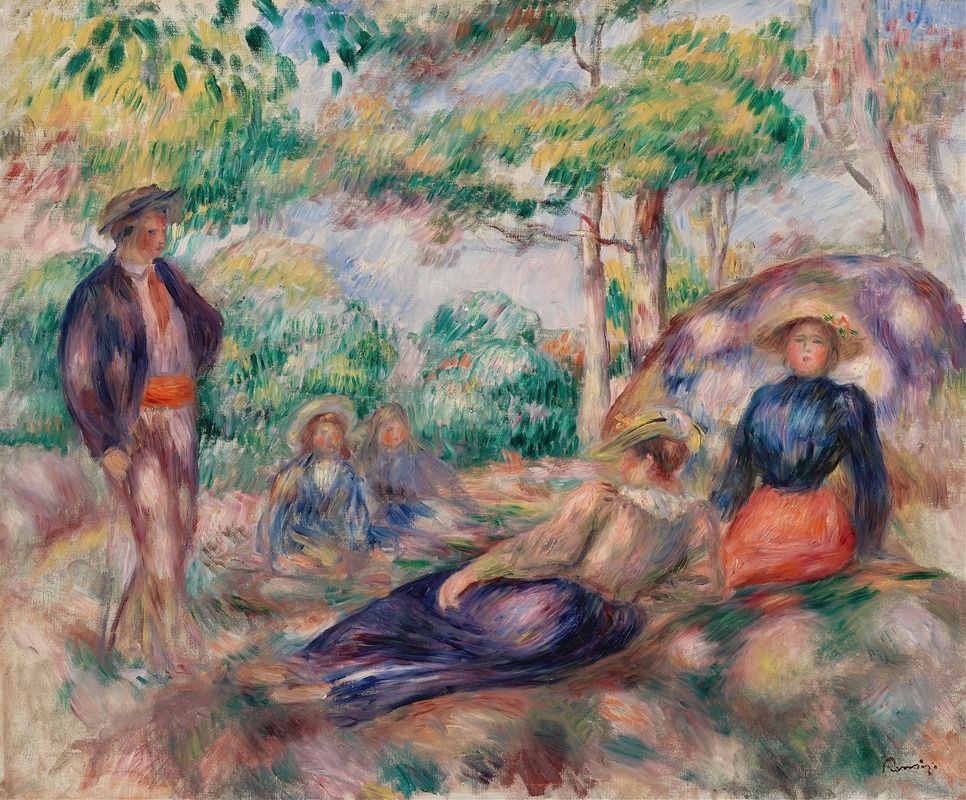
Discover insights about this artwork
The Feast of Love — History & Facts
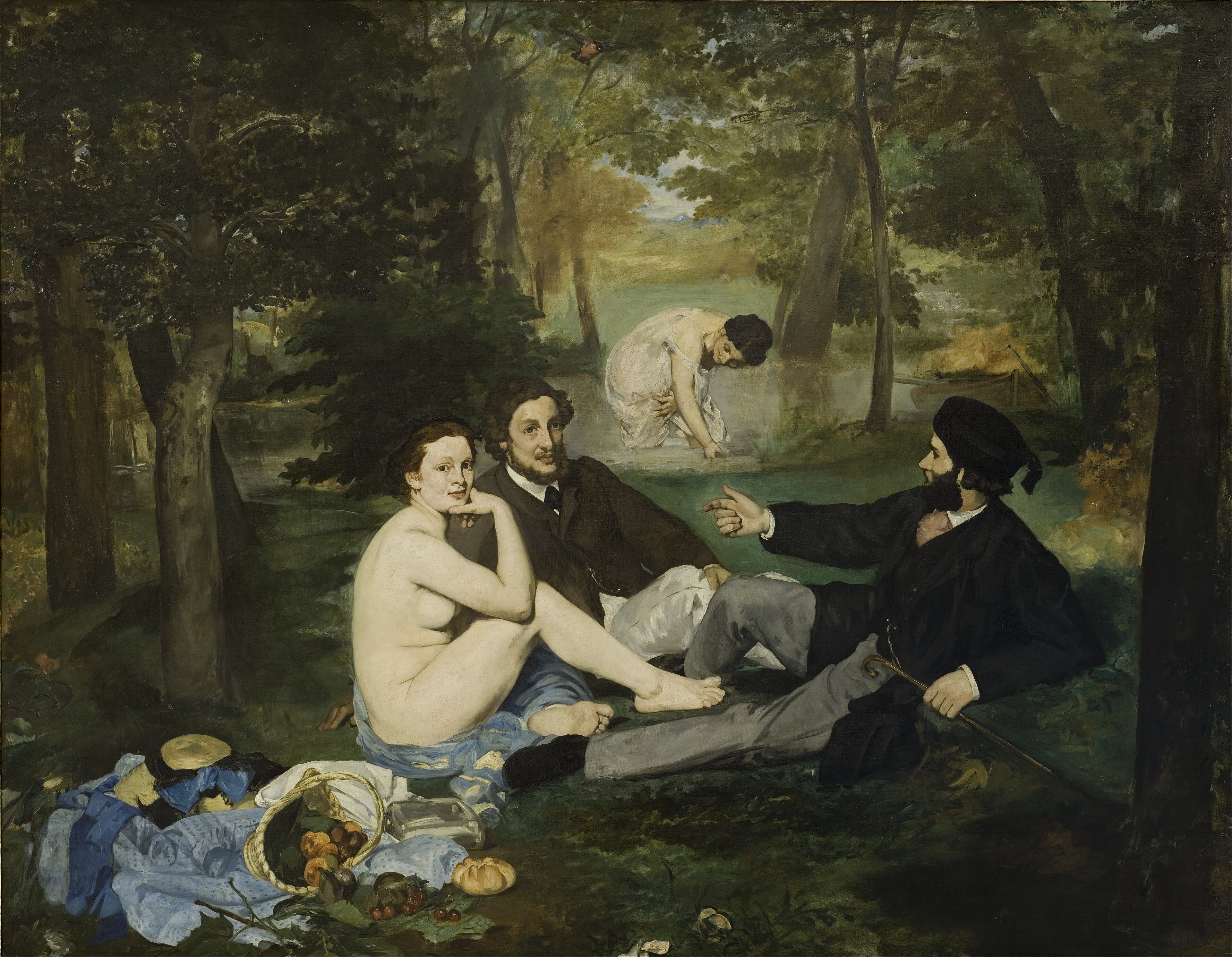
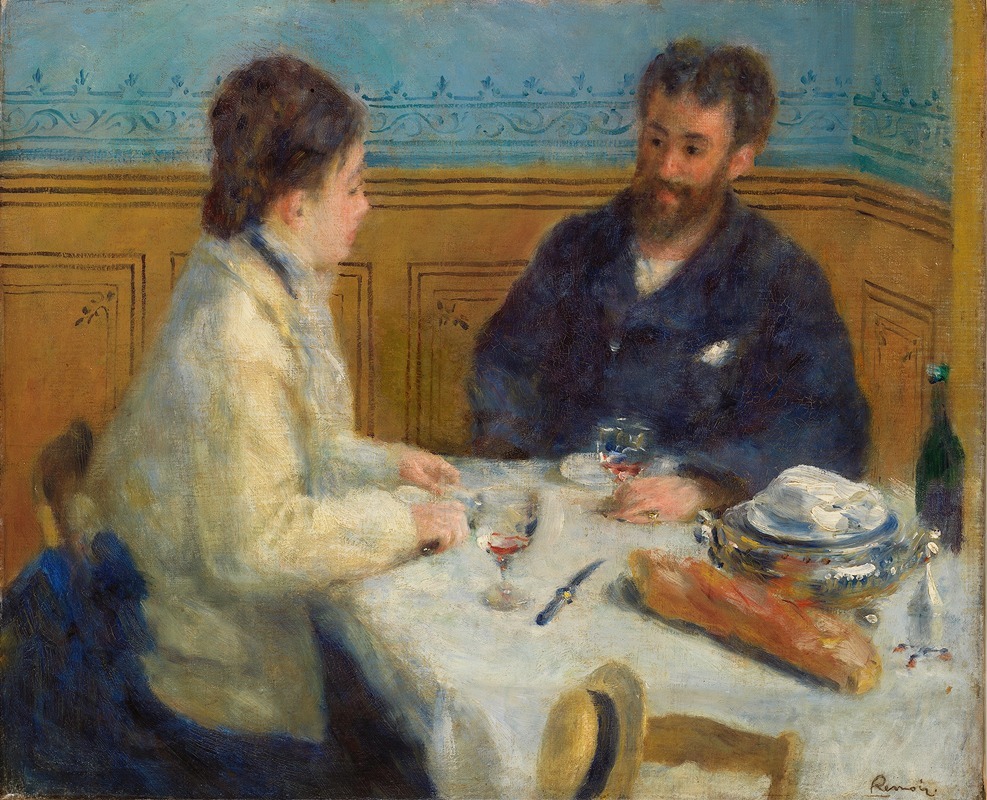
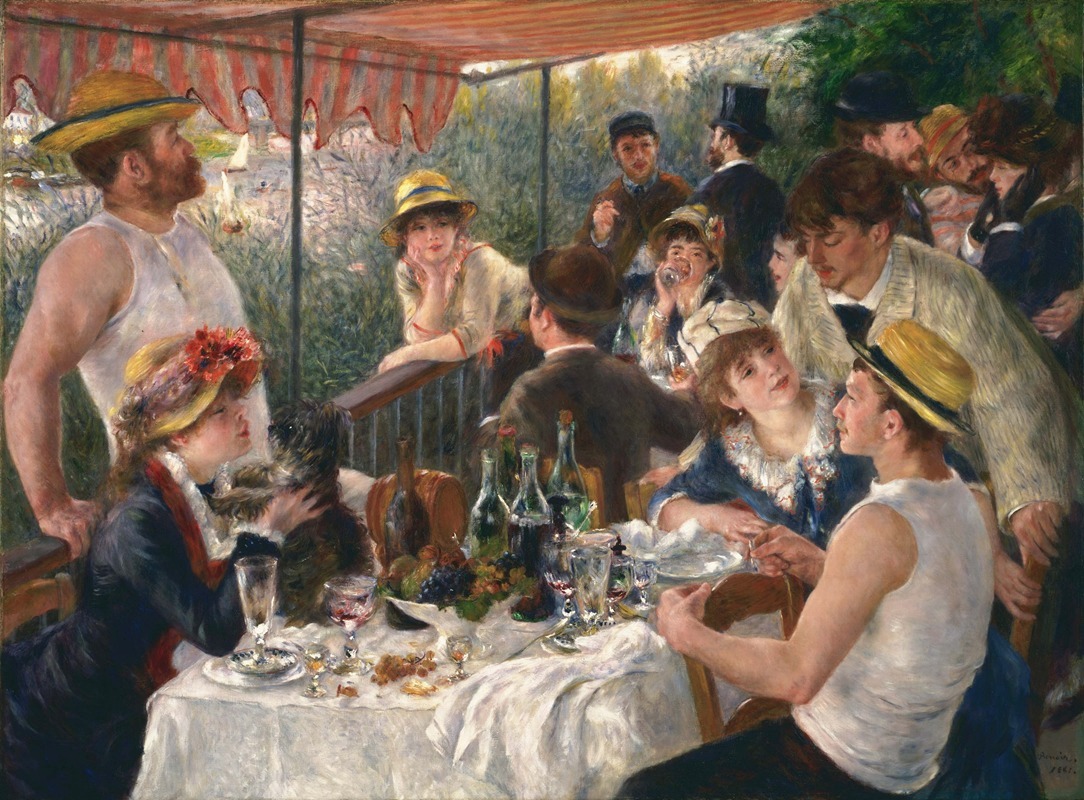
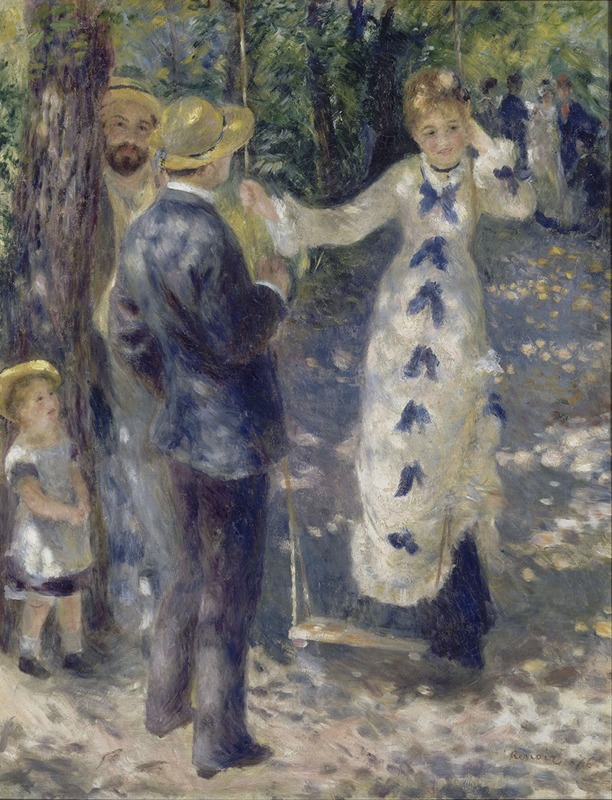
The Feast of Love by Jean-Antoine Watteau showcases a lively gathering of figures engaged in celebration. The painting is rich in color, featuring soft pastels and vibrant hues that create a joyful atmosphere. Various couples are depicted in intimate poses, surrounded by lush greenery and elegant drapery.
The setting suggests a carefree outdoor celebration, typical of the Rococo style, emphasizing romance and leisure. The painting is executed in oil on canvas, a common medium for Watteau's works. The dimensions are approximately 100 x 130 cm, allowing for a detailed portrayal of the figures and their surroundings. Watteau's brushwork is fluid, capturing the movement and emotion of the scene.
The use of light and shadow enhances the three-dimensionality of the figures, drawing the viewer into the festive atmosphere. Jean-Antoine Watteau was a leading figure in the Rococo movement, known for his depictions of love and leisure. The Feast of Love reflects his signature style, blending realism with an idealized vision of life. An interesting fact about this work is that it exemplifies the transition from Baroque to Rococo, showcasing a lighter, more playful approach to subject matter.
Watteau's influence can be seen in the works of later artists who embraced similar themes of romance and celebration.
More Artworks by Jean-Antoine Watteau
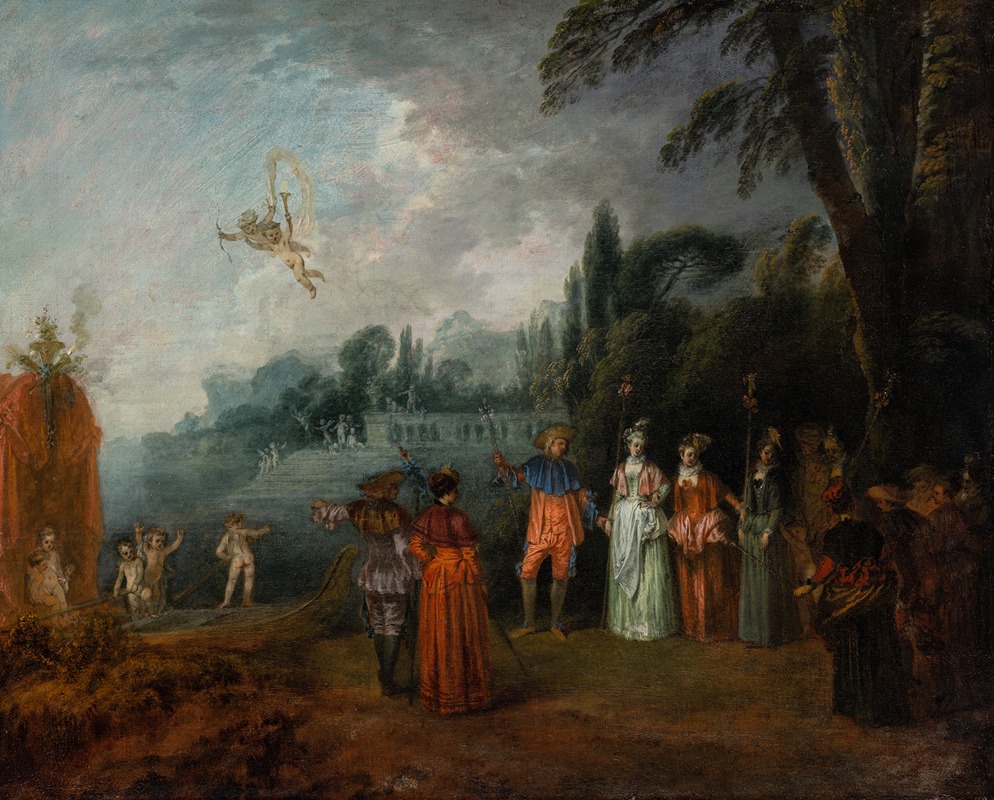
The Embarkation for Cythera
Jean-Antoine Watteau
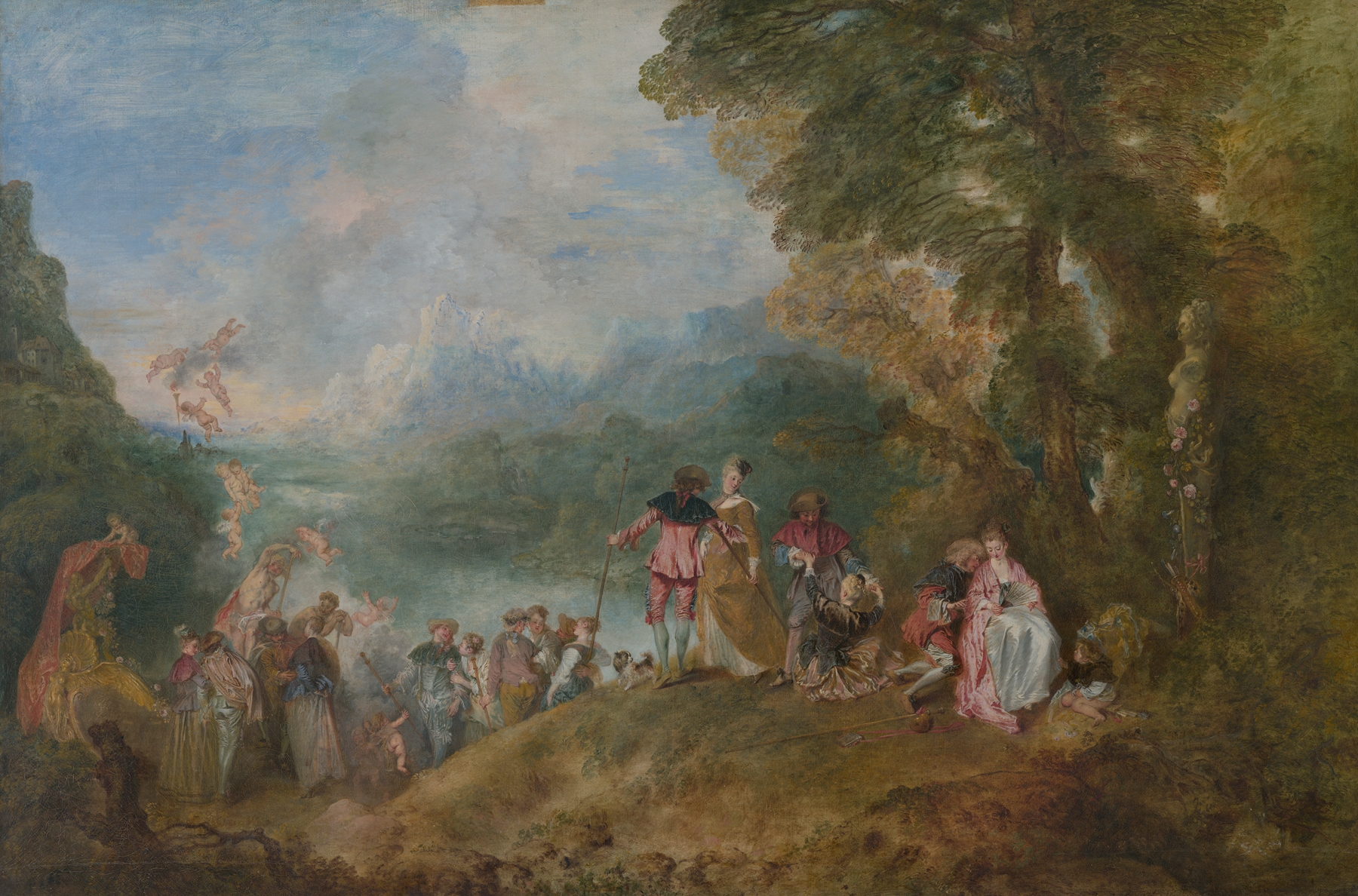
L’Embarquement pour Cythere
Jean-Antoine Watteau
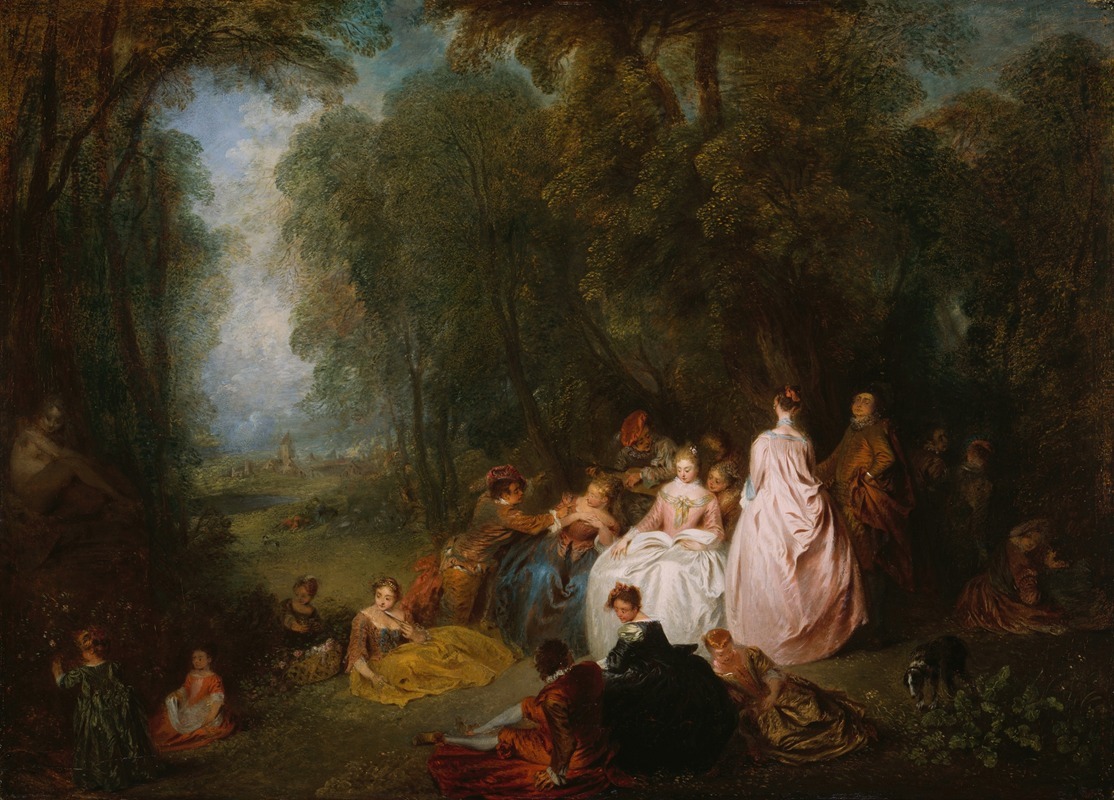
Fête champêtre (Pastoral Gathering)
Jean-Antoine Watteau

The Clothes are Italian
Jean-Antoine Watteau
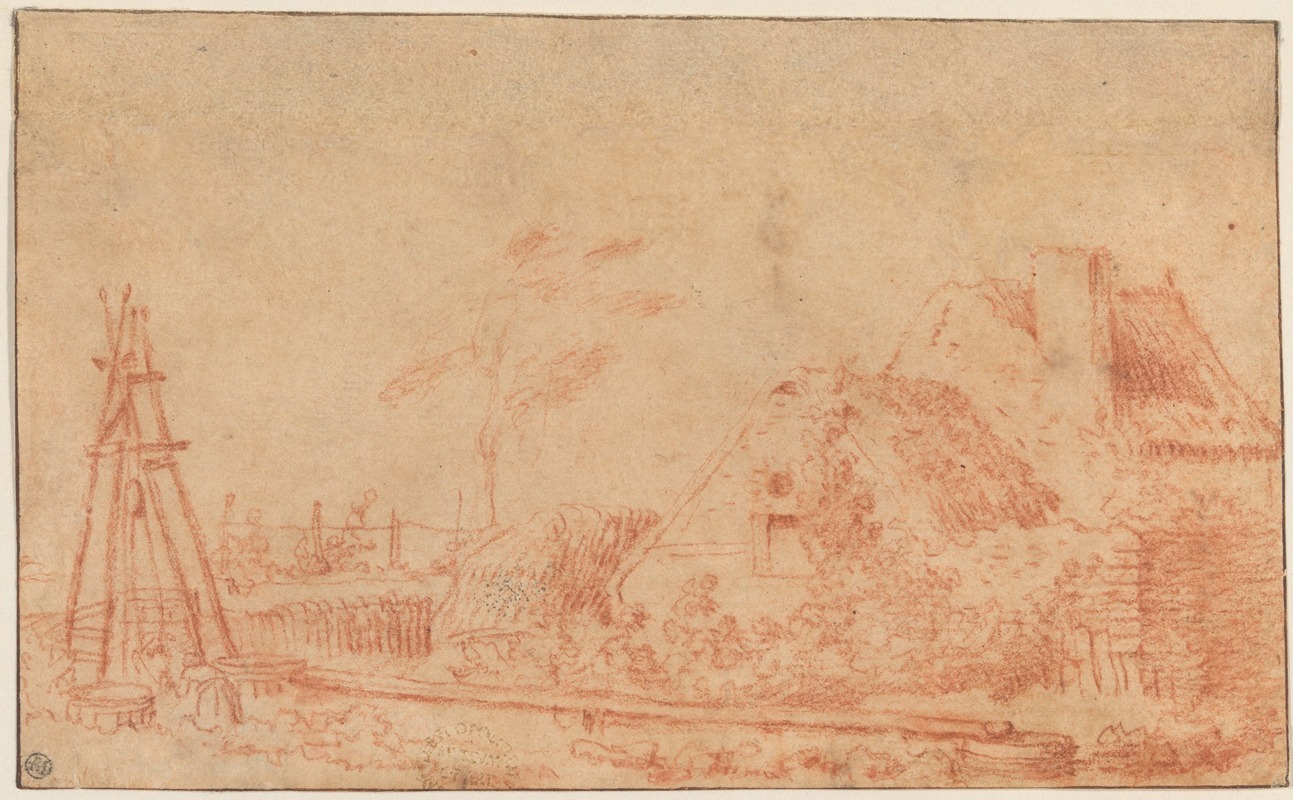
Landscape with a Cottage and Well
Jean-Antoine Watteau
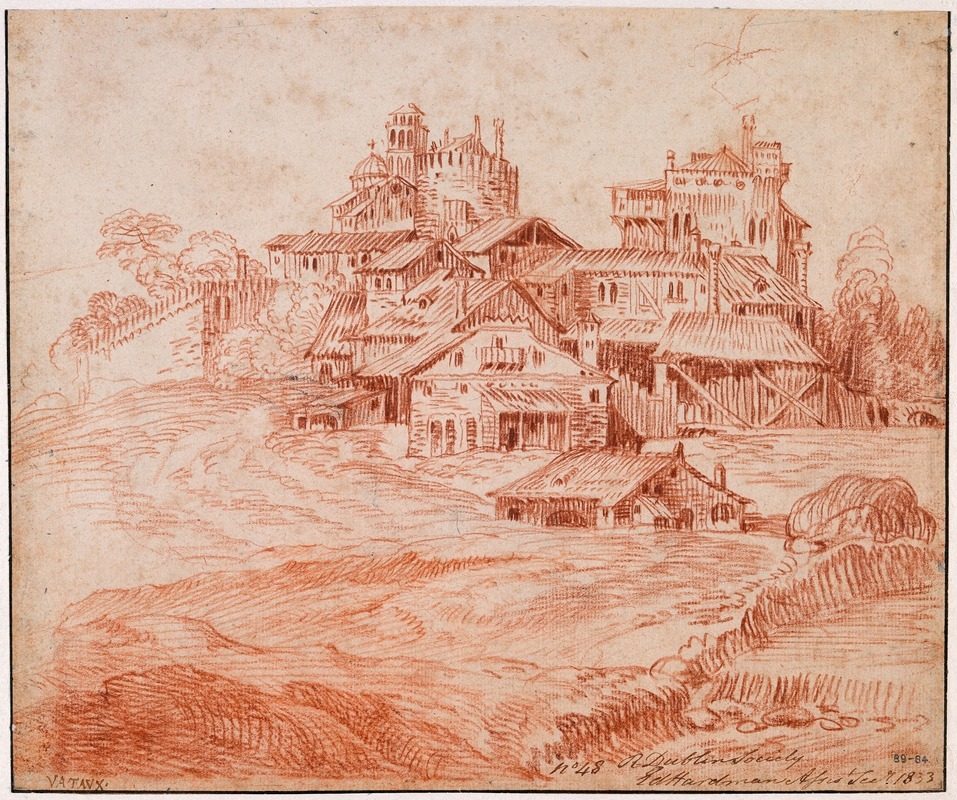
Fortified Village with a Castle, Keep and a Church
Jean-Antoine Watteau

Gentilhomme debout tenant avec sa canne
Jean-Antoine Watteau

Fêtes Venitiennes
Jean-Antoine Watteau

Standing Girl; barefoot, lifting her skirt
Jean-Antoine Watteau
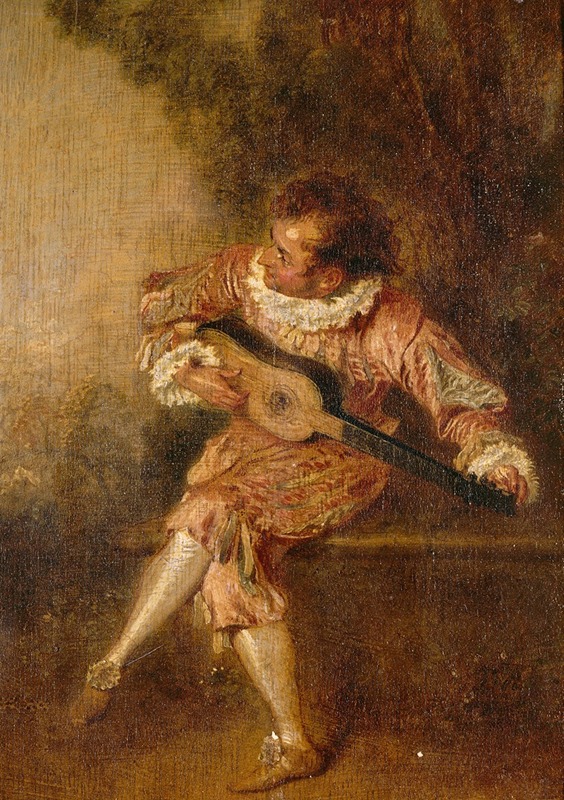
Le donneur de sérénades (Mezetin)
Jean-Antoine Watteau