
The Ferry — History & Facts
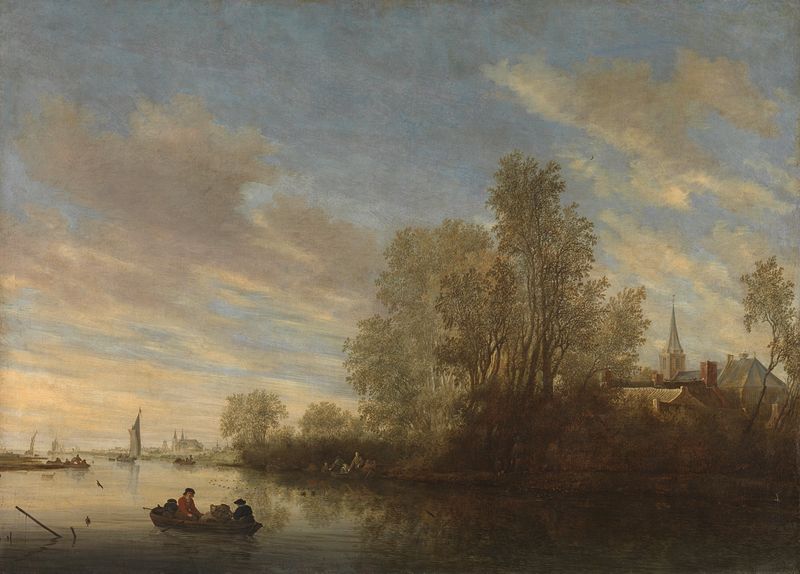
Can beauty exist without sorrow? In The Ferry, the gentle curve of the river reflects not only the serene landscape but also the quiet decay that lingers beneath the surface. Look to the left at the delicate interplay of light and shadow as it bathes the waterway, guiding your gaze towards the figures on the ferry. The muted greens and browns contrast sharply with the brighter hues of the sky, evoking a sense of nostalgia. Notice how the soft, billowing clouds seem to cradle the scene, yet the horizon hints at the inevitable passage of time, a reminder of what is lost. The juxtaposition of life and decay plays out in the small details: the weathered trees lining the shore, seemingly clinging to their last whispers of vitality, while the figures interact with an air of quiet contemplation.
One can sense a haunting reflection of human mortality amidst the idyllic setting, where serenity is shadowed by an underlying tension. This duality invites the viewer to ponder the relationship between beauty and transience. Created in 1657, when Dutch landscape painting flourished, Salomon van Ruysdael found inspiration in the harmonious relationship between humanity and nature. During this time, the artist was developing his unique style, moving from the influence of his predecessors towards a more expressive interpretation of landscapes.
The world around him was witnessing the rise of commercial prosperity, yet there was an awareness of the fragility and decay that lay beneath the golden age, a theme woven intricately into his works.
More Artworks by Salomon van Ruysdael
Browse all →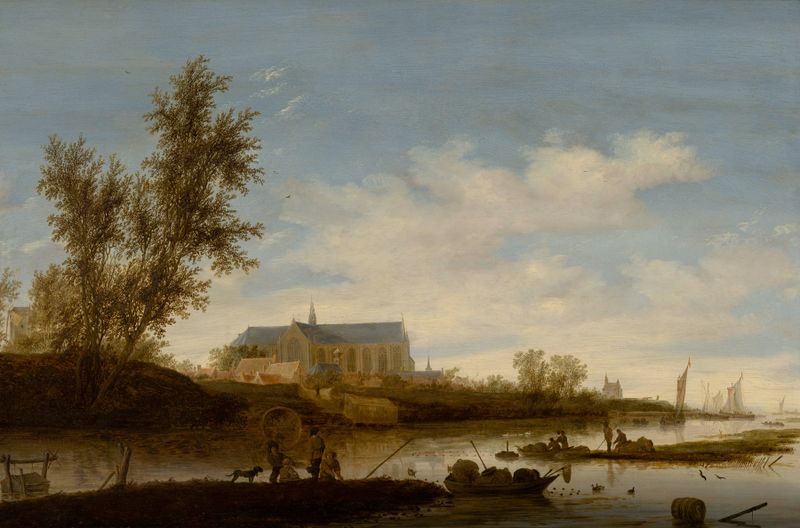
River landscape with fishermen in the foreground, the Laurenskerk in Alkmaar beyond
Salomon van Ruysdael

River Landscape with a View of Naarden
Salomon van Ruysdael
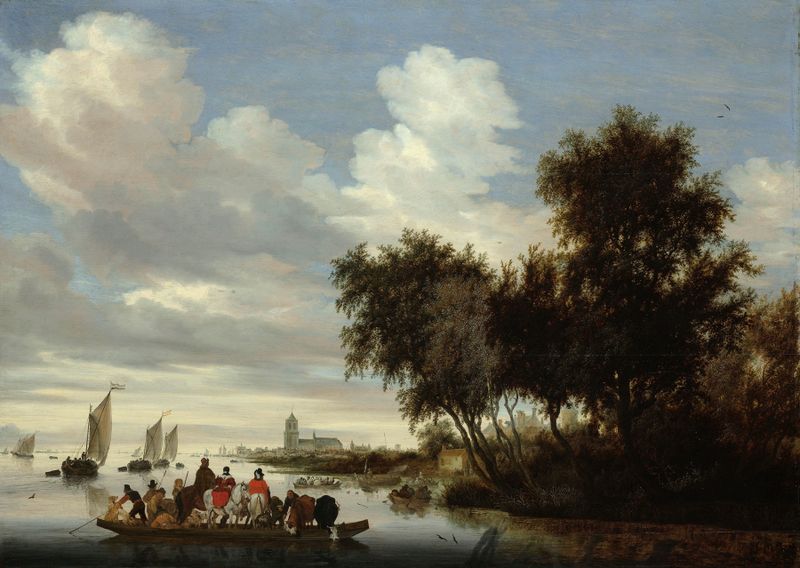
River Landscape with Ferry
Salomon van Ruysdael
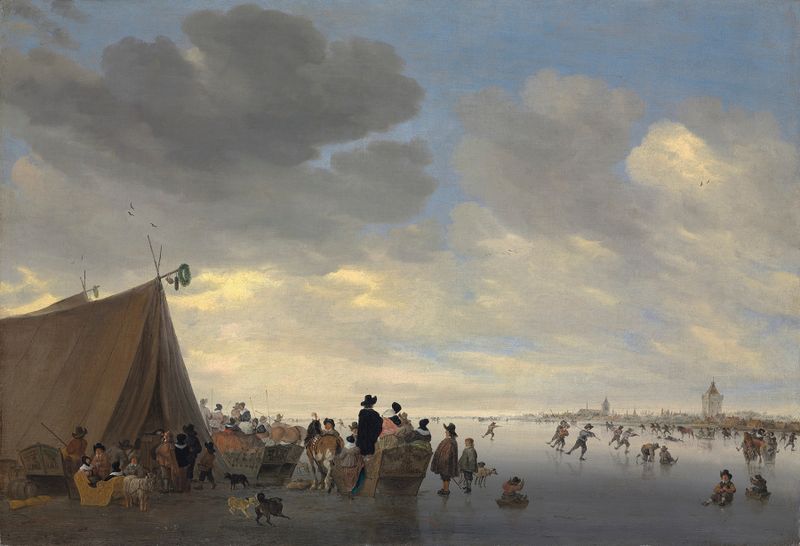
Skaters on the frozen river Lek, the town of Vianen beyond
Salomon van Ruysdael
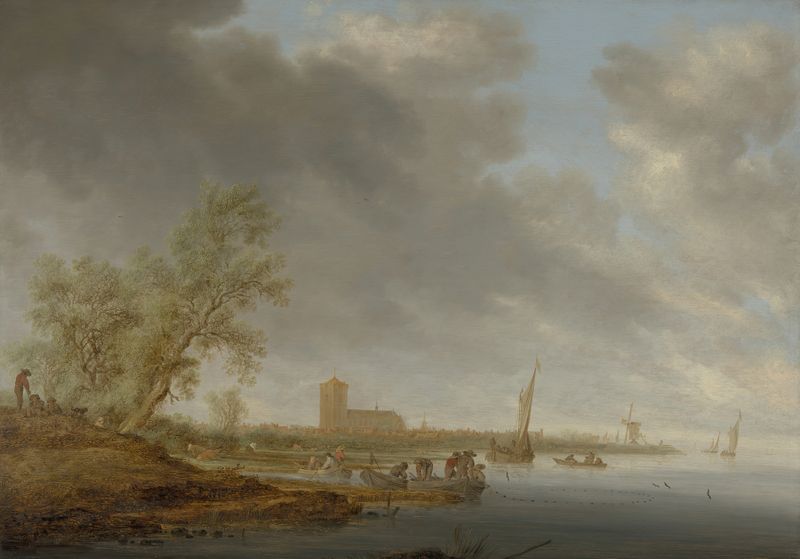
River Landscape with a View of Naarden
Salomon van Ruysdael
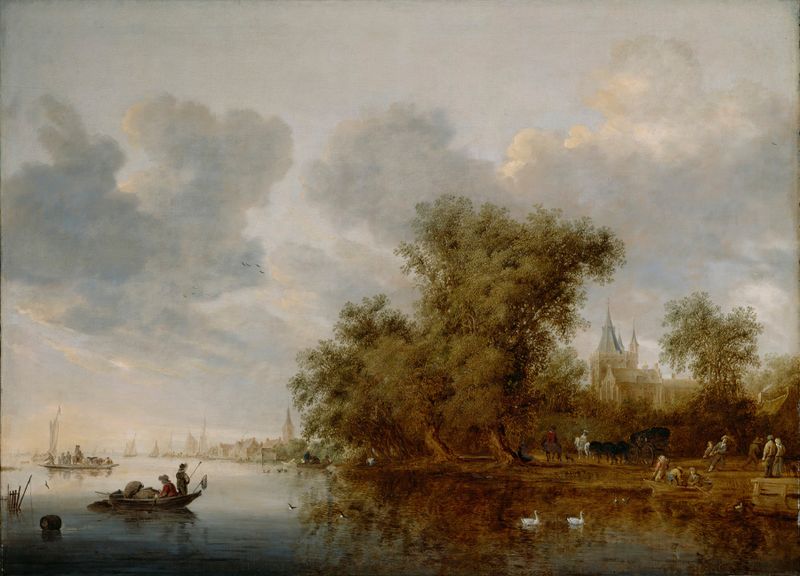
River Landscape
Salomon van Ruysdael
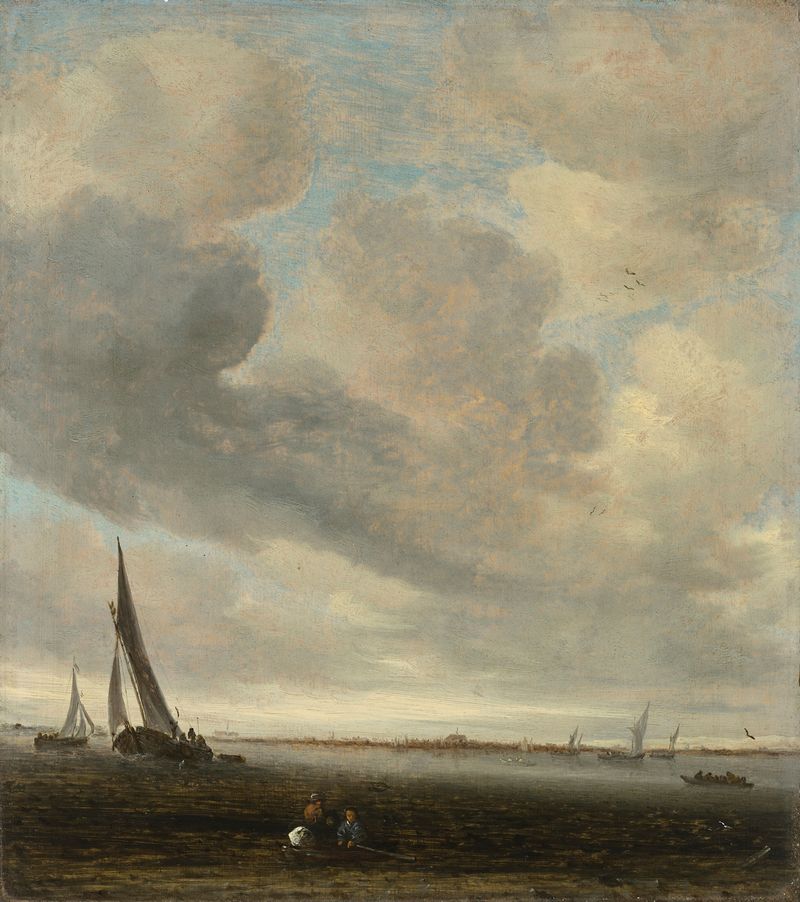
An estuary scene with a distant view of Haarlem
Salomon van Ruysdael
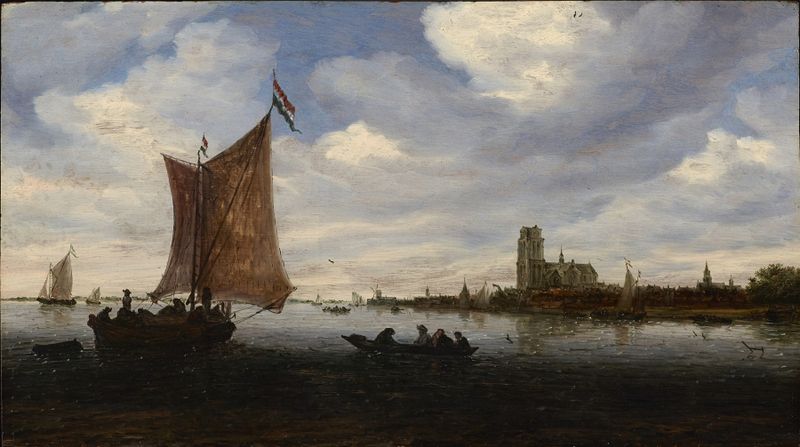
View of Dordrecht
Salomon van Ruysdael
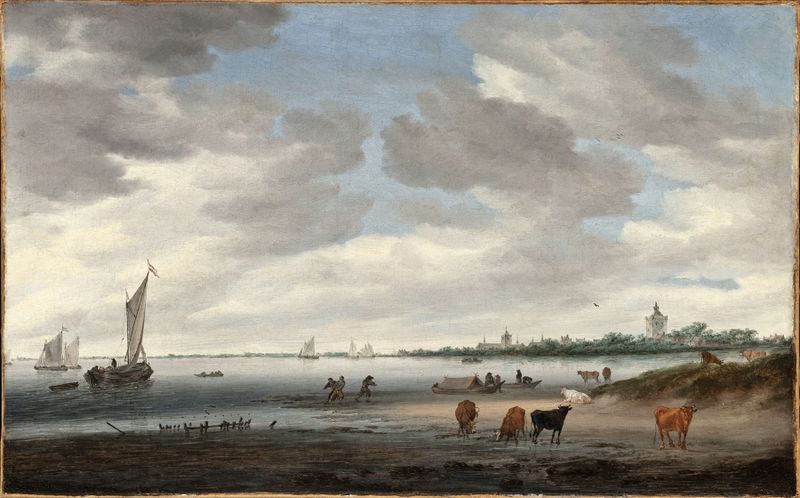
View of the River Lek and the Town of Vianen
Salomon van Ruysdael
River View near Deventer
Salomon van Ruysdael





