
The ferry — History & Facts
Did the painter know this moment would outlive them? In The ferry, light weaves through the scene like a storyteller, illuminating the timeless journey of life and transit. Look to the left at the delicate interplay of light and shadow cast upon the water. The soft glow reflects a spectrum of blues and greens, creating a serene backdrop that contrasts with the stark silhouettes of the ferry and its passengers. Notice how the painter captures the gentle ripples, each wave a brushstroke of emotion, while the small figures on board become part of a larger narrative—a fleeting moment suspended in time. Beneath the surface lies a profound tension between movement and stillness.
The ferry, a vessel of transition, symbolizes the human experience, constantly navigating the waters of existence. The juxtaposition of the bustling figures against the tranquil landscape invites contemplation of life’s journey, emphasizing how every crossing holds whispers of stories untold, each moment echoing with the weight of dreams and farewells. Jan Griffier painted The ferry during a period marked by the flourishing of maritime art in the late 17th century, amidst a growing fascination with the Dutch waterways. Living in the vibrant art-laden environment of Amsterdam, he was influenced by the burgeoning interest in capturing the interplay of light and atmosphere, both of which are masterfully evident in this work.
The world was shifting, and Griffier’s brush captured that transformation, sealing this ephemeral moment in history.
More Artworks by Jan Griffier
Browse all →
Flodlandskab ved vintertid
Jan Griffier

Winter landscape
Jan Griffier

Winter Pleasures
Jan Griffier
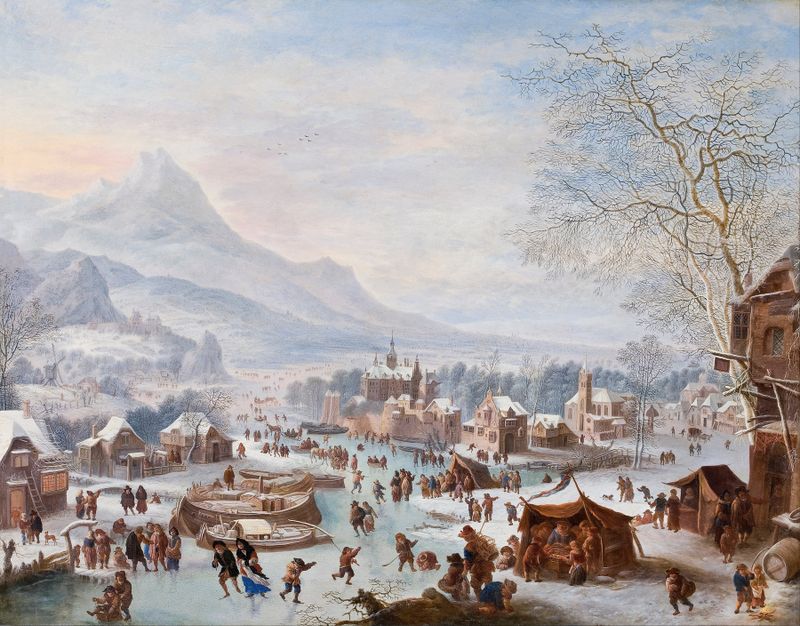
Winter Scene with Skaters
Jan Griffier
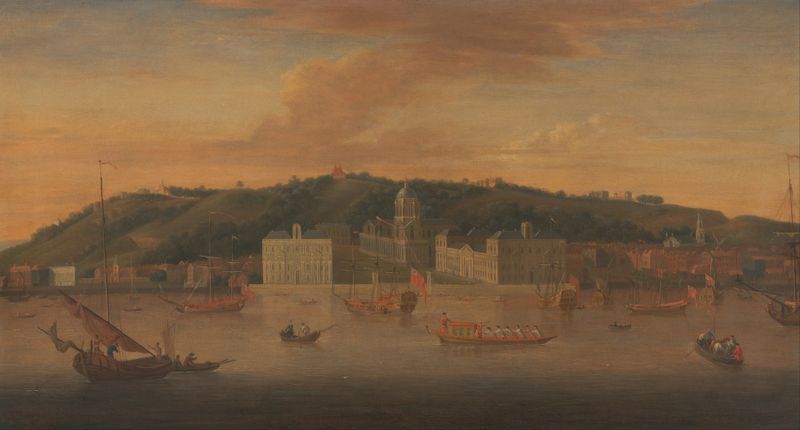
A view of Greenwich from the River with many Boats
Jan Griffier
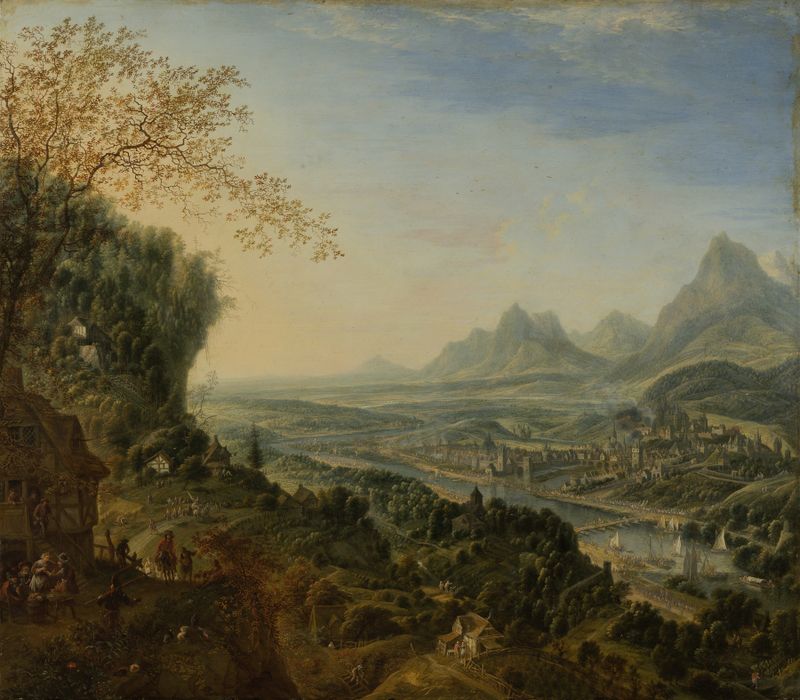
River Landscape with Rhine Motifs and Troops Passing
Jan Griffier
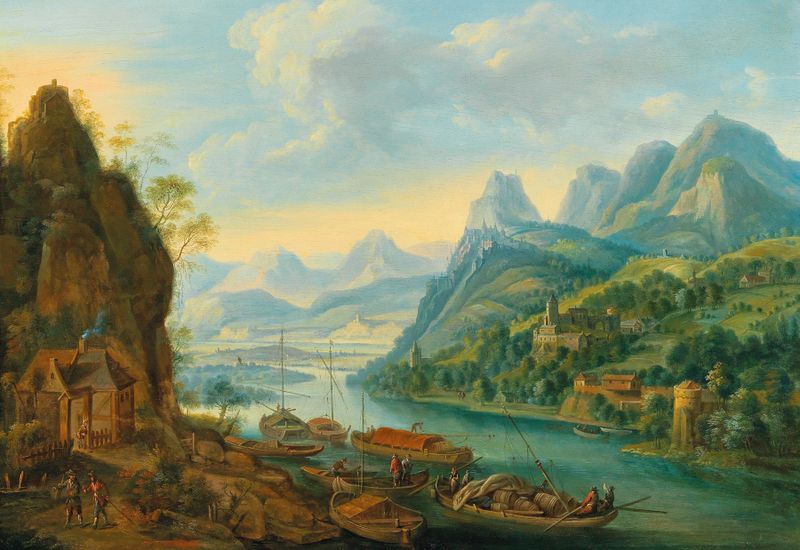
A river landscape with mountains
Jan Griffier
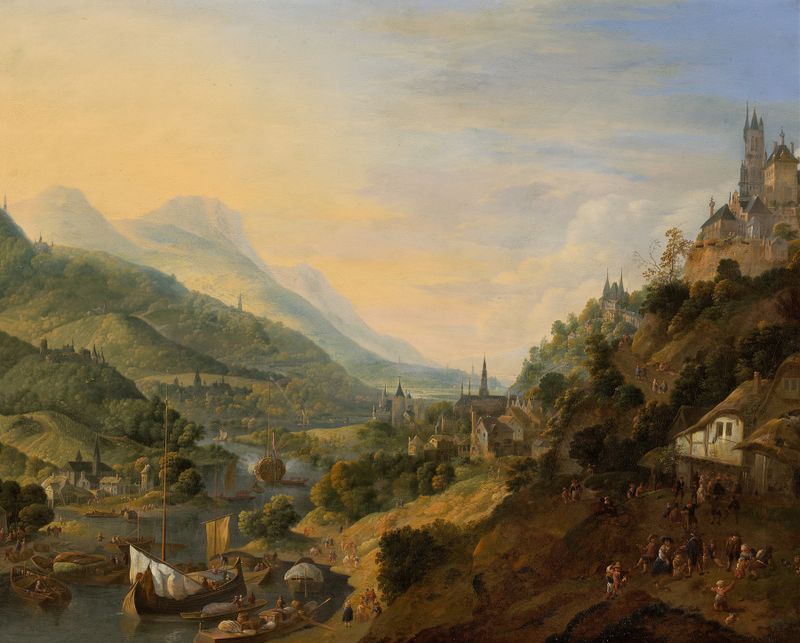
A Rheinish Landscape
Jan Griffier

River View
Jan Griffier
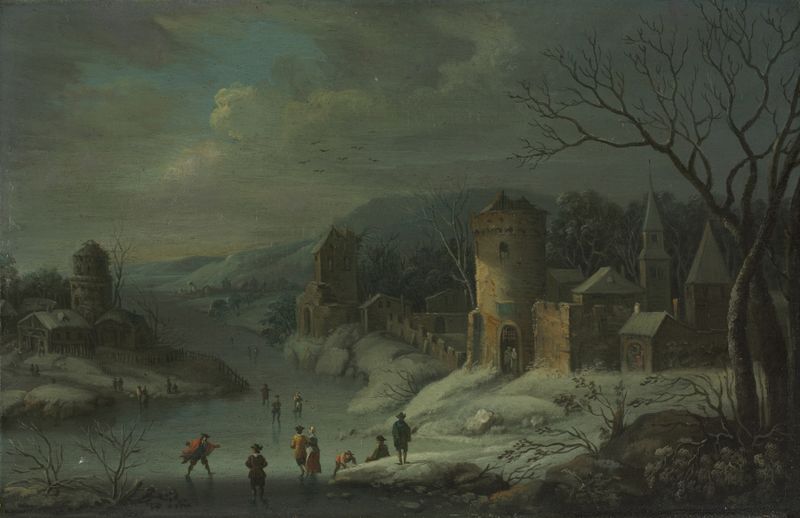
Winter Landscape
Jan Griffier





