
The Ferryman — History & Facts
In the brushstrokes of Jean-Baptiste-Camille Corot, loneliness lingers like a whisper, evoking the silent melancholy of existence. Begin your journey by focusing on the solitary figure of the ferryman, positioned at the edge of a tranquil waterway. Notice how he stands resolutely against the soft, muted hues of the landscape, his boat gently bobbing in the placid water. The light filters through a veil of clouds, casting a delicate glow upon the scene, as if time itself pauses to reflect on the weight of solitude.
The subtle interplay of greens and browns in the foliage surrounds him, framing his isolation while inviting a sense of calm. Yet, observe the contrast between stillness and movement — the ripples on the surface of the water suggest life, but the ferryman remains tethered to his melancholic task, a testament to enduring solitude. The tree branches arch overhead as if attempting to reach him, while the reflections in the water mirror both the landscape and his introspective state. This duality captures the tension between connection and isolation, creating an emotional resonance that speaks to the human condition. Corot painted this work in 1865 during a pivotal time in his career, as he transitioned from the dark Romanticism of his early years to a lighter, more Impressionistic style.
Living in France, he was deeply influenced by the burgeoning movements that sought to capture the essence of nature and emotion. This painting stands as a remarkable embodiment of his exploration of solitude, reflecting both personal introspection and the broader themes of loneliness that permeated society at that time.
More Artworks by Jean-Baptiste-Camille Corot
Browse all →
View of Genoa
Jean-Baptiste-Camille Corot
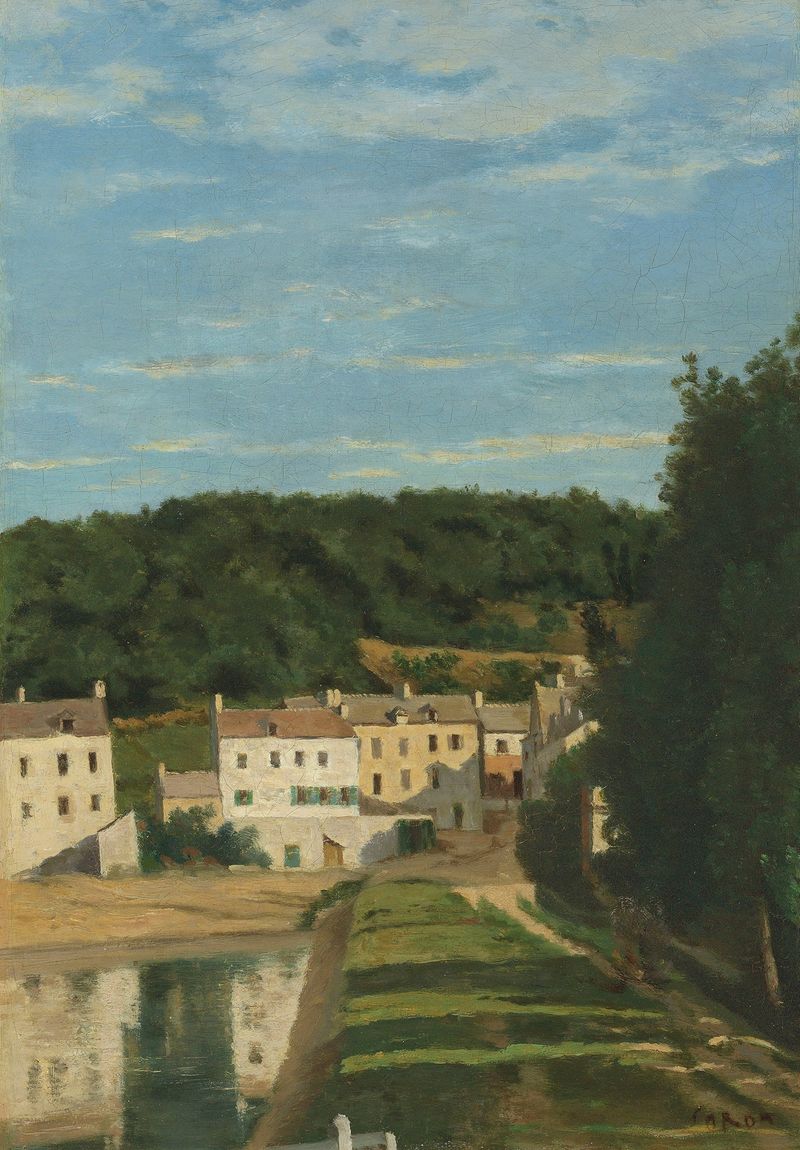
Les Maisons Cabassud À Ville D’avray
Jean-Baptiste-Camille Corot

La solitude. Souvenir de Vigen (Limousin)
Jean-Baptiste-Camille Corot
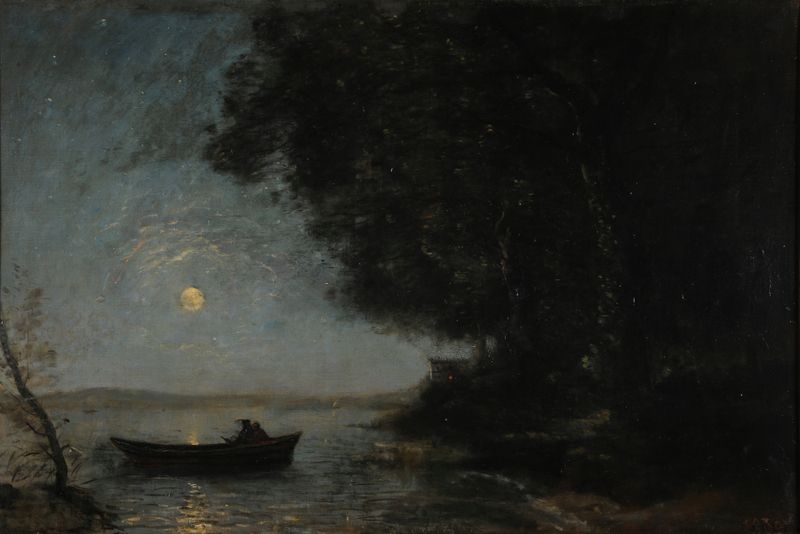
Le lac ; effet de nuit
Jean-Baptiste-Camille Corot
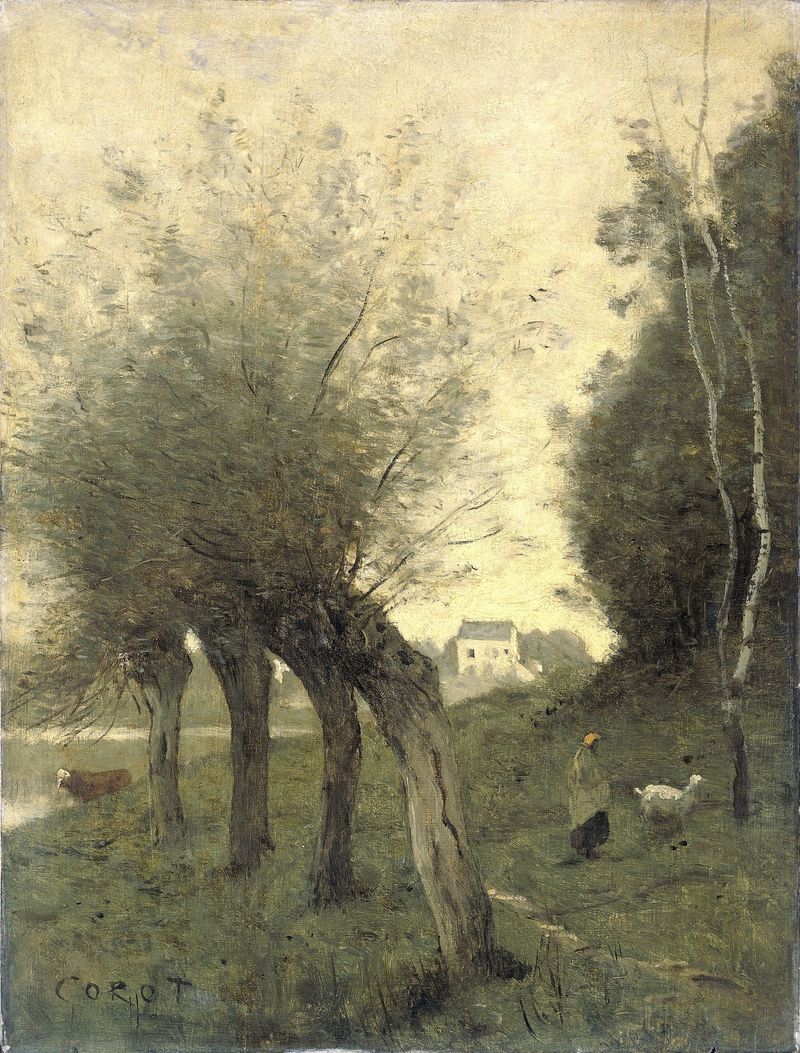
Landscape with Pollard Willows
Jean-Baptiste-Camille Corot
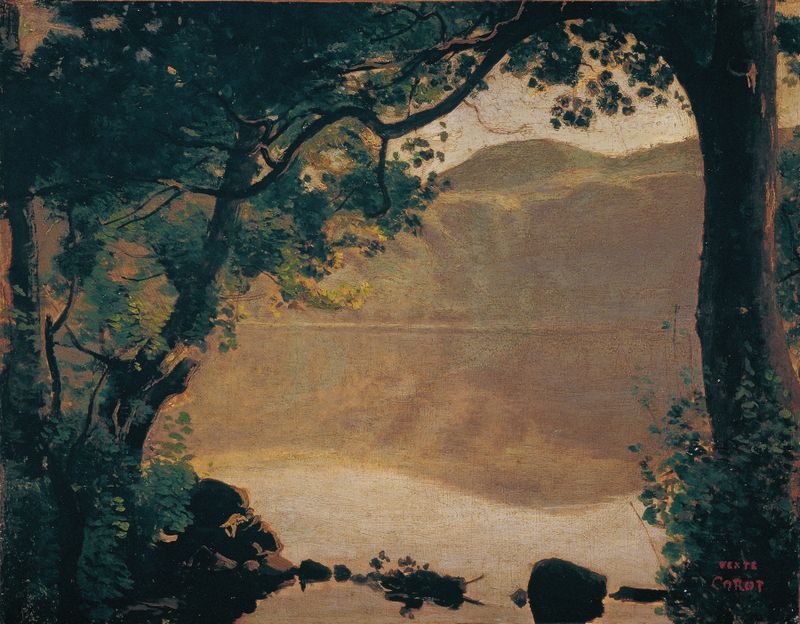
Der Nemisee
Jean-Baptiste-Camille Corot
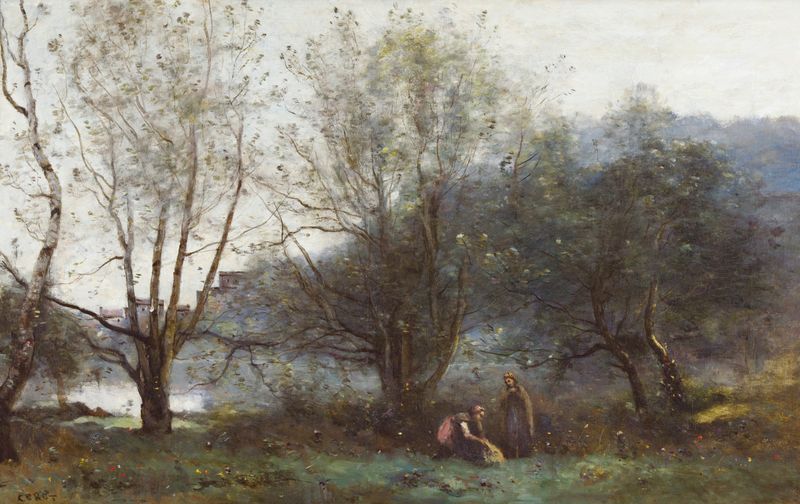
Les Étangs De Ville D’avray
Jean-Baptiste-Camille Corot
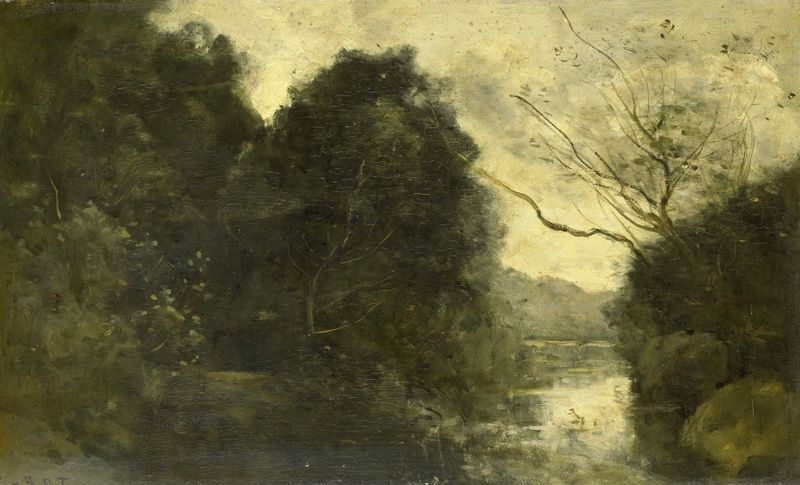
Pond in the Woods
Jean-Baptiste-Camille Corot
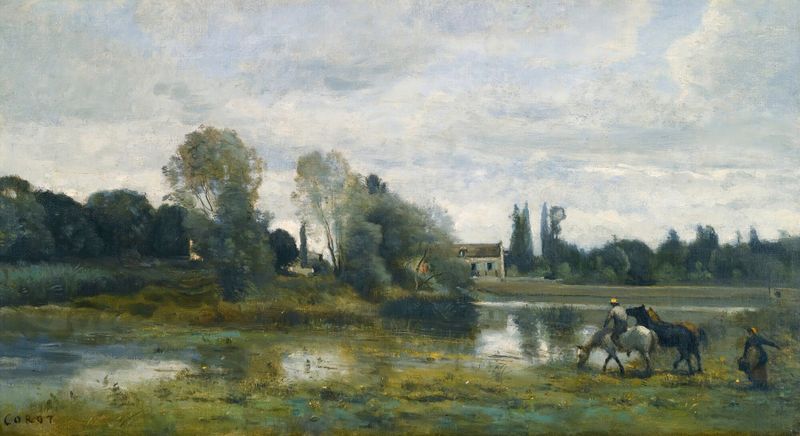
Ville D’avray; L’abreuvoir Des Chevaux
Jean-Baptiste-Camille Corot
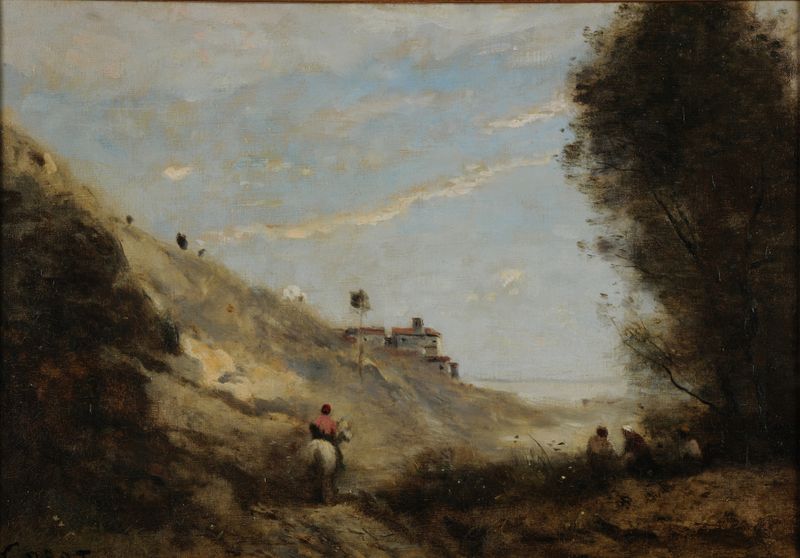
Le vallon au cavalier
Jean-Baptiste-Camille Corot





